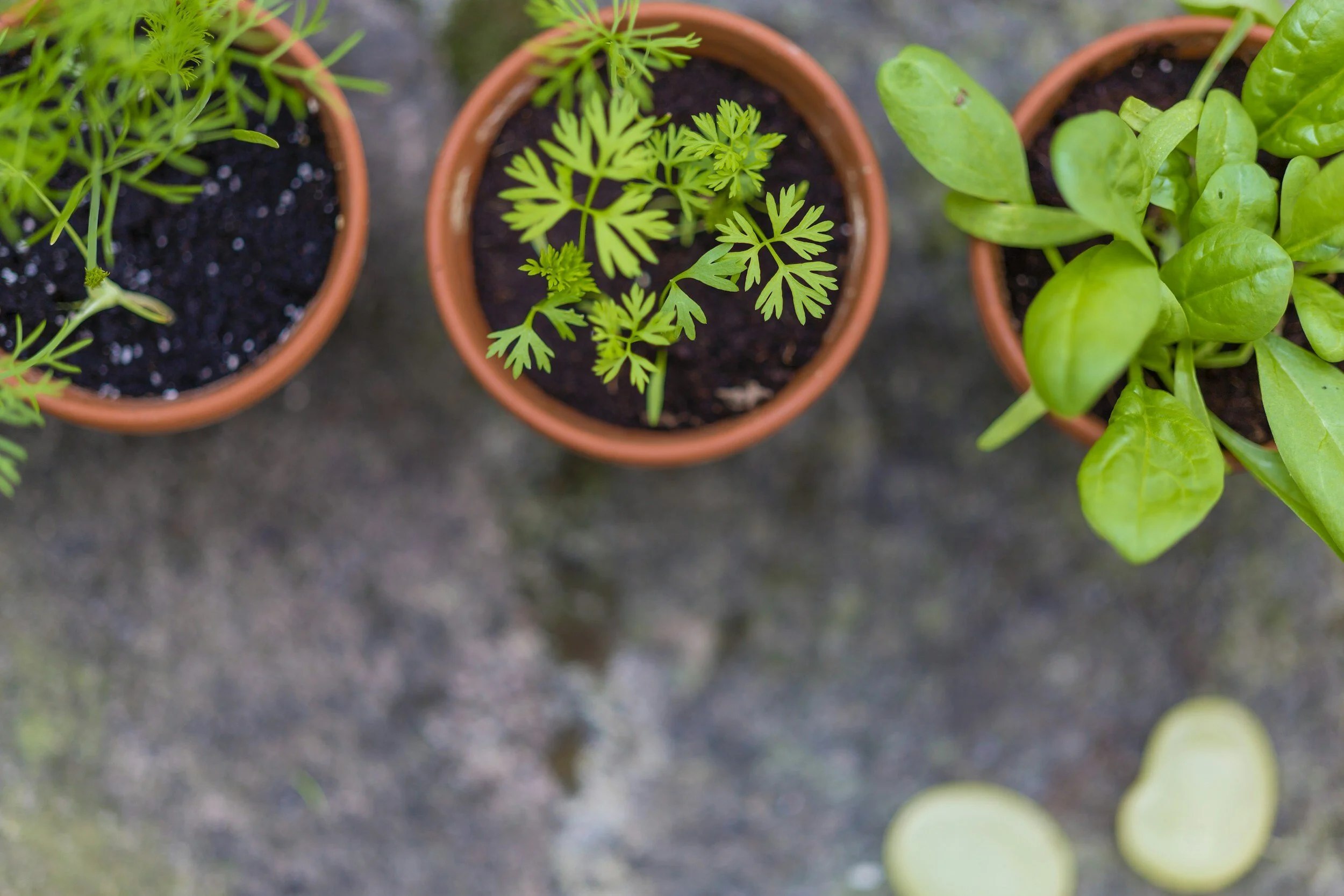



Grow These 7 Crops to Help Cut Summer Grocery Costs
/Rising food prices have been a major concern around the world with tariffs, conflicts in the Ukraine, Russia and the Middle East, and elevated costs of fertilizer being major causes of food inflation. Recent reporting by the USDA Economic Research Service, the UK’s National Farmer’s Union, and the United Nations Food and Agriculture Organization (FAO) concur that there’s little relief in sight and that food prices are likely to rise even further in late 2026 and into early 2027.
Produce like tomatoes, peppers, herbs, leafy greens, and cucumbers can quickly add up, especially during the summer months when many families are trying to eat healthier and cook more meals at home.
The good news is that some of the most expensive vegetables to buy are also among the easiest and most productive crops to grow at home.
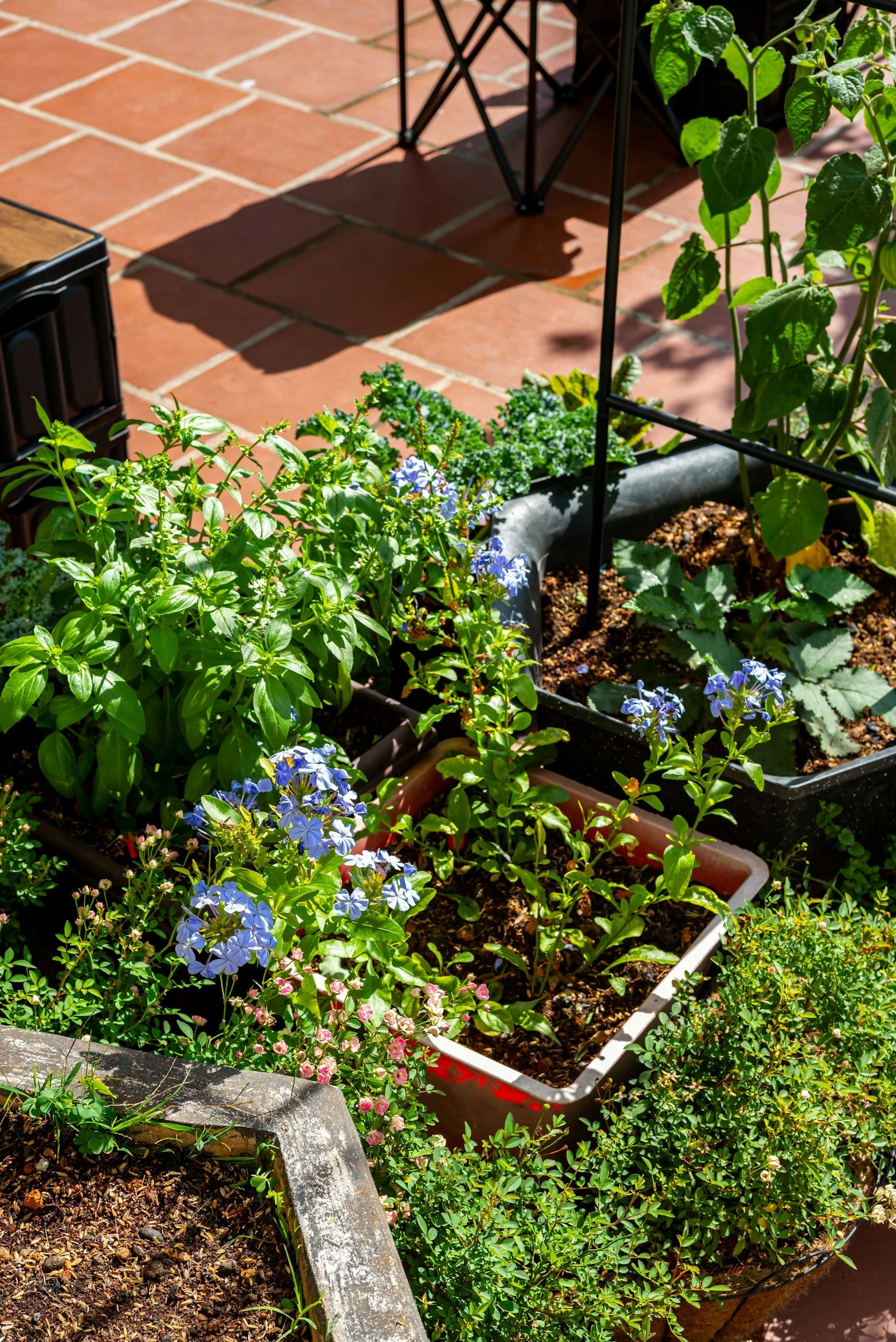
Khanh Do @unsplash
Even a small garden, a few raised beds, or several containers on a patio can produce a surprising amount of food during the growing season. A single healthy tomato plant can yield 10-20 pounds of tomatoes, while herbs and lettuce can provide repeated harvests for months. With a little planning, growing your own food can significantly reduce your grocery bill while also giving you fresher, better-tasting produce. This is especially true if you’re growing food from seeds, which is significantly cheaper than growing from seedlings.
The key is to focus on crops that provide high value, continuous harvests, and reliable production throughout the summer.
Here are five of the best crops to grow if you want to start lowering your grocery costs this summer and well into the fall months ahead.
1. Tomatoes
Tomatoes are one of the most cost-effective crops you can grow at home. Grocery store tomatoes are often expensive, especially heirloom varieties, cherry tomatoes, and organic options. A small container of cherry tomatoes can easily cost several dollars, yet one productive plant can supply you with pounds of fruit all summer long.
Tomatoes are also incredibly versatile. You can use them in salads, sandwiches, sauces, soups, salsa, and countless summer dishes.
For beginners, cherry tomatoes are usually the easiest and most reliable option. Varieties like Sungold, Sweet 100, and Supersweet 100 are highly productive and continue producing for months with proper care. You can also increase the harvest from your tomato plants with a few basic techniques.
If you have limited space, look for determinate or patio varieties designed for containers. Many tomatoes grow extremely well in large pots, grow bags, or raised beds.
To maximize yields:
Plant tomatoes in full sun
Use rich, well-draining soil
Water consistently
Support plants with cages or stakes
Feed regularly with compost or a balanced fertilizer
Tomatoes are among the crops where homegrown quality dramatically surpasses store-bought versions, making them especially rewarding to grow.
2. Lettuce and Salad Greens
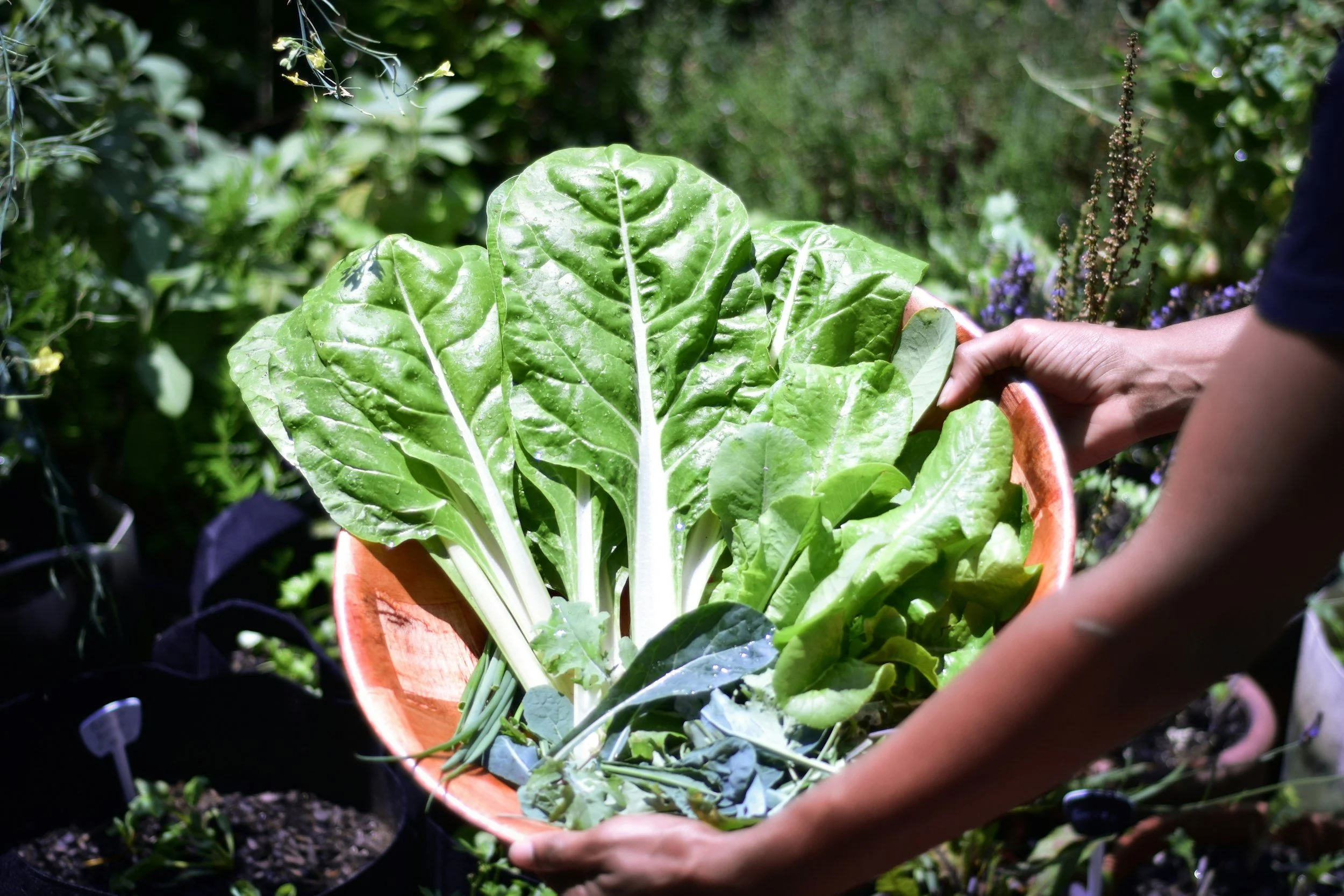
Lettuce is one of the easiest ways to reduce grocery spending because it grows quickly and can be harvested repeatedly.
Store-bought salad mixes are surprisingly expensive for what you receive, and they often spoil quickly in the refrigerator. Growing your own greens allows you to harvest only what you need, which reduces food waste while saving money.
Leaf lettuce varieties are especially productive because you can harvest outer leaves continuously while the plant keeps growing. This “cut-and-come-again” approach provides ongoing harvests for weeks.
Some excellent choices include:
Looseleaf lettuce
Romaine
Butterhead lettuce
Arugula
Spinach
Swiss chard
Kale
Salad greens also work well in containers, window boxes, raised beds, and vertical planters, making them ideal for small-space gardeners.
During summer heat, lettuce may bolt quickly in full sun, especially in warmer regions. To extend the harvest:
Provide afternoon shade
Water consistently
Sow seeds every 2-3 weeks
Choose heat-tolerant varieties
Even a small container garden can produce enough salad greens to offset frequent grocery purchases throughout much of the season.
3. Herbs
Fresh herbs are one of the biggest hidden expenses at the grocery store.
A small package of basil, parsley, cilantro, or mint can cost several dollars, yet you may only use a portion before the rest spoils. Growing herbs at home gives you instant access to fresh flavor while eliminating repeated purchases.
Many herbs are incredibly productive and easy to maintain. In fact, some gardeners accidentally grow more mint or oregano than they know what to do with. You can even grow herbs indoors in winter or any other time of year, making them among the most versatile options you can choose.
Some of the best money-saving herbs include:
Basil
Parsley
Cilantro
Chives
Mint
Thyme
Oregano
Rosemary
Herbs are perfect for containers and can even be grown indoors near sunny windows.
Basil is especially valuable because it grows rapidly during warm weather and pairs well with homegrown tomatoes. One or two basil plants can supply enough leaves for pesto, salads, pasta dishes, and freezing for later use.
Mint should generally be grown in containers because it spreads aggressively in garden beds.
Regular harvesting encourages herbs to become bushier and more productive. The more you use them, the more they grow.
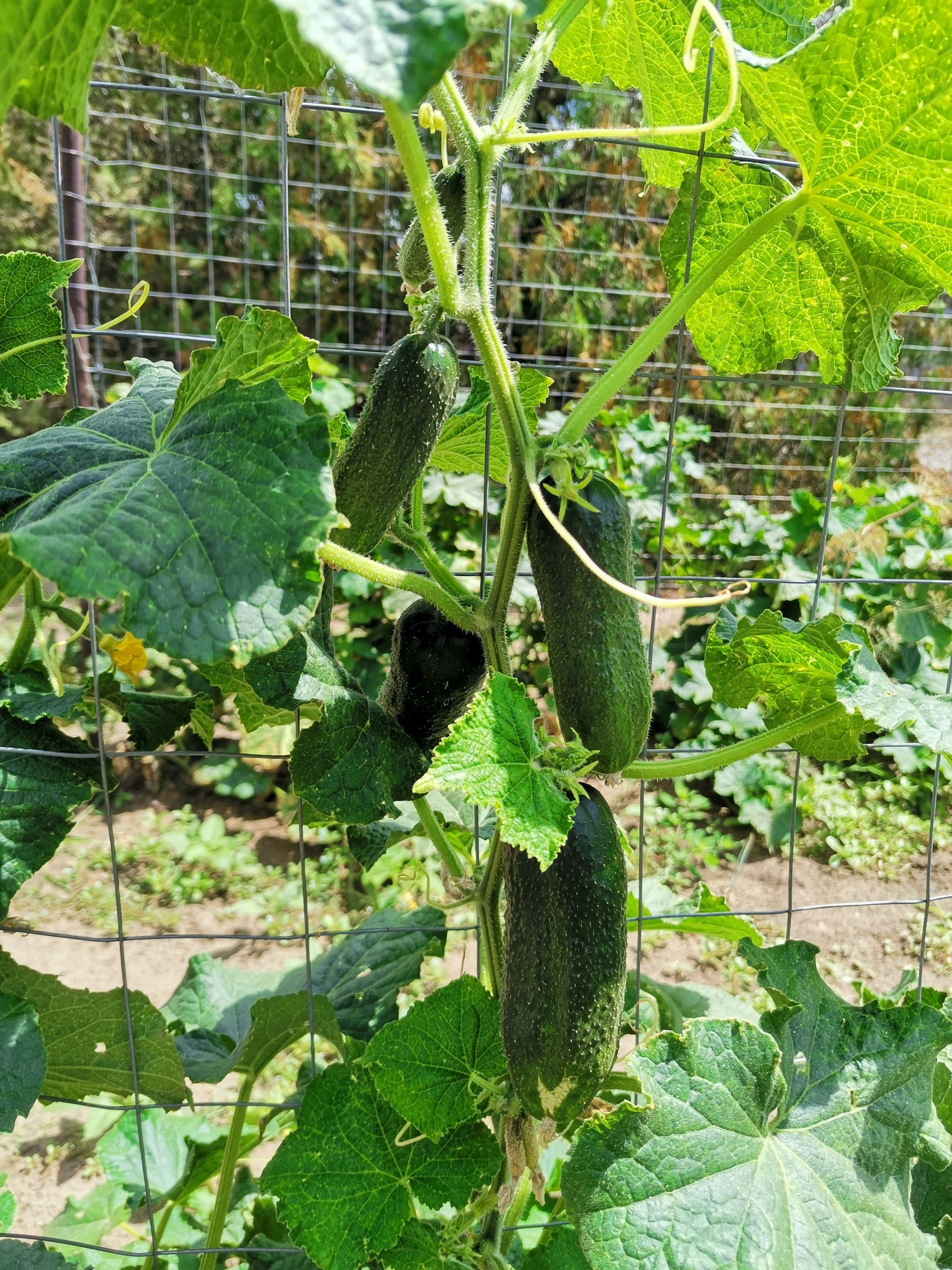
4. Cucumbers
Cucumbers are another high-yield crop that can help cut grocery costs during summer.
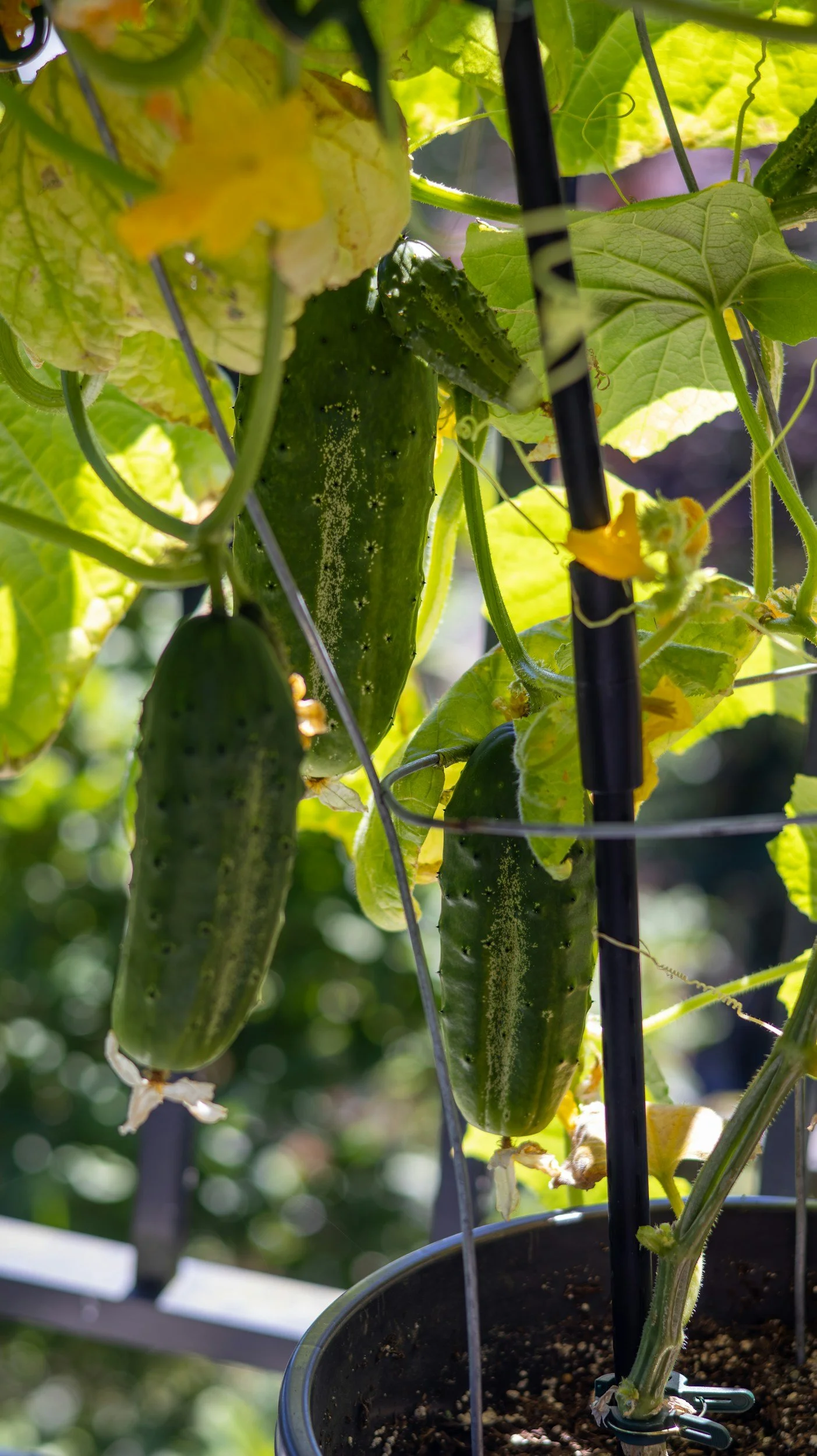
Healthy cucumber plants often produce heavily once they begin fruiting, sometimes giving gardeners more cucumbers than they can easily use. This makes them excellent for fresh eating, salads, sandwiches, pickling, and sharing with neighbors.
Cucumbers also grow vertically very well, making them ideal for small gardens.
Growing cucumbers on a trellis offers several advantages:
Saves space
Improves airflow
Reduces disease pressure
Makes harvesting easier
Produces straighter fruit
For beginners, bush cucumber varieties work well in containers, while vining varieties are ideal for raised beds and trellises.
Lily Bui Thi @unsplash
Cucumbers grow best when:
Planted in full sun
Given consistent moisture
Mulched to retain soil moisture
Harvested regularly
Frequent harvesting encourages plants to continue producing.
If grocery prices continue rising this summer, cucumbers are one of the simplest ways to grow a large amount of fresh produce in relatively little space.
5. Green Beans
Green beans are highly productive, relatively easy to grow, and often expensive to buy fresh at the store.
Pole beans are especially efficient because they grow vertically and continue producing over a longer period. Bush beans tend to produce heavily over a shorter window, which works well for gardeners interested in preserving or freezing larger harvests at once.
Beans are also valuable because they help improve soil health. As legumes, they fix nitrogen in the soil, benefiting nearby plants and future crops.
Pole beans are excellent for:
Trellises
Fences
Arches
Raised beds
Small gardens
Some reliable varieties include:
Blue Lake
Kentucky Wonder
Provider
Contender
Beans are best harvested young and tender before pods become overly mature.
One overlooked benefit of growing beans is that children often enjoy harvesting them, making them a fun crop for family gardens.
Fresh-picked beans also taste significantly better than many grocery store versions, which may spend days in transport before reaching store shelves.
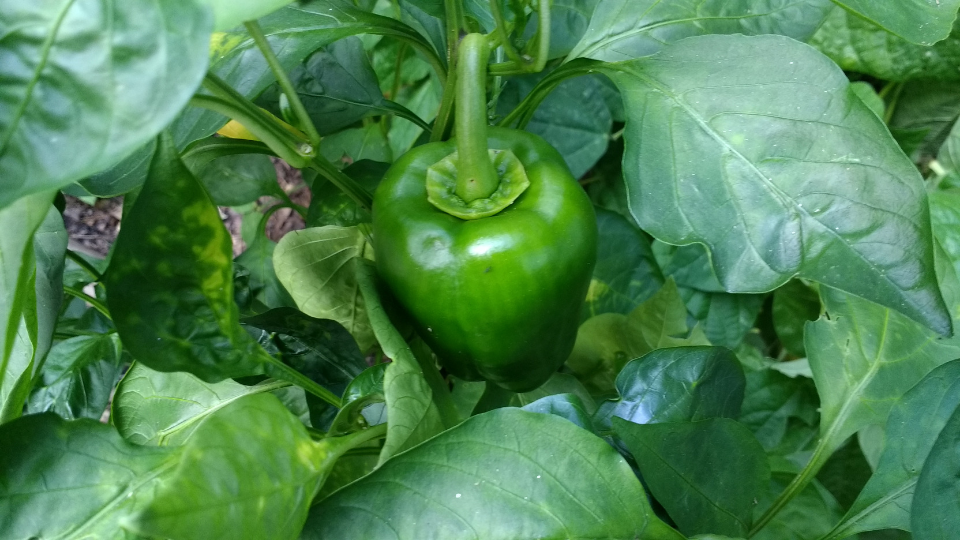
6. Bell Peppers
Bell peppers are a staple in many recipes (think soups and salads). They are also one of the most expensive vegetables to buy, but they’re also surprisingly easy to grow at home. These are one of my favorites to grow in containers.
Bell peppers are especially compelling from a cost-savings perspective because:
Organic peppers are often very expensive
Colored peppers (red, yellow, orange) can cost $2-4 each
Plants can remain productive for months
They work in containers and raised beds
Homegrown peppers usually taste significantly better
Just be sure to give them plenty of time to grow: from 75-90 days when planted from seeds. Bell peppers start out green and then turn different colors, depending on which variety you’ve purchased: orange, red, yellow, and even purple!
7. Eggplants
Eggplants are slightly less universally grown than peppers, but they are an excellent addition because they are expensive in many grocery stores, produce heavily in hot weather, and compact varieties do very well in containers. This surprisingly versatile vegetable may also appeal to you if you’re interested in Mediterranean, Middle Eastern, or Asian cooking.
The only caution is that eggplants are somewhat less beginner-proof than crops like lettuce or beans. They need warm, fertile soil, strong sunlight, and like bell peppers, longer growing seasons (up to 90 days when growing from seed).
Still, once summer heat arrives, eggplants often become some of the most productive plants in the garden. Regular harvesting encourages continued fruit production, and a few healthy plants can supply enough eggplant for
grilling
stir-fries
curries
pasta dishes
baba ganoush
and roasting throughout much of the season
Growing eggplants from seed also gives you far more interesting varieties than what is typically available in grocery stores. Traditional varieties like Black Beauty produce large, glossy purple fruits and remain popular for their reliability and classic flavor. Long Asian varieties such as Ping Tung are especially productive during hot weather and tend to have thinner skin and a milder taste. Dancer eggplant produces beautiful lavender fruits with tender flesh, while Japanese heirloom varieties like Kamo are prized for their rich flavor and creamy texture. You can even grow white eggplants like Casper or Ghostbuster! These have thinner skin and a milder, sometimes sweeter taste than their purple-hued cousins.
If you’re growing in containers or small spaces, look for compact or patio-friendly varieties and use containers that hold at least 5 gallons of soil. Like tomatoes and peppers, eggplants benefit from consistent watering, compost-rich soil, and regular feeding during the growing season.
Why Growing Food Matters More Than Ever
Food gardening is not just about saving money, although that is certainly part of the appeal right now.
Elias Morr @unsplash
Growing even a portion of your own food can also help reduce dependence on fragile supply chains, lower packaging waste, and improve access to fresh, nutrient-dense produce.
Gardening also encourages healthier eating habits. Many people naturally eat more vegetables when they are harvesting them directly from their own garden.
And importantly, you do not need a large backyard to get started.
Many of these crops grow exceptionally well in:
Containers
Raised beds
Balconies
Patios
Small urban spaces
Community gardens
Starting small is often the best approach. A few tomato plants, several containers of herbs, and a small salad bed can already make a noticeable difference in your summer grocery spending.
Start with What You Already Eat
One of the smartest ways to begin a food garden is to focus on crops you already buy regularly.
If your household goes through multiple containers of salad greens each week, start there. If you constantly buy fresh herbs or cherry tomatoes, those crops will likely give you the biggest financial return.
Growing food does not need to be complicated or expensive. Even a modest garden can provide meaningful savings over time, especially when you focus on productive, high-value crops.
With grocery prices remaining unpredictable, learning to grow at least some of your own food is becoming less of a hobby and more of a practical life skill.
And once you taste a truly fresh tomato or harvest your first bowl of salad greens from your own garden, you may find that the rewards go far beyond saving money.
You may also be interested in…


Growing squash is one of the upsides of summer gardening. Whether you're growing zucchini, yellow squash, butternut, or acorn squash, these productive plants can provide an abundant harvest. This year, to be honest, none of my zucchini squash germinated. However, my scallop (pattypan) and honeynut squash arrived in abundant supply, as did a few unexpected butternut squashes, and we’re still enjoying the harvest from all of these plants.