

7 Ways to Support Pollinators When You Don't Have a Garden

7 Ways to Support Pollinators When You Don't Have a Garden

Pollinators are responsible for one in every three bites of food we eat. Around 87% of flowering plant species and 87 of the world's leading food crops depend on them for reproduction. Yet approximately 40% of invertebrate pollinators are now at risk of extinction, with habitat destruction and pesticide use identified as the primary drivers of their decline.

Read More

When and How to Harden Off Seedlings (Without Losing Them)

When and How to Harden Off Seedlings (Without Losing Them)

If you’ve ever brought home healthy-looking seedlings or nurtured your own indoors, only to watch them wilt, stall, or die after transplanting, you’re not alone. This is one of the earliest lessons I’ve learned the hard way: if you move plants from indoors to the outdoors too quickly, you can easily undermine them or even lose them altogether. When you’re growing an edible garden from seed, it’s important to make sure your seedlings will be able to handle the transition to a new climate and growing condition.

Read More

How to Design a Pollinator-Friendly Spring Garden

How to Design a Pollinator-Friendly Spring Garden

Did you know that without pollinators, we wouldn’t be able to enjoy much of the fresh food we eat? About three-quarters of the flowers we see and a third of the global food supply are dependent wholly or in part upon pollinators. And yet in many places in the world, pollinator populations are in decline, with some facing the possibility of extinction. Spring is one of the most important times of year to support pollinators. As temperatures rise and plants begin to bloom, bees, butterflies, and other beneficial insects emerge in search of food after months of scarcity. By intentionally designing your garden with pollinators in mind, you can create a thriving, productive space that supports biodiversity while also improving your harvests.

Read More

Designing a Sustainable Backyard Workspace for Your Organic Garden

Designing a Sustainable Backyard Workspace for Your Organic Garden

Creating a thriving organic garden takes significantly more than just good soil, regular watering, and abundant sunlight. It requires careful planning, dedicated physical effort, and a functional space to properly manage your tools, seeds, and soil amendments. For many dedicated Australian gardeners, the backyard workspace serves as the literal and figurative beating heart of their horticultural efforts. It is the designated place where delicate seeds are sown, seasonal harvests are processed, and future planting cycles are strategically mapped out.

Read More

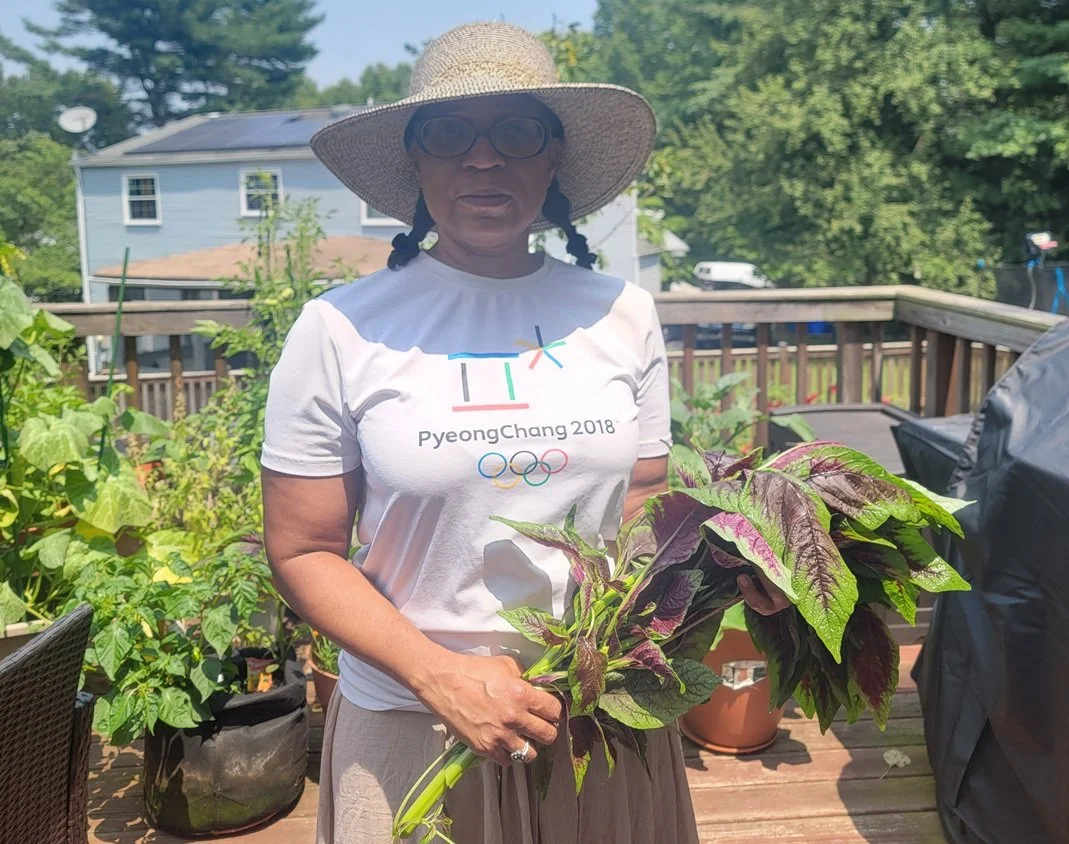
How to Grow Asian Greens in Early Spring

How to Grow Asian Greens in Early Spring

Early spring is an ideal time of year for planting Asian greens. Fast-growing, nutrient-dense, and highly adaptable, they thrive in the cool temperatures that define the start of the gardening season. If you are looking for a reliable way to get fresh harvests weeks before your summer crops are ready, Asian greens deserve a central place in your garden.

Read More

Raised Beds vs In-Ground Gardening: Which is Right for You?

Raised Beds vs In-Ground Gardening: Which is Right for You?

Choosing between raised beds and in-ground gardening might be one of the first major decisions you’ll make when starting (or expanding) your edible garden. And while it’s often framed as an either/or choice, the reality is more nuanced: both methods can be highly productive, sustainable, and beginner-friendly if they match your space, soil, and goals. I use both methods in my own garden for different purposes and have learned over the years what works well in each case.

Read More

Early Spring Gardening Mistakes to Avoid (and What to Do Instead)

Early Spring Gardening Mistakes to Avoid (and What to Do Instead)

Early spring is one of the most exciting times of the gardening year. After months of cold, gray weather, the urge to get outside, plant something, and start fresh is strong. I get it. I’m looking forward to the day I can transplant all the seedlings I’ve started indoors and watch my garden transform into a beautiful display of color and activity. But this kind of enthusiasm almost always leads to decisions that set your garden back instead of moving it forward.

Read More

What to Plant in Early Spring (By Crop Type)

What to Plant in Early Spring (By Crop Type)

Early spring is one of the most hopeful moments in the gardening year. The soil is beginning to warm, seed packets are calling your name, and the days are finally stretching longer. It’s tempting to plant everything at once, especially after a long winter.

But experienced gardeners know something important: early spring is about precision, not enthusiasm.

Read More

Soil Health 101: What to Fix Before Spring Planting

Soil Health 101: What to Fix Before Spring Planting

There’s a moment every gardener experiences: the first warm days of the year when you begin to think, “It’s time.” That feeling of possibility is powerful, but for a truly productive garden, the work that determines success happens before spring planting begins. The secret isn’t seeds or fertilizer; it’s soil.

Read More

DIY Seed-Starting Mixes: Which Ones Work and Which to Skip

DIY Seed-Starting Mixes: Which Ones Work and Which to Skip

It’s seed shopping season, and if you’re like me, you’ve been leafing through garden catalogs and dreaming about your spring garden. Although it’s still miserably cold this time of year where I live, winter is the perfect season for garden planning, including figuring out which seeds you can safely start indoors now. Starting seeds indoors is one of the most satisfying parts of gardening, until your seedlings flop over, stall out, or never germinate at all. A lot of that frustration comes down to the “soil” you used, because seed-starting media is less about feeding plants and more about managing moisture, oxygen, and cleanliness.

Read More

Seed Shopping Smarts: How to Choose Seeds You’ll Actually Grow

Seed Shopping Smarts: How to Choose Seeds You’ll Actually Grow

Although I generally hate winter, there is one thing I always look forward to: receiving seed catalogs in the mail. Many of my weekend mornings from December through February are spent browsing through catalogs with a cup of coffee or tea, jotting down notes for spring gardening in my garden journal, and marking pages in the catalogs to remember what seeds I plan to buy and sow come spring.

Read More