


The Role of Hardscapes in an Eco-Friendly Landscape
/Edible gardens are more than just functional spaces for growing food. They are thriving ecosystems that require careful planning and respect. When designing an outdoor living area, it is easy to assume that built structures and natural gardens are at odds. However, when thoughtfully integrated, a well-planned timber deck can actually enhance your gardening experience. Instead of taking away from your green space, an eco-conscious deck provides a dedicated platform to interact with your garden. This protects vulnerable root systems while giving you a comfortable place to enjoy the fruits of your labour.
The Role of Hardscapes in an Eco-Friendly Landscape
A truly sustainable backyard requires a balance between organic growth and functional design. Built structures, when planned correctly, support the overall health of the garden rather than detracting from it. According to agricultural extension experts at the University of Florida Institute of Food and Agricultural Sciences, choosing the right hardscape structures is a fundamental strategy for creating an environmentally sound, functional, and sustainable landscape. By selecting the appropriate materials and positioning them purposefully, you create an outdoor environment that is ecologically responsible and visually pleasing.
Frames For Your Heart @unsplash
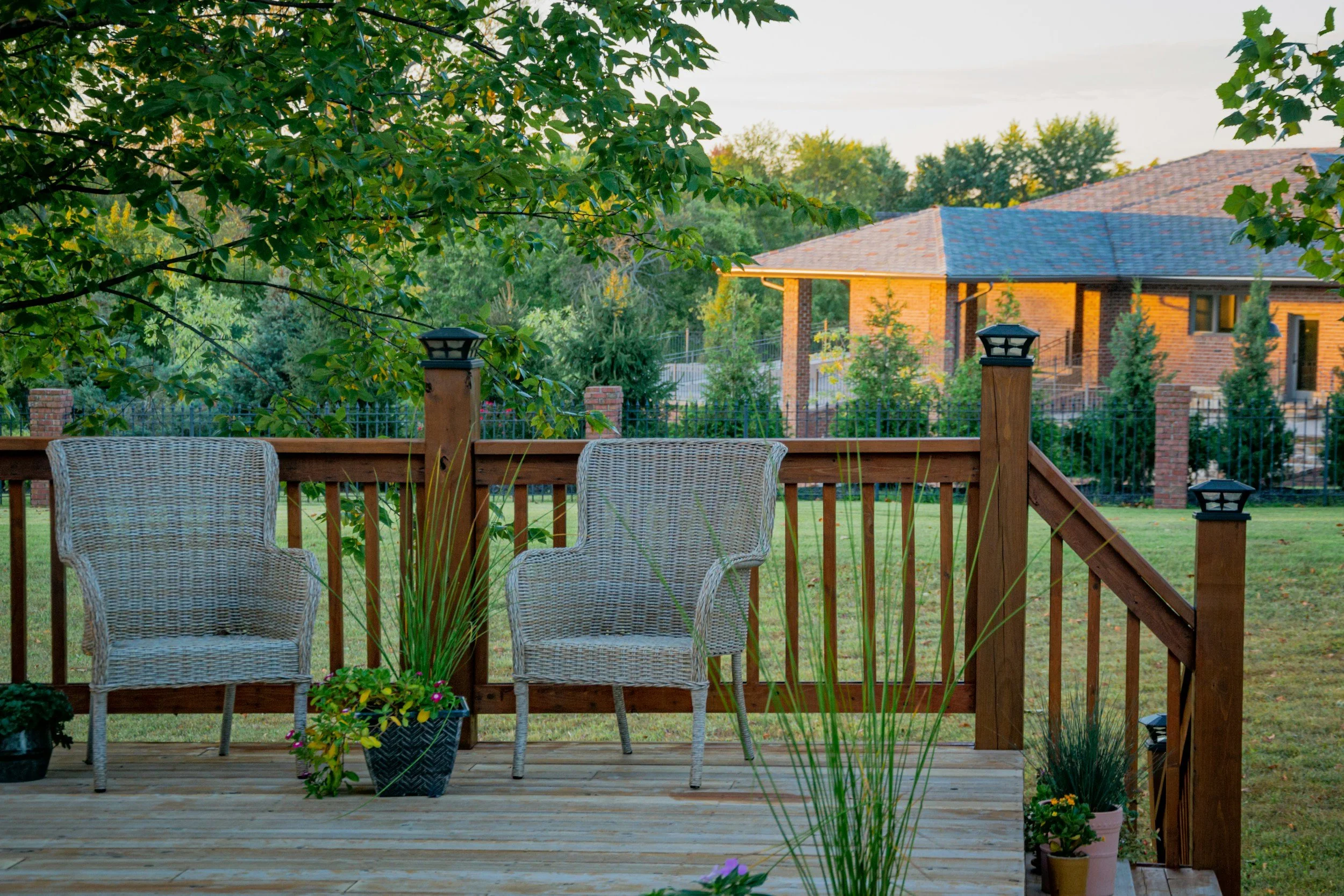
To ensure the structure serves this purpose effectively, it is wise to engage professionals who understand how to work with natural landscapes. For residents in Melbourne’s south east, consulting reputable deck builders clyde homeowners trust can help you design a structure that harmonises with your garden layout rather than dominating it. Their expertise ensures that the natural flow of your backyard is maintained during construction, preventing unnecessary damage to your existing garden beds.
A raised timber deck, for instance, allows water to flow naturally beneath its surface. This prevents the excessive runoff often associated with concrete slabs. This thoughtful integration ensures that your vegetable patches and fruit trees receive adequate hydration without the risk of waterlogging. A strategically placed hardscape also defines the boundaries of your garden, guiding foot traffic and creating distinct zones for different types of cultivation.
Protecting Soil Health and Practising Mindfulness
One of the most significant threats to any edible garden is soil compaction. Heavy foot traffic around garden beds compresses the earth, reducing oxygen levels and making it difficult for roots to access vital nutrients. Compaction also reduces the activity of beneficial earthworms and mycorrhizal fungi, which are essential for robust plant growth. An elevated deck solves this problem by directing human movement above the ground, preserving the delicate soil structure below. This is especially important for the shallow root systems associated with seasonal vegetables and delicate culinary herbs.
Beyond soil health, a thoughtfully placed deck creates a space for mindful observation. Adding a sustainably built timber deck perfectly complements the goal of creating slow gardens for a fast world, giving you a comfortable vantage point to simply pause, rest, and observe the natural rhythms of your edible landscape without disturbing the soil. This dedicated quiet zone allows you to monitor plant growth, track seasonal shifts, and spot early signs of pests from a comfortable distance.
Essential Elements of a Sustainable Garden Deck
If you are planning to build a deck alongside your edible garden, material selection and construction methods are vital. You want to ensure the structure benefits the local ecosystem rather than introducing harmful chemicals or unsustainable materials into the environment. Here are the most important factors to consider during the planning phase:
Sustainably sourced timber: Always choose wood certified by the Forest Stewardship Council (FSC) or similar reputable forestry bodies. This guarantees the timber was harvested using environmentally responsible practices that protect native forests and local wildlife habitats.
Non-toxic treatments and sealants: Since your deck will sit adjacent to food-producing plants, avoid traditional pressure-treated woods that may leach harsh chemicals into the soil over time. Opt for natural oils or eco-friendly water-based sealants to protect your timber.
Permeable spacing: Ensure the deck boards are installed with adequate gaps. This allows rainwater to filter through to the earth below, maintaining the natural hydrological cycle of your backyard and preventing puddles from forming.
Strategic elevation: Building the frame slightly off the ground promotes essential airflow. Good ventilation prevents timber rot while allowing beneficial insects and small wildlife, such as local frogs and lizards, to navigate the undergrowth safely.
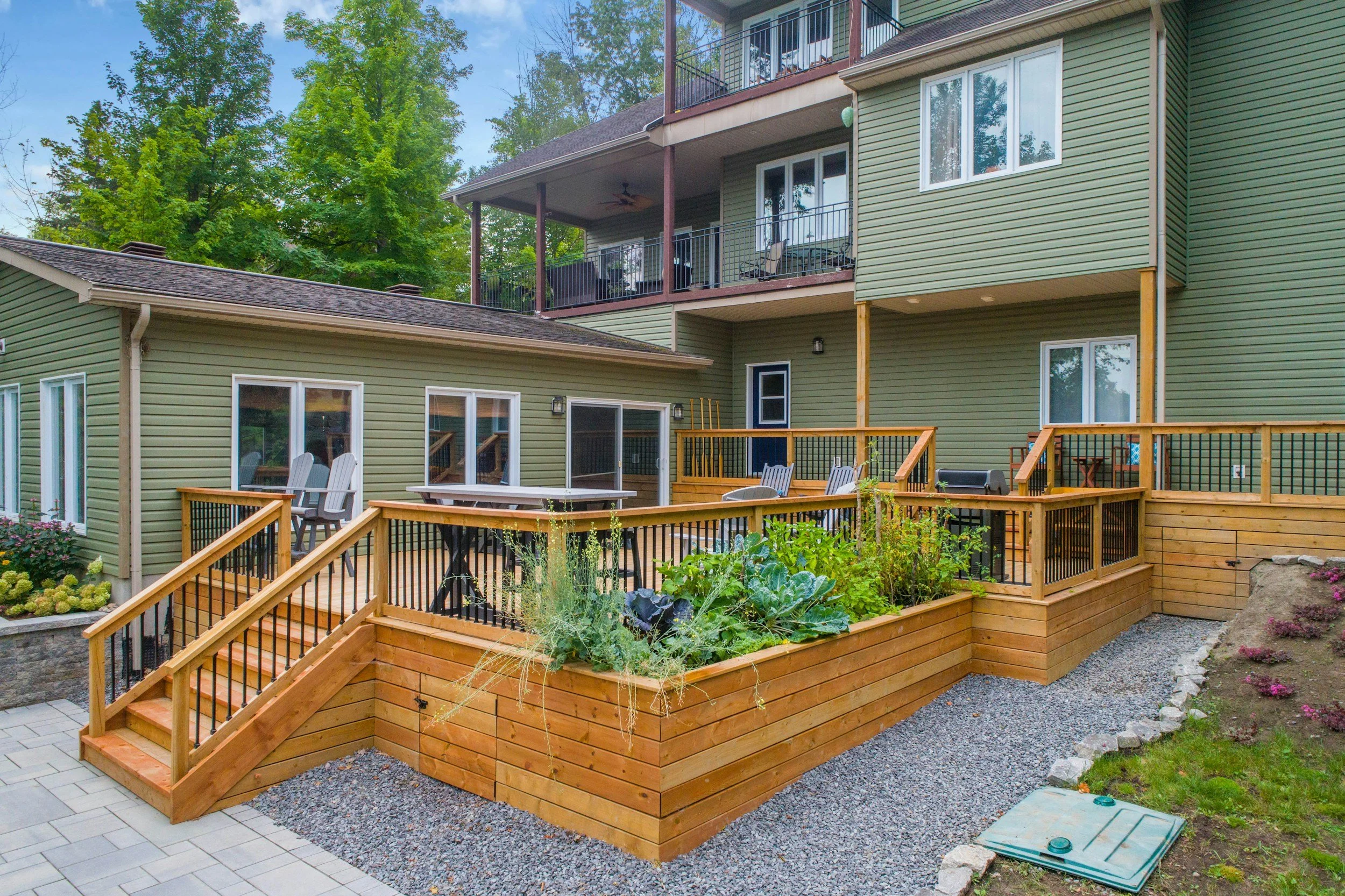
Integration with planter boxes: Consider incorporating built-in timber seating that doubles as raised garden beds. This blurs the line between the built environment and nature, keeping your favourite herbs and leafy greens within arm’s reach.
Mary Jane Duford @unsplash
Fostering a Connection with Your Edible Garden
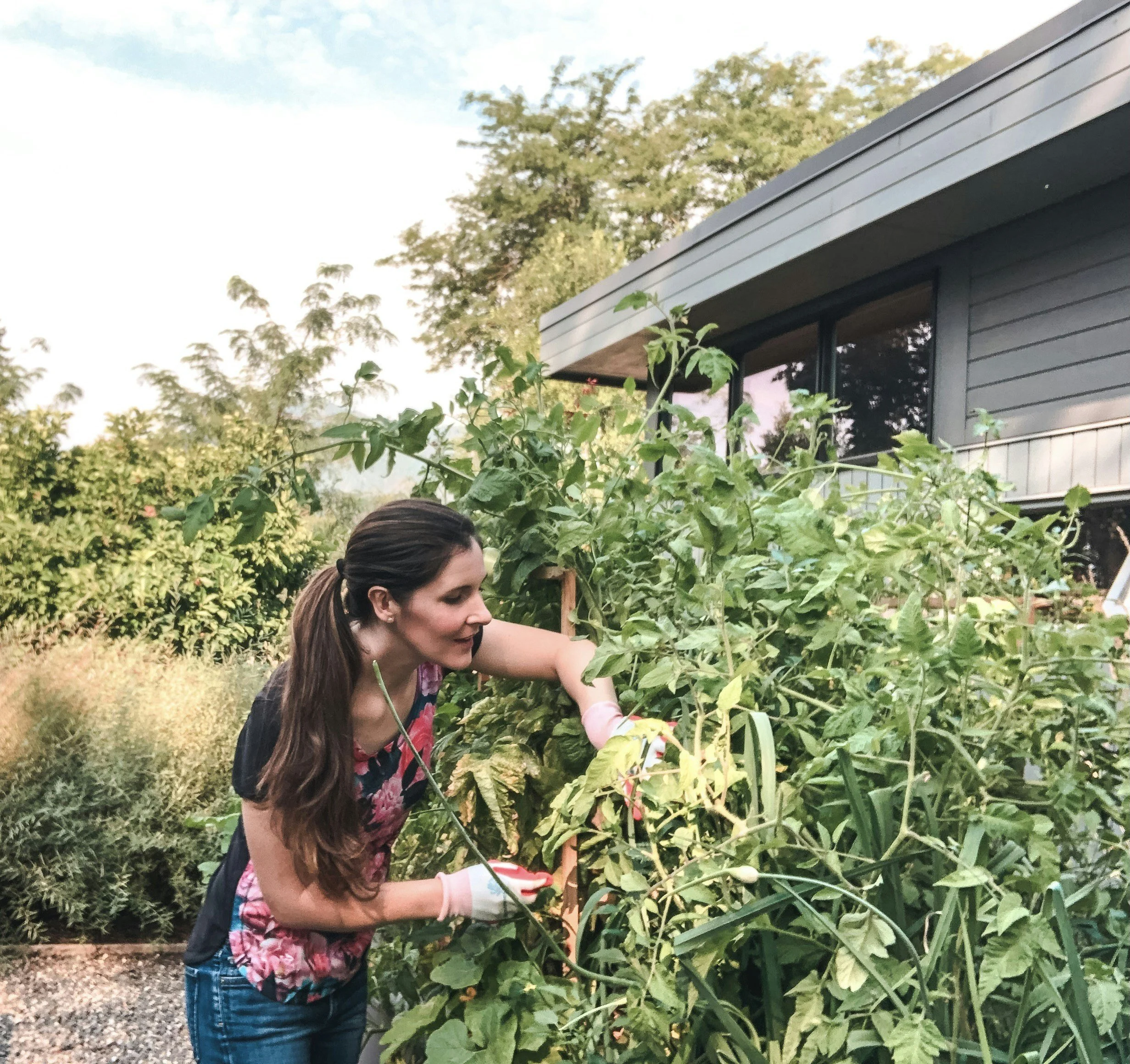
Having a transitional space between your home and your garden encourages you to spend more time outdoors. A deck acts as an open-air extension of your living space, making it easier to step outside for a morning coffee and casually inspect your tomato vines or citrus trees. Spending just ten minutes a day observing your plants can dramatically improve your yield, as you will catch issues like aphid infestations or soil dryness before they become severe. When you remove the physical barriers to accessing your garden, you are much more likely to engage with it on a daily basis.
Furthermore, a well-designed deck can serve as a functional workstation for your gardening tasks. With a sturdy, flat surface, you can easily set up a potting bench, organise your organic fertilisers, or sort through your freshly harvested produce before bringing it inside to the kitchen. This dedicated zone keeps the messy parts of gardening contained while providing a stable area to work on. By keeping your gardening workflow efficient and organised, you free up more of your weekend to actually enjoy the beauty of the plants you have cultivated.
Maximising Small Urban Gardens with Decking
Not everyone has the luxury of a sprawling suburban block. In compact urban environments, every square metre counts. For smaller properties, a well-planned deck can actually maximise your food growing capacity rather than reducing it. By incorporating vertical gardens along the privacy screens of your deck or using the structure to support climbing edibles like passionfruit, beans, or grapes, you effectively create a multi-layered food forest in a limited space.
The structural posts of a deck or pergola provide excellent anchor points for sturdy trellises. This vertical integration means you can grow food upwards, saving ground space for larger crops. Additionally, the microclimates created by the structure of the deck can be harnessed to your advantage. The shaded, cooler area beneath a raised deck might be too dark for sun-loving tomatoes, but it could be the perfect spot for cultivating edible mushrooms or housing a worm farm that turns your kitchen scraps into nutrient-rich compost.
Point3D Commercial Imaging Ltd. @unsplash
A Holistic Garden Design
Designing a backyard that balances human comfort with ecological health does not have to be a complicated compromise. A sustainably built timber deck is much more than a place to host weekend barbecues. It is a vital component of a holistic garden design that protects your delicate soil, encourages mindful observation, and enhances your daily connection to the food you grow. By choosing sustainable materials, adopting eco-friendly construction techniques, and working harmoniously with your natural landscape, you can create an outdoor sanctuary that nourishes both the earth and your personal wellbeing.

About the Author:
Tony Hooton, with 20 years in digital marketing, has worked alongside some of the biggest household names, helping brands connect with audiences in smarter, more meaningful ways. Passionate about creativity, strategy, and the ever-changing online world, he now shares insights, tips, and stories from the frontlines of marketing to inspire businesses of all sizes.