


What to Plant in Early Spring (By Crop Type)
/Early spring is one of the most hopeful moments in the gardening year. The soil is beginning to warm, seed packets are calling your name, and the days are finally stretching longer. It’s tempting to plant everything at once, especially after a long winter.
But experienced gardeners know something important: early spring is about precision, not enthusiasm.
The soil is still cold. Rain can be frequent. Frosts are still possible. Planting the wrong crops too soon often leads to stalled growth, disease pressure, or complete replanting.
The good news? Many crops actually prefer these cool, transitional conditions. If you choose wisely, early spring can be one of your most productive planting windows of the entire year.
Instead of organizing your planting list randomly, think in terms of crop type. When you group vegetables by their temperature tolerance and growth habits, your decisions become much clearer. You’ll avoid wasted space, reduce frustration, and set yourself up for a smooth transition into late spring and summer planting.
Let’s walk through exactly what belongs in the ground now and why.
David Lang @unsplash
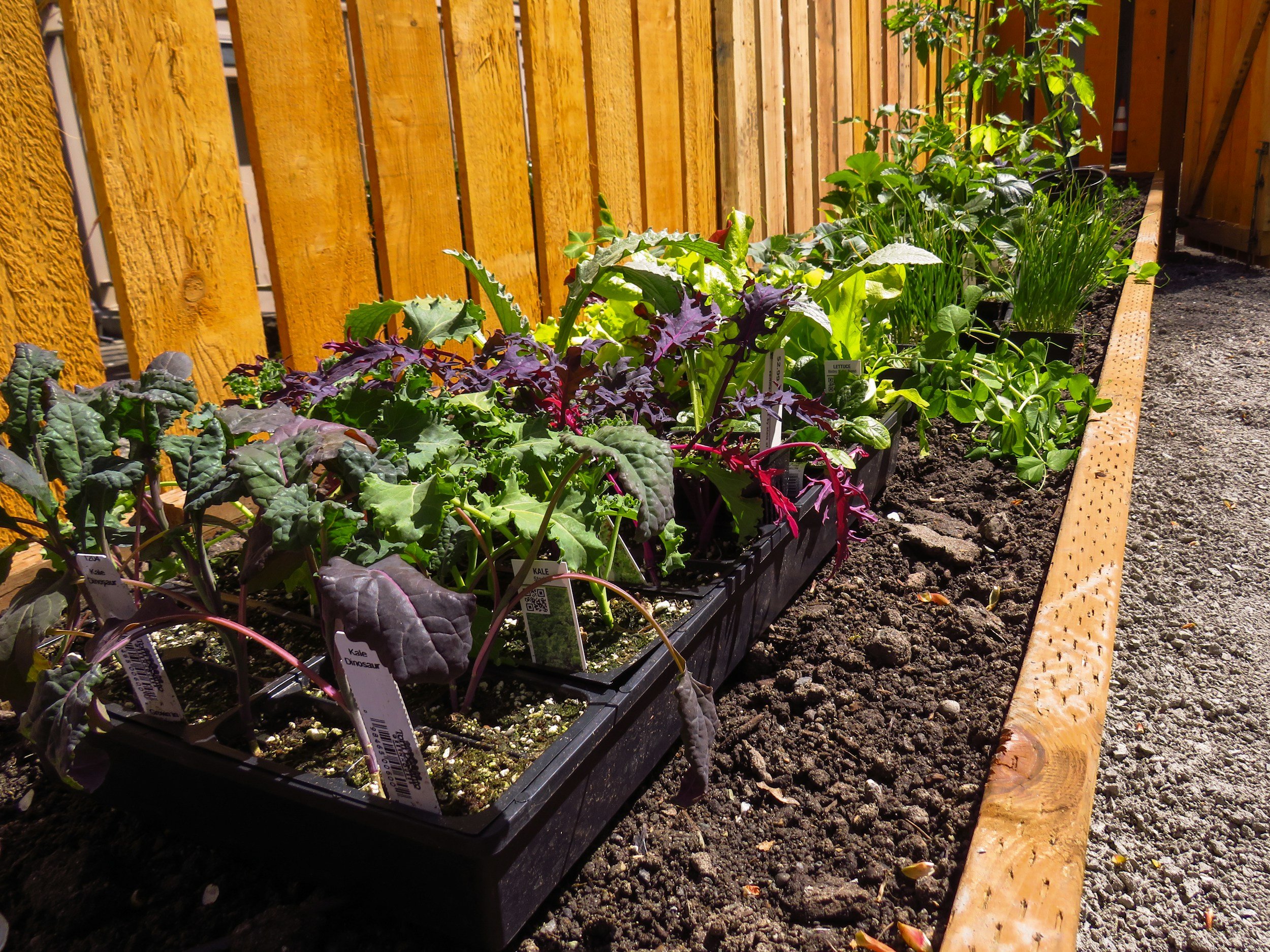
1. Cold-Hardy Leafy Greens
These are your early spring champions. Most leafy greens germinate in cool soil (as low as 40–45°F) and tolerate light frosts without issue.
Plant these first:
Lettuce
Spinach
Kale
Swiss chard
Arugula
Mustard greens
Why they work now:
Leafy greens prefer soil temperatures between 40–65°F. In fact, once temperatures rise consistently above 75°F, many will bolt. Early planting extends your harvest window.
Planting tip:
Direct sow most greens. Keep soil evenly moist during germination. If heavy rain is expected, consider row cover to prevent soil crusting.
2. Cool-Season Root Crops
Root crops love cool soil and often taste sweeter when grown in spring.
Plant these early:
Radishes
Carrots
Beets
Turnips
Parsnips
Why they work now:
Cool temperatures encourage steady root development. Hot weather can make roots woody or overly spicy (especially radishes).
Planting tip:
Loosen soil at least 8–10 inches deep before planting carrots and parsnips. Early spring soil is often compacted from winter moisture, so this step matters.
3. Alliums (Onions, Garlic, Leeks)
Alliums are remarkably tolerant of cool weather.
Early spring options:
Onion sets or transplants
Leeks
Shallots
Spring-planted garlic (in some regions)
Why they work now:
They establish roots in cool soil and then bulk up as days lengthen. Onions are especially sensitive to day length, so planting early gives them more time to grow before bulbing begins.
Planting tip:
Avoid overly wet soil. Alliums dislike soggy conditions and can rot if drainage is poor.
4. Peas (A True Early Crop)
Peas are one of the earliest crops you can plant.
Varieties to consider:
Snap peas
Snow peas
Shelling peas
Why they work now:
Peas germinate in soil temperatures as low as 40°F and thrive in air temperatures between 55–70°F. Once consistent heat arrives, production declines.
Planting tip:
Install trellising at planting time, not later. Disturbing roots after establishment can reduce yields.
5. Brassicas (Transplants)
Brassicas tolerate cool conditions extremely well—but most are better started indoors and transplanted.
Plant out in early spring:
Broccoli
Cabbage
Cauliflower
Brussels sprouts
Kohlrabi
Why they work now:
They mature best in cool weather. High heat during head formation can reduce quality.
Planting tip:
Harden off transplants gradually before planting outside. Early spring wind and temperature swings can stress seedlings.
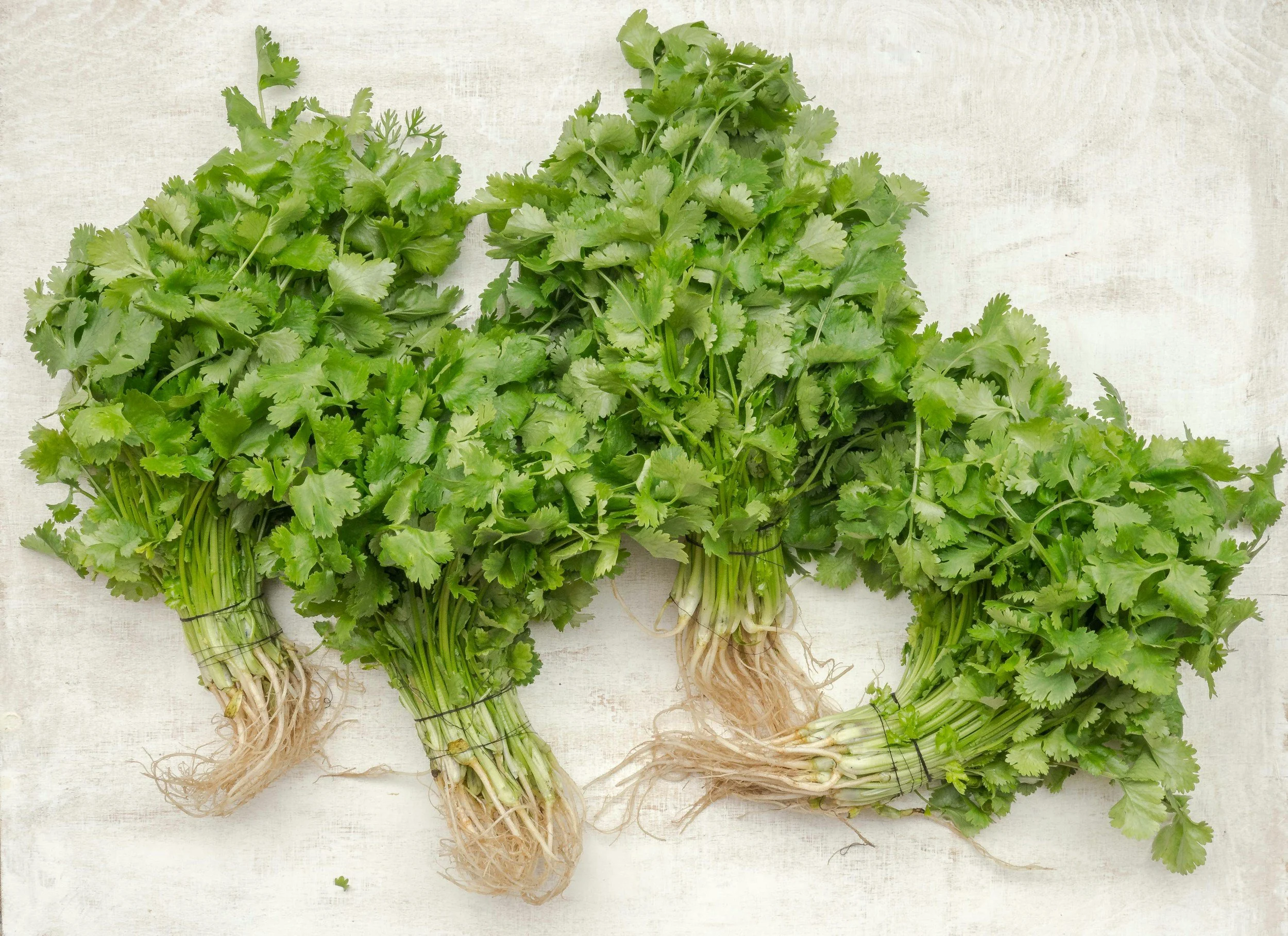
6. Herbs That Prefer Cool Weather
Many culinary herbs thrive before summer heat arrives.
Plant now:
Cilantro
Parsley
Dill
Chives
Magdalena Olszewska @unsplash
Why they work now:
Cilantro and dill bolt quickly in warm temperatures. Early planting provides usable harvests before flowering.
Planting tip:
Succession sow cilantro every 2–3 weeks to extend harvest.
What Not to Plant Yet
This is just as important.
Avoid planting warm-season crops until your soil temperature consistently reaches at least 60°F (often 65–70°F for best results).
Hold off on:
Tomatoes
Peppers
Eggplant
Cucumbers
Squash
Beans
Planting these too early leads to stunted growth, root stress, and delayed harvest.
Early spring success is less about planting everything and more about planting the right things.
How to Decide What to Plant This Week
Early spring planting decisions should be based on data, not guesswork.
Here are four practical checks you can make before planting anything:
1. Check Your Soil Temperature
Air temperature can be misleading. A few warm afternoons do not mean your soil is ready. Many cool-season crops germinate at 40–45°F, but warm-season crops need soil consistently above 60°F. A simple soil thermometer takes the uncertainty out of the equation.
2. Assess Soil Moisture
Spring soil is often saturated from snowmelt or heavy rain. Working soil that is too wet causes compaction, which restricts root growth for the entire season. If soil sticks heavily to your shovel, wait.
3. Watch the 10-Day Forecast
One light frost is rarely a problem for cold-hardy crops. A late hard freeze (below 25°F), however, may require temporary row cover protection.
4. Know Your Frost Date, But Don’t Worship It
Your average last frost date is a guideline, not a guarantee. Some years run early, some late. Instead of counting down days mechanically, combine frost data with soil temperature and weather patterns.
When you use all four indicators together, you plant with confidence instead of anxiety.
Early Spring Strategy: Layer Your Season
One of the most common beginner mistakes is planting everything at once. This leads to overcrowding, overwhelming harvests, and empty beds later in the season.
A layered planting strategy solves this.
Think of your garden in phases:
Phase 1: Cool-Season Foundation
Greens, peas, root crops, and brassicas establish first. These crops take advantage of cool temperatures and lengthening daylight.
Phase 2: Transitional Plantings
As soil warms into the mid-50s, you can add potatoes, hardy herbs, and additional succession sowings of greens.
Phase 3: Warm-Season Transition
Once soil reaches 60–65°F consistently, warm-season crops take over the space vacated by harvested spring crops.
This staggered approach:
Extends your harvest window
Reduces pest pressure
Maximizes bed efficiency
Prevents burnout
Early spring crops are not just an appetizer before “real gardening” begins. They are a critical productivity layer in a well-designed food garden.
When you think in terms of transitions instead of one big planting weekend, your entire season flows more smoothly.
Gardening Is Much Easier When You Have a Plan
Here’s what most gardeners don’t realize until they’ve struggled for a few seasons: spring stress rarely comes from gardening itself. It comes from uncertainty.

like this? please pin!
Questions like:
Should I plant this now or wait?
Did I start too early?
Why is this crop failing?
What should go in this empty space next?
Without a system, every decision feels urgent. A structured garden plan eliminates that pressure.
When you know:
Your frost dates
Your soil warming patterns
Your crop categories
Your planting windows
Your succession strategy
You stop reacting to the season and start directing it.
That shift from reactive to intentional is where gardening becomes deeply satisfying instead of chaotic.
And that’s exactly what I teach inside my courses. Not just what to plant, but how to think about your garden in a structured, seasonal way. If you want this to be the year your garden finally feels organized and productive instead of rushed and uncertain, I’d love to guide you through it.
If you’re brand new to growing food, start with The Art of Food Gardening, my free foundational course. It consists of 7 written lessons and emails. It walks you through:
Planning your space
Understanding soil basics
Choosing crops wisely
Avoiding beginner mistakes
If you’re ready to go deeper and want a structured, step-by-step system, my paid video course The Edible Food Garden gives you a full blueprint for planning, planting, maintaining, and harvesting a productive food garden. You can complete the whole course within 2 hours.
And if space is limited, or you prefer growing in containers, Container Garden Like a Pro shows you exactly how to grow real food successfully in pots, balconies, patios, and small yards. It contains 24 video lessons and as well as cheat sheets, checklists, guides and other bonus materials.
No guesswork.
No random planting.
No wasted space.
Just a clear plan.
Your Next Step
If you’re reading this because you want this season to be more productive and less stressful, then now is the perfect time to start: before the rush of late spring arrives. Before the garden centers sell out. Before overwhelm sets in.
Start with The Art of Food Gardening (free) to learn the basics. Then enroll in The Edible Food Garden or Container Garden Like a Pro and follow a proven plan from day one.
Spring preparation determines summer success.
You can keep guessing your way through the season. Or you can follow a proven, step-by-step framework and grow with confidence.
This can be your most successful growing season yet!