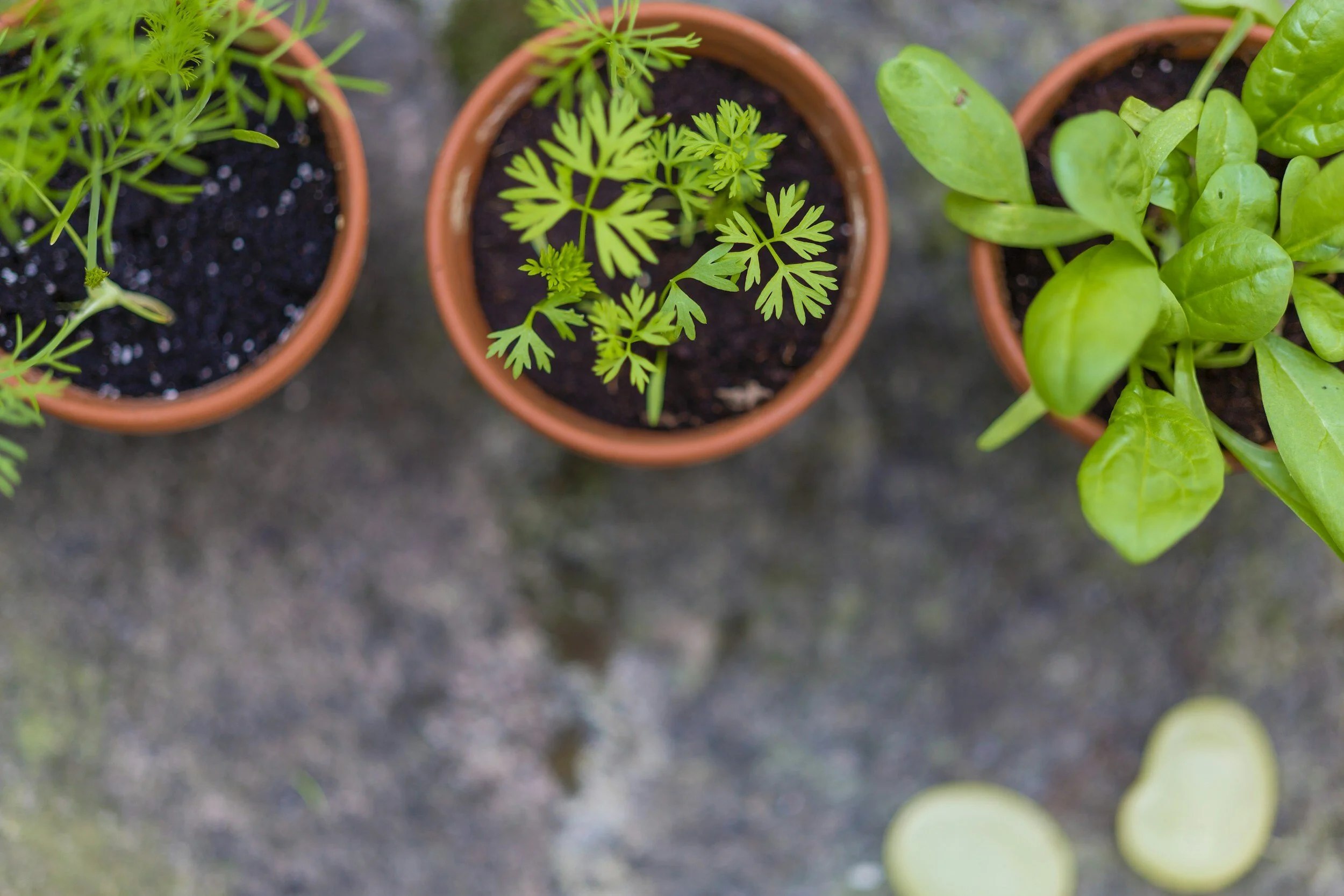



How to Start an Edible Garden Without Feeling Overwhelmed
/Starting an edible garden can feel exciting and overwhelming at the same time. You might be drawn to the idea of growing your own food, but unsure where to begin, what to plant, or whether you can really make it work with the space, time, and energy you have right now. If that sounds familiar, you are not alone.
Many people come to edible gardening as beginners, even if they have tried growing a few things before. Maybe you planted tomatoes one summer and they struggled. Maybe you bought seedlings with the best intentions and then life got busy. Or maybe you are starting completely from scratch and just want a clear, realistic place to begin. This guide is for all of those starting points.
Edible gardening doesn’t require a large backyard, expensive tools, or perfect conditions. It’s not about doing everything at once or growing all your own food. At its core, edible gardening is simply the practice of growing plants you can eat, in a way that fits your space and your life. When approached thoughtfully, it can be surprisingly manageable and deeply rewarding.
In this beginner’s guide, you will learn how to start an edible garden step by step. We’ll focus on practical choices, common pitfalls to avoid, and simple ways to set yourself up for success, whether you are planting your very first seeds or trying again with a little more clarity and confidence.
What Is Edible Gardening? (and Why It’s Easier Than You Think)
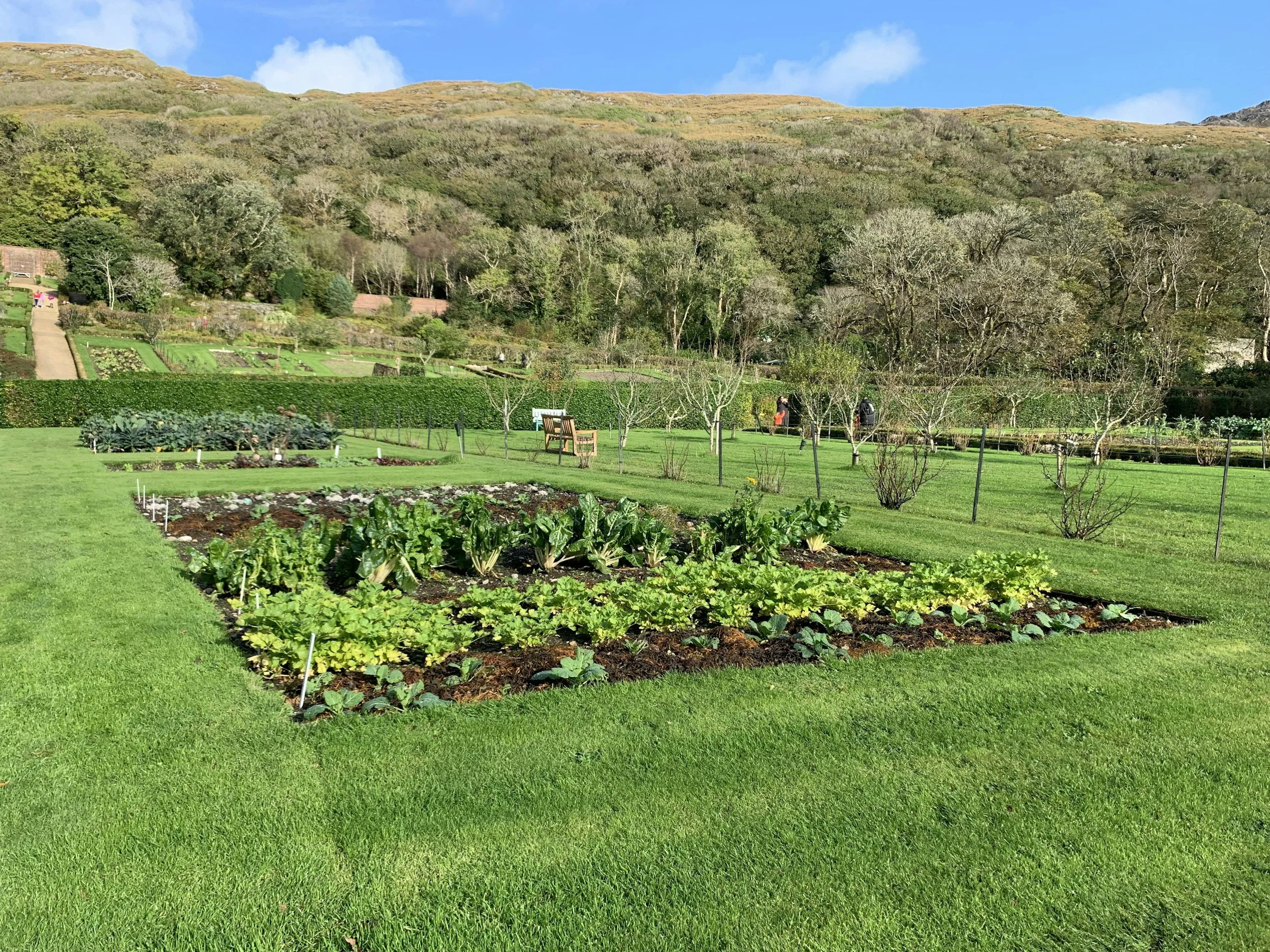
Edible gardening is any form of gardening where the goal is to grow food you can eat. That might include vegetables, herbs, fruits, or even edible flowers. An edible garden can be as small as a few pots on a balcony or as expansive as a backyard plot, but the scale doesn’t determine whether it “counts.”
One of the biggest misconceptions beginners have is that edible gardening has to look a certain way. You can’t be blamed for thinking so ¾ just look at all of those social-media posts of fabulous-looking gardens that seem strangely immune from pests, bad weather and gardeners’ mistakes. In reality, edible gardening is highly flexible, and what’s right for your space may not work for someone else’s. It doesn’t really matter what kind of space you have to work with. You can grow food in containers, raised beds, traditional garden rows, or even indoors. Your garden can be planted in neat rows or in messy scattershot. You can grow one or two crops that you love or slowly expand over time. There’s really no single right way to do it.
Edible gardening is also different from ornamental gardening in an important way. The goal is not perfection or appearance, but usefulness and nourishment. A slightly misshapen carrot or a basil plant with a few chewed leaves is still a success if it feeds you. This mindset shift alone makes edible gardening feel much more approachable, especially for beginners.
If you have ever felt intimidated by gardening advice that assumes unlimited space, ideal soil, or years of experience, edible gardening offers a more realistic entry point. By focusing on what you can grow where you are, and starting with manageable goals, growing food at home becomes far less complicated than it first appears.
Common Beginner Myths That Stop People from Growing Food
Many people don’t avoid edible gardening because they aren’t interested. They avoid it because they believe it won’t work for them. Over time, a handful of persistent myths have made growing food at home feel harder, more expensive, or more time-consuming than it actually is.
Let’s take a look at some of the most common beliefs that hold beginners back, and why they don’t have to stop you from starting an edible garden.
“I Don’t Have Enough Space to Grow Food”
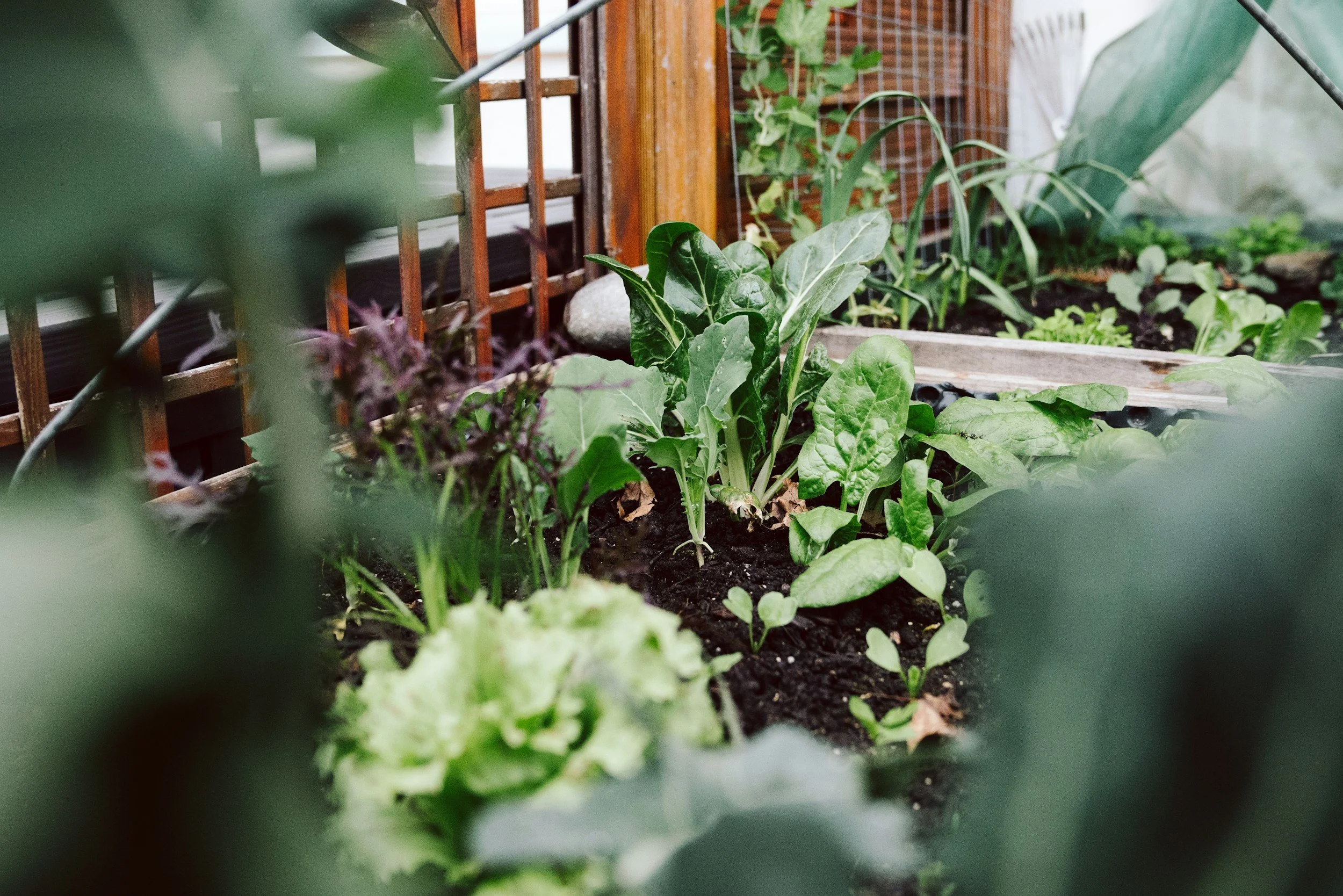
This is one of the most common reasons people give for not starting an edible garden, and it is also one of the least accurate. While having a big backyard can be helpful, it is not a requirement for growing food at home.
Many edible plants grow very well in containers, raised beds, or small, defined spaces. Leafy greens, herbs, peppers, and even tomatoes can thrive on patios, balconies, and porches when given enough light and the right container. Indoor growing options make it possible to grow certain crops year-round, even without outdoor space.
What matters most is not how much space you have, but how you use it. Starting with the space you already have, instead of waiting for “ideal” conditions, is often the key to long-term success.
“I Don’t Have a Green Thumb”
The idea of a “green thumb” suggests that some people are naturally good at gardening and others just aren’t. In reality, successful edible gardening has far more to do with observation and consistency than talent.
Plants respond to light, water, nutrients, and temperature. When something goes wrong, it is usually because one of those factors is off, not because the gardener lacks ability. Learning to grow food is a process of noticing what works, adjusting when it doesn’t, and building experience over time.
Most confident gardeners are not born that way. They are people who tried, made mistakes, learned from them, and kept going. Edible gardening is a skill, and like any skill, it improves with practice.
“I Don’t Have Enough Time”
Many beginners assume that growing food requires hours of daily attention. While gardens do need regular care, they do not need constant attention to be productive. There are also ways that you can automate some processes to save time and energy, like using self-watering plant stakes or a simple irrigation system to make sure your plants don’t dry out.
A small edible garden can often be maintained with a short check-in each day, especially when it is designed with simplicity in mind. Choosing easy-to-grow crops, using containers or raised beds, and watering consistently can significantly reduce the time commitment.
In fact, one of the most common beginner mistakes is starting too big. Beginning with a small, manageable garden makes it much easier to fit edible gardening into your routine, rather than feeling like it is another overwhelming obligation.
“It’s Too Expensive to Start”
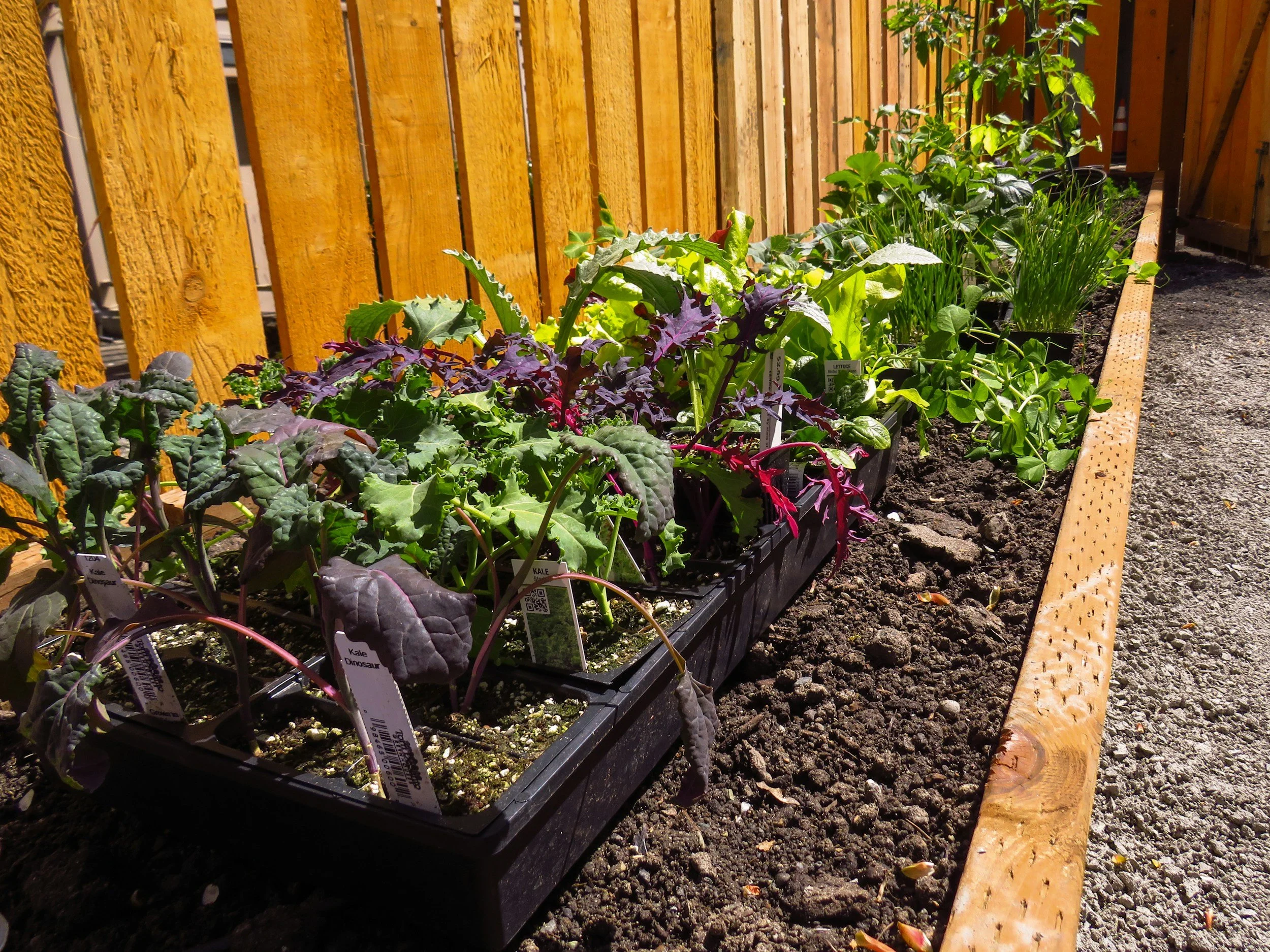
Edible gardening can be as inexpensive or as costly as you make it. While garden centers and online catalogs are full of tempting tools and accessories, very few of them are actually necessary for beginners.
At its most basic, an edible garden needs seeds or seedlings, a place to grow, and something to grow them in. Many gardeners reuse containers, start small, and gradually invest as they learn what works for them. Growing even a modest amount of food at home can offset grocery costs over time, especially when you focus on crops you buy regularly.
Approaching edible gardening with a sustainable, budget-conscious mindset helps keep costs under control and makes the process more enjoyable.
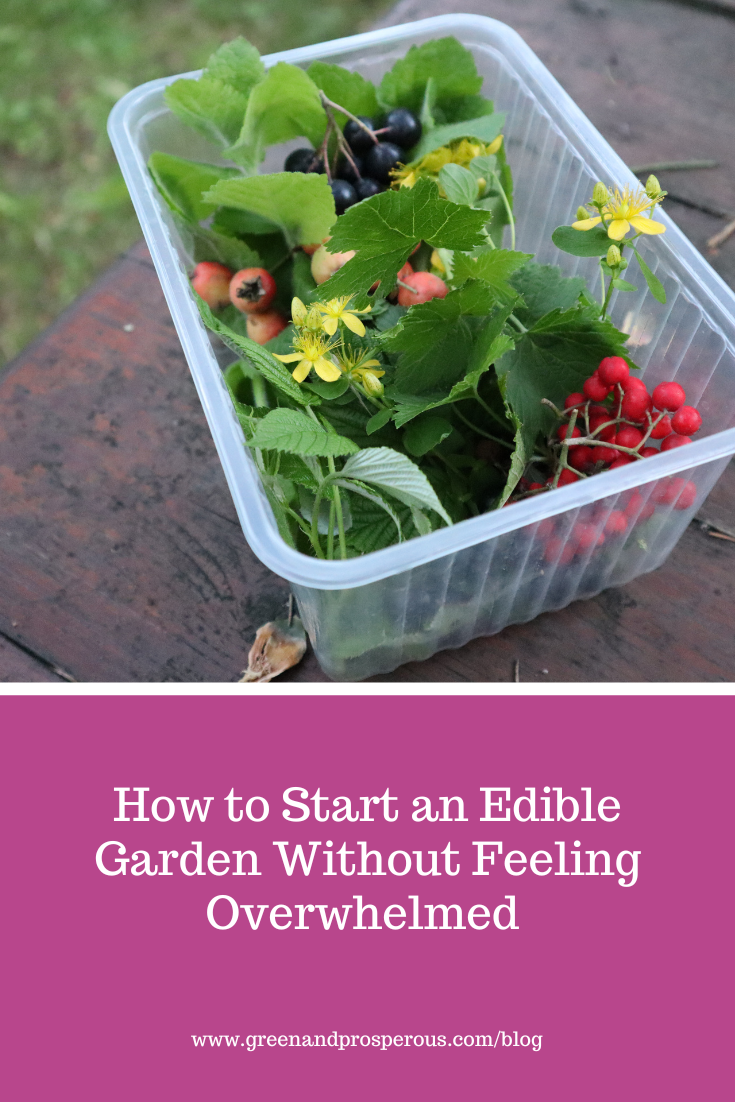
like this? please pin!
“I Tried Gardening Before and It Didn’t Work”
This belief is especially common among people who technically are not beginners but feel like they are starting over. A past failure can make it easy to assume that gardening just isn’t for you.
In reality, many first attempts fail because of factors that have nothing to do with effort or interest, such as poor timing, mismatched plants, or unrealistic expectations. Edible gardening often works best when it is approached gradually, with clear goals and a willingness to adjust based on what you learn.
Trying again with a simpler plan and better information is not starting over from zero. It is building on experience, even if that experience was frustrating at the time.
Why Letting Go of These Myths Matters
These myths tend to create a mental barrier that stops people from ever getting started, or from trying again after a disappointing season. Once those barriers are removed, edible gardening becomes much more approachable.
The goal is not to grow everything perfectly. It is to grow something, learn from it, and build confidence along the way. With that mindset in place, the next step is understanding how to start an edible garden in a way that fits your space, your goals, and your lifestyle.
You may also be interested in…
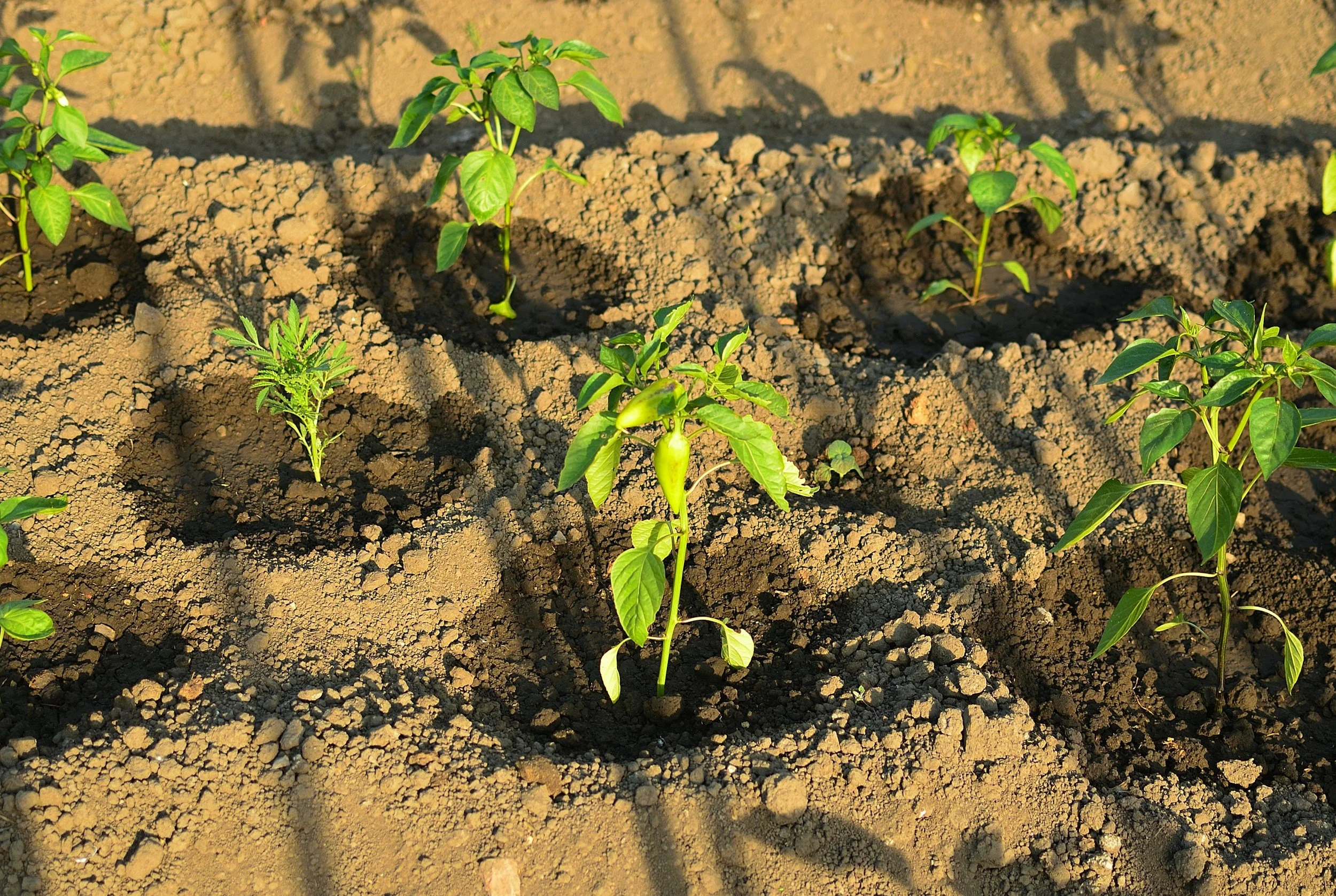


Summer is when a vegetable garden really begins to reveal the results of all the planning, planting, and care that went into spring planting. Tomatoes and eggplants begin ripening, cucumbers swell on their trellises, peppers fill out, and herbs seem to grow faster than you can harvest them. Yet this is also the point in the season when many gardens begin to lose momentum. Heat stress, inconsistent watering, nutrient deficiencies, weeds, and pests can quickly reduce yields if they are not addressed.