


7 Ways to Support Pollinators When You Don't Have a Garden
/Pollinators are responsible for one in every three bites of food we eat. Around 87% of flowering plant species and 87 of the world's leading food crops depend on them for reproduction. Yet approximately 40% of invertebrate pollinators are now at risk of extinction, with habitat destruction and pesticide use identified as the primary drivers of their decline.
Most advice on supporting pollinators assumes you have outdoor space to work with. Many people don't. These ten steps work regardless of whether you have a garden, a balcony, or just a windowsill.
Skyler Ewing @unsplash
1. Set out a water source
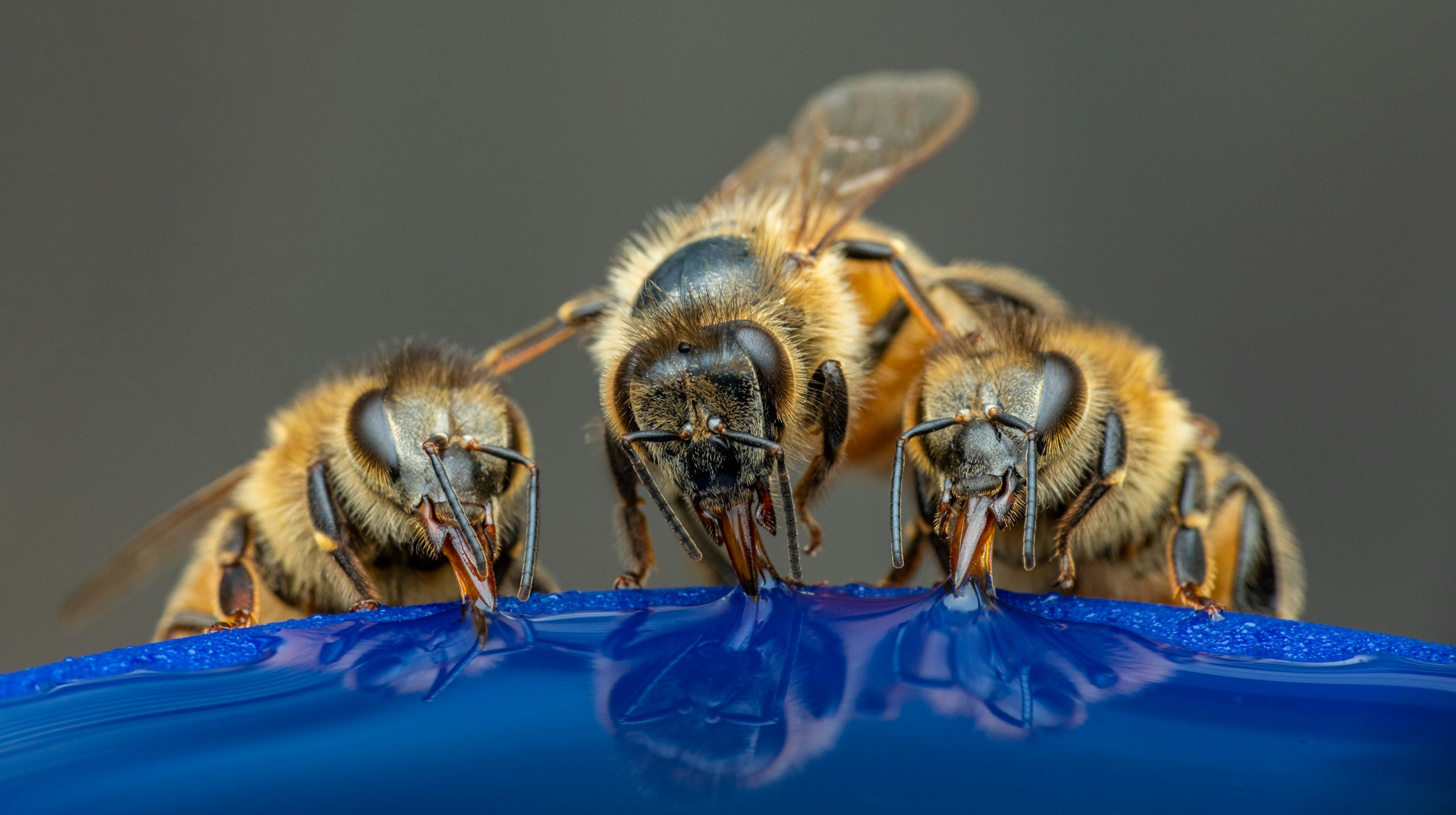
Bees need water as much as they need nectar, and clean sources are scarce in urban areas. A shallow dish or saucer with a few pebbles for landing spots is enough. Place it somewhere sheltered, keep it topped up, and change the water every couple of days to stop it going stagnant. In hot weather, outdoor water sources dry out quickly, so this is one of those habits worth building into a daily routine.
2. Grow a pot or window box
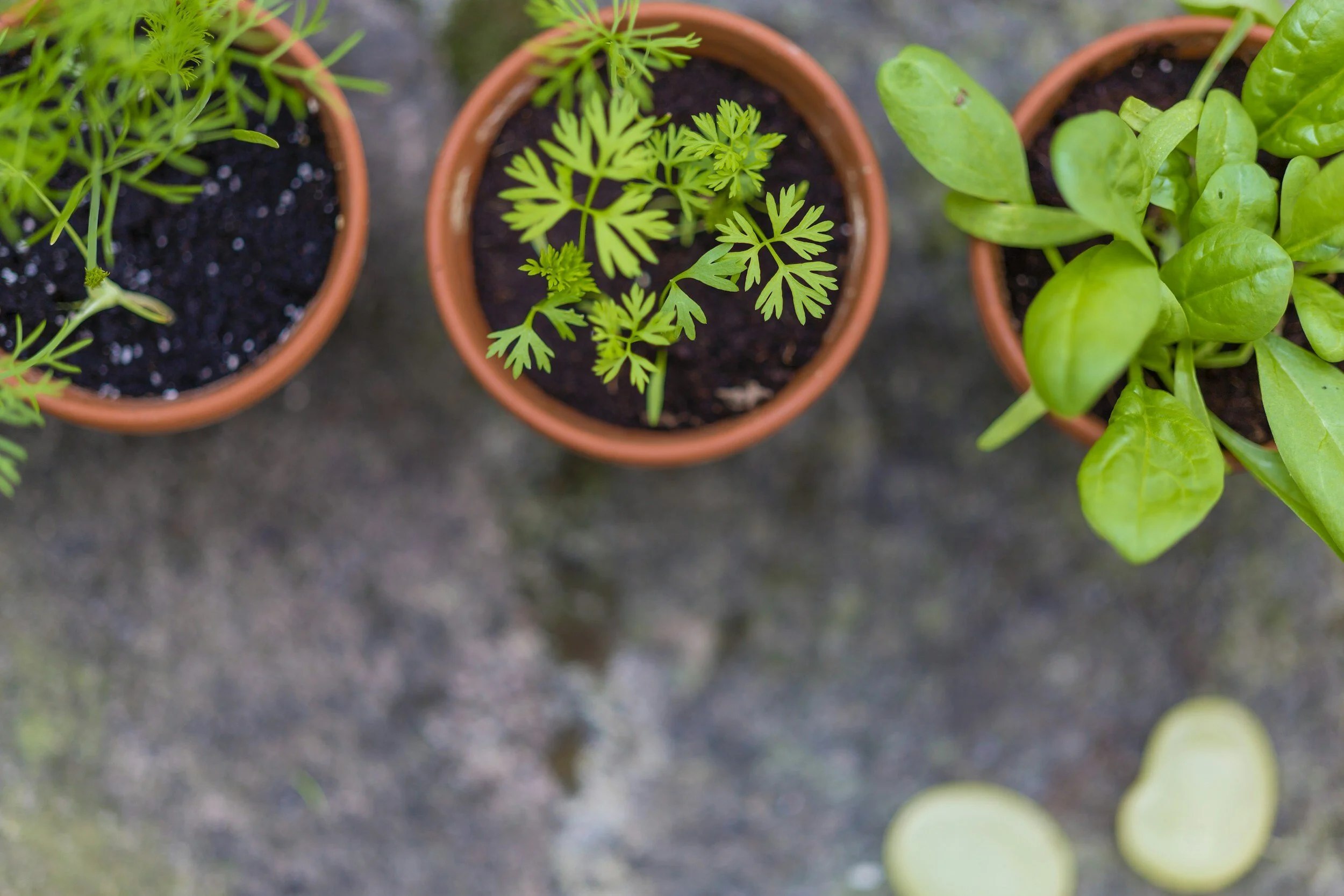
A single container can make a genuine difference. Lavender, thyme, borage, and salvia are all highly attractive to bees and manageable in small spaces. The Pollinator Partnership's window box tool lets you select plants by ecoregion, which helps if you want to prioritise species native to your area. If you can, choose a mix of plants with different flowering times rather than varieties that all bloom at once. Pollinators need food across the whole season, not just in midsummer.
3. Check plants for pesticide treatment before you buy
According to the Xerces Society, many ornamental plants sold at garden centres are pre-treated with systemic pesticides, including neonicotinoids. These persist in nectar and pollen long after planting, and bees that forage from treated plants can carry those chemicals back to the hive. Look for plants grown without pesticide treatment, or source from growers who are transparent about their methods. When in doubt, ask before you buy.
4. Switch to seed paper for cards and stationery
Greetings cards and invitations are used once and thrown away. Seed paper changes that. Made from recycled paper embedded with wildflower seeds, it can be planted after use and grows into flowering plants that feed bees and other pollinators. SeedPrint produces plantable cards, wedding stationery, and business materials using this method, meaning a birthday card or thank-you note ends up as a patch of flowers rather than in a bin. The recipient needs nothing more than a pot of soil and some water.
5. Buy from local beekeepers
Supporting local beekeepers keeps managed bee populations healthy and funds the work that maintains hive health. Local raw honey is also less processed than mass-produced alternatives. Farmers markets are the most reliable place to find it. The Bumblebee Conservation Trust maintains resources on supporting wild bee populations alongside managed hives, which is worth reading if you want a fuller picture of where your purchasing decisions have most effect.
6. Choose organic produce where you can
Buying organic reduces demand for the pesticides that are measurably harming pollinator populations. It does not need to be an all-or-nothing decision. Prioritising organic varieties for thin-skinned fruits and vegetables, which tend to carry higher pesticide residues, is a practical starting point if budget is a constraint.
Mika Baumeister @unsplash
7. Put up a bee hotel
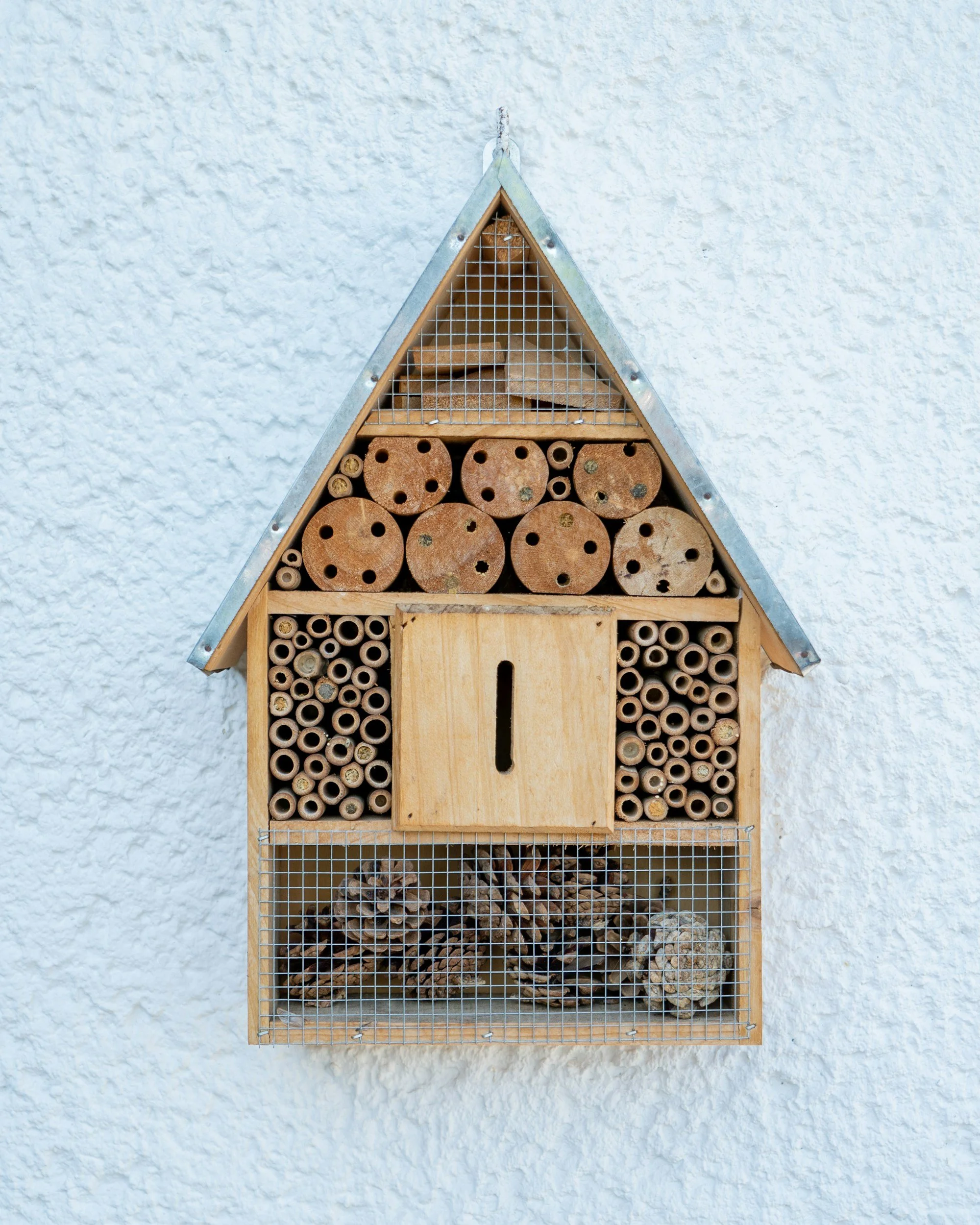
Solitary bees account for the vast majority of bee species, and they do not live in hives. They nest alone, in hollow stems, holes in wood, or crevices in walls. A bee hotel provides ready-made nesting sites and can be hung almost anywhere: a fence, a wall, a balcony railing. They are inexpensive to buy and easy to make from bundles of bamboo cane. Face it south or south-east, in a sheltered spot, and position it at least a metre off the ground.
8. Embrace a no-mow patch
If you have any access to a patch of grass, including a shared green or a communal area, consider leaving part of it unmown for as long as you can manage. Research from Plantlife found that unmown lawns produced five times more nectar sugar than regularly cut ones. Clover, dandelions, and self-heal (aso known as woundwort), all plants that most people treat as weeds, are among the most valuable forage plants for bees. What looks untidy is, from a pollinator's perspective, a well-stocked larder.
9. Talk to your employer or building management
If you work in an office with grounds, or live in a building with communal outdoor space, it is worth raising the question of how that space is managed. Many corporate campuses and housing developments default to close-mown grass and ornamental planting that offers pollinators almost nothing. A few wildflower planters, a reduced mowing schedule, or a bee hotel on a south-facing wall costs very little and can make a measurable difference. The conversation has to start somewhere.
10. Back a pollinator conservation organisation
Individual actions matter, but they do not replace the habitat restoration and policy work carried out by dedicated organisations. The Xerces Society, the Pollinator Partnership, and the Bumblebee Conservation Trust all fund research and run programmes that benefit wild pollinator populations at a scale no individual can replicate. A regular small donation funds work that compounds over time.
About the Author:
Tom Willday is the founder of SeedPrint, a manufacturer of plantable seed paper products. SeedPrint’s stationery, greetings cards, business cards, and wedding invitations are made from fully recycled paper embedded with native wildflower seeds that break down in soil, turning everyday paper products into pollinator habitat
Frequently asked questions
-
Urban areas are often better for pollinators than intensively farmed countryside. Cities tend to have a greater diversity of flowering plants, less pesticide use, and more varied habitats than monoculture farmland. Urban beekeeping has grown substantially over the past decade. But urban pollinators still face real pressures: habitat fragmentation, heat, light pollution, and lack of nesting sites. The actions above apply just as much to city dwellers as to anyone else.
-
Yes, provided it is planted correctly. The paper breaks down in moist soil and releases the seeds embedded in it during production. Germination rates depend on seed type, planting depth, and conditions, but wildflower seed paper from reputable producers is designed to work in ordinary garden soil or a pot. Spring planting gives the best results, though many varieties will establish from an autumn planting too.
-
Bumblebees and solitary bees are under the most acute pressure. Some bumblebee species have disappeared from large parts of their former range within living memory. Solitary bees, which include over 250 species in the UK alone, are less studied and often overlooked, but face significant habitat loss. Butterflies and hoverflies are also declining across much of the northern hemisphere. Both are important pollinators, and neither gets the attention given to bees.
-
On his or her own, not much. Collectively, a great deal. The cumulative area of private gardens in the UK is larger than all designated nature reserves combined. If even a fraction of those gardens, balconies, and windowsills were managed with pollinators in mind, the effect on available habitat would be substantial. And individual action multiplies when it spreads: neighbours, employers, and schools all represent opportunities to extend the reach of whatever you do at home.
You may also be interested in…
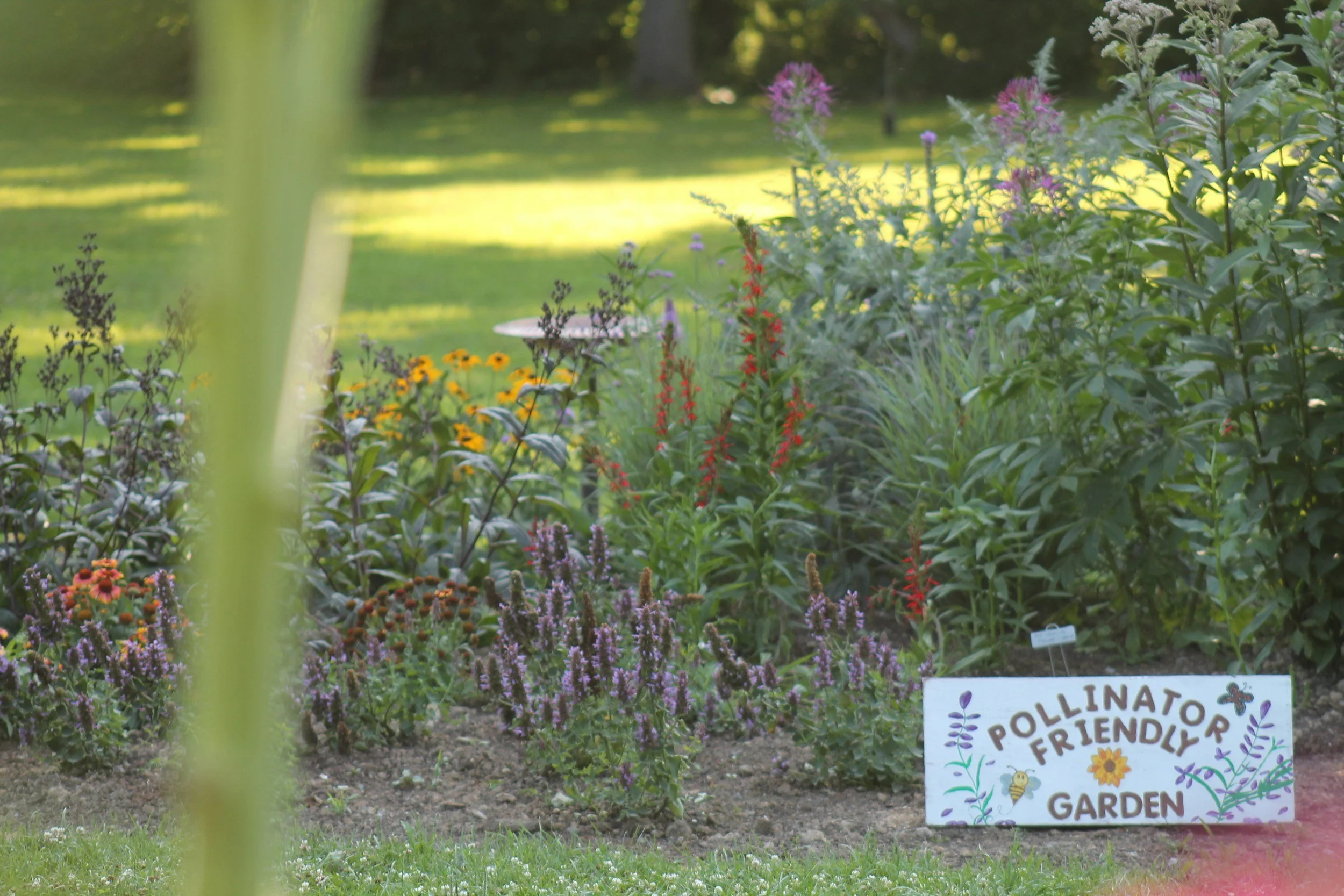



Pollinators are responsible for one in every three bites of food we eat. Around 87% of flowering plant species and 87 of the world's leading food crops depend on them for reproduction. Yet approximately 40% of invertebrate pollinators are now at risk of extinction, with habitat destruction and pesticide use identified as the primary drivers of their decline.