


How to Grow Peas Successfully (Even in Partial Sun)
/Peas are one of the most rewarding crops you can grow in an edible garden. These cool-season crops are fast-growing, nutrient-rich, and one of the earliest harvests of the season. But if you have ever struggled with weak plants, poor yields, or pods that never seem to fill out, you are not alone.
Many gardeners assume peas require full sun to thrive. While they do perform best in bright conditions with full sun, peas are actually one of the few food crops that can still produce well in partial sun. However, be aware that it may take them a bit longer to produce a crop than if they were growing with more light. With the right approach, you can grow a productive pea crop even in a space that only receives 4 to 6 hours of sunlight per day. I’ve grown peas every year in my garden, at times in a raised bed that is located next to a very large pine tree. Although that bed gets only partial sun, my peas have always done well there.
There are a few things you need to do in order to grow peas successfully in partial sun conditions, and they start with the variety you choose.
Choose the Right Type of Pea
Not all peas perform equally in less-than-ideal conditions. If you’re working with partial sun, the variety of pea you select matters more than usual.
Michelle Tresemer @unsplash
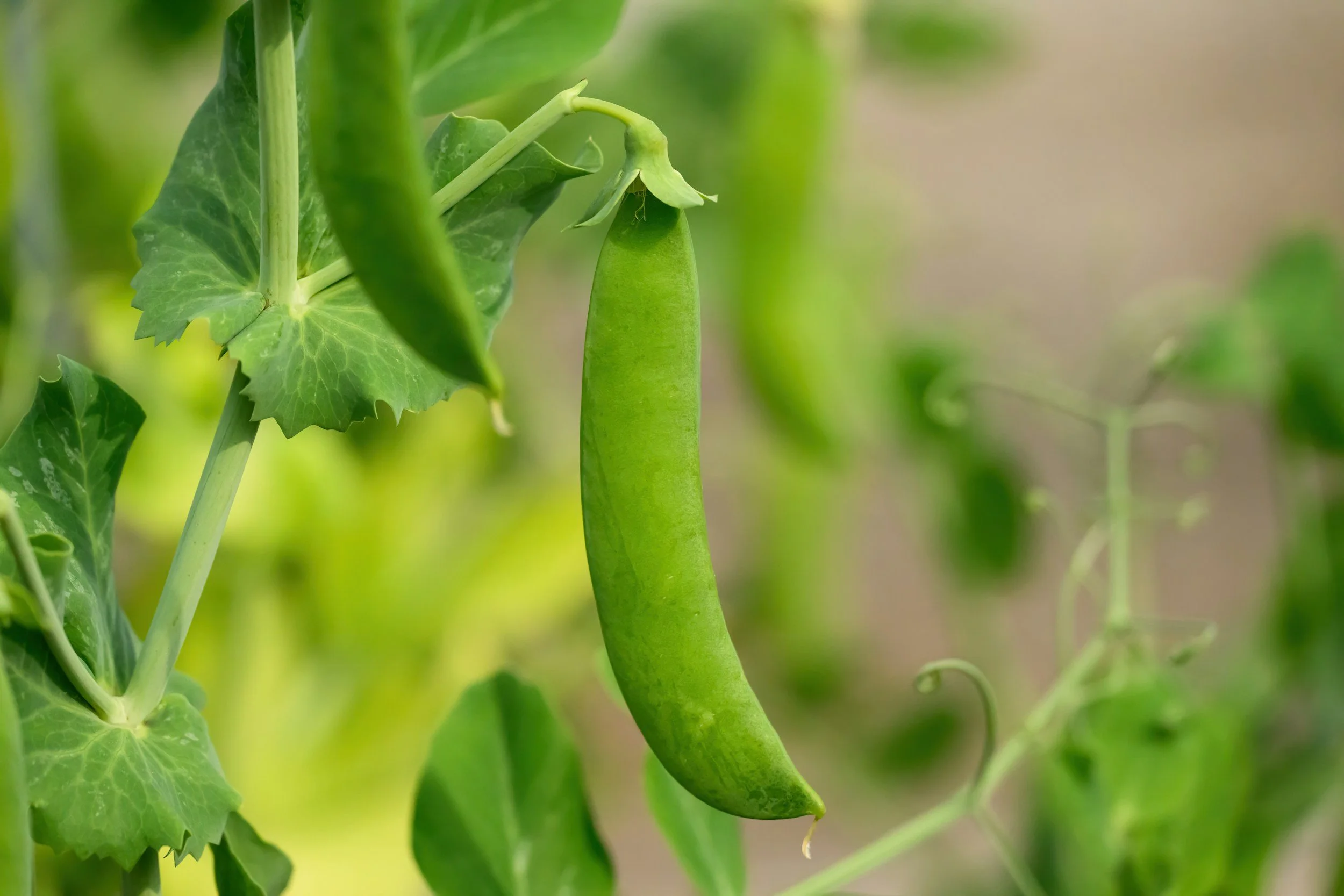
There are three main types of peas:
Snap peas: Edible pods, crisp texture, high productivity
Snow peas: Flat pods, fast-growing, often more shade-tolerant
Shelling peas (English peas): Grown for the peas inside, typically more sensitive to stress
For partial sun gardens, snap peas and snow peas tend to perform better. They mature quickly and are generally more forgiving when light levels are lower.
Look for early-maturing, low-growing bush pea varieties like “Sugar Ann” (Snap peas), “Dwarf Gray Sugar” (Snow peas), or “Little Marvel” (Shelling peas), since these require less time to reach harvest and are less likely to stall in suboptimal conditions.
Understand What “Partial Sun” Really Means
Before planting, it’s important to assess your growing space realistically.
Partial sun typically means:
4 to 6 hours of direct sunlight per day
Often morning sun with afternoon shade, or filtered light throughout the day
Peas prefer cooler conditions, so partial sun can actually work in your favor, especially as temperatures begin to rise in late spring. Too much heat can cause peas to stop producing altogether, so a bit of afternoon shade can extend your harvest window.
If possible, prioritize locations that receive morning sunlight, which is gentler and more beneficial for early growth.
Prepare the Soil for Strong Growth
Healthy soil is the single most important factor in growing productive peas, especially when light is limited.
Peas prefer:
Well-draining soil
Moderate fertility (not overly rich in nitrogen)
A slightly acidic to neutral pH (around 6.0–6.8)
Before planting, amend your soil with compost to improve structure and moisture retention. Avoid high-nitrogen fertilizers, which can lead to lush leafy growth at the expense of pods.
Because peas are legumes, they fix their own nitrogen through a symbiotic relationship with soil bacteria. For best results, consider using a legume inoculant when planting, especially if peas have not been grown in that area recently.
Plant Early and Time It Right
Peas are a cool-season crop, which means timing is critical.
Plant peas:
As soon as the soil can be worked in early spring
When soil temperatures reach about 40–50°F
In many regions, this is several weeks before the last frost date.
In partial sun gardens, early planting is even more important. It allows your plants to take advantage of cooler temperatures and lower competition for light before nearby plants or trees fully leaf out.
If you miss the early spring window, you can also plant a fall crop in late summer, about 8 to 10 weeks before your first expected frost.
Annie Spratt @unsplash
Maximize Light with Smart Placement
When sunlight is limited, placement becomes a strategic decision.
To make the most of available light:
Plant peas on the south or west side of your garden space when possible
Use vertical supports to lift plants into brighter conditions
Avoid placing peas behind taller crops that may cast additional shade
Even small adjustments in positioning can significantly impact growth and yield.
Provide Proper Support from the Start
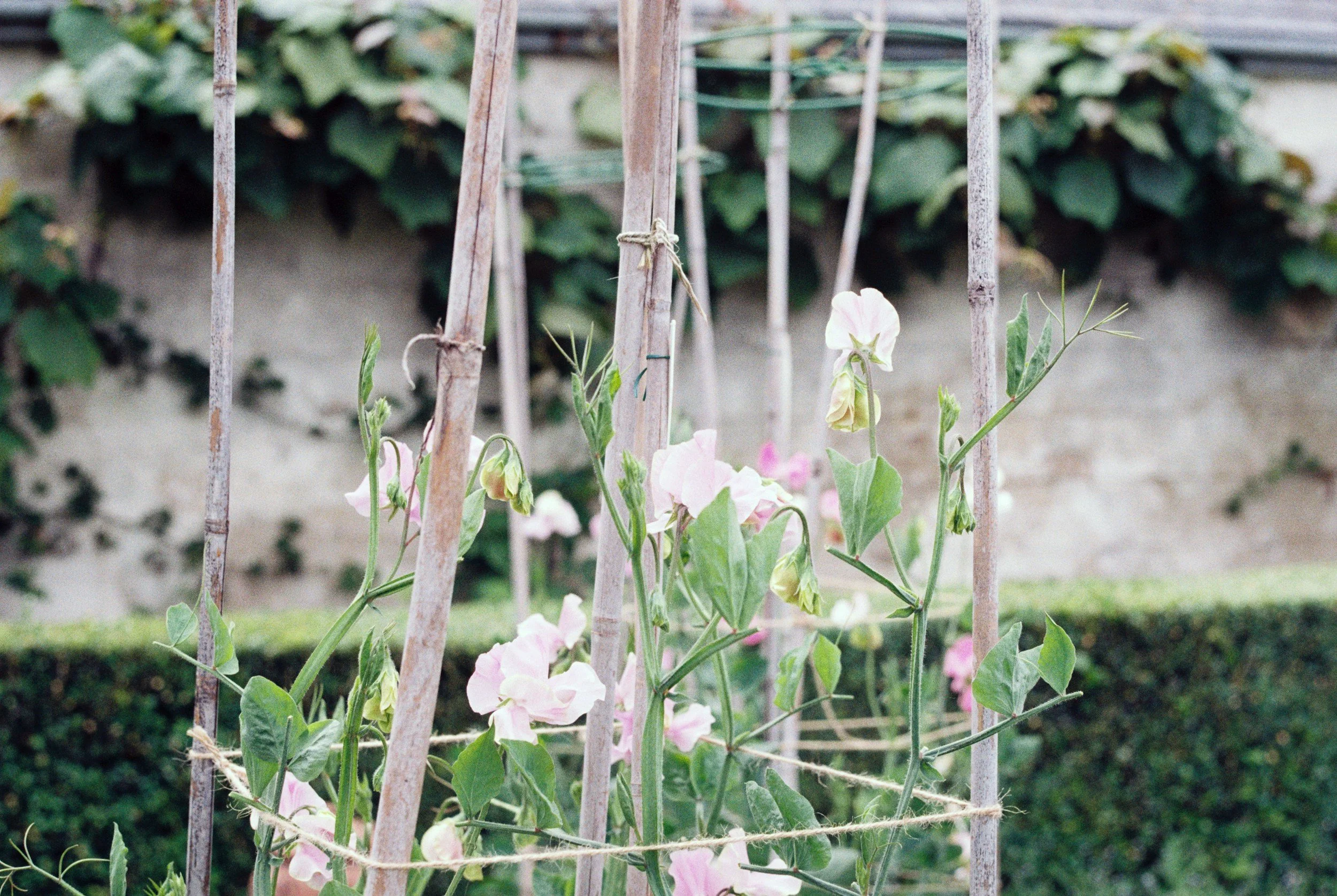
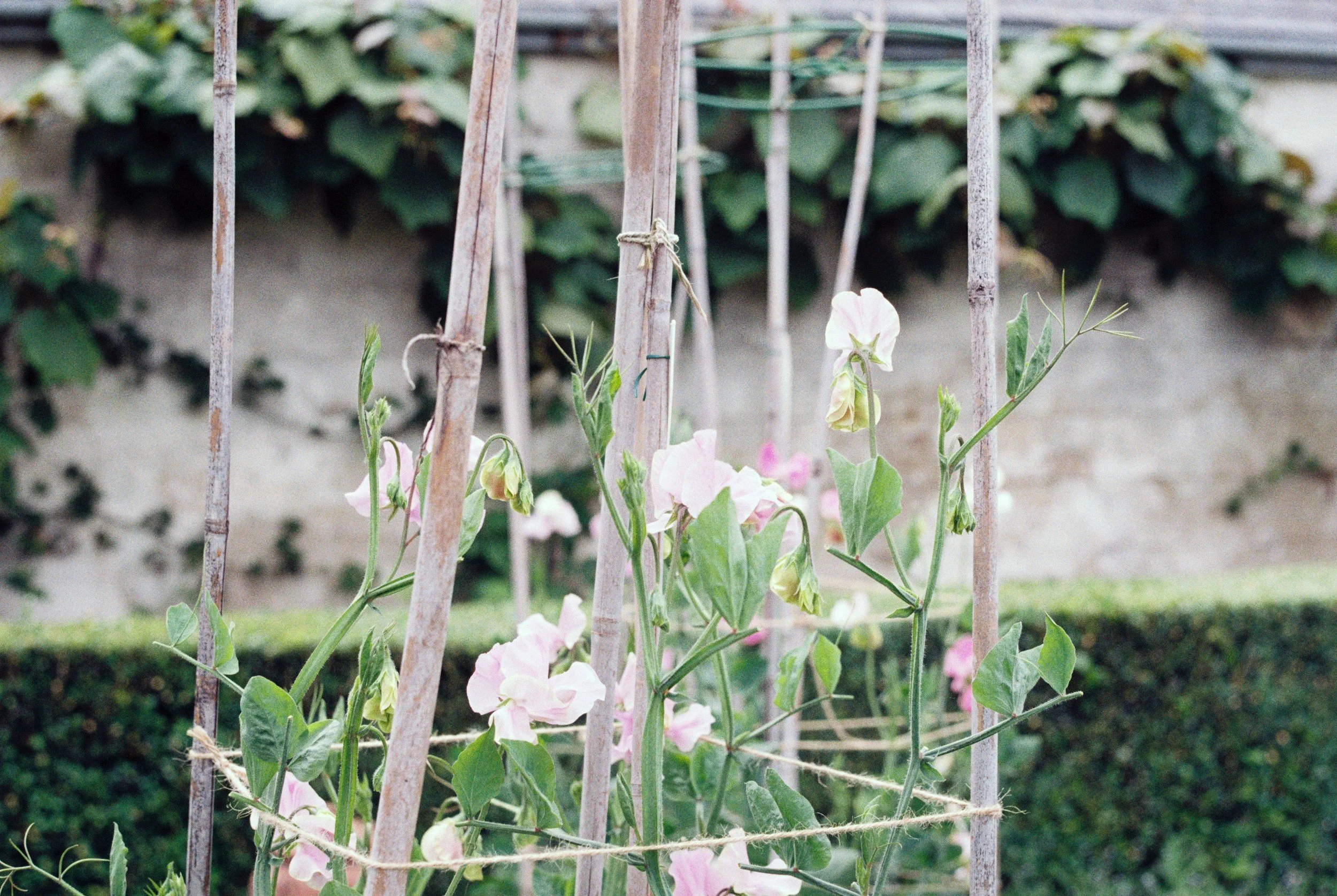
Peas are natural climbers, and giving them a structure to grow on is essential, especially in partial sun.
Trellising helps by:
Improving air circulation
Reducing disease risk
Exposing more leaves to available sunlight
Use a simple trellis, netting, a series of stakes linked with twine, or a repurposed fence panel. Install it at planting time to avoid disturbing roots later.
In lower light conditions, vertical growth becomes even more important because it allows the plant to capture as much light as possible.
Water Consistently, But Do Not Overdo It
Peas need consistent moisture to produce well, but they are sensitive to waterlogged soil.
Aim for:
Evenly moist soil, especially during flowering and pod development
About 1 inch of water per week, adjusted for rainfall
In partial sun, soil tends to dry out more slowly, so be careful not to overwater. Excess moisture combined with lower light can increase the risk of root rot and fungal disease.
Mulching around your plants can help regulate moisture and maintain a more stable growing environment.
Encourage Pollination for Better Yields
While peas are largely self-pollinating, the presence of pollinators can still improve pod formation and overall yield.
To attract beneficial insects:
Plant companion flowers nearby, such as sweet alyssum or calendula
Avoid chemical pesticides that may harm pollinators
This is especially useful in partially shaded gardens, where insect activity may be slightly lower.
Watch for Common Problems
Peas are relatively easy to grow, but a few issues can limit success, particularly in lower light conditions.
Slow growth or leggy plants
Often caused by insufficient light. Improve spacing and ensure plants are not shaded by nearby crops.
Poor pod production
Can result from too much nitrogen, inconsistent watering, or heat stress.
Powdery mildew
More likely in shaded, humid conditions. Improve airflow with proper spacing and trellising.
Staying proactive with spacing, watering, and support will prevent most problems before they start.
Harvest Frequently to Keep Plants Producing
One of the most overlooked steps in growing peas is timely harvesting.
Daiga Ellaby @unsplash
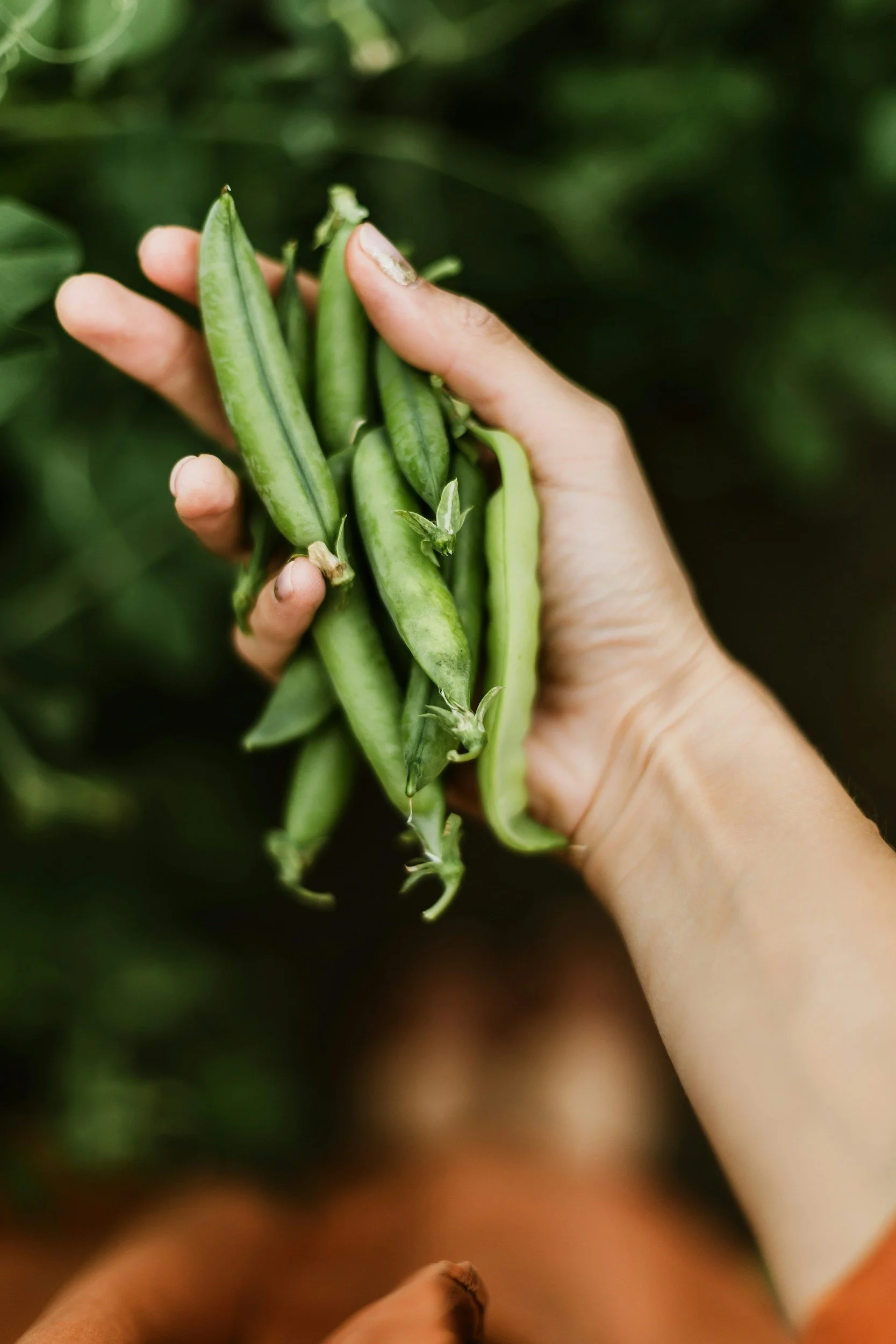
Harvest:
As soon as pods are full but still tender
Every 1–2 days during peak production
Frequent harvesting signals the plant to keep producing. If pods are left on too long, the plant will begin to slow down and shift toward seed production.
In partial sun gardens, maximizing each plant’s productivity is key, so do not skip this step.
Easy Peasy (and highly productive!)
Growing peas in partial sun is not only possible, it can be highly productive when done correctly. By choosing the right varieties, improving your soil, and making strategic decisions about placement and timing, you can enjoy a steady harvest even without full sun.
If you are working with a garden that gets just 4 to 6 hours of sunlight per day, peas are one of your best opportunities to grow fresh, homegrown food successfully.
You may also be interested in…


Think you missed your chance to plant a spring garden? Well let me reassure you – you’re not late yet! The end of April can still be an excellent month to sow many cold-tolerant vegetables, especially crops that prefer cool soil and mild temperatures. In fact, some vegetables perform better when planted in April than they do earlier in late winter, because the soil has begun to warm and germination is often faster.