


Bee-Safe Pest Prevention You Can Do Before You Plant
/If you want a thriving, productive garden that supports pollinators rather than harming them, pest prevention needs to begin before a single seed goes into the ground. Too often, gardeners wait until pests appear and then scramble for solutions, many of which can unintentionally harm bees and other beneficial insects.
The good news is that a proactive, eco-friendly approach can dramatically reduce pest pressure while creating a balanced, resilient garden ecosystem. In this guide, you will learn exactly how to prepare your garden in a way that prevents pests naturally, without putting pollinators at risk.
If you're just getting started, this guide on how to start an edible food garden at home will help you build a strong foundation from day one.
József Szabó @unsplash
Why Bee-Safe Pest Prevention Matters
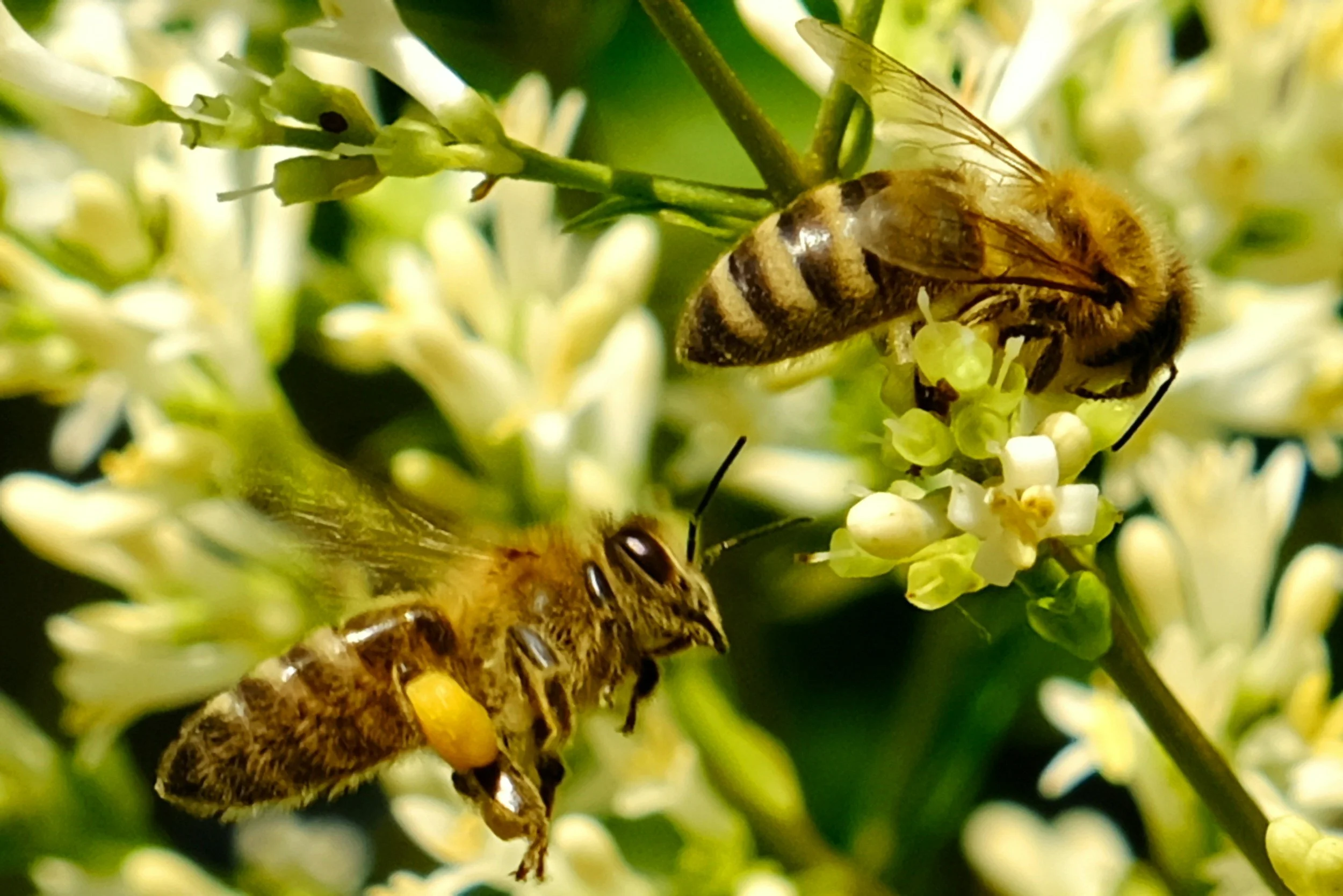
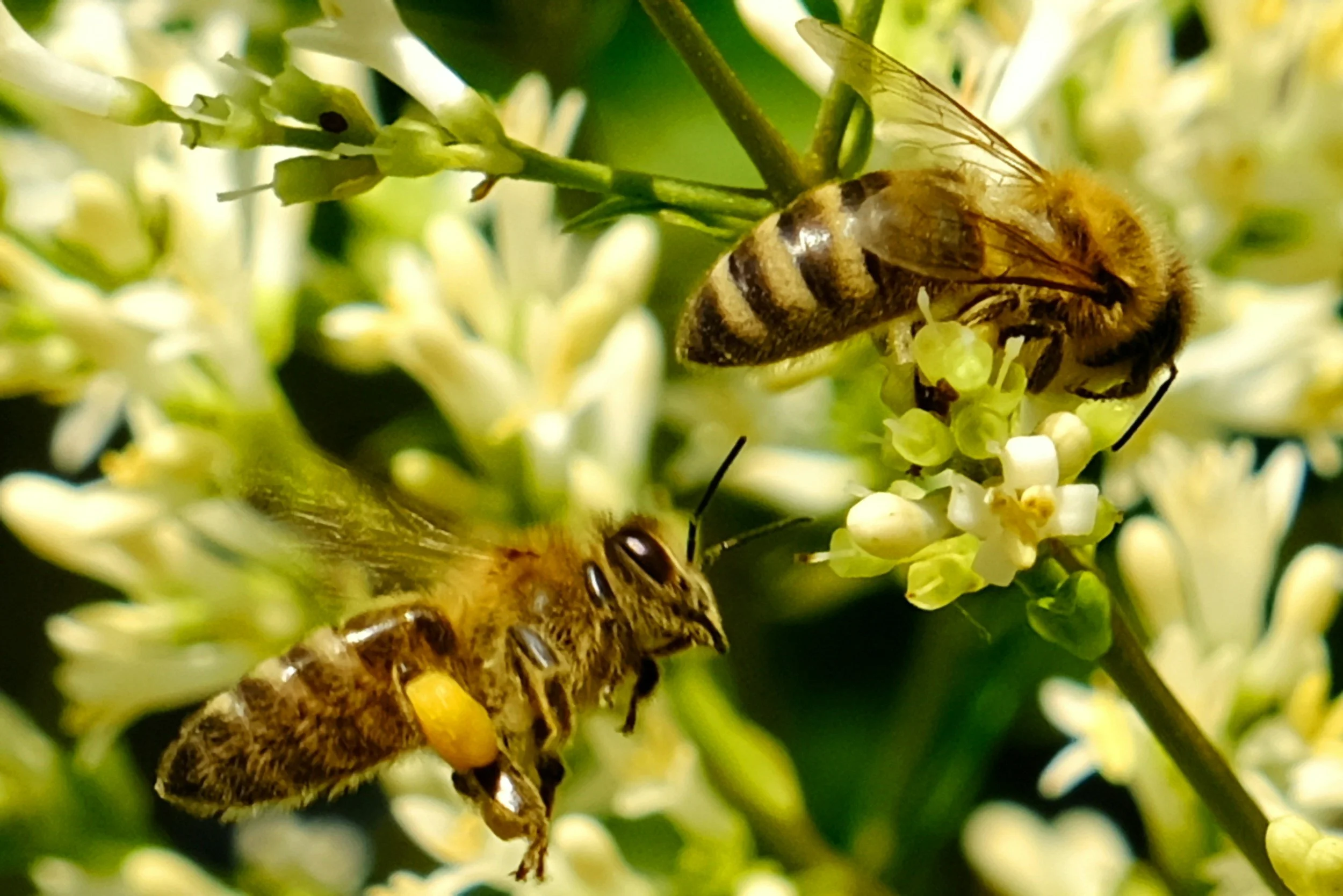
Pollinators like honeybee and native bees are essential for many food crops, including tomatoes, cucumbers, squash, and berries. Without them, yields drop significantly.
However, many conventional pest control methods, including broad-spectrum insecticides, harm not only pests but also beneficial insects. Even some organic solutions, when misused, can disrupt pollinator activity.
A bee-safe approach focuses on:
Preventing pest problems before they start
Supporting beneficial insects that naturally control pests
This is not just about protecting bees. It is about building a garden that largely manages itself.
1. Start with Healthy, Pest-Resistant Soil
Healthy soil is your first and most important line of defense against pests. It’s important to understand a few things about the science of healthy soil rather than guesswork or personal experience alone to give your garden the best start.
Plants grown in nutrient-rich, biologically active soil are:
More resilient to pest damage
Better able to recover from stress
Less attractive to opportunistic insects
Before planting, focus on:
Adding finished compost or well-aged organic matter
Testing soil pH and adjusting if necessary
Avoiding over-fertilization, especially with nitrogen
Overly lush, nitrogen-heavy growth can attract pests like aphids. Balanced soil, on the other hand, produces steady, strong growth that is less vulnerable.
2. Choose the Right Plants from the Start
Not all plants are equally susceptible to pests. One of the simplest ways to prevent problems is to choose varieties bred for resistance.
Look for:
Disease-resistant cultivars (often labeled on seed packets)
Varieties suited to your climate and growing conditions
Crops that are known to perform well in your region
For example, some tomato varieties are resistant to common diseases like blight or wilt. Starting with resilient genetics reduces the likelihood of needing interventions later. You’ll have the most options for choosing resilient varieties when you germinate your crops from seed. If you want some tips, read my guide to successfully germinating seeds indoors and outdoors.
3. Plan for Crop Rotation
Crop rotation is one of the most effective, yet underused, pest prevention strategies.
Many pests overwinter in the soil and target specific plant families. If you plant the same crop in the same location year after year, you are essentially inviting those pests back.
Before planting, map out where each crop will go and rotate plant families such as:
Nightshades (tomatoes, peppers, eggplant)
Brassicas (cabbage, broccoli, kale)
Legumes (beans, peas)
Even in small gardens or raised beds, rotating crops can significantly reduce pest buildup.
4. Use Physical Barriers Early
Physical barriers are one of the safest and most effective ways to prevent pests without harming pollinators.
Install these before pests arrive:
Floating row covers
Insect netting
Garden fabric tunnels
These barriers:
Block pests like cabbage moths and beetles
Allow light, air, and water through
Protect seedlings during their most vulnerable stage
Important note: Remove covers when plants need pollination, or use them only on crops that do not require insect pollinators (like leafy greens).
5. Attract Beneficial Insects from Day One
Not all insects are pests. Many are essential allies.
Beneficial insects such as:
Lady beetles (ladybugs)
Lacewings
Hoverflies
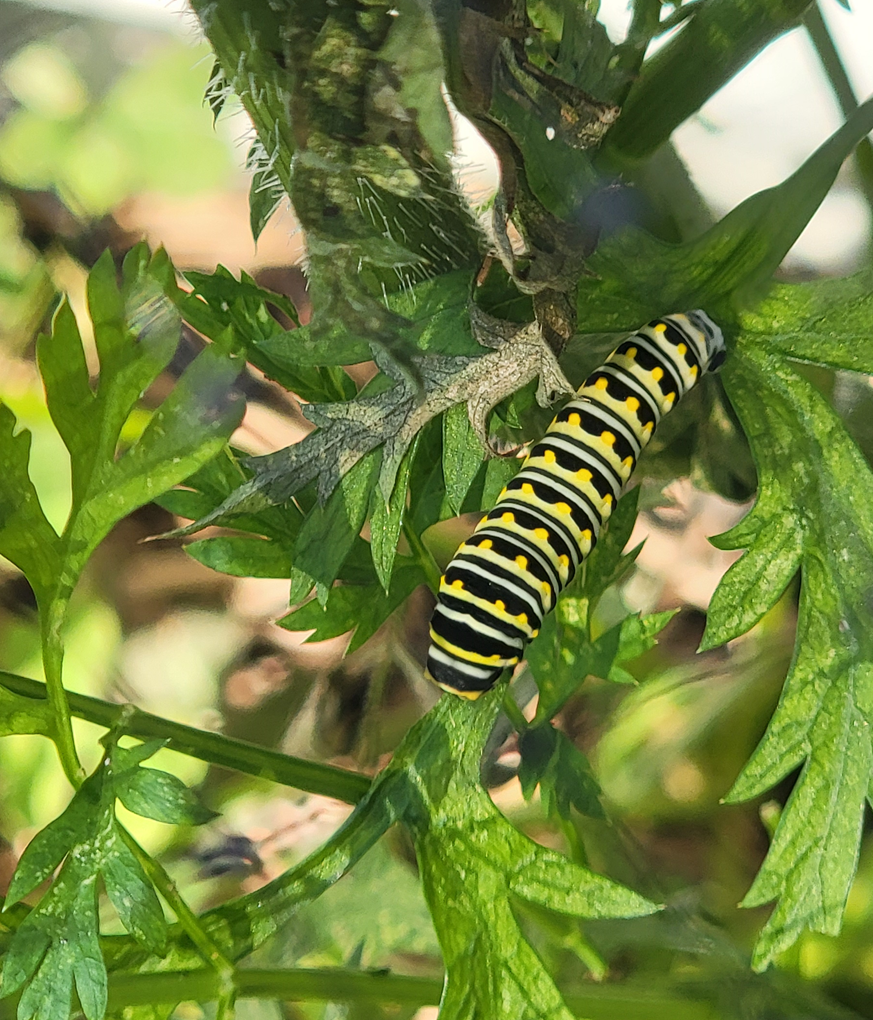
feed on common garden pests like aphids, caterpillars, and whiteflies.
Ruth Mecham @unsplash
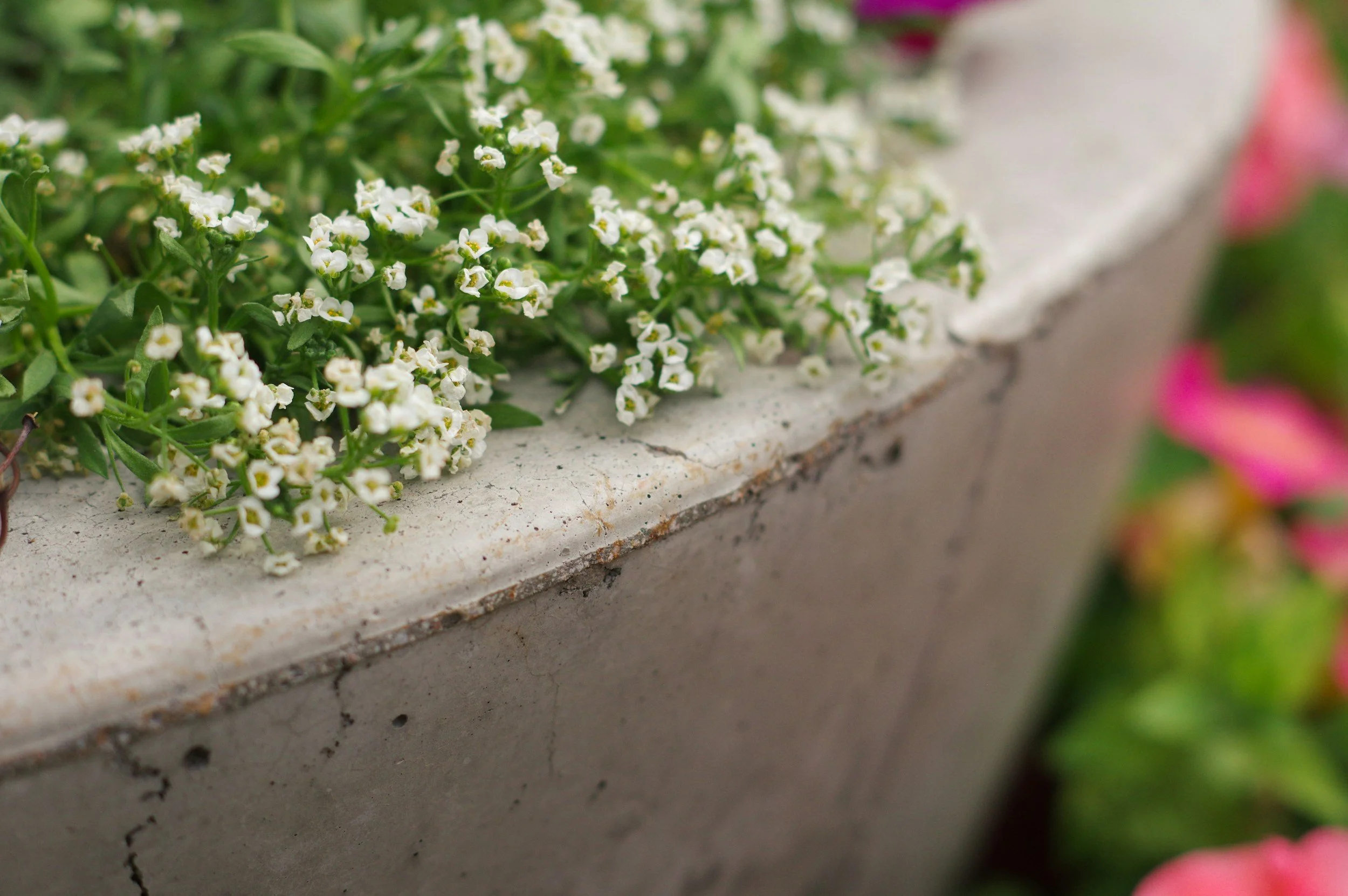
Before planting, include flowers that attract these helpers:
Sweet alyssum
Calendula
Borage
Cosmos
If you already have several of these seeds, you have an ideal opportunity to integrate them intentionally into your garden layout.
Plant them:
Along bed edges
Between crops
In dedicated pollinator strips
This creates a built-in pest control system that operates continuously.
If you’re dealing with pests in your garden, download this bee-safe pest control cheat sheet:
6. Time Your Planting Strategically
Pest pressure often follows predictable seasonal patterns. By adjusting your planting schedule, you can avoid peak infestations.
For example:
Plant cool-season crops early to avoid aphids and cabbage worms
Delay certain plantings to miss peak beetle emergence
Check local planting calendars or extension resources to align your planting dates with lower pest activity.
This approach reduces the need for any intervention later.
7. Practice Smart Garden Sanitation
Many pests and diseases overwinter in plant debris.
Before planting:
Remove dead or diseased plant material
Clear weeds that can host pests
Dispose of infected material properly (not in compost, if diseased)
Clean beds mean fewer places for pests to hide and reproduce.
8. Avoid Harmful “Quick Fix” Treatments
Even in organic gardening, not all solutions are bee-safe.
For example:
Broad-spectrum sprays can harm beneficial insects
Some treatments disrupt pollination if applied at the wrong time
If intervention becomes necessary later, targeted solutions like Bacillus thuringiensis (Bt) can be used for specific pests such as caterpillars, without harming bees when applied correctly. This is just one of many natural ways to manage common pests in your garden.
While the goal of this guide is to reduce the need for any treatments at all, even with the best prevention strategies, occasional pest issues can still arise.
9. Design for Airflow and Spacing
Crowded plants create ideal conditions for pests and disease.
Before planting, plan proper spacing:
Follow recommended distances on seed packets
Allow airflow between plants
Avoid overcrowding raised beds
Good airflow reduces humidity and makes it harder for pests and fungal diseases to take hold.
10. Build a Balanced Garden Ecosystem
Monoculture, planting large areas of a single crop, tends to attract pests.
Leonie Clough @unsplash
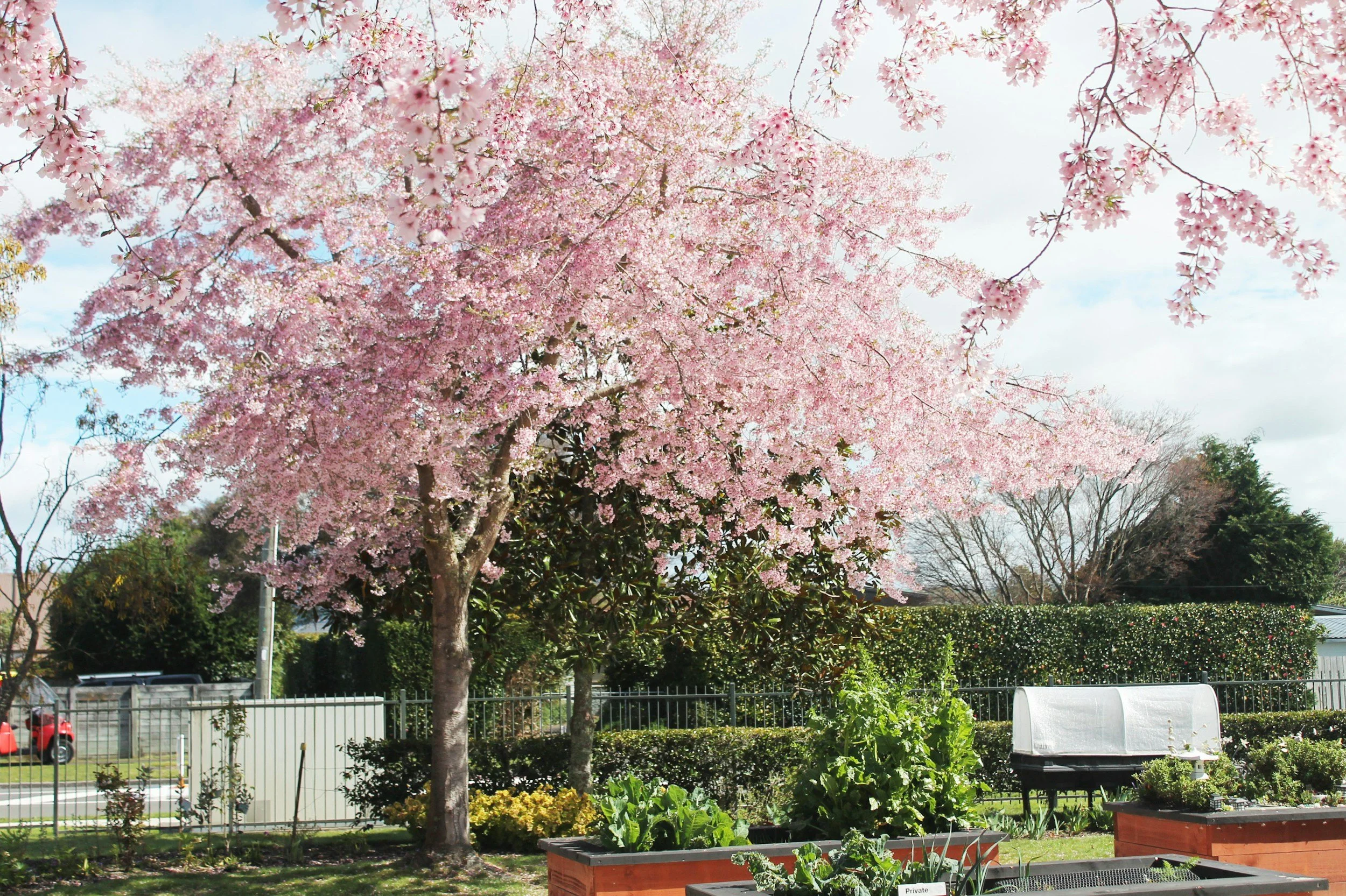
Instead, aim for diversity:
Mix vegetables, herbs, and flowers
Use companion planting strategies
Incorporate different plant heights and structures
A diverse garden confuses pests and supports a wider range of beneficial organisms. This is the foundation of sustainable, bee-safe gardening. To prevent becoming overwhelmed when creating your edible garden, start small with a few plants whose needs you can easily learn before moving on to a wider variety of crops.
Your Garden, Redesigned to Minimize Pest Problems
Bee-safe pest prevention is not about reacting to problems. It is about designing a garden that naturally minimizes them.
By focusing on
Soil health
Smart plant selection
Crop rotation
Physical barriers
Beneficial insects
Strategic timing
you can dramatically reduce pest pressure while protecting the pollinators your garden depends on.
Want to control pests in your garden while protecting pollinators? Get our bee-safe pest prevention cheat sheet.
You may also be interested in…


If you've spotted a brightly colored insect with black spots and red wings hopping across your garden, you’re most likely seeing a spotted lanternfly. In the US, spotted lanternflies were first detected in Berkes County, PA in 2014. They have spread rapidly across much of the eastern United States in recent years, leaving many gardeners wondering whether they should be worried.