


Grow Indoors, Grow Smart: Best Winter Herbs for Beginner Gardeners
/When winter weather hits, I shift my gardening activities indoors. Although I have a somewhat elaborate grow tent setup in my basement, where I grow greens using a Kratky hydroponics method, I also use countertop Deep Water Culture hydroponic devices and small, soil-based containers to grow a variety of herbs for easy access. So although the winter may feel long and gray, it doesn’t have to mean giving up on your plants. Indoor herbs can bring life to any space, keep you stocked in fresh, delicious produce, and satisfy your gardening itch. If you’re looking for a low-stress way to stay connected to your plants all winter, indoor herbs offer an ideal path into gardening for beginners. An indoor-focused garden planting guide offers a simple way to keep growing skills sharp even when outdoor conditions are less inviting.
This guide will give you clear, easy steps to successfully grow herbs indoors during the winter season. You’ll learn how to choose beginner-friendly herbs, set up simple growing conditions, and keep them thriving with minimal effort.

Why Herbs Are the Easiest Entry Point for Beginners
Herbs are perfect for those who are just starting in the world of growing plants. Most of them take very little space. They will grow easily in any small containers you have lying around, as long as those containers have several holes for drainage . You don’t need fancy tools or a backyard. Simple plastic or clay containers are enough to keep your herbs happy and thriving throughout the cold season.
This garden planting guide starts with herbs because they grow quickly. Growing herbs also helps you build essential care skills without overwhelming you. With herbs, you’ll quickly learn how to water properly, gauge soil moisture, and observe how light shapes healthy growth. These small, daily habits form the foundation for caring for more demanding plants later on. By beginning with herbs, you gain confidence, establish good routines, and keep the entire growing experience enjoyable and low-stress.
Benefits of Gardening in Winter: Fresh Flavor, Greenery, Wellness
Potted herbs aren’t just for cooking; they can be real mood lifters and air purifiers, too. Many studies have also confirmed that indoor gardening is and promotes good physical and mental health. Growing and tending a collection of potted herbs can also help you create a routine in the winter. Checking your plants daily, watering carefully, and watching them grow provides small moments of calm. You connect with nature without leaving the house. It’s a simple way to make winter feel fresher and more lively.
What Beginners Need to Know Before Growing Winter Herbs
Any reliable garden planting guide for indoor growing emphasizes light, water, and temperature as the three most important success factors. These are three main things you should know about growing herbs indoors in winter:
Light
Light is a very critical element for herbs, as with all plants. Plants that don’t get enough light grow leggy, which means that their stems stretch out and become long, thin, and weak as they reach for the light. yA south-facing window will give direct sunlight for a few hours daily. You can use LED grow lights as well; they can be bought cheaply these days, with a full -spectrum that mimics natural sunlight. his helps make up for the limited natural light in winter.
Watering
Watering regularly is important. You want to ensure that the soil is damp, but not exactly soaked. The containers should have good drainage holes to allow any extra water to flow out quickly after watering. Even better, water your plants from the bottom, letting them sit in a reservoir of water for 20-30 minutes. Make sure there is no water left standing after the plants have had their fill. S This will help keep indoor pests like fungus gnats away. Finally, using garden soil in your potted herbs can affect plant growth negatively, so avoid it with indoor plants; instead, opt for a potting mix that is relatively light, with good drainage. A good indoor potting mix will help protect your plants against overwatering and underwatering.
Indoor Temperature Ranges
Normal room temperature is usually more than enough for most herbs to grow well indoors in winter. Try to keep the temperature in your home or growing area at or around at least 65°F (18° C); a bit warmer is even better. This will help plants grow steadily and consistently. Plants can become stressed from sudden temperature drops, drafts from doors or windows, or heat from radiators or vents, so try to place your plants in a spot that will maintain consistent temperatures it as much as possible throughout the day and night.
Starting Herbs: Seeds vs Starter Plants
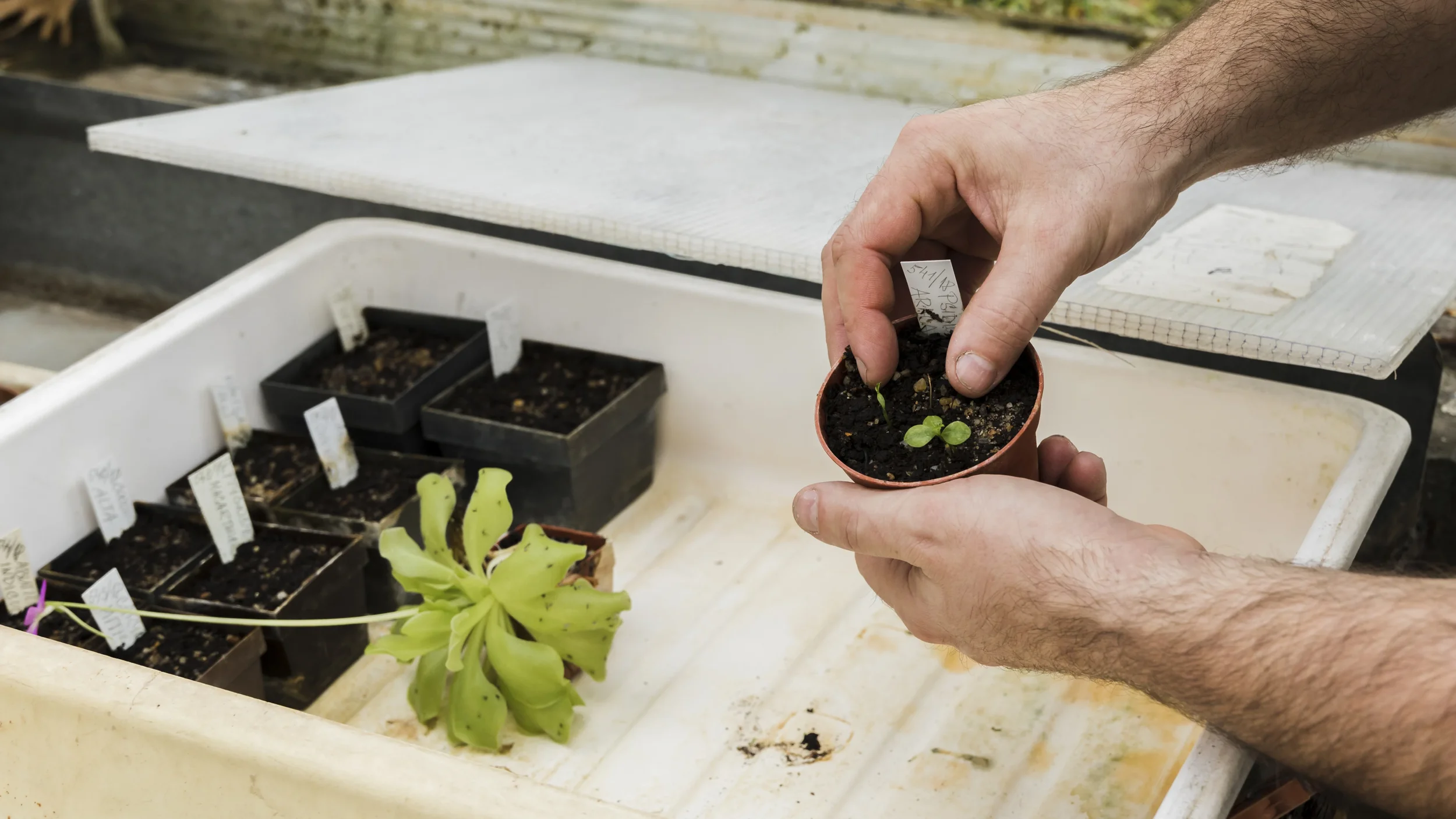
When it comes to gardening for beginners, rbs are an ideal place to start. You generally have two options: seeds or starter plants (aka seedlings). Both are good, but require different sets of conditions as well as different amounts of time and attention. Growing herbs from seeds will require your constant care as they germinate and develop into larger plants.
As for starter plants, they mainly require you to water them and maintain adequate light conditions. Trimming them regularly and rotating them weekly as they grow will also keep them tidy, healthy, and productive. Following a clear garden planting guide can help to decide whether seeds or starter plants better match their time, space, and patience level.
Quick Choice Guide
Choose seeds if: you enjoy watching the full growing process, want more variety, and don’t mind waiting a bit longer for harvest.
Choose starter plants if: you want quick results, less daily monitoring, and an easier learning curve overall.
Which Herbs Are Easy to Germinate Indoors in Winter?
A seasonal garden planting guide is helpful here. Different herbs have different needs in terms of germinating and growing into healthy plants. Almost all culinary herbs be started in a warm room, but there are a few that require a little extra care and attention to moisture and light. If you offer them steady, consistent care, they will germinate within 1 to 2 weeks (however, cilantro can take longer to germinate, so in a few cases, more patience is needed). Seed trays, small pots or even recycled containers all work well for germinating and growing, making this perfect for beginner gardeners.
Here are some of the easiest herbs to germinate indoors in winter. Each of these is good for small spaces and suitable for beginner-friendly growing setups.
Parsley: Slow to sprout, but germinates well indoors with steady warmth and consistently moist soil.
Mint: Germinates quickly in warm, humid conditions and thrives even in lower-light indoor spots.
Chives: One of the easiest indoor herbs to start from seed, sprouting readily in cool to moderate temperatures.
Basil: Germinates fast when kept warm (70°F+/21°C+), making it ideal for bright indoor windowsills.
Oregano: Prefers warmth and light for germination;, it emerges reliably in well-drained indoor seed trays.
Cilantro: Sprouts best in cooler indoor temperatures and appreciates evenly moist soil during germination. Cilantro can be a bit finicky to germinate.
Thyme: A slow but steady germinator that needs warmth, light, and only lightly moistened soil to get going.
Lemon balm: Germinates reliably indoors with consistent moisture and warmth, producing fragrant, fast-growing seedlings even in winter light.
Which Herbs Are Better Purchased as Seedlings?
Some herbs tend to grow slowly or can struggle in the winter light, making them better for most beginner gardeners to buy as starter plants. Rosemary and thyme, in particular, are much easier to grow as seedlings. Buying young plants gives you a quicker start and ensures faster success in an indoor setup. Once established, these herbs adapt well to indoor conditions and can be ready for regular harvesting with proper care.
Step-by-Step Seed Germination Setup
Heat mats and humidity domes will help you keep steady heat and moisture. In most cases, heat mats are not necessary, but they will help your seeds to sprout faster. Be sure to remove plants from heat mats, and adjust humidity domes (leaving them slightly ajar) to let in air after the seeds sprout.
The correct moisture level is important for healthy seedlings. Try to keep the soil damp but not wet. It should not be waterlogged, which will lead to root rot or damping off; a light , just mist will keep seedlings happy. Watering from the bottom is also ideal, and will help keep fungus gnats and other indoor plant pests away.
Germination timelines vary. Check seed packets for average germination time. You can even soak seeds in warm water for up to a day to help break down the outer kernel and speed up germination. Keeping track of your seed planting times can help you know whether or not your seeds are viable, or should be discarded.
Troubleshooting Germination Issues
Thin seedlings can be affected by fungal infections. A good flow of fresh air can help with that. Use a small fan to keep air circulating.
White spots appear when the humidity is too high. Make sure to lift the humidity dome to let air in and reduce moisture.
Seedlings stretch and turn pale under low light. If this happens, it’s best to d supplemental grow lights and position them close by.
Designing a Simple Indoor Herb Setup
A functional setup with minimal supplies is all you really need to keep your indoor herb garden healthy, and organized, and productive through the winter months. Movable shelves with goose-neck adjustable LED lights work especially well for small spaces and let you control light placement as plants grow. Even in apartments, many winter herbs can thrive on bright. windowsills, kitchen counters, or in hanging planters near natural. Use lightweight containers for easy handling, so that you can move plants as daylight shifts throughout the winter season.

From Winter Windowsill to Year-Round Growing Confidence
Once you learn how to germinate seeds, gardening can easily become your new pastime. It can be a source of joy as well as regular harvests. You just need to pick the right plants for your space and set up a few basic conditions for growth: consistent light, regular watering, and comfortable indoor temperatures. With the help of a practical garden planting guide, indoor winter herbs can become the foundation for confident, year-round growing.
But be warned: what you start as a small winter growing project can easily lead you to more confidence to grow an edible garden outdoors when spring arrives.
You may also be interested in…



If you’ve ever told yourself that gardening starts in spring, you’re not alone. Many people assume winter is the off-season, a time to wait until seed catalogs arrive or garden centers restock and come alive again. Most gardeners are not growing food outdoors in winter unless they live in temperate or warm climates. For the past decade or so, I’ve been growing food outdoors in winter all year round using an unheated greenhouse and frost covers over my raised beds, but even that has been impossible in some years, when everything undergoes an extended freeze and it becomes impossible to harvest much of anything.