


Designing a Sustainable Backyard Workspace for Your Organic Garden
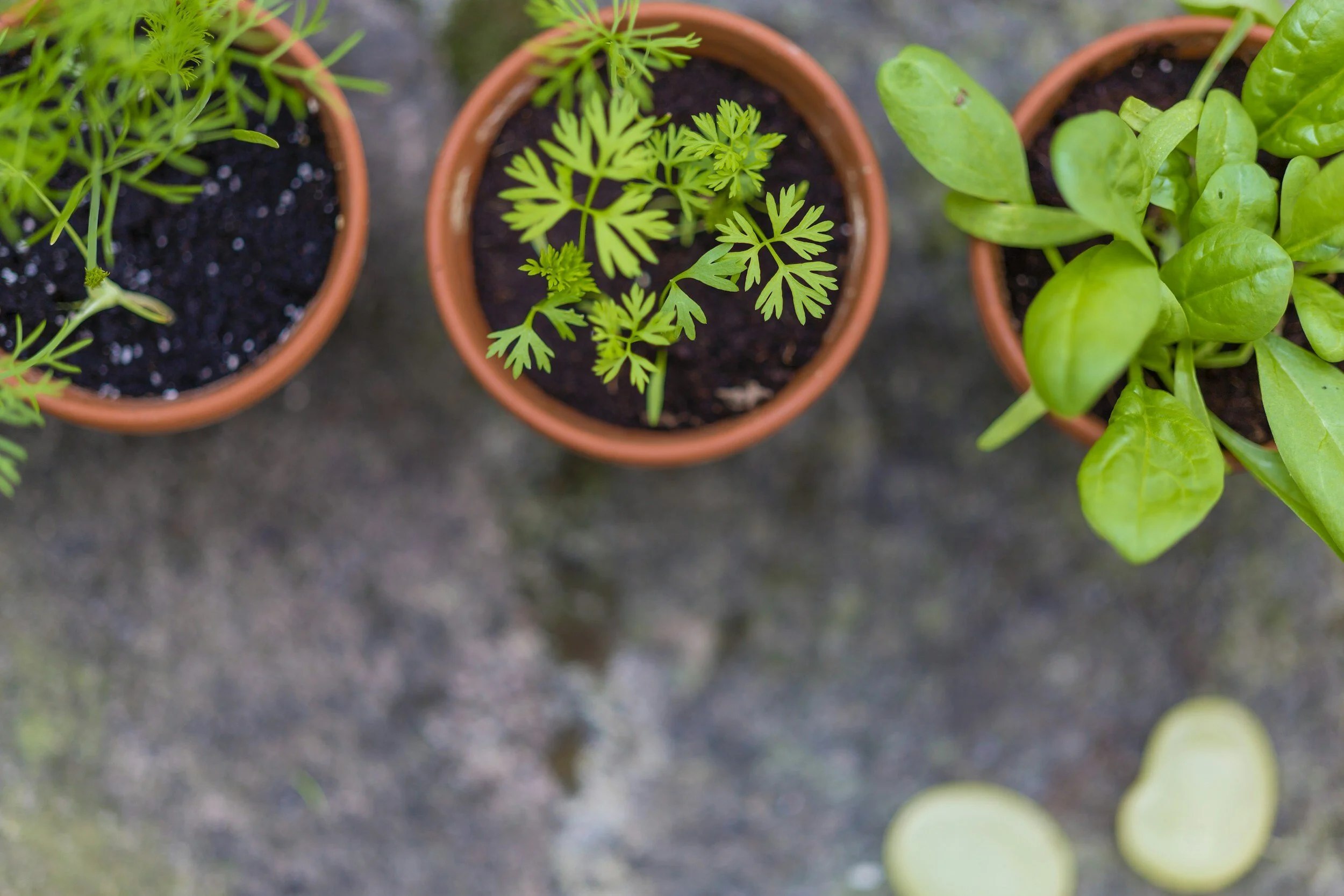
/Creating a thriving organic garden takes significantly more than just good soil, regular watering, and abundant sunlight. It requires careful planning, dedicated physical effort, and a functional space to properly manage your tools, seeds, and soil amendments. For many dedicated Australian gardeners, the backyard workspace serves as the literal and figurative beating heart of their horticultural efforts. It is the designated place where delicate seeds are sown, seasonal harvests are processed, and future planting cycles are strategically mapped out.
Nadine Christy @unsplash
However, if you are truly committed to sustainable living, your workspace should absolutely reflect those exact same eco-friendly values. Designing a sustainable backyard workspace means thinking critically about the raw materials you use for construction, how you store your vital organic inputs, and the energy you consume on a daily basis. By treating your garden infrastructure with the same high level of care and consideration as your actual vegetable beds, you create a cohesive, environmentally responsible homestead that functions in total harmony with nature.
Choosing Sustainable Materials for Your Garden Hub
The very first step in establishing your organic gardening headquarters is selecting the right physical structure. Many gardeners instinctively lean towards traditional timber, assuming that a natural material is automatically the most eco-friendly and sustainable choice available on the market. Unfortunately, this is not always the case in practical application, particularly in the harsh Australian climate where untreated wood quickly succumbs to rot, fungal decay, and aggressive termite damage.
To combat these common structural issues, most timber used for outdoor sheds and fencing is heavily treated with industrial chemical preservatives. According to the US Environmental Protection Agency, the chemical preservatives required to prevent wood from rotting have historically included heavy metals and toxic compounds like chromated arsenicals. While modern regulations have tightened over the years, many heavy-duty wood preservatives continue to pose environmental risks and can potentially leach into the surrounding groundwater. For a strict organic gardener, introducing potential chemical contaminants near food-producing garden beds is entirely counterproductive to the primary goal of growing clean, healthy produce for the family.
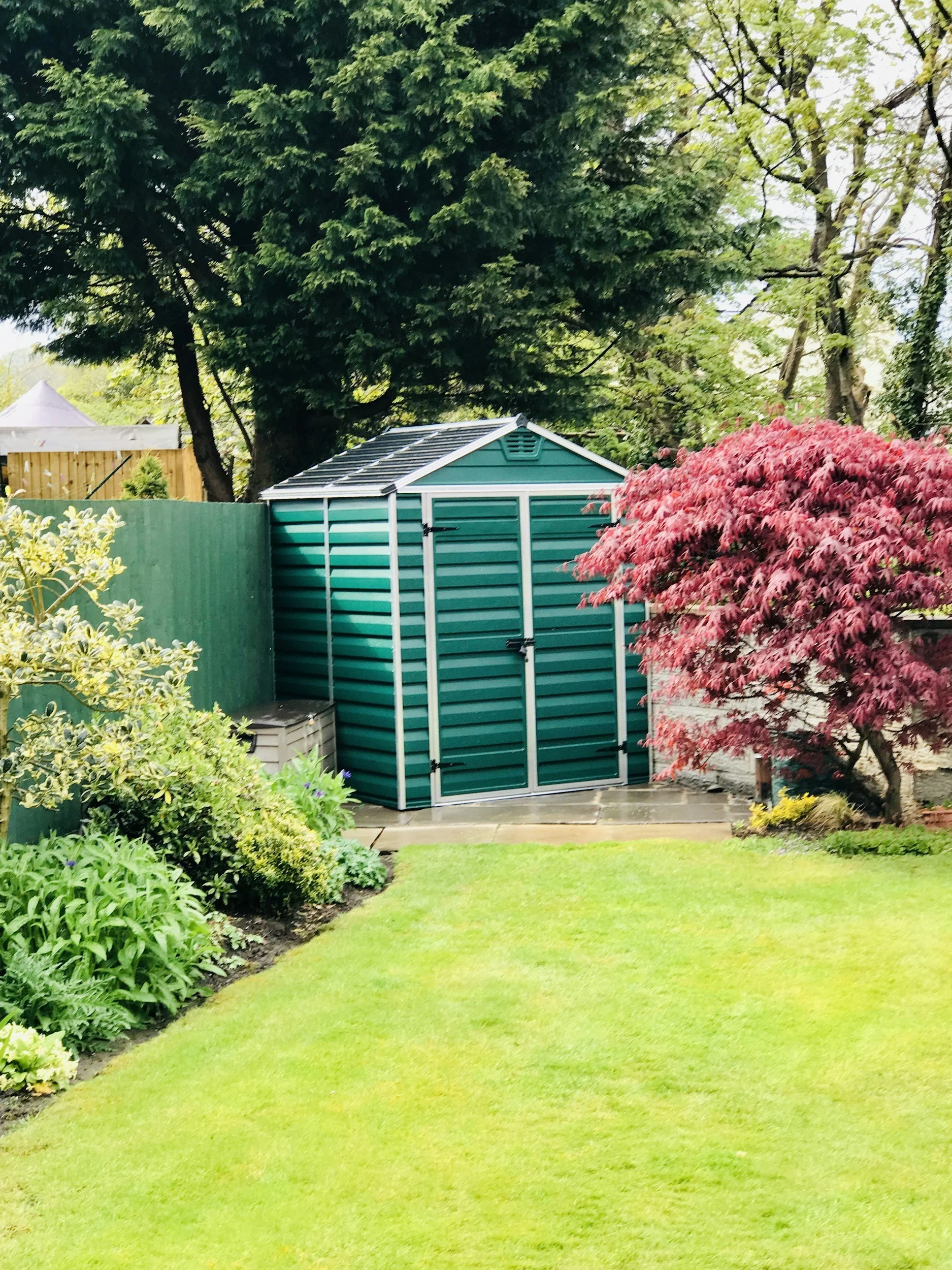
A much safer, more resilient, and highly durable alternative is high-quality galvanised steel. Steel structures simply do not require chemical treatments to withstand pests or moisture. When you begin your research and browse for garden sheds online, prioritising premium steel options ensures you are investing in a weatherproof, long-lasting structure that will not compromise your organic soil. Furthermore, steel is highly recyclable at the end of its lifespan, making it a brilliant circular material choice. A well-built, non-toxic steel shed provides a clean, secure foundation for all your sustainable gardening projects without leaving a chemical footprint in your backyard.
Designing the Ultimate Organic Potting Station
Once your physical structure is securely in place, it is time to organise the interior layout to maximise your operational efficiency and minimise resource waste. A dedicated, comfortable potting station is arguably the most critical feature of any functional garden workspace. Instead of mixing soils on the damp ground or dealing with split bags left out in the rain, a structured, waist-high bench inside your weatherproof shed keeps everything clean, dry, and ergonomically sound.
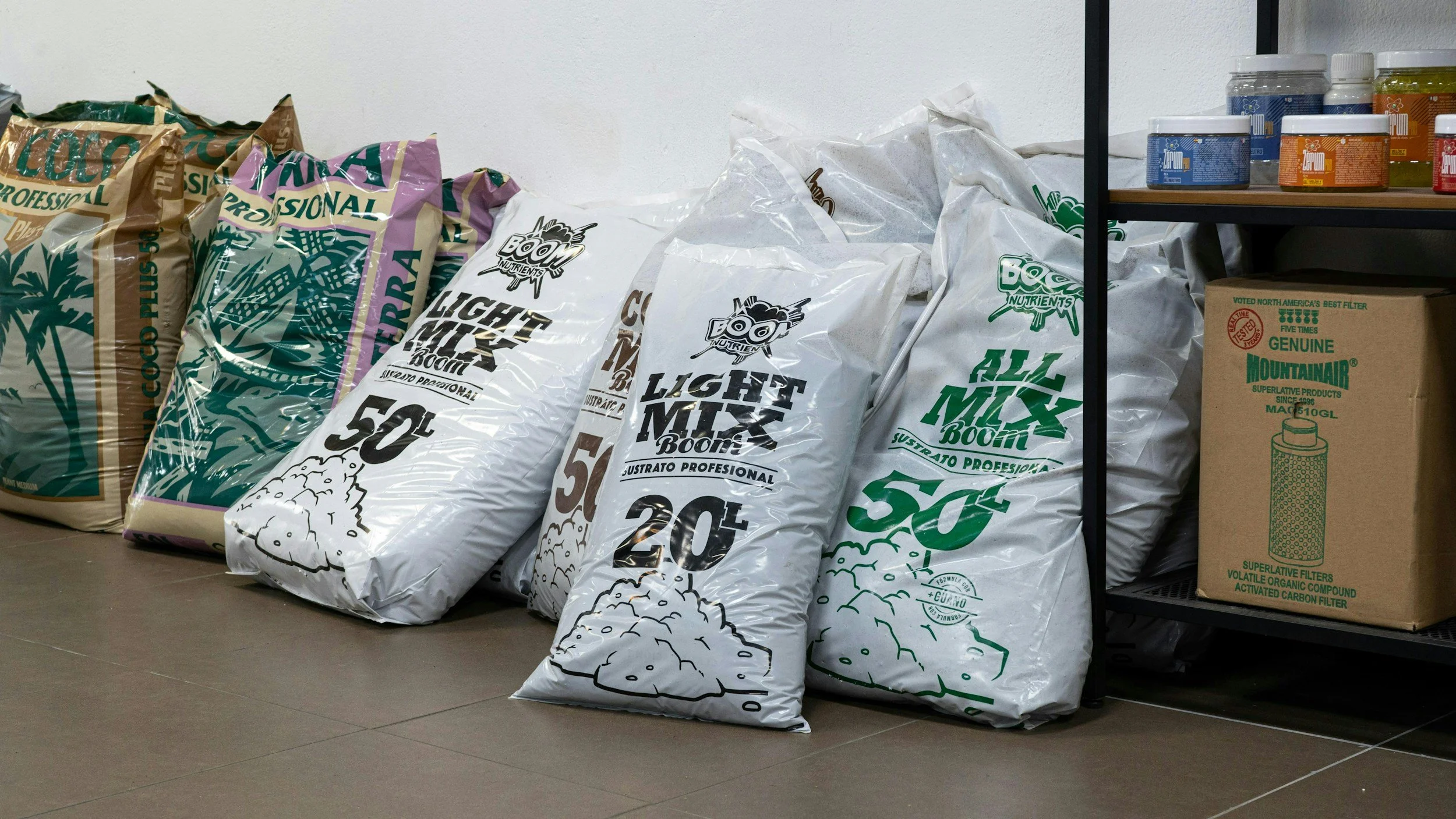
Your potting bench should include ample storage space beneath it for managing raw bulk materials. When you mix your own custom soils, you will likely purchase base components like coco coir, perlite, vermiculite, and rich compost in larger quantities to reduce single-use plastic packaging waste. Keeping these loose materials perfectly dry and free from local pests is absolutely essential for overall garden hygiene. By storing them in airtight, upcycled plastic or metal bins safely under your bench, you ensure the core ingredients for your custom soil blends remain viable, sterile, and pathogen-free until the busy spring planting season finally arrives.
GB The Green Brand @unsplash
Having all your organic materials neatly organised and protected from the elements also prevents costly spoilage. A damp bag of commercial potting mix can easily develop harmful moulds, while exposed organic compost might attract unwanted rodents or weed seeds. A secure, fully enclosed workspace allows you to manage your inputs responsibly, ensuring that every single ounce of soil amendment is put to good use and absolutely nothing goes to waste. Furthermore, having a protected space to prepare your amendments is incredibly helpful when tackling larger landscape projects, such as implementing effective erosion control techniques for sustainable farming on the more challenging, sloped sections of your property.
Essential Features of a Green Workspace
Transforming a standard outdoor storage unit into a fully functioning, sustainable garden hub involves adding a few key strategic features. By integrating clever eco-friendly systems into your workspace, you can further reduce your overall environmental footprint while significantly boosting your garden’s daily productivity.
Consider incorporating the following thoughtful elements into your backyard design:
Rainwater Catchment Systems: Attach standard guttering and a downpipe to the roof of your workspace, directing the valuable runoff into a dedicated water tank or a simple rain barrel. This provides a free, unchlorinated water source that is absolutely perfect for gently irrigating your organic vegetable beds and keeping delicate seedlings perfectly hydrated during dry spells.
Solar Lighting Solutions: Instead of running expensive and resource-heavy grid electricity to your backyard structure, install a simple, off-grid solar panel system. A small roof-mounted panel can easily power bright LED strip lights directly above your potting bench, allowing you to work comfortably early in the morning or late into the evening without relying on fossil fuels.
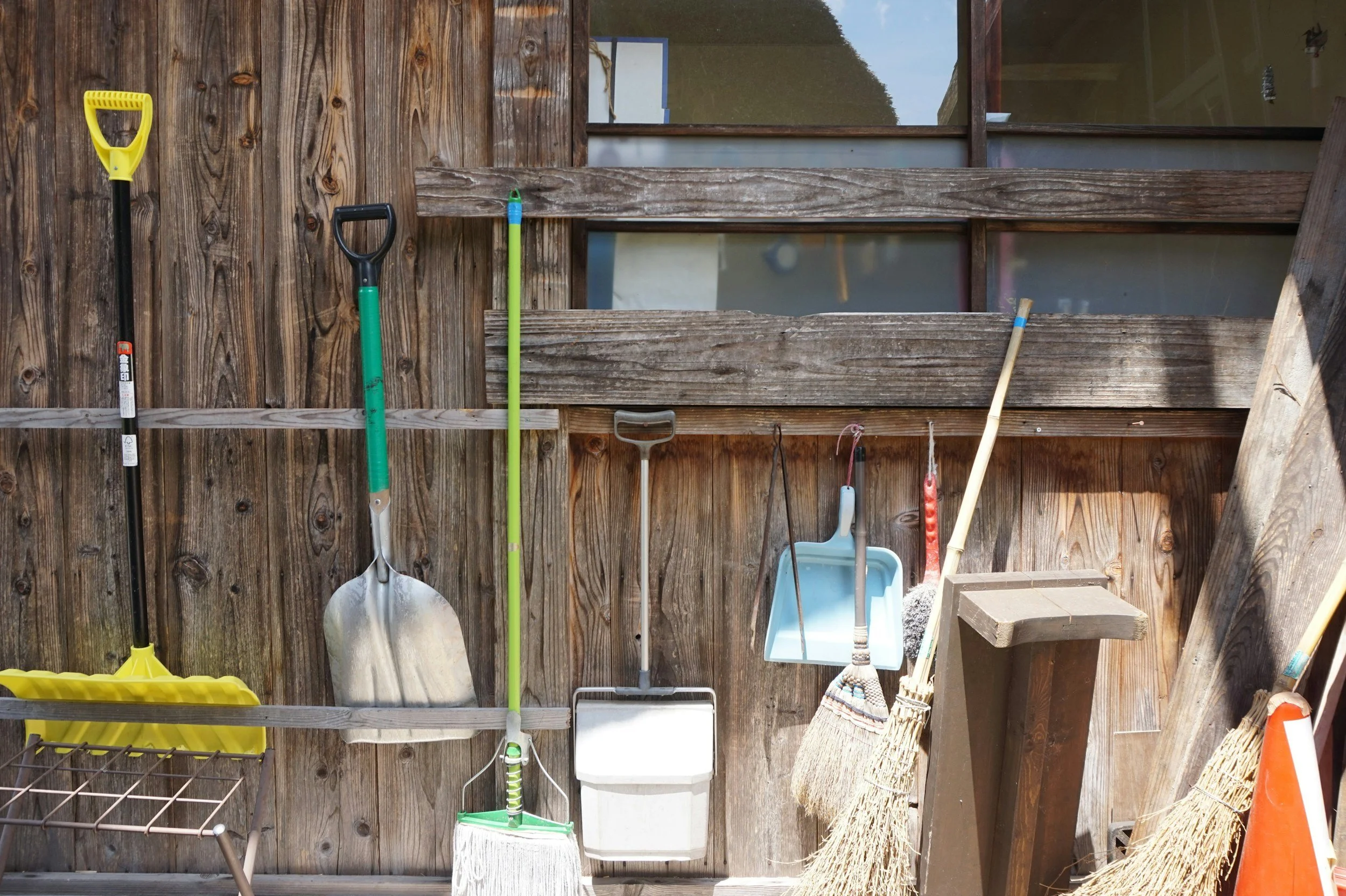
Upcycled Tool Storage: Repurpose old household items rather than buying brand new, mass-produced plastic organisers. Old timber pallets can be easily modified to hold long-handled tools like spades, hoes, and rakes safely against the wall. Meanwhile, thoroughly washed glass jars from your kitchen are perfect for safely storing and labelling saved seeds from your previous successful harvests.
Natural Ventilation: Proper airflow is vital to prevent condensation buildup and potential rust, especially within a steel structure. Position your workspace to take full advantage of natural cross breezes, and consider installing louvred windows or roof whirlybirds to regulate the internal temperature naturally during those notoriously hot Australian summer afternoons.
Compost Integration: Position your active composting bays just outside the door of your workspace. This strategic placement allows you to easily sweep up organic debris, spilled soil, and green plant trimmings directly from your potting bench and deposit them straight into your compost system, effortlessly creating a closed-loop waste cycle on your property.
Andy Watkins @unsplash
The Long-Term Benefits of Organised Organic Gardening
Investing the necessary time, thought, and initial effort into setting up a genuinely sustainable workspace pays rich dividends for many years to come. When your expensive tools are properly maintained, your heirloom seeds are safely catalogued, and your organic fertilisers are kept perfectly dry, your entire daily gardening process becomes infinitely more efficient. You will spend far less time searching in frustration for misplaced secateurs (pruning shears) and much more time actually tending to your growing plants and enjoying the literal fruits of your labour.
Furthermore, a well-organised and highly secure space drastically reduces consumer waste over time. Gardeners without adequate, weatherproof storage often find themselves repeatedly repurchasing basic items that have unfortunately rusted away, rotted, or been completely destroyed by sudden weather events. A highly secure, non-toxic steel structure effectively stops this frustrating cycle of waste in its tracks. By keeping your valuable equipment completely out of the harsh weather, you extend the functional lifespan of your tools and agricultural supplies significantly, keeping broken tools out of local landfills.
Ultimately, a sustainable garden workspace is a physical reflection of the broader organic gardening philosophy itself. It actively relies on careful resource management, strictly avoids the introduction of harmful chemicals, and works in total harmony with the surrounding environment rather than fighting against it. By carefully selecting your building materials with longevity in mind, organising your organic inputs thoughtfully, and successfully integrating clever systems like rainwater harvesting, you will create a highly productive backyard hub that deeply supports both your personal garden’s incredible productivity and the long-term health of the wider local ecosystem.
About the Author:
Tony Hooton, with 20 years in digital marketing, has worked alongside some of the biggest household names, helping brands connect with audiences in smarter, more meaningful ways. Passionate about creativity, strategy, and the ever-changing online world, he now shares insights, tips, and stories from the frontlines of marketing to inspire businesses of all sizes.