


How Mold Starts After Water Damage and How to Prevent It
/Water damage may look like a one-time issue, but it often leads to more problems. When moisture gets into your home, mold can start growing quickly. Even a small leak can become a bigger problem if you don’t fix it right away.
Mold is hard to spot at first. It can grow behind walls, under floors, or inside materials you rarely check. By the time you see it, the damage may already be spreading.
How Mold Starts after Water Damage
Mold doesn’t need much to grow. It only needs moisture, a surface to live on, and a little time. After water damage, your home can quickly become a place where mold settles and spreads.
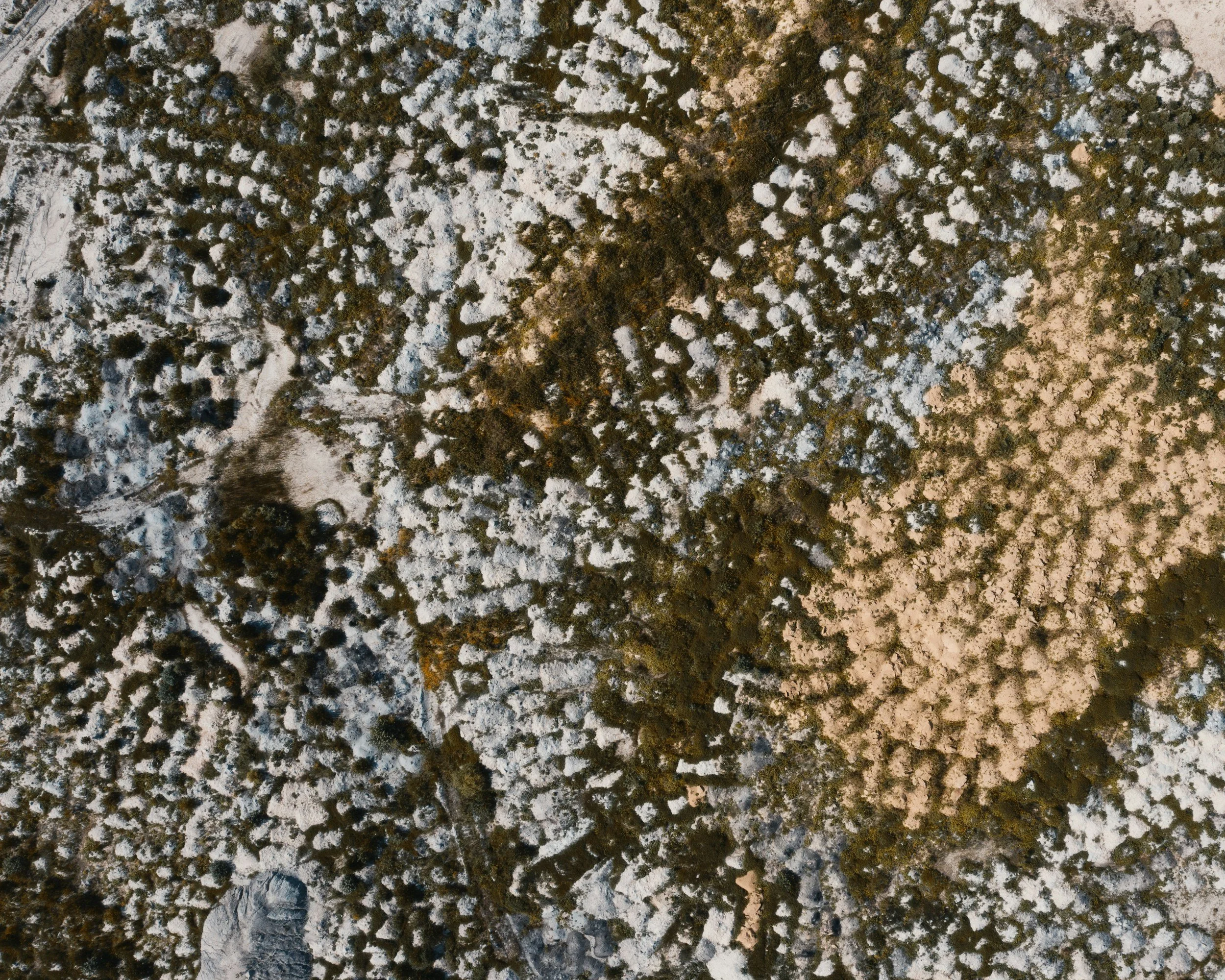
Bence Balla-Schottner @unsplash
Moisture Creates the Perfect Environment
Mold spores are always present in the air. They are harmless until they land on something wet. Once that happens, they can start growing and spreading quickly.
Damp spots like wet drywall or soaked carpet give mold what it needs to grow. The longer moisture stays, the more mold can spread. That’s why it’s important to dry things quickly.
Common Sources of Water Damage
Water damage can happen in many ways, not just from big floods. Sometimes a small problem goes unnoticed and, over time, turns into something bigger.
Common sources include:
Burst or leaking pipes
Roof leaks during heavy rain
Flooding from storms
Leaking appliances like washing machines or water heaters
Even a dripping AC unit can cause mold if you ignore it.
Materials That Mold Grows On
Mold prefers to grow on certain materials, especially those that absorb water easily. Once these materials get wet, they hold moisture and make it easier for mold to grow.
Common materials include:
Drywall
Wood
Carpet
Insulation
Ceiling tiles
If not dried properly, these materials can stay damp for days.
How Fast Does Mold Grow After Water Damage?
Mold can start growing within 24 to 48 hours after water damage. That’s not much time. If the area stays wet, mold spreads even faster.
Here’s a simple timeline:
Within 24 hours: spores begin to activate
48 to 72 hours: mold may start to appear
After 1 week: growth can become widespread
Humidity also affects mold growth. The more humid the air is, the faster mold can grow.
Signs of Mold After Water Damage
Sometimes mold is easy to spot, but other times it’s hidden. Knowing what to look for helps you act quickly. Finding it early can make a big difference.
Common signs include:
A musty or damp smell
Dark spots on walls or ceilings
Peeling paint or warped surfaces
Increased allergies or breathing issues
If something smells off, it’s worth checking out. Your nose is often the first warning sign.
Why Mold After Water Damage Is Dangerous
Mold is more than just something unpleasant to look at. It can harm both your health and your home. That’s why you shouldn’t ignore it.

engin akyurt @unsplash
For your health, mold can trigger allergies and breathing problems. Some people may experience headaches or skin irritation. It can be worse for kids, older adults, or anyone with asthma.
For your home, mold can weaken materials like wood and drywall. Over time, this can lead to costly repairs. Hidden mold can also spread without you knowing.
How to Prevent Mold After Water Damage
The good news is you can prevent mold if you act quickly. Timing is key. The sooner you handle moisture, the better your chances are.
Act Quickly
The first 24 to 48 hours are critical. This is your best window to stop mold before it starts. Don’t wait and hope it dries on its own.
Remove Standing Water
If you see standing water, remove it as soon as possible. You can use a wet vacuum or a pump. The goal is to keep water from soaking deeper into materials.
Dry and Ventilate the Area
Drying the area is just as important as removing water. Use fans and dehumidifiers to help. Open windows if the weather is good.
Good airflow helps remove moisture from surfaces. Without it, things stay damp longer, which is exactly what mold needs.
Remove Damaged Materials
Some materials can’t be saved after they get soaked. Carpet, insulation, and drywall are often in this group. Keeping them can lead to mold growth later.
If something still smells or feels damp after drying, it’s better to remove it. It might feel wasteful, but it helps prevent bigger problems.
Clean and Disinfect Surfaces
Once everything is dry, clean all affected surfaces. If you can, use a mold-resistant cleaner. This helps remove any spores that might still be present.
Don’t skip this step. Even if everything looks dry, spores can still be there. Cleaning gives you extra protection.
Control Indoor Humidity
Try to keep humidity below 50 percent. Higher levels make it easier for mold to grow. A dehumidifier can help keep humidity in check.
Also, make sure rooms like bathrooms and kitchens have good ventilation. These areas often trap moisture.
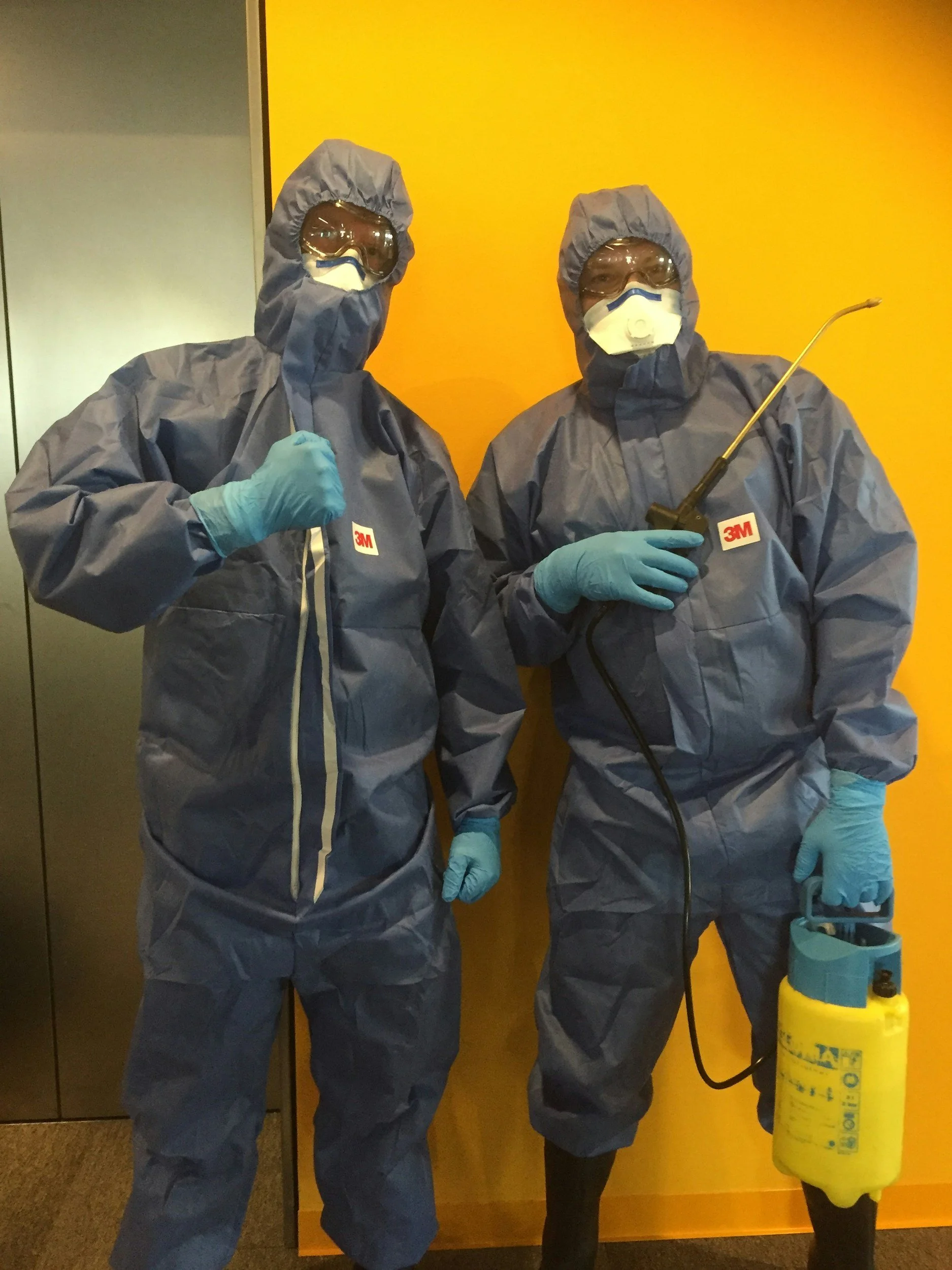
John Doe @unsplash
When to Call a Professional
Sometimes the damage is too much to handle by yourself. If water has affected a large area, it’s best to get help. Professionals have the right tools to find hidden moisture and fix the problem properly.
You should also get help from a certified mold removal contractor if mold keeps coming back, as this often means there’s a deeper problem. In these cases, a mold restoration company can make a real difference and ensure the issue is handled safely.
When you hire a restoration company, make sure they have the right certifications and experience with mold removal. It’s also helpful to read reviews or ask people you trust for recommendations. These steps can help you find a reliable professional and give you peace of mind.
Act Quickly to Minimize Mold Problems
Mold can start growing faster than most people realize after water damage. The key is to act quickly and deal with moisture right away. If you stay on top of it, you can prevent serious damage and keep your home safe.
It’s a good idea to check your home regularly, especially in places where moisture can build up. Check under sinks, around windows and doors, in basements and crawl spaces, near water heaters and washing machines, and behind or under appliances.
Finding small problems early can save you time, money, and stress later. In the end, being proactive is the best way to keep mold from becoming a bigger problem.
About the Author:
John Bryan is with Spartan Restoration, a full-service restoration company serving Long Island and the Greater New York area with expert water, fire, mold, and storm damage recovery services. The company is known for rapid 24/7 emergency response, customer-first service, and helping homeowners restore their properties with professionalism and care.