


How to Prepare Containers for Spring Gardening (Container Garden Refresher)
/As the weather begins to warm and the daylight stretches out longer, many gardeners start thinking about the growing season ahead. If you grow vegetables in containers, early spring is the perfect time to pause and do a quick refresh before planting time begins.
Container gardens can be incredibly productive, but they do require a little preparation each season. Soil breaks down over time, containers can accumulate salts or pests, and last year's planting plan might benefit from a few adjustments.
The good news is that getting your containers ready for outdoor growing does not have to be complicated. With a few simple steps, you can set yourself up for a healthy, productive container garden that will carry you through the entire growing season.
If you are new to food gardening, you may also want to read my guide on How to Start an Edible Garden, which walks through the fundamentals of growing your own food successfully, including in containers.
This guide will walk you through a simple container gardening refresher so you can start the season with confidence.
Step 1: Clean and Inspect Your Containers
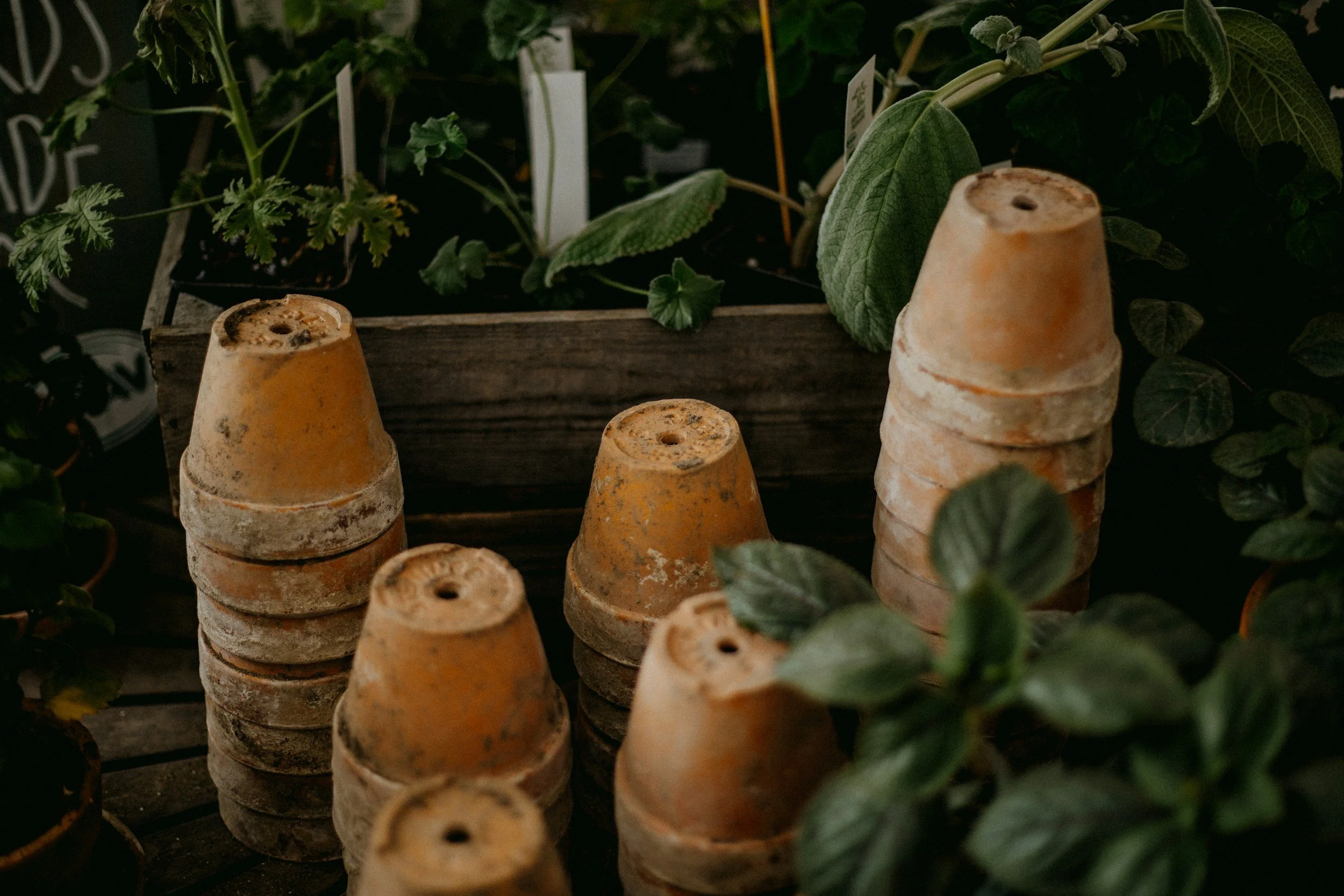
Before you start planting, take time to inspect and clean the containers you used last season.
Over time, containers can accumulate mineral deposits, lingering pathogens, or insect eggs that can cause problems later. A quick cleaning helps create a healthier growing environment for your plants.
Annie Spratt @unsplash
Start by emptying any old soil left in the containers. If the soil looks compacted or depleted, it is best not to reuse it as is for planting vegetables. I’ll describe how you can improve the condition of old soil below.
Next, wash the containers with warm water and a mild soap solution. A simple scrub with a brush is usually enough to remove residue. If you want to be on the safe side, you can wipe it down with rubbing alcohol or spray with vinegar and let it sit for a few minutes, then rinse. Be sure to rinse thoroughly.
As you clean, check for:
Cracks in plastic or ceramic containers
Rusting in metal containers
Blocked drainage holes
Good drainage is essential in container gardening. If water can’t escape easily, plant roots may rot and growth will suffer.
Step 2: Refresh or Replace Your Potting Mix
One of the most common mistakes gardeners make with container gardens is reusing the same potting mix year after year without refreshing it. Healthy soil is the foundation of healthy plants, so knowing how to ensure good soil health is an important first step.
Unlike garden soil, potting mixes break down over time. The organic materials that make them light and fluffy gradually decompose, leaving the mix dense and less able to hold both air and water.
If your containers still contain last year's mix, you have a few options.
Option 1: Replace the Potting Mix
This is the simplest solution and often the best choice for small containers. Dump the old mix into your compost pile or spread it in garden beds where its remaining nutrients can still benefit other plants.
Then refill containers with a fresh, high-quality potting mix designed for vegetables. I always amend commercial soil with a mix of compost and perlite to add nutrients, organic matter, and drainage.
Option 2: Refresh the Existing Mix
If the potting mix still looks reasonably loose and healthy, you can refresh it.
Remove about one third of the old mix and replace it with fresh potting mix. Then blend in compost to restore nutrients and perlite (for drainage) or vermiculite (to help retain moisture. I also add used coffee grounds and finely crushed eggshells to add extra organic matter to the soil, but this is entirely optional.
Avoid using heavy garden soil in containers. Containers require light, well-draining media to keep plant roots healthy. If you’re planting from seed, you can also make your own DIY seed starting mix with a few key ingredients.
If you are starting seedlings indoors before transplanting them to containers, you might want to check out these five foolproof ways to germinate seeds to improve your success rate.
Step 3: Choose the Right Containers for Each Crop
Container size matters more than many gardeners realize. Plants that do not have enough root space will struggle to produce well.
As you prepare for the season, think carefully about which crops will grow in which containers.
Here are some general guidelines:
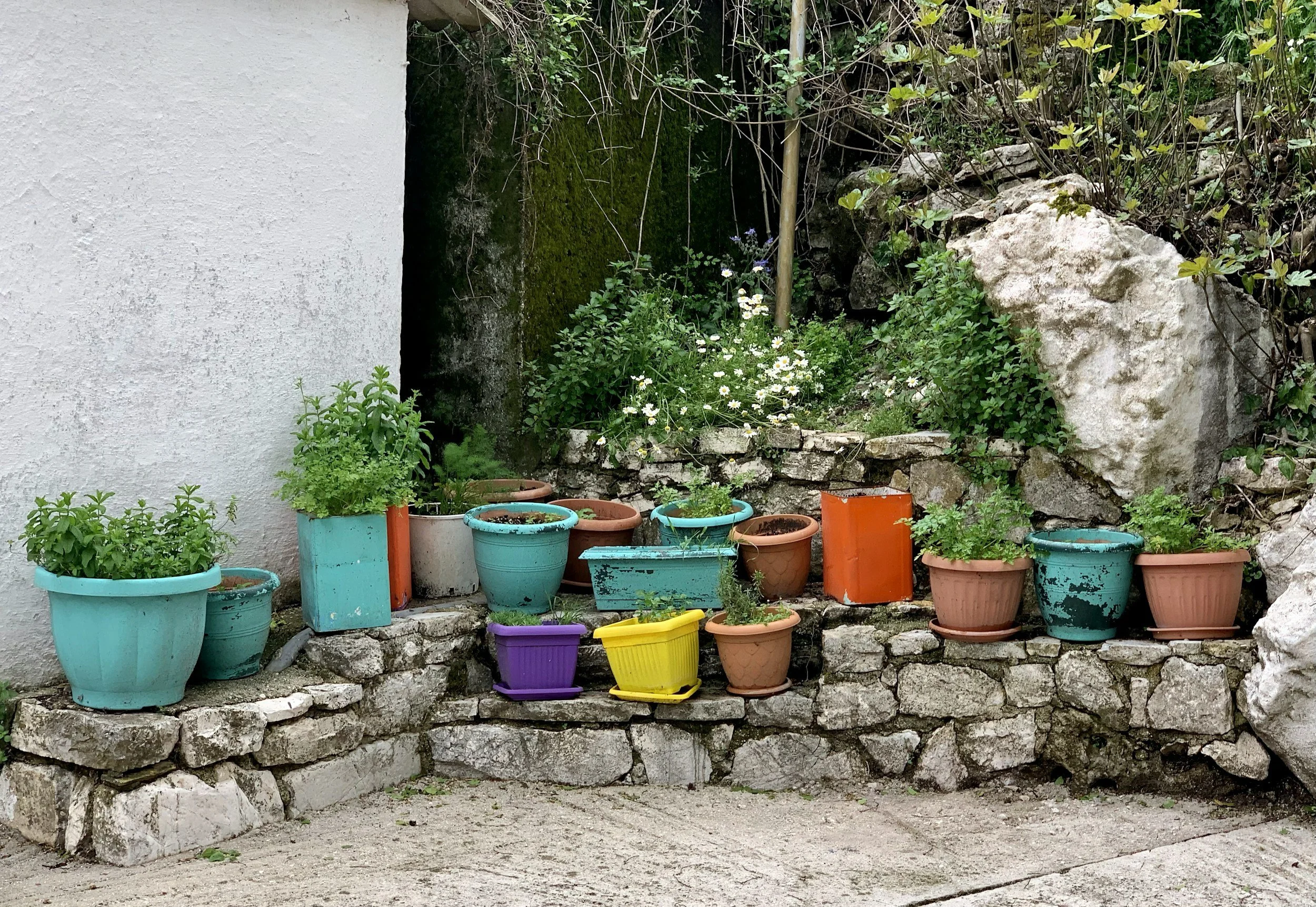
Small containers (1–3 gallons)
Good for herbs like basil, parsley, and cilantro.Medium containers (3–5 gallons)
Ideal for leafy greens such as lettuce, spinach, arugula, kale and bok choy.Large containers (5–10 gallons or more)
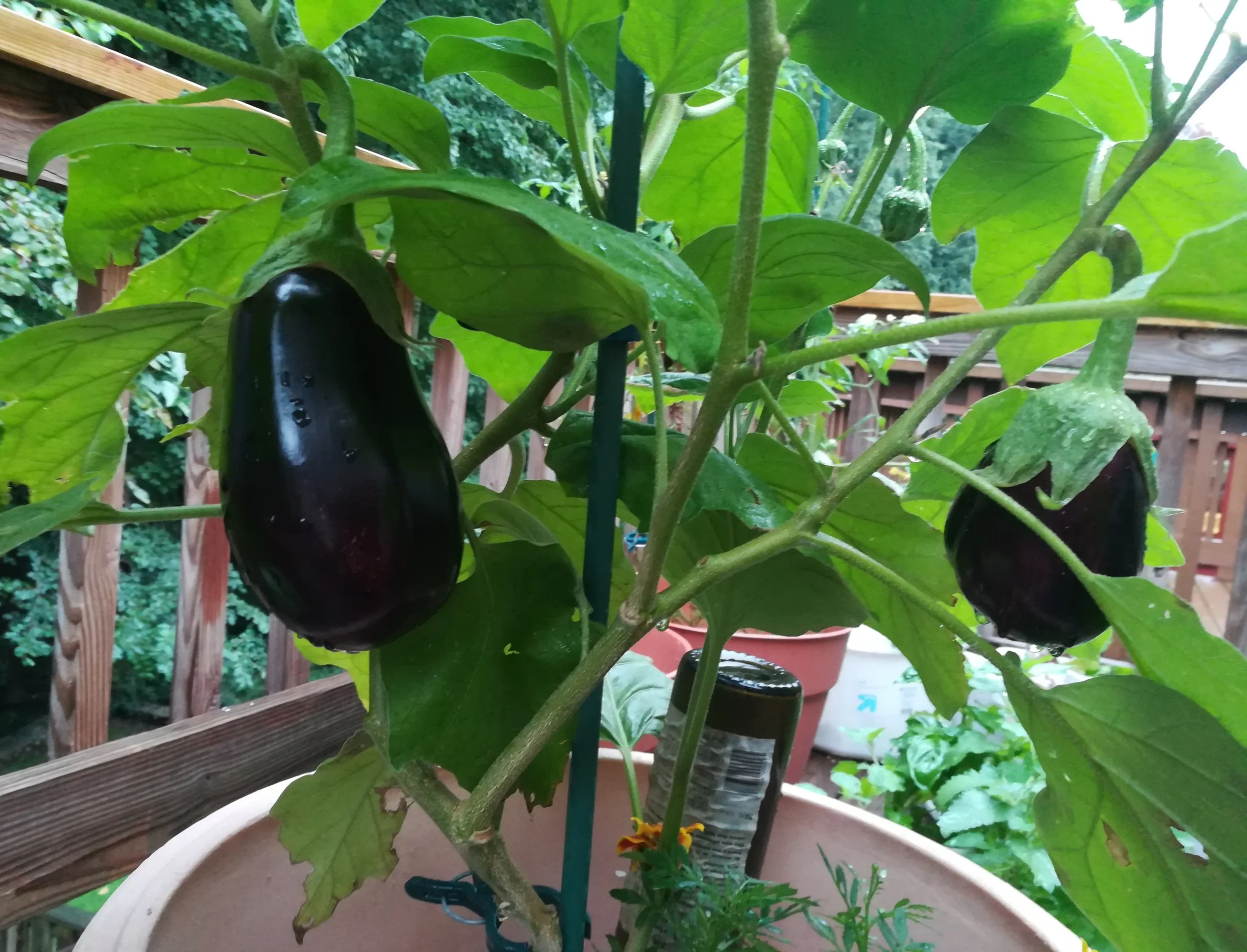
Best for larger crops like tomatoes, peppers, cucumbers, eggplant, and squash.
If you tried growing a crop last year that did not perform well, consider whether the container size might have been the limiting factor.
Giving plants adequate root space usually makes a dramatic difference in yield.
Wouter R @unsplash
Step 4: Plan Your Planting Layout
Container gardens may be small, but thoughtful planning can significantly increase productivity. Take a few minutes to sketch out where each container will go and what will grow in it. Think about the following factors:
Sunlight
Most vegetables need at least six hours of direct sunlight each day. If your growing space only gets partial sun, choose crops that tolerate those conditions better. Leafy greens and peas are good options.
Air circulation
Good airflow helps reduce fungal diseases. As your plants grow bigger you may need to prune some stems to ensure that air can move easily through the plant leaves.
Accessibility
Make sure containers are easy to reach for watering, harvesting, and routine care. This is especially true if you’re using large containers. You can also use a plant caddy to easily move large containers around your deck or patio.
You may also want to stagger plantings so that you are harvesting continuously throughout the season. For example, lettuce and spinach can be planted every few weeks for a steady supply of fresh greens.
Step 5: Check Your Watering Strategy
Water management is one of the biggest challenges in container gardening. Containers dry out faster than in-ground gardens, especially during warm weather. Before the season begins, think about how you will keep your plants consistently watered.
Here are a few options:
Hand watering with a watering can or hose
Installing simple drip irrigation systems
Using a clay watering spike with an empty bottle turned upside down and filled with water
Using self-watering containers
Adding mulch to help retain moisture
Consistency is key. Many plant problems, including blossom end rot in tomatoes and peppers, are often linked to irregular watering rather than nutrient deficiencies.
A routine watering schedule will help your plants grow steadily and produce better harvests.
Step 6: Start with Easy, Productive Crops
If you’re new to container gardening or just want to make sure you have a successful season, start with crops that perform reliably in containers. Some of the easiest vegetables to grow in containers include these:
photo by Green and prosperous
Lettuce
Spinach
Kale
Radishes
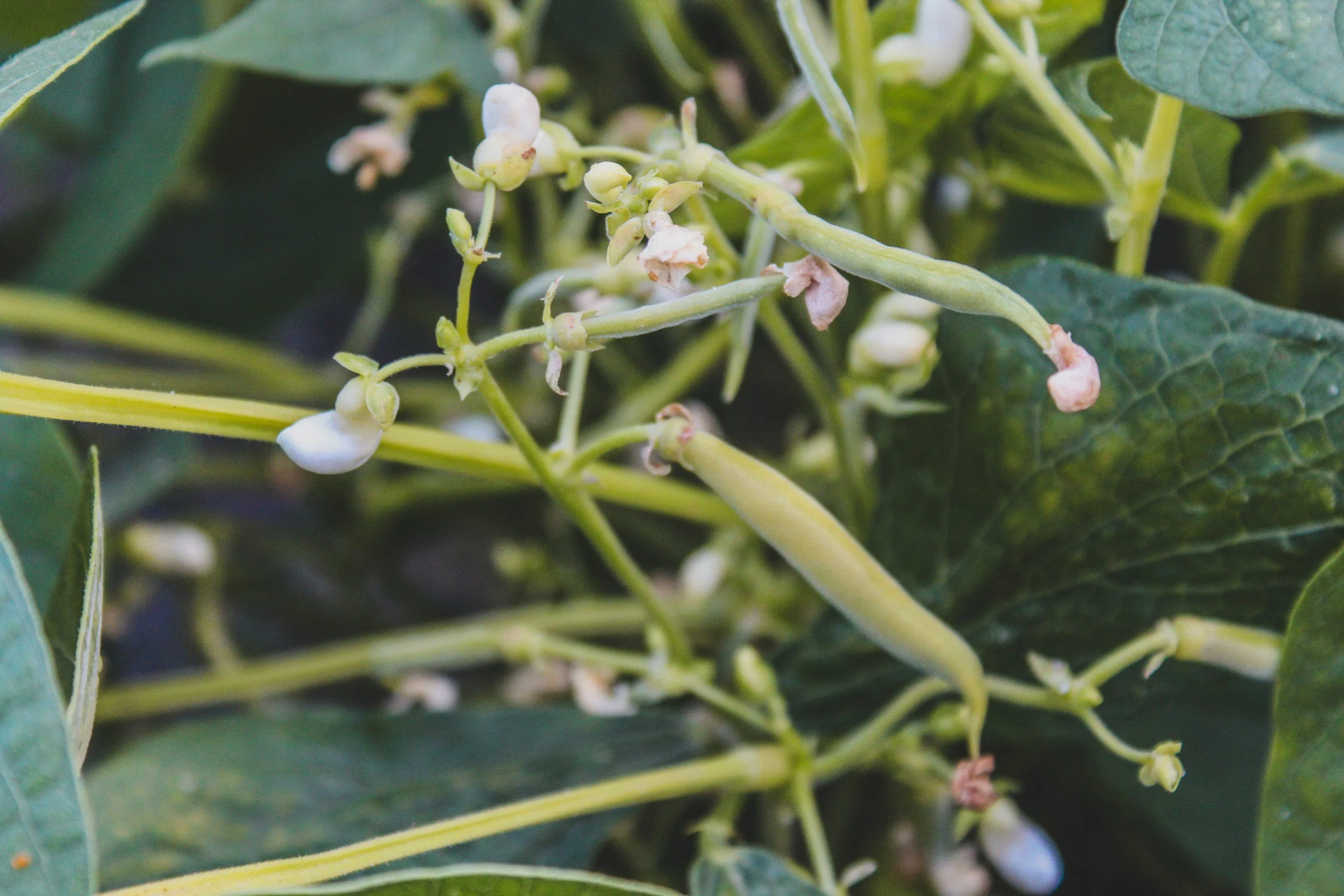
Bush beans
Cherry tomatoes
Eggplants
Peppers
Herbs like basil, thyme, and chives
These crops adapt well to container environments and tend to produce quickly, which makes them especially rewarding for beginners.
As your confidence grows, you can experiment with additional crops and varieties.
Step 7: Keep Pollinators in Mind
Even small container gardens benefit from attracting pollinators. Adding a few pollinator-friendly flowers in or near your containers can improve fruit set for crops like tomatoes, peppers, cucumbers, and squash.
Some excellent container-friendly flowers include:
Calendula
Sweet alyssum
Marigolds
Cosmos
These flowers not only attract beneficial insects but also add beauty and biodiversity to your growing space.
When Is It Safe to Move Container Plants Outside?
One of the most common questions gardeners ask in early spring is when it is safe to move plants outside. While warm days can make it tempting to start planting early, many vegetables are sensitive to cold temperatures and late frosts.
A good rule of thumb is to wait until the average last frost date in your area before moving warm-season crops outdoors. These include plants like tomatoes, peppers, cucumbers, and squash.
Cool-season crops are more tolerant of chilly weather and can often be planted earlier. Vegetables such as lettuce, spinach, kale, and peas usually perform well in containers even when nighttime temperatures are still cool.
Before moving plants outside permanently, it’s also important to harden them off. This process helps seedlings adjust gradually to outdoor conditions such as direct sunlight, wind, and temperature fluctuations.
To harden off plants:
Place seedlings outside in a sheltered spot for a few hours on the first day.
Increase the amount of outdoor exposure each day for 5 days to one week.
Bring plants indoors at night if temperatures drop too low.
This gradual transition reduces transplant shock and helps seedlings establish more quickly once they are planted in their final containers.
If you are unsure about timing, your local cooperative extension office or garden center can help you identify the typical frost dates for your region.
Easy access to home grown food
Container gardening is one of the most accessible ways to grow your own food. It really doesn’t matter if you garden on a patio, balcony, or small backyard: a well-prepared container garden can produce a surprising amount of fresh vegetables and herbs, especially if you succession plant or selectively harvest.
Taking a little time now to clean containers, refresh potting mix, and plan your layout can make a big difference in the months ahead, because a strong start sets the foundation for a healthier garden and a more enjoyable growing season.
If you’d like more step-by-step guidance, our online gardening courses – with free and paid options -- walk you through the process of growing food at home with practical, beginner-friendly strategies.
And if you enjoy tips like these, be sure to sign up for our Gardening Tip of the Week newsletter, where I share seasonal advice to help you grow a productive and healthy garden all year long.
You may also be interested in…


Poor drainage is the number one enemy of both patios and healthy container gardens. While too little water can cause plants to wilt, excess water can be just as damaging. When water has nowhere to escape, it typically collects around the roots, creating conditions that can encourage root rot and fungal diseases. Not only is poor drainage detrimental to plant health, but it can also endanger humans as it heightens the risks of slip and fall accidents in outdoor spaces.