


How to Start an Edible Food Garden: A Beginner’s Guide to Growing Food at Home
/I remember the first time I grew my own food garden. It was 1999 and I was living in the Pacific Northwest. My food garden was limited to cabbage in a small raised bed, and that first try was disappointing: I barely grew anything, and the cabbage that did grow didn’t exactly look appetizing (plus, I don’t know what I was thinking by planting a crop I hardly ever ate). Plus, I was trying to finish my Ph.D dissertation, so I was feeling stressed out and overwhelmed most of the time.
I was determined to do better. After all, as a child I had spent summers on a farm in Kannapolis, North Carolina helping harvest corn, beans, collards, okra and various other kinds of fresh, delicious produce that grew to massive sizes on my Aunt Babe’s plot of land. So I should be better at growing food, or so I thought. The next year I grew cabbage was much better. I had still only planted one crop, but the second time around I had an abundant harvest, enough to give some away, which was the biggest thrill of all for me.
What that early experience taught me is something I see again and again with new gardeners: success rarely comes from doing more, but from doing a few things more thoughtfully. I didn’t suddenly become more skilled or have more time the second year. I simply paid closer attention to my space, chose a crop that made sense for where I was in my gardening journey, and started small. Edible gardening became manageable once I stopped trying to get everything right at once. That same approach is what this guide is built around.
If you’re looking for a simpler, low-pressure overview of how to start an edible garden, you can begin there before diving into the more detailed, step-by-step approach below.
How to Start an Edible Garden (Step by Step)
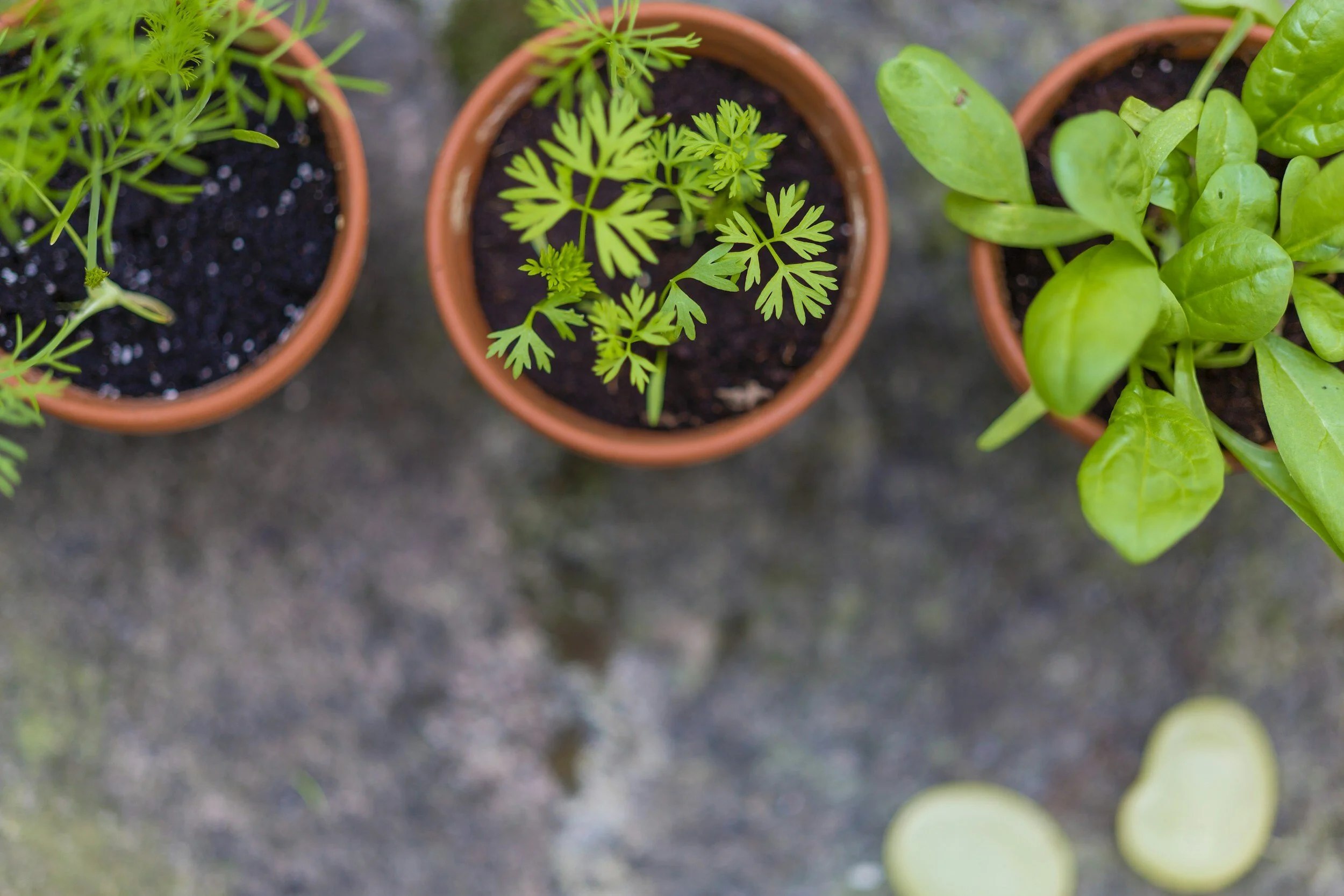
It might surprise you to know that starting an edible garden doesn’t begin with seeds, seedlings, or a shopping list. It begins with understanding the space you already have. This step is often overlooked, but it is one of the most important factors in long-term success, especially for beginners.
Many gardening frustrations can be traced back to plants being placed in spaces that do not meet their basic needs. By starting with your space first, you make it much easier to choose plants that will thrive rather than struggle.
André Lergier @unsplash
Step 1: Start With Your Space (Not with Plants)
Before deciding what to grow, take a closer look at where your edible garden will live. This does not require measuring tape or complicated planning. It simply means paying attention to a few key conditions that shape what is realistically possible.
Identify the Type of Space You Have
Your edible garden can take many forms, and none of them are more “real” than the others. Common beginner-friendly options include:
In-ground garden beds, where plants grow directly in the soil
Raised beds, which offer more control over soil and drainage
Containers, such as pots, grow bags, or repurposed containers
Balconies, patios, or porches, which often rely on containers
Indoor spaces, including sunny windows or dedicated grow setups
For many people, especially those without a backyard, gardening for beginners with limited space starts with learning how to grow food successfully in containers or small outdoor areas.
Each of these options comes with different advantages and limitations. What matters most is choosing an approach that works with your space, rather than trying to force your space to match a specific garden style.
Pay Attention to Sunlight
Sunlight is one of the most important factors in edible gardening, and it is often misunderstood by beginners. Most edible plants need several hours of direct sunlight each day to grow well, but not all plants have the same requirements.
Take note of:
How many hours of direct sun your space receives
When that sunlight occurs (morning vs afternoon)
Whether buildings, trees, or fences create shade
A space that receives four to six hours of sunlight can still be productive, especially with leafy greens and herbs. Full sun is helpful, but it is not a requirement for every edible plant.
Spending a few days observing your space can prevent weeks of frustration later on.
Consider Access to Water
Another practical factor to consider is how easily you can water your plants. A garden that you can’t easily reach with a hose or watering can is more likely to be neglected, even with the best intentions.
Ask yourself:
Is water nearby and easy to access?
Will watering feel manageable on busy days?
Can you water consistently during hot or dry weather?
Designing your edible garden around convenience, rather than idealized routines, helps make it sustainable over time.
Think About Scale and Maintenance
One of the most common beginner mistakes is starting too big. While enthusiasm is a good thing, it is much easier to expand a garden than to scale one back after feeling overwhelmed.
Starting small allows you to:
Learn how your space behaves across seasons
Understand how much time and attention your plants need
Build confidence through early successes
Even experienced gardeners return to this principle when trying something new.
Match Your Space to Your Goals
Finally, think about what you want from your edible garden. Are you hoping to supplement groceries, grow a few favorite herbs, or experiment and learn? Your goals should guide your choices, not the other way around.
A small, well-matched garden that fits your space and goals is far more successful than a larger one that feels stressful to maintain.
Step 2: Decide What You Actually Want to Grow
Once you understand your space — how much light it gets, how easy it is to water, and what fits comfortably into your routine — the next step is choosing what to grow. Picking plants based purely on popularity or aesthetics almost always leads to confusion or frustration later on. Instead, focus on the foods you actually eat and enjoy.
This step is part practical and part personal. It aligns your edible garden with your life, not just a gardening checklist.
Start With What You Eat
The most successful edible gardens grow things you regularly cook with or love to snack on. Ask yourself:
What do I buy most often at the grocery store?
What fresh herbs or greens do I wish were cheaper or always available?
What would make me excited to step outside and harvest?
If herbs are high on that list, for example, a container herb garden could be one of your first successes. For more ideas on beginner-friendly herbs and how they fit into everyday cooking, check out this guide to growing the best winter herbs for beginner gardeners.
Choose Plants That Match Your Conditions
Now that you know what you want to eat, match those preferences to what your space can realistically support.
Light-loving crops (full sun):
Tomatoes
Peppers
Basil
Partial shade favorites:
Lettuce
Arugula
Spinach
Herbs that tolerate a range of conditions:
Thyme
Mint
Chives
When in doubt, choose plants that are known to be forgiving and well-suited to your combination of light, space, and time.
Pay Attention to Your Climate and Seasons
All plants have a preferred growing season. Some thrive in cool weather, others in heat.
Cool-season crops (spring/fall): Lettuce, kale, peas
Warm-season crops (summer): Tomatoes, peppers, cucumbers
Year-round herbs (depending on variety and microclimate): Parsley, thyme
If you’re unsure about timing for your area, a simple climate guide or planting calendar post can help you plan what to sow and when.
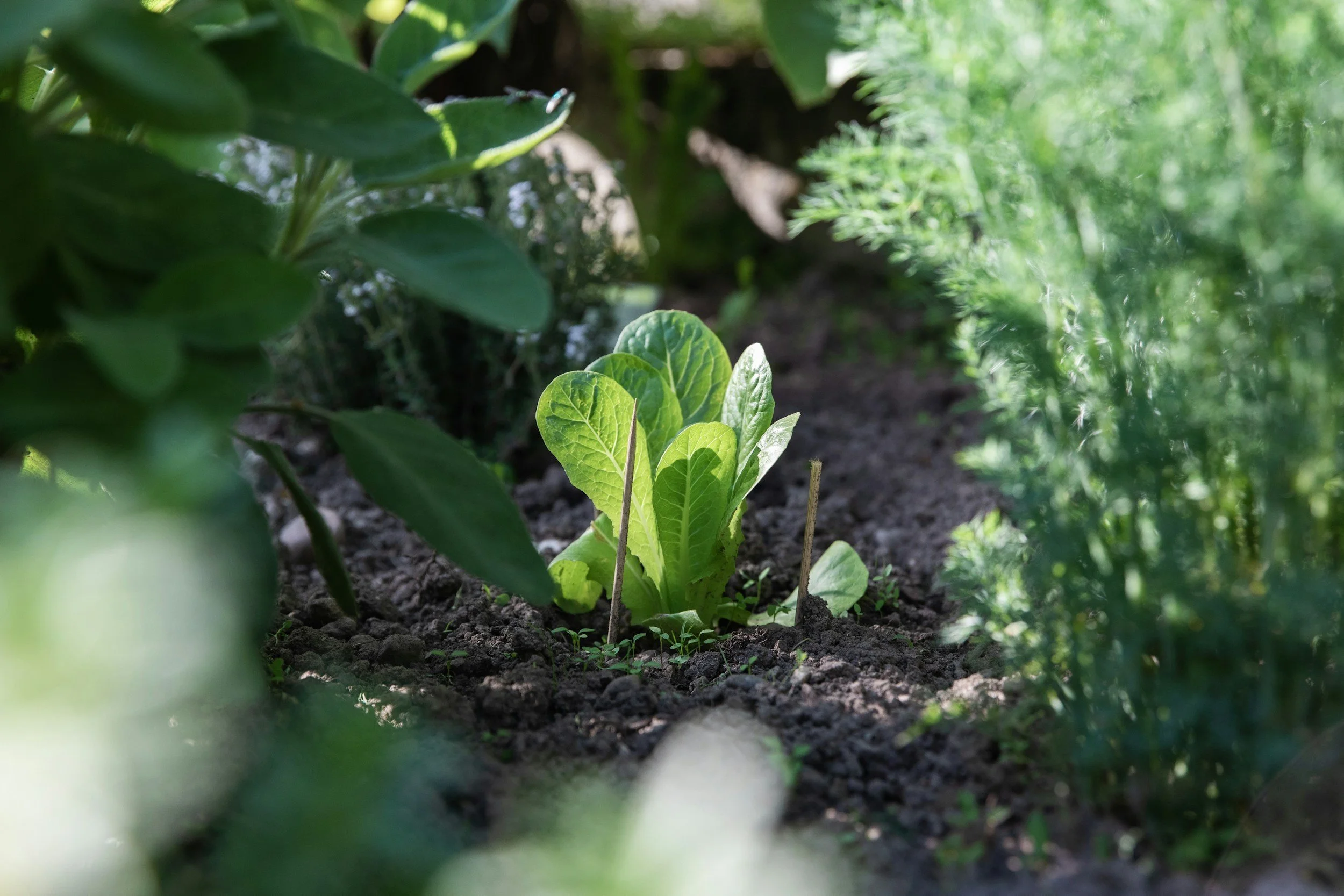
Start with a Few, not a Forest
It’s tempting to fill every pot or bed with something new, but more is not always better, especially if you’re a novice gardener.
Sixteen Miles Out @unsplash
A manageable plant list might look like this:
1–2 leafy greens
1–2 herbs you use frequently
1 piece of fruit-bearing produce (like a tomato, eggplant or pepper)
Starting small allows you to:
notice patterns in how your space performs,
learn plant needs without overwhelm, and
build confidence through early wins.
Once these grow well, it gets easier to add more plants to your garden.
Why This Step Matters
Choosing what to grow based on your habits rather than garden trends makes your edible garden feel rewarding instead of like a to-do list. You’re not just planting plants — you’re planting food you will actually harvest, enjoy, and use.
Step 3: Soil, Containers, or Systems – Choosing How You’ll Grow
Once you know your space and have a short list of crops you’re excited to grow, the next decision relates to how those plants will grow. This step is where many beginners can feel overwhelmed, because there are so many options and opinions.
The good news is that there is no single “best” method for edible gardening. There is only the method that works best for your space, your comfort level, and your goals.
Growing Directly in the Ground
In-ground gardening is often what people picture when they think about growing food. Plants grow directly in existing soil, usually in rows or defined garden beds.
This approach can work well if
you have access to healthy, loamy soil (not too sandy or clay-like),
drainage is decent, and
you plan to garden in the same spot long-term.
However, in-ground gardening is not automatically easier for beginners. Soil quality varies widely and improving poor quality soil takes time. If your soil is compacted, low in nutrients, or difficult to work with, other methods may be more manageable.
Raised Beds and Containers
Raised beds and containers offer more control and are often easier on your back, which is why they are often recommended for beginners and older people.
They allow you to:
start with better-quality soil,
manage drainage more easily, and
place plants exactly where light is best.
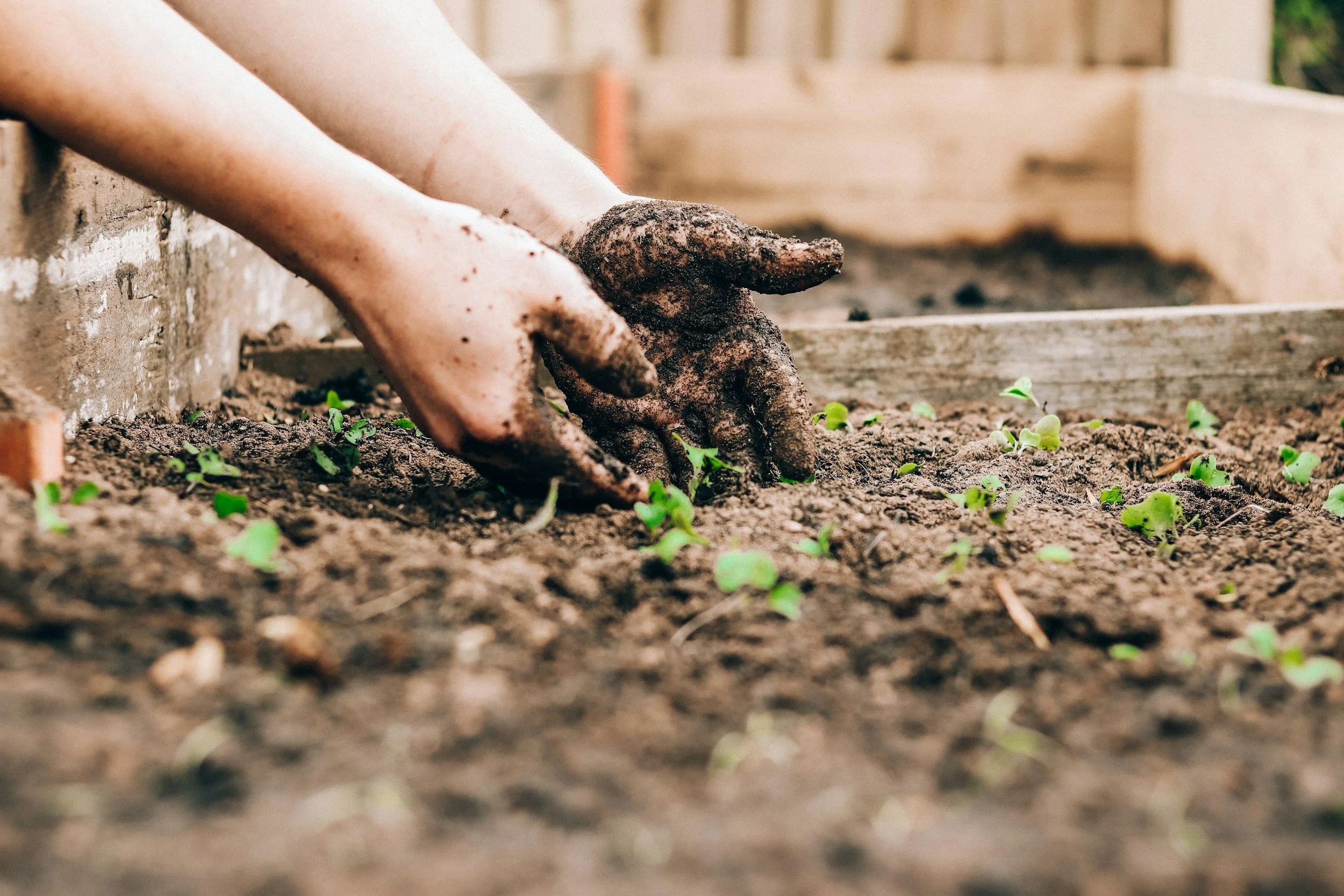
Containers are a great, and flexible, option for patios, balconies, and small spaces. Many edible plants grow beautifully in pots when given the right soil and consistent care. In fact, I’ve found that some of my crops (tomatoes, eggplant) grow much better in large containers than in the ground or even in my raised beds.
Sandie Clarke @unsplash
If you are gardening organically, soil quality matters no matter which method you choose. Understanding how to improve soil health with organic amendments instead of synthetic inputs makes all the difference in plant performance. Taking the time to amend your soil with compost and materials to help with drainage (like perlite) will help you grow a thriving, healthy, and easier-to-maintain garden.
Indoor Growing and Simple Systems
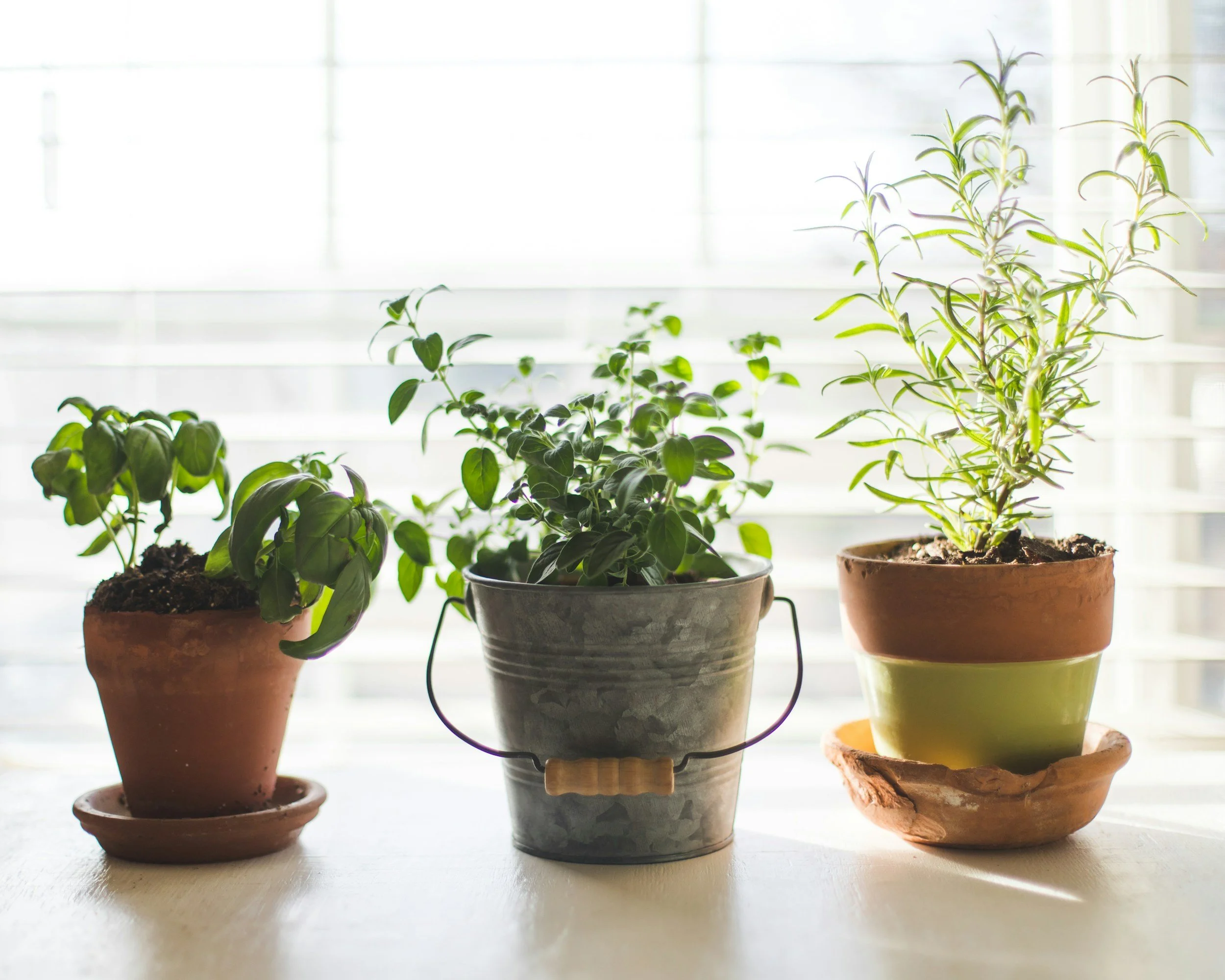
Some beginners choose to grow food indoors, either to extend the season or because outdoor space is limited. This might include growing herbs on a sunny windowsill or using a simple indoor setup for leafy greens.
Indoor gardening can be a great supplement to outdoor growing, but it works best when expectations are realistic. Starting with easy crops and simple systems helps build confidence before experimenting further.
This guide will touch on indoor growing where it’s helpful, but deeper indoor growing systems, including hydroponic growing setups, deserve their own focused resources.
Choosing the Right Option for You
If you’re unsure which growing method to choose, consider these questions:
Do I want maximum control or minimal setup?
How much time do I want to spend on soil preparation?
Am I gardening temporarily or long-term?
Many gardeners use a combination of methods over time. Starting with one or two approaches keeps things manageable and makes it easier to learn what works best for you.
Gentle Setup Reassurance
If you’re feeling unsure at this stage, that’s completely normal. Gardening advice can make it seem like you need to get everything perfect before planting. In reality, most gardeners refine their setup as they go along.
What matters most is starting with a reasonable system that is manageable for your lifestyle and resources and paying attention to how your plants respond.
Step 4: Seeds vs. Seedlings (And When Each Makes Sense)
Once you know where and how you’ll grow your edible garden, the next decision is whether to start plants from seeds or buy seedlings. This choice often feels more complicated than it needs to be, especially for beginners who worry about making the “wrong” call.
The truth is that both options are valid, and many successful gardens use a combination of the two.
Starting From Seeds
Growing plants from seed can be deeply satisfying, and it offers the widest variety of crops to choose from. Seeds are usually less expensive than seedlings and make it possible to grow plants that are hard to find locally, especially if you buy seeds from seed catalogs.
Starting from seed works especially well if:
you enjoy hands-on learning,
you want to grow specific varieties, or
you have the time and patience to monitor early growth.
That said, seed starting does require attention to timing, moisture, and temperature. Germination issues are one of the most common frustrations beginners face, and they are often the result of growing conditions rather than effort. It’s not hard to learn how to successfully germinate seeds indoors and outdoors, but if you plan to start from seed, a clear understanding of germination basics can make the process a lot easier and more effective.
Buying Seedlings
Seedlings, also called transplants, are young plants that have already passed the most delicate stage of growth. For beginners, this can remove a major source of stress and uncertainty.
Buying seedlings makes sense if:
you’re short on time,
you’re starting late in the season, or
you want quick, visible progress.
Many gardeners choose seedlings for crops like tomatoes and peppers while starting easier plants, such as greens or herbs, from seed. This hybrid approach balances learning with reliability.
Which Is Better for Beginners?
There is no universal answer. The better choice is the one that fits your schedule, your comfort level, and your goals for this season.
Starting with a mix of seeds and seedlings often provides the best of both worlds: early wins alongside opportunities to learn. Over time, you may find yourself leaning more heavily toward one method or the other, and that’s perfectly normal.
Once your plants are growing, the focus shifts to keeping them healthy with consistent, simple care, rather than constant intervention.
Step 5: Watering, Feeding, and Basic Care (Keep It Simple)
After planting, many beginners worry that they need to do more to help their garden thrive. In reality, the most important factor in plant health is consistency, not complexity.
Watering and feeding are essential, but they don’t need to be complicated or perfectly timed to be effective.
Benjamin White @unsplash
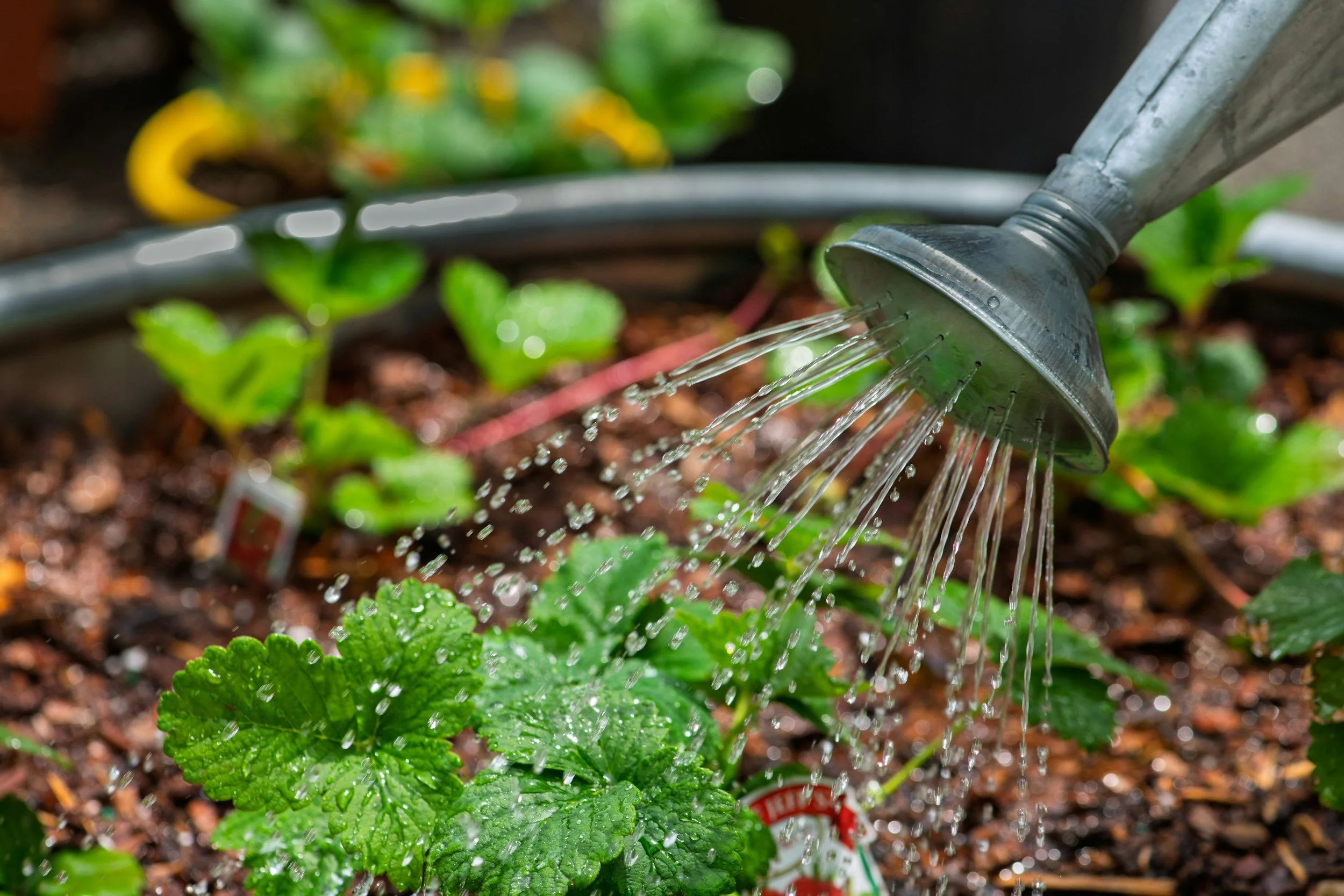
Watering Consistently Matters More Than Watering Perfectly
Most beginner plant problems are related to watering, especially overwatering. While it’s natural to want to “help” plants, too much water can be just as damaging as too little.
A few general guidelines:
Water deeply, but not constantly
Let the soil dry slightly between waterings
Adjust based on weather, container size, and plant type
Getting familiar with how your soil feels when it’s dry versus adequately moist is more useful than following a rigid schedule.
Feeding Plants Without Overdoing It
Plants need nutrients to grow, but more is not always better. Over-fertilizing can stress plants and reduce productivity.
Beginner-friendly feeding habits include:
starting with nutrient-rich soil,
adding compost or organic amendments as needed,
avoiding frequent or high-strength fertilizers.
Understanding how soil health supports plant growth can help you feed plants more effectively and sustainably.
Paying Attention to Early Warning Signs
Plants often signal stress before serious damage occurs. Yellowing leaves, slow growth, or curling, chewed foliage are all cues to pause and observe what’s going on rather than panic.
Many of the problems you’ll encounter have simple causes and straightforward solutions. Learning to recognize these common plant problems and quick fixes builds confidence and reduces unnecessary interventions.
A Note on Pests (without Going Down the Rabbit Hole)
Encountering insects is a normal part of edible gardening. Not all insects are harmful, and many play beneficial roles in the garden ecosystem.
When pests do become a problem, gentle, targeted solutions are usually more effective than harsh treatments. It’s best to address specific issues as they arise rather than trying to prevent every possible problem in advance. While you can control aphids naturally with something as simple as a homemade insecticidal soap, other garden pests such as earwigs, often require a different approach. If earwigs become an issue, learning how to get rid of earwigs in your garden without harmful chemicals can help you manage them gradually without disrupting the rest of your garden.
Even with good care, mistakes are part of learning. Understanding the most common beginner missteps can help you avoid unnecessary frustration and keep your garden moving forward.
Mistakes New Gardeners Make (and How to Avoid Them)
Every experienced gardener has made mistakes. The difference between giving up and growing more confident often comes down to understanding why something didn’t work and adjusting accordingly.
Here are some of the top mistakes new gardeners make and how to avoid them.
Starting Too Big, Too Fast
Enthusiasm is a wonderful thing, but it often leads beginners to plant more than they can realistically manage. Large gardens require more watering, more monitoring, and more problem-solving.
Starting small allows you to:
learn how your space behaves,
notice problems early, and
build confidence before expanding.
You can always grow more next season.
Choosing Plants That Don’t Match Conditions
Plants that need full sun will struggle in shade, and heat-loving crops planted too early often stall or fail. Matching plants to your space and season is one of the simplest ways to improve success. If you’re just starting out, choose easy vegetables, fruits, and flowers to plant in mid-spring like lettuce, carrots, strawberries, and marigolds.
Many early disappointments can be traced back to mismatched expectations rather than poor care.
Overwatering and Overfeeding
Trying too hard is a common beginner problem. Plants grow best when their basic needs are met consistently, not when they are constantly adjusted or “rescued.”
Learning when to step back is just as important as knowing when to intervene.
Expecting Perfection
Edible gardening is not about flawless plants or uniform harvests. Weather, pests, and timing all play a role, and some unpredictability is part of the process.
Progress, not perfection, is the goal.
Not Learning from Setbacks
A disappointing harvest or failed crop can feel discouraging, but it’s also valuable information. Paying attention to what worked and what didn’t will help you make better choices next time.
Many gardeners see the biggest improvements in their second and third seasons, once patterns begin to emerge. Sometimes, simple tips and hacks for beginner gardeners can help you avoid disappointing setbacks that may discourage you from trying again.
How Edible Gardening Fits into a Sustainable Lifestyle
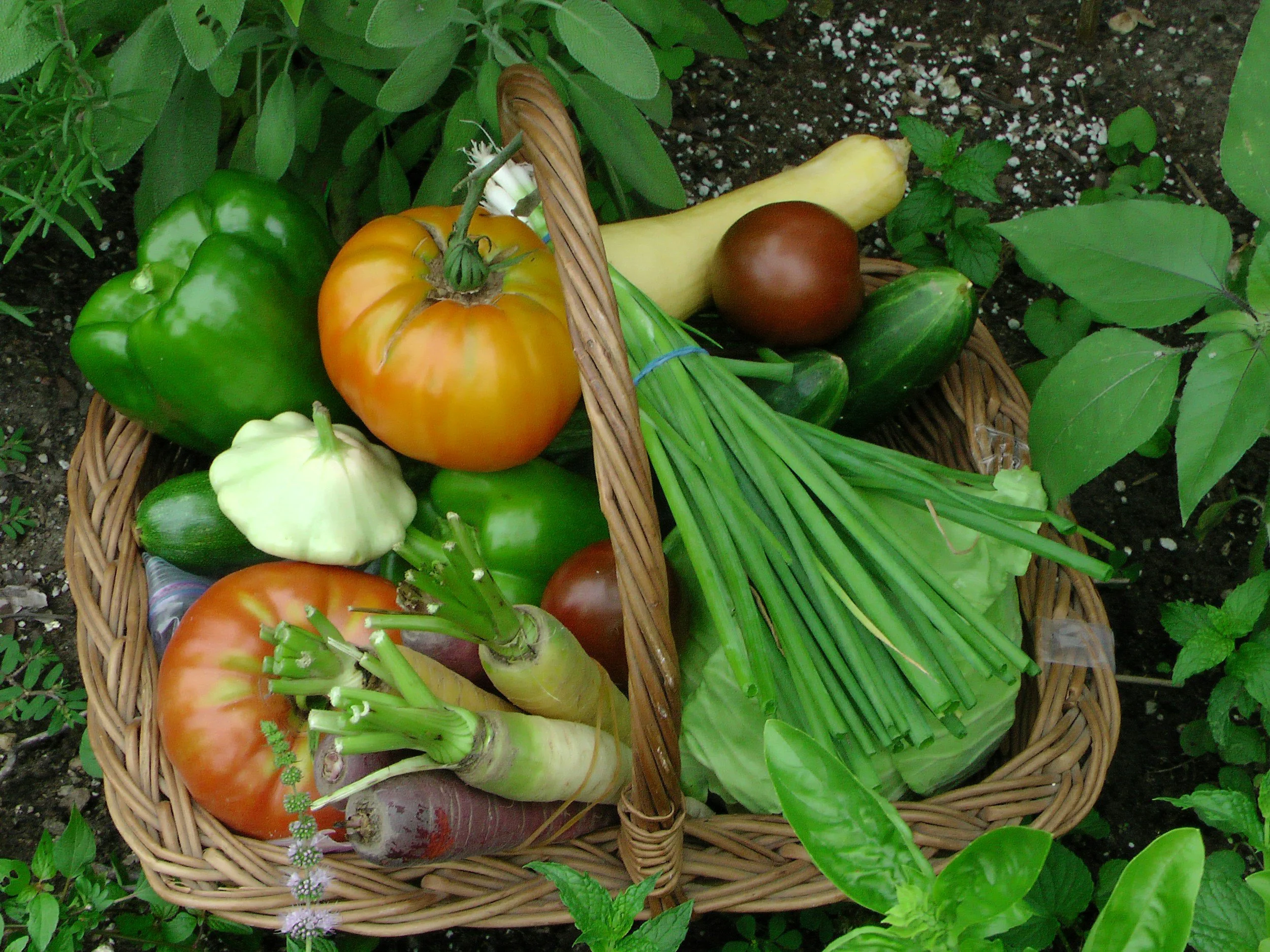
One of the often-overlooked benefits of edible gardening is how naturally it fits into a more sustainable way of living. Growing even a small amount of food at home can reduce food waste, cut down on packaging, and help you reconnect with seasonal rhythms.
Just as importantly, edible gardening encourages slower, more intentional habits. It invites you to pay attention, to work with nature rather than against it, and to accept that progress happens over time. You don’t need to grow everything yourself to make a difference. Growing something is enough.
Annie Lang @unsplash
When approached realistically, edible gardening supports both environmental well-being and personal well-being. It becomes less about productivity and more about participation, learning, and nourishment.
Want Support as You Grow? Here’s Where to Go Next
If this guide helped you feel more confident about starting an edible garden, you don’t have to figure out the rest on your own.
At Green and Prosperous, I share:
weekly beginner-friendly gardening tips,
seasonal guidance to help you know what to focus on now,
and practical, eco-conscious strategies for growing food at home.

like this? Please pin!
You can also explore my online gardening courses if you’d like step-by-step structure, deeper guidance, and support as you build your skills at your own pace. All of our courses also show you how to start an organic garden successfully so that you can enjoy healthy harvests without adding synthetic chemical inputs that could compromise your health and the environment.
Growing food doesn’t have to be complicated. Sometimes, having a clear path makes all the difference.
Frequently Asked Questions About Edible Gardening for Beginners
-
A small edible garden can often be maintained with short, regular check-ins a few times each week in the cooler seasons or once daily in the warmer seasons. Starting small helps keep the time commitment manageable.
-
Leafy greens, herbs, and certain vegetables like radishes or bush beans are often good starting points because they grow quickly and tolerate minor mistakes.
-
Yes. Many edible plants grow well in containers, on balconies, patios, or even indoors with adequate light. You may need to supplement natural light with a small, full-spectrum LED light, which are widely available and inexpensive to buy nowadays.
-
No, but many beginners choose organic methods because they are simpler, gentler on the environment, and focus on building healthy soil over time. Organic gardening methods also emphasize working with, rather than against, your local environment, which means less work fighting garden battles and more time to enjoy your garden harvest.
-
That’s normal. Most gardeners learn through trial and adjustment. Each season provides useful information that helps improve results the next time around: just remember to pay attention to what didn’t work so that you can have better results on your next try.
-
You don’t need to have everything figured out before you begin. Edible gardening works best when it’s treated as a process, not a test. Start with what you can manage, learn as you go, and allow your garden to grow alongside your confidence.