


How to Design a Pollinator-Friendly Spring Garden
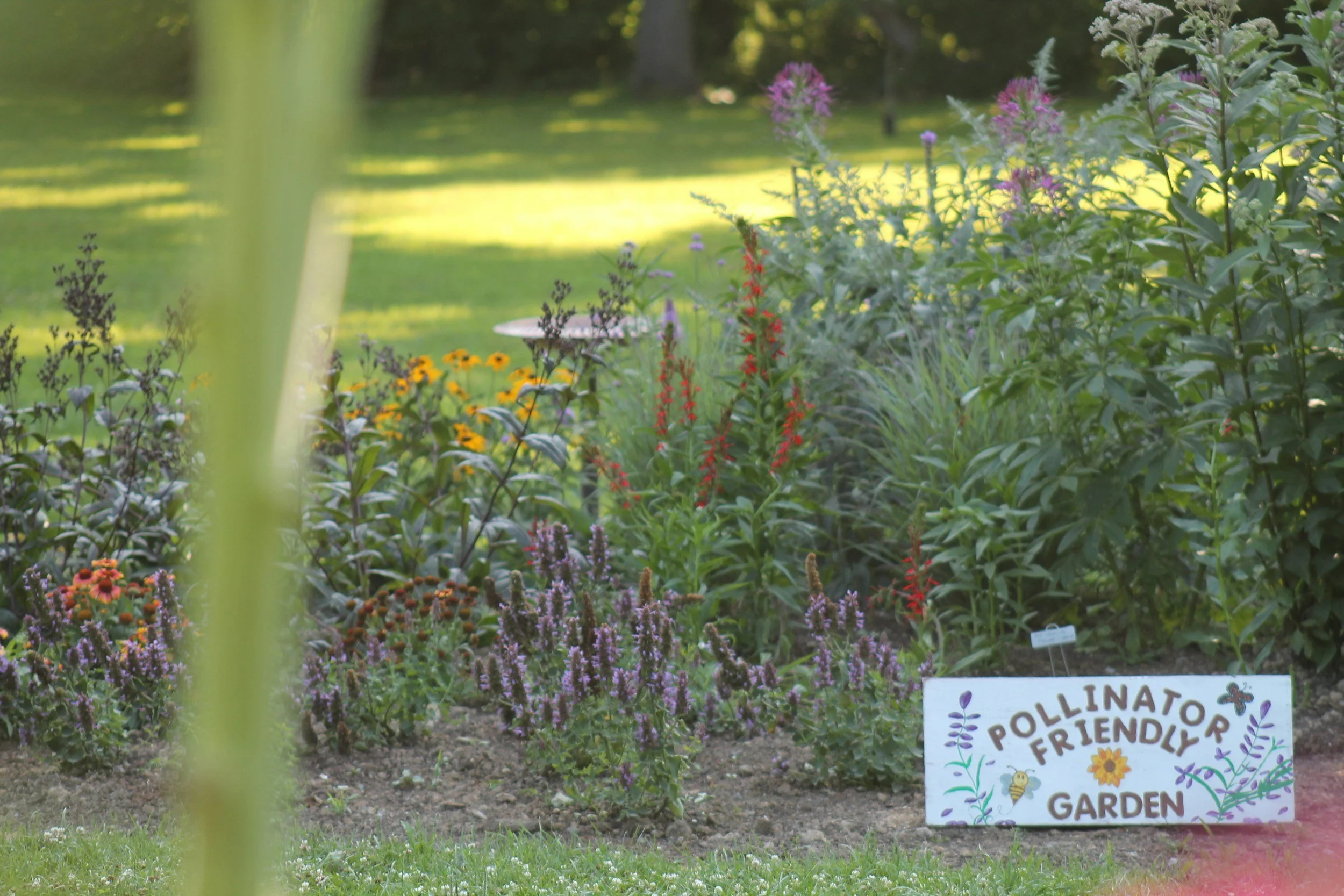
/Did you know that without pollinators, we wouldn’t be able to enjoy much of the fresh food we eat? About three-quarters of the flowers we see and a third of the global food supply are dependent wholly or in part upon pollinators. And yet in many places in the world, pollinator populations are in decline, with some facing the possibility of extinction. Spring is one of the most important times of year to support pollinators. As temperatures rise and plants begin to bloom, bees, butterflies, and other beneficial insects emerge in search of food after months of scarcity. By intentionally designing your garden with pollinators in mind, you can create a thriving, productive space that supports biodiversity while also improving your harvests.
A pollinator-friendly garden is not just beautiful. It is functional, resilient, and deeply connected to the health of your local ecosystem. It’s also increasingly important for everyone – from governments to non-profit organizations to farmers and home gardeners – to do more to support pollinator populations.
If you have started, or want to start an edible food garden at home, this article will give you tips on how you can easily incorporate both edible and non-edible plants in your design.
Why Pollinators Matter in Your Garden
Pollinators play a critical role in your own garden. Many of the crops you grow at home, including tomatoes, cucumbers, squash, berries, and herbs, rely on insects for successful pollination. Without them, yields decrease and fruit quality suffers.
Nicholas Sorrenti @unsplash
Beyond productivity, pollinators contribute to the overall health of your garden. A diverse population of beneficial insects helps maintain ecological balance, reducing the likelihood of pest outbreaks and supporting natural cycles within your garden.
Designing your growing space in a way that can support the population of pollinators and other beneficial insects is, therefore, one of the most effective ways to create a garden that is both abundant and sustainable.
Start with Early Spring Blooms
One of the biggest challenges pollinators face is a lack of food in early spring. Many insects emerge before most garden plants begin flowering, which creates a critical gap in nectar and pollen availability.
To support them, include early-blooming plants in your garden design. Focus on species that flower as soon as temperatures begin to warm, preferably non-cultivars (cultivars are plants species that were bred by humans for specific traits, like color).
Some excellent options include:
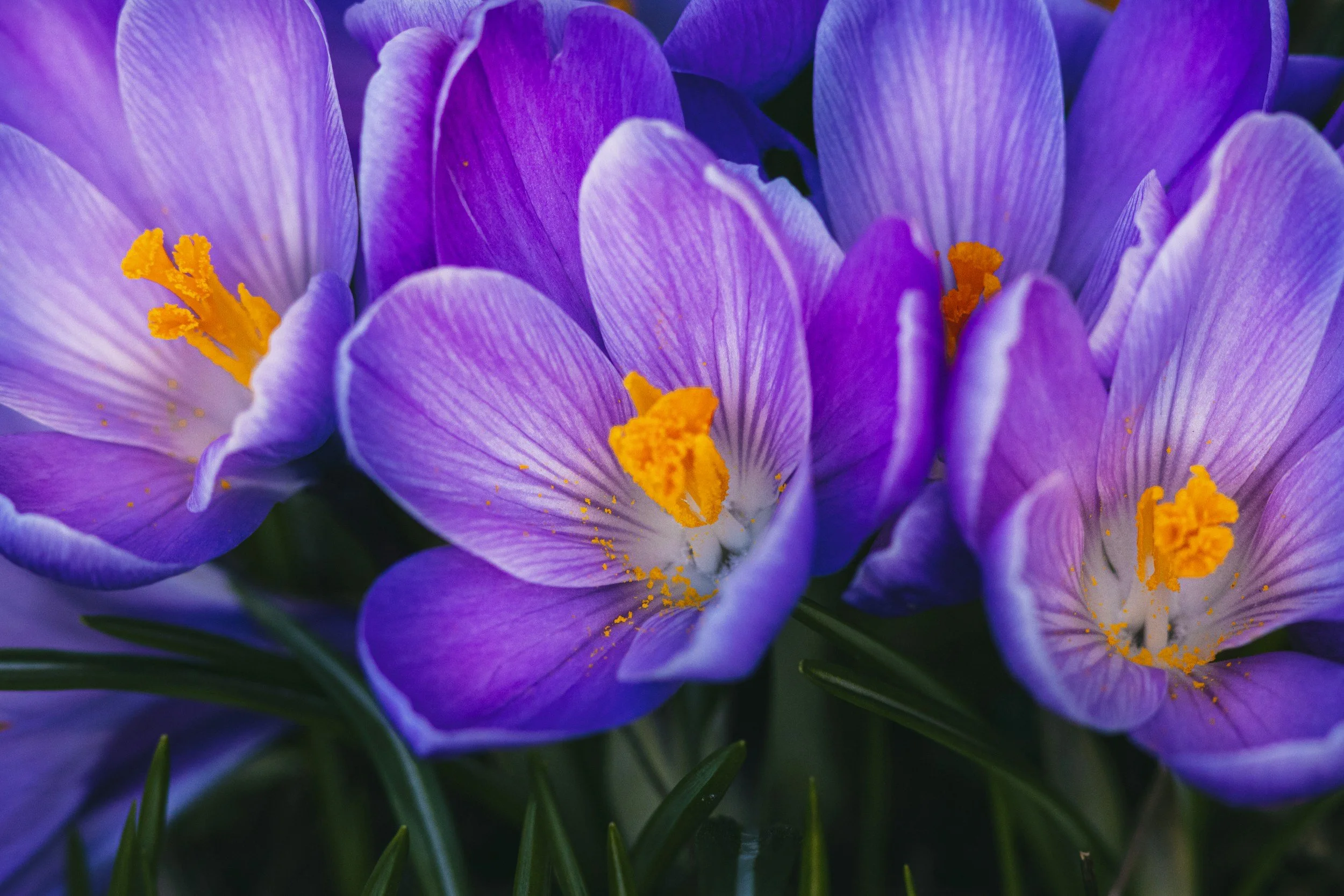
Crocus
Snowdrops
Lungwort (Pulmonaria)
Creeping phlox
Early-blooming fruit trees
If you are working with seeds you already have, consider prioritizing fast-growing, early producers like calendula and sweet alyssum; these are easy to successfully germinate indoors or outdoors from seeds. These are especially valuable because they bloom quickly and continue producing flowers over a long period.
The goal is to ensure that something is always in bloom from early spring onward.
Choose a Diversity of Flower Shapes and Colors
Different pollinators are attracted to a variety of types of flowers. Bees, butterflies, and hoverflies all have unique feeding habits and physical characteristics that influence how they access nectar and pollen.
To create an inclusive pollinator garden, plant a wide variety of flower shapes, sizes, and colors.
Flat, open flowers (like alyssum and yarrow) are ideal for small pollinators
Tubular flowers attract butterflies and certain bees
Clustered flowers provide efficient feeding for many species
Color also plays a role. Bees are particularly drawn to blue, purple, and yellow flowers, while butterflies are often attracted to bright pinks and reds.
Planting in clusters rather than scattering individual plants makes it easier for pollinators to locate food sources and forage efficiently.
Incorporate Native Plants Whenever Possible
Native plants are one of the most powerful tools you have when designing a pollinator-friendly garden. Prioritize planting native plants as much as possible, because local pollinators already have a long-established relationship with them. Moreover, the young larvae of some pollinator species can only feed on native plants, although the adults may be able to feed on a variety of native and non-native plants.
Native plants are also typically easier to grow. They are adapted to your region’s soil, rainfall, and temperature patterns, which means they often require less maintenance, water, and intervention.
Consider incorporating native wildflowers, grasses, or flowering shrubs into your garden beds or borders. Even adding a few native species can significantly increase pollinator activity.
If you want to see which flowering plants are native to your region, download one of the Xerces Society’s Pollinator-Friendly Native Plant Lists.
Design for Continuous Bloom
A truly effective pollinator garden provides a steady food supply throughout the growing season, not just in spring. In fact, winter is the best time to plan your garden for continuous growth.
When planning your layout, think in terms of succession planting for flowers. Combine early, mid-season, and late-blooming plants so that as one group finishes flowering, another begins.
For example:
Early spring: crocus, phlox, fruit blossoms
Late spring: calendula, borage, chives
Summer: cosmos, coneflowers, herbs in bloom
This layered approach ensures that pollinators remain in your garden for longer periods, increasing both pollination rates and overall garden vitality.
Provide Shelter and Habitat
Pollinators need more than just food. They also require safe places to rest, nest, and reproduce.
You can support this by incorporating natural habitat elements into your garden:
Leave small patches of bare soil for ground-nesting bees
Avoid removing all plant debris in early spring
Include dense plantings or low-growing ground cover for protection
Add small shrubs or perennial borders for shelter
If you choose to use insect hotels, place them in a dry, sheltered location. However, natural habitat features are often more effective and require less maintenance.
Attract Beneficial Insects That Help Control Pests
A well-designed pollinator garden does more than support bees and butterflies. It also attracts beneficial predatory insects that help keep pest populations under control. These natural “garden helpers” provide safer ways to protect your garden from pests than sprays do (whether organic or synthetic sprays) and create a more balanced ecosystem.
When you plant for pollinators, you are often also planting for these beneficial insects, since many rely on nectar and pollen at certain stages of their life cycle.
Here are some of the most valuable allies to encourage:
Ladybugs (Lady Beetles)
Ladybugs are one of the most effective natural controls for aphids, which are a common early-season pest. Both adults and larvae feed on soft-bodied insects, including aphids, mites, and scale. A single ladybug can consume dozens of aphids per day.
Div Manickam @unsplash
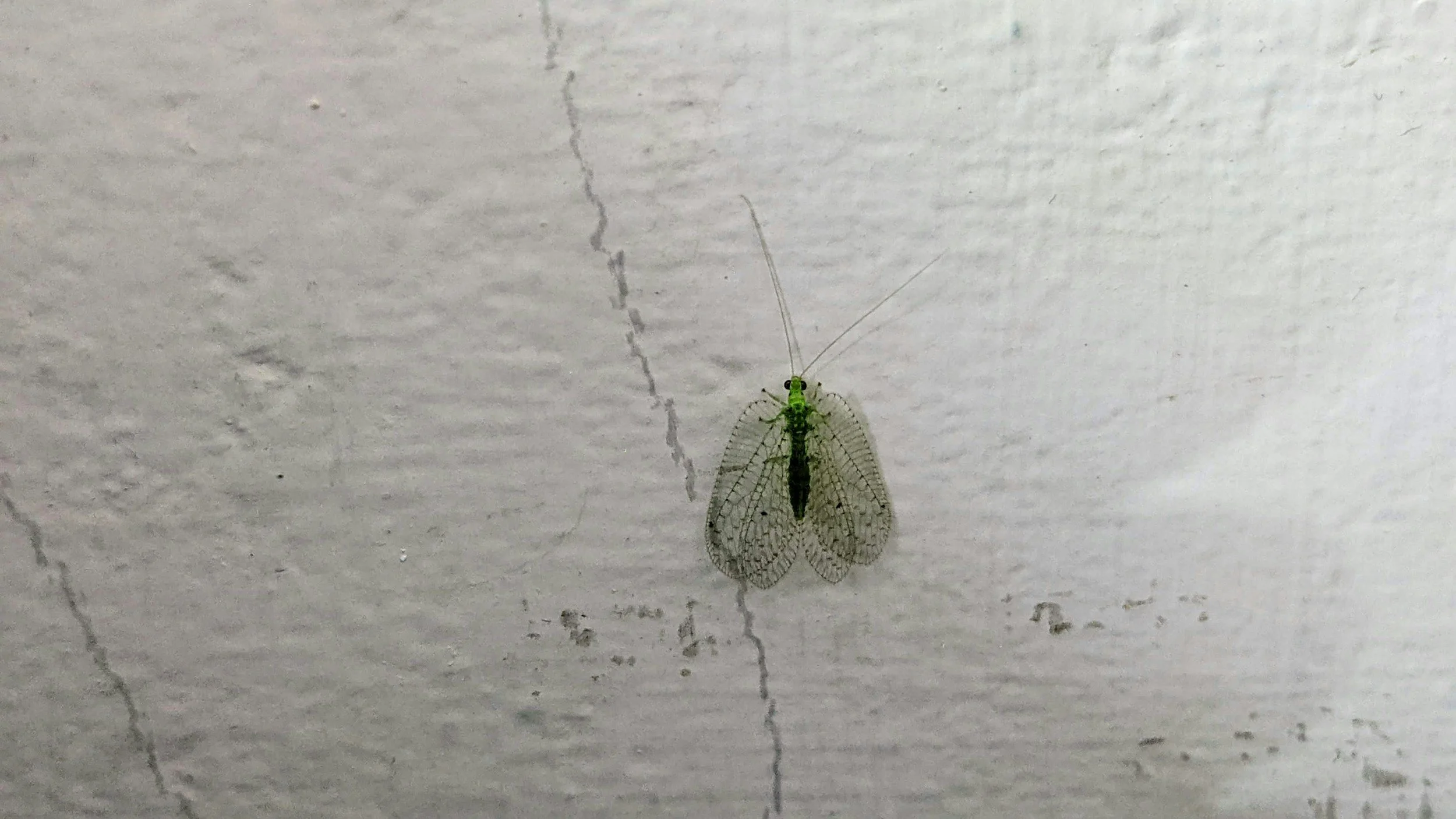
Lacewings
Lacewing larvae are sometimes called “aphid lions” for good reason. They aggressively feed on aphids, thrips, whiteflies, and small caterpillars. Adult lacewings rely on nectar and pollen, which makes flowering plants essential for sustaining their populations.
Parasitic Wasps
These tiny, non-stinging wasps are highly specialized pest controllers. They lay their eggs inside or on pest insects like aphids, caterpillars, and beetle larvae. As the larvae develop, they naturally reduce pest populations from within. Despite their name, they are harmless to humans and incredibly beneficial in the garden.
Praying Mantises
Praying mantises are generalist predators that feed on a wide range of insects, including beetles, caterpillars, and even larger pests. While they are less targeted than other beneficial insects, they contribute to overall pest control and are a sign of a healthy, diverse garden ecosystem.
How to Attract and Support These Garden Helpers
To encourage these beneficial insects to take up residence in your garden, focus on the same principles used for pollinators, with a few additional considerations:
Plant small, nectar-rich flowers such as sweet alyssum, dill, fennel, cilantro, and yarrow. These are especially important for lacewings and parasitic wasps.
Allow some herbs and greens to bolt so they can flower and provide ongoing food sources.
Maintain plant diversity to create a stable habitat that supports multiple insect life cycles.
Avoid broad-spectrum pesticides, which can wipe out beneficial insects along with pests.
Leave some natural areas undisturbed, including stems, leaf litter, or low ground cover, where insects can hide and reproduce.
By designing your garden to support both pollinators and predatory insects, you create a self-regulating system. Instead of constantly reacting to pest problems, your garden begins to manage itself, with beneficial insects keeping populations in check.
This approach not only saves time and effort, but also results in a healthier, more resilient garden over the long term.
Avoid Harmful Chemicals
One of the most important steps you can take is to eliminate or significantly reduce the use of synthetic pesticides. Many conventional pest control products harm not only pests but also beneficial insects, including pollinators.
Instead, focus on integrated, eco-friendly approaches:
Encourage beneficial insects that naturally control pests
Use physical barriers like row covers when needed
Apply targeted biological controls, such as Bacillus thuringiensis (Bt), for specific pests like caterpillars
Even organic sprays should be used sparingly and applied at times when pollinators are least active, such as early morning or late evening.
Protecting pollinators means thinking carefully about every input you introduce into your garden.
Add Water Sources
Pollinators need access to water, especially as temperatures begin to rise.
A simple water source can make a big difference. You do not need anything elaborate. A shallow dish filled with water and small stones or pebbles for landing is often sufficient.
Make sure the water source is:
Shallow enough to prevent drowning
Placed in a partially shaded area
Refilled regularly to keep it clean and accessible
This small addition can significantly increase pollinator activity in your garden.
Integrate Pollinators into Your Edible Garden
Pollinator-friendly design does not require a separate flower garden. In fact, one of the most effective strategies is to integrate pollinator plants directly into your vegetable beds.
Plant flowers alongside crops, at the ends of rows, or in dedicated border spaces. Herbs like dill, cilantro, thyme, and chives are particularly valuable because they attract pollinators when allowed to flower.
This integrated approach improves pollination where it matters most, leading to better yields and healthier plants.
Keep It Simple and Start Small
You do not need to transform your entire yard overnight. Even a small number of intentional changes can have a meaningful impact.
Cody F @unsplash
Start with a few key additions:
Add one or two early-blooming flowers
Introduce a pollinator-friendly herb
Reduce or eliminate one chemical input
Create a simple water source
As you observe increased activity in your garden, you can continue building on your efforts over time.
A Connection to the Broader Ecosystem
Designing a pollinator-friendly spring garden is one of the most rewarding steps you can take as a gardener. It connects your space to the broader ecosystem, supports essential species, and enhances your garden’s productivity in a natural and sustainable way.
By focusing on early blooms, plant diversity, continuous flowering, and safe growing practices, you create a garden that works with nature rather than against it.
And in doing so, you help ensure that both your garden and the pollinators it depends on can thrive throughout the season.
If you want step-by-step guidance on growing your own food successfully and designing an edible garden that works with rather than against the natural environment, our edible gardening course walks you through the entire process.
You might also be interested in…



Pollinators are responsible for one in every three bites of food we eat. Around 87% of flowering plant species and 87 of the world's leading food crops depend on them for reproduction. Yet approximately 40% of invertebrate pollinators are now at risk of extinction, with habitat destruction and pesticide use identified as the primary drivers of their decline.