


How to Plan a Small Garden Layout for Maximum Yield (Beginner-Friendly Guide)
/If you have a small space for growing an edible food garden, every square foot matters.
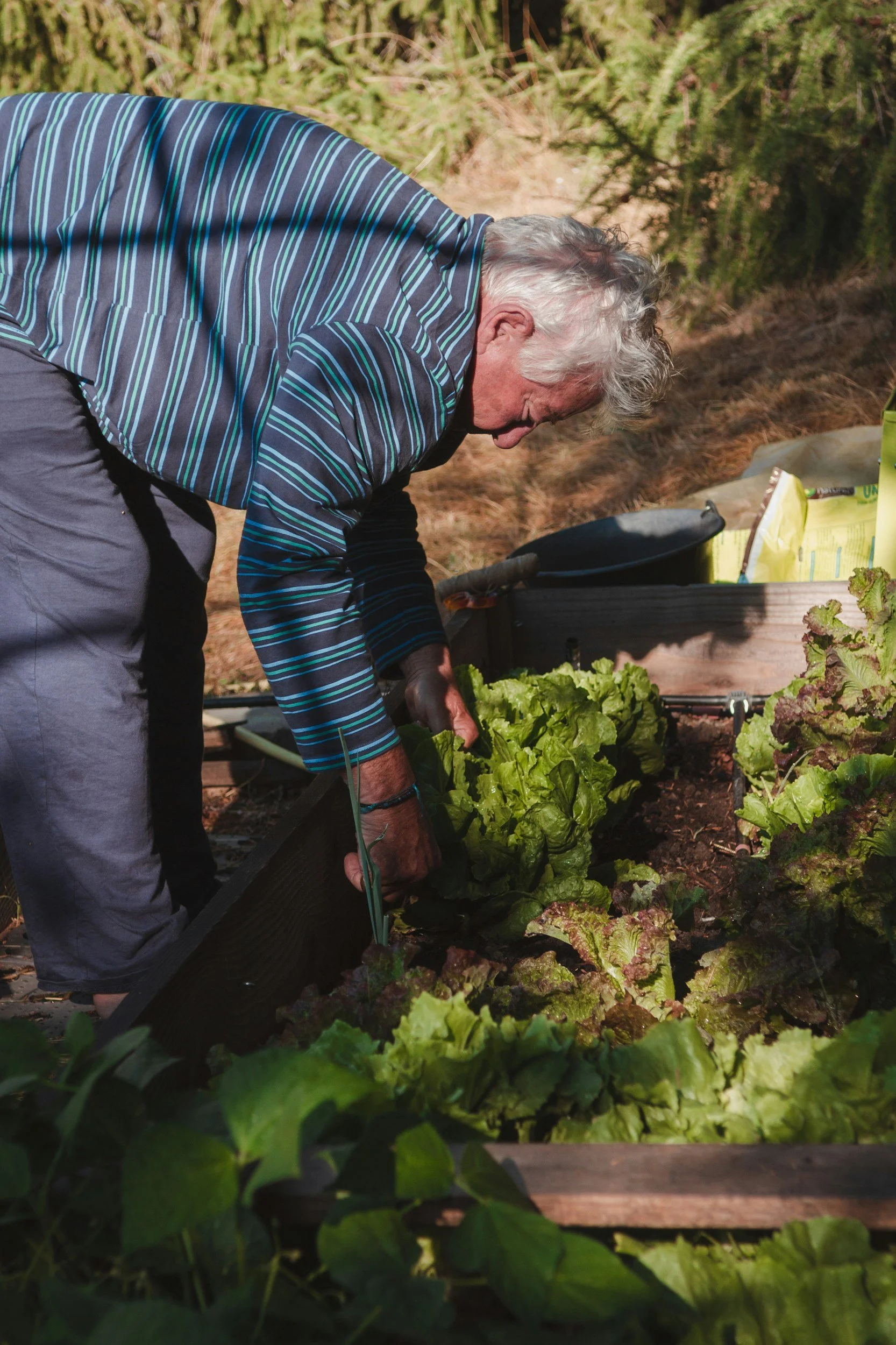
Many people picture a sprawling area filled with rows and rows of vegetables, or a handful of raised beds. If that’s what you have to work with, that’s wonderful! But many gardeners with considerably less space than that are able to grow a productive, thriving food garden. With thoughtful planning, even a compact garden can produce an impressive harvest. While it may not replace ALL of your produce, it can supplement a lot of it, saving you money in the long run and enabling you to take charge of your health. This is because organic home-grown produce is not only free of harmful synthetic pesticides, it also retains more nutrients than their store-bought counterpart). Best of all, the taste is SO much better when you grow food yourself.
Pauline Bernard @unsplash
The key to growing an abundant edible harvest is not planting more, but planting smarter.
In this beginner-friendly guide, you’ll learn how to design a small garden layout that maximizes yield, reduces waste, and sets you up for a successful growing season.
Start with the Right Location
Before you think about layout, start with placement.
Most vegetables need at least 6 to 8 hours of direct sunlight per day. Leafy greens can tolerate partial shade, but fruiting crops like tomatoes, peppers, and cucumbers need full sun to produce well.
Take a few days to observe your space. Notice where sunlight falls in the morning, afternoon, and evening. This will help you avoid placing sun-loving crops in areas that won’t support strong growth. If you want a handy printout, our sunlight tracker can help you figure out where to place your plants. It’s on sale for $0.99 as a .pdf printout in the Green and Prosperous store.
Also pay attention to:
Drainage (avoid areas where water pools)
Wind exposure
Accessibility to a water source
A well-chosen location makes everything else easier.
Choose the Right Garden Style for Small Spaces
Not all garden layouts are created equal, especially when space is limited.
For small gardens, these three approaches tend to work best:
Raised Beds
Raised beds improve soil quality, drainage, and organization. They also make it easier to control spacing and reduce weeds.
Square Foot Gardening
This method divides your garden into small, manageable sections (usually 1-foot squares), allowing you to plant intensively without overcrowding.
Container Gardening
If you’re working with a patio, balcony, or very limited yard space, containers are a flexible and productive option.
Pro Tip: If you're just getting started, a raised bed combined with square foot spacing is one of the easiest ways to maximize yield without overcomplicating your setup.
Plan Your Layout Before You Plant
One of the most common beginner mistakes is planting without a plan.
A simple layout sketch can make a huge difference. You don’t need anything fancy, just a basic drawing of your space with rough measurements.
As you plan, think about:
Plant Size at Maturity
That tiny tomato seedling won’t stay small for long. Always space plants based on their mature size, not their size at planting.
Sun Placement
Place taller crops like tomatoes, corn, or trellised cucumbers on the north side of your garden so they don’t shade smaller plants.
Accessibility
Make sure you can easily reach everything without stepping into your beds. Narrow beds (3 to 4 feet wide) are ideal for small spaces.
Use Vertical Space to Increase Yield
When horizontal space is limited, go vertical.
Nadiia Ganzhyi @unsplash
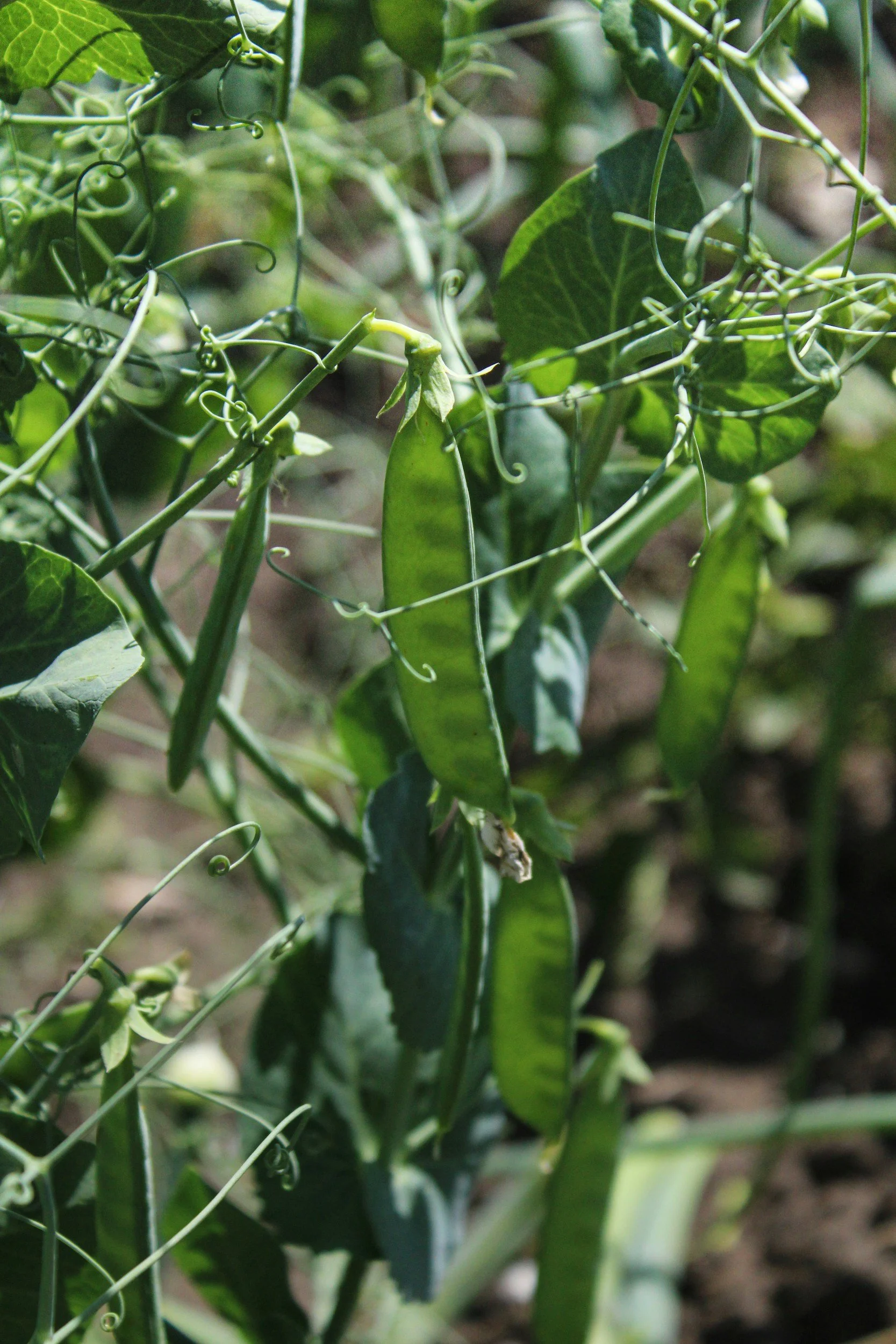
Climbing plants can dramatically increase your harvest without taking up additional ground space.
Great options for vertical growing include:
Peas
Pole beans
Cucumbers
Indeterminate tomatoes
Use trellises, cages, or even simple stakes to support upward growth.
Vertical gardening also improves air circulation, which can help reduce disease pressure.
Practice Companion Planting (Strategically)
Companion planting can help you make better use of space while supporting plant health.
Instead of planting crops in isolated rows, group plants that benefit each other.
For example:
Basil planted near tomatoes may help deter certain pests
Lettuce can grow in the shade of taller crops
Carrots and onions can share space efficiently
The goal here isn’t perfection. It’s about creating a balanced, productive ecosystem in a small area.
Stagger Your Planting (Succession Planting)
If you plant everything at once, you’ll harvest everything at once.
That often leads to waste.
Succession planting solves this problem by spacing out your planting times so crops mature gradually. This keeps your garden producing over a longer period.
Examples:
Sow lettuce every 2 to 3 weeks for a continuous harvest
Replant quick-growing crops like radishes after harvesting
Replace spring crops with summer crops once temperatures rise
Pro Tip: This is one of the simplest ways to increase total yield without increasing garden size.
Focus on High-Yield Crops
When space is limited, prioritize crops that give you the most return.
Some of the most productive options for small gardens include:
Leafy greens (lettuce, spinach, kale)
Herbs (basil, parsley, cilantro)
Tomatoes
Peppers
Zucchini (just one plant can produce heavily)
Root crops like carrots and beets can also work well, especially in loose, well-prepared soil.
If your goal is maximum yield, it’s better to grow a few highly productive crops than to try growing everything at once.
Avoid Overcrowding (It’s a Common Mistake)
It’s tempting to squeeze in as many plants as possible, but overcrowding often leads to smaller harvests, not bigger ones.
When plants are too close together, they compete for:
Light
Water
Nutrients
This can result in weaker growth, increased disease risk, and lower yields overall.
Follow spacing guidelines as closely as possible, even in a small garden. You’ll get better results in the long run.
Improve Your Soil for Better Results
Even the best layout won’t perform well if your soil is poor.
Healthy soil supports strong root development, consistent growth, and higher yields.
Before planting, focus on:
Adding compost or organic matter
Ensuring proper drainage
Maintaining a balanced soil pH
Over time, improving your soil will have a bigger impact on yield than any layout strategy alone.
Add Pollinator-Friendly Plants
A productive garden depends on pollination.
Even in small spaces, adding a few pollinator-friendly flowers can improve yields, especially for crops like cucumbers, squash, and tomatoes.
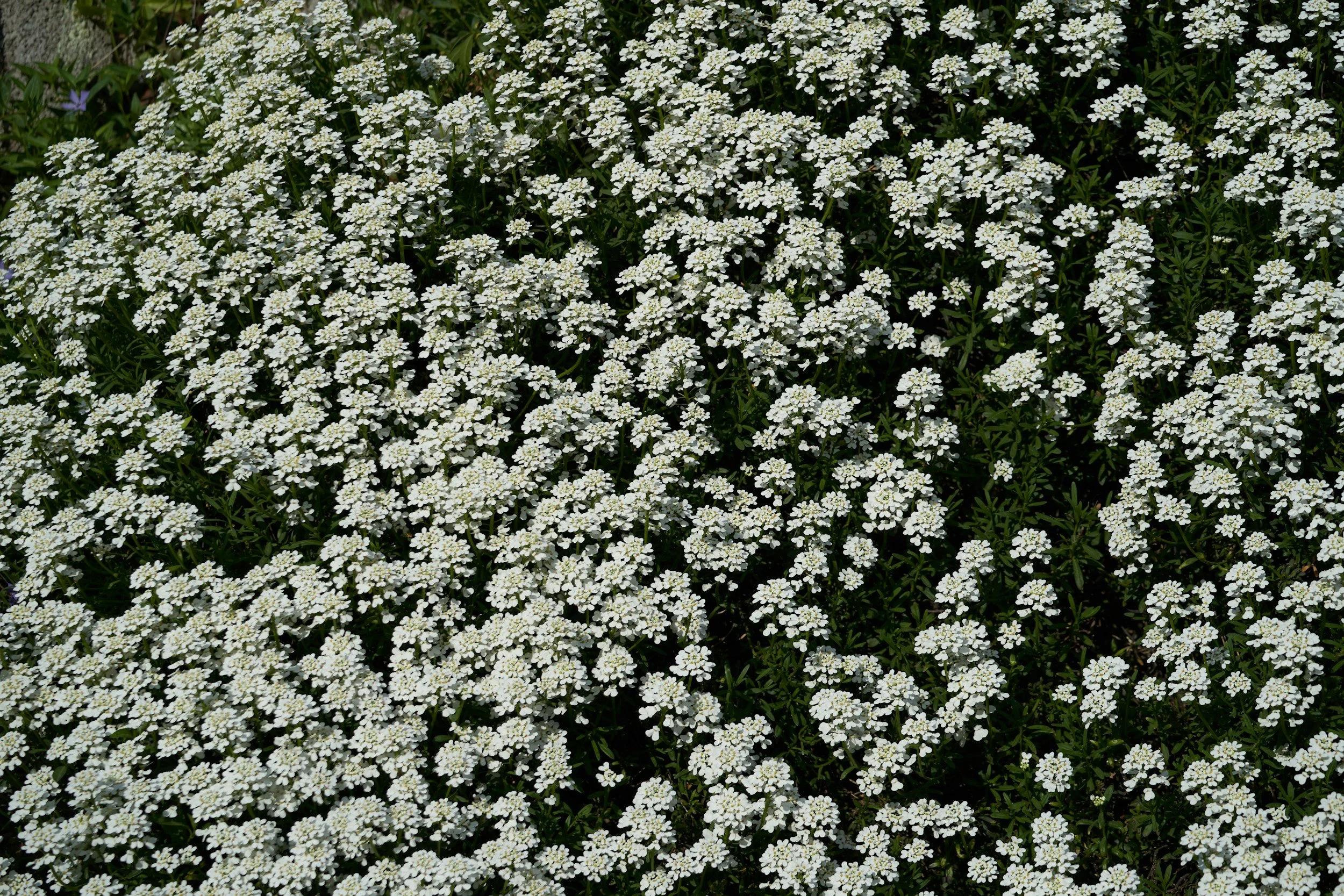
Wolfgang Hasselmann @unsplash
Good options include:
Calendula
Sweet alyssum
Borage
Cosmos
These plants don’t just support pollinators, they also make your garden more resilient and visually appealing.
Keep It Simple and Build from There
You don’t need a perfect layout to get started.
In fact, the most successful gardeners treat their first season as a learning experience. Pay attention to what works, what struggles, and how your space behaves throughout the season.
Then adjust.
A small garden evolves over time, and each season gives you better insight into how to maximize your yield.
Small Space, Big Potential
A small garden doesn’t have to limit your harvest.
With the right layout, thoughtful plant choices, and a few smart strategies like vertical growing and succession planting, you can grow more food than you might expect.
Start simple, stay consistent, and focus on building healthy soil and efficient use of space.
Want Help Getting Started?
If you’re ready to turn your garden into a productive, well-planned space, my course, The Edible Food Garden walks you step-by-step through planning, planting, and maintaining a thriving food garden, even if you’re starting from scratch.
You’ll learn how to choose the right crops, design your layout, and avoid the most common beginner mistakes so you can grow real food at home with confidence.