



How Small Businesses Can Switch to Solar Energy Without Going Broke
/Small businesses in Australia are currently navigating a highly complex financial landscape. Between rising commercial rent, inventory inflation, and increasing wages, the cost of simply keeping the doors open is climbing steadily. Amidst all these expenses, retail electricity bills often represent one of the most unpredictable and stressful overheads for business owners. For many environmentally conscious entrepreneurs, the idea of transitioning to renewable energy feels like a luxury reserved for massive corporations with deep pockets.
However, committing to sustainable business practices does not mean you have to exhaust your vital working capital. Transitioning to commercial solar power is more accessible today than ever before. With strategic planning and a measured approach, small businesses can successfully adopt clean energy, drastically cut overheads, and shrink their carbon footprint all at the same time. The shift towards green operations is rapidly becoming a fundamental aspect of modern enterprise management rather than just a passing trend.
kate.sade @unsplash
Establish Your Efficiency Foundation First
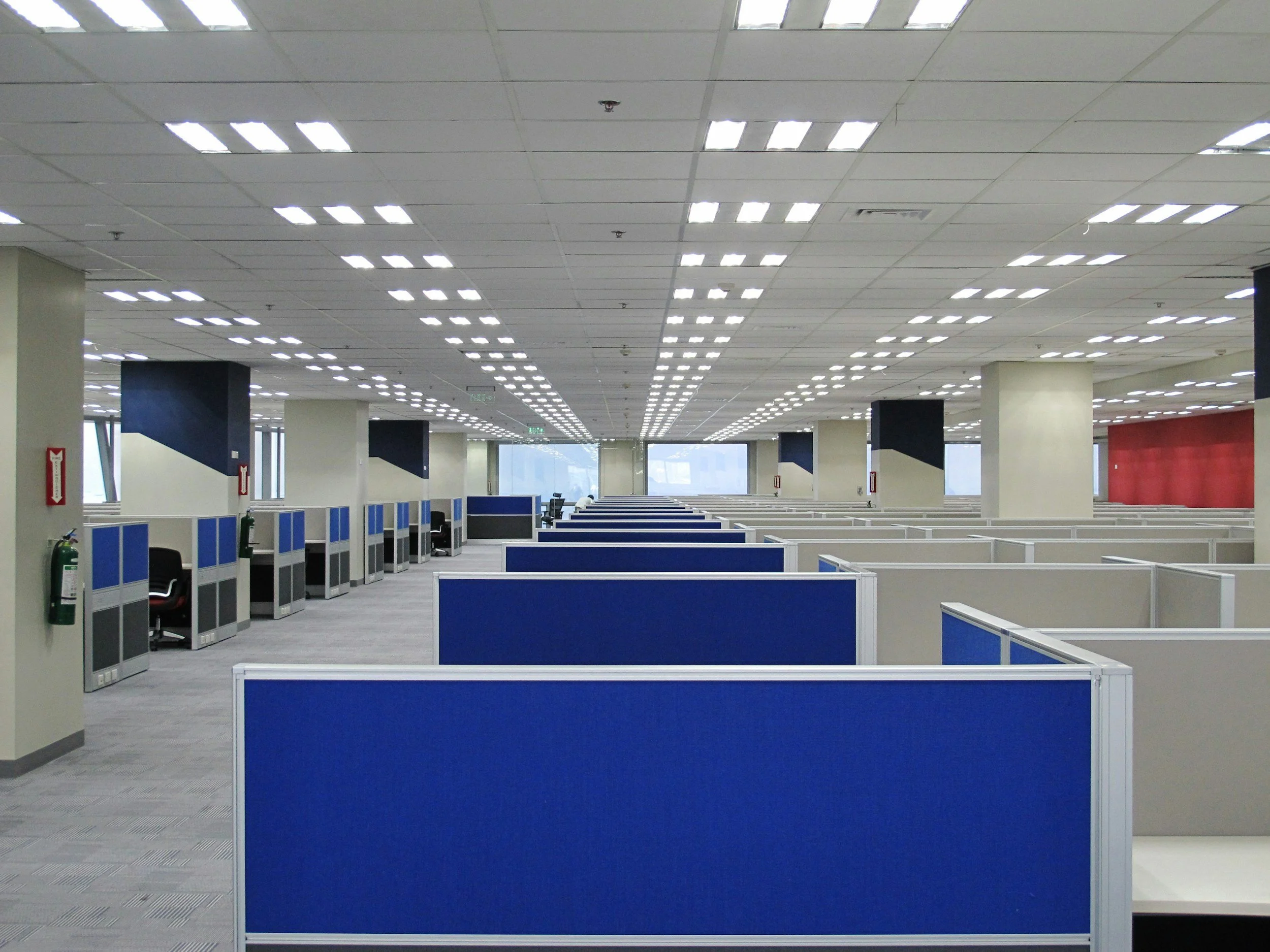
Before you even consider installing a solar array on your commercial roof, you must thoroughly evaluate your current energy usage. If your daily operations are highly inefficient, you will end up overpaying for a massive solar system just to power wasteful habits. The smartest financial move is to optimise your daily operations first. Make it a priority to upgrade to LED lighting, improve building insulation, install smart thermostats, and service aging heating and cooling units.
Furthermore, you need to look at the broader picture of your company culture. As outlined in the ultimate guide to green business and sustainable work, building an authentic eco-friendly company requires you to integrate sustainability into your daily operations rather than relying on marketing alone. Establishing these solid work practices helps minimise your baseline energy footprint and reduces environmental harm holistically. Encouraging staff to turn off unused equipment and embrace paperless workflows can make a surprisingly large difference to your monthly consumption.
Once your business is running as efficiently as possible, your overall power requirements will drop significantly. This means you will need fewer solar panels to cover your daily energy demands. By simply tightening up your operations, you instantly save thousands of dollars on the initial purchase price of your solar hardware.
Get the Right Sizing and Professional Advice
One of the biggest financial mistakes a small business can make is guessing how much solar power they actually need. Buying a system that is too small leaves you heavily reliant on the expensive electricity grid during peak business hours. Conversely, buying a system that is too large means you are paying for excess capacity that takes decades to pay off, tying up capital that could be better spent elsewhere.
To strike the perfect balance, business owners should avoid relying on generic online calculators. Commercial energy loads are highly complex and multifaceted. They fluctuate constantly based on your operating hours, machinery usage, and seasonal weather changes. Engaging professional solar consultancy services ensures your specific energy profile is accurately mapped out before any purchases are made.
These experts analyse your exact peak usage times, assess roof shading issues, evaluate the potential for battery storage integration, and match your business with a system designed for maximum return on investment. By paying for exact sizing advice and network approval guidance upfront, you prevent incredibly costly equipment mismatches down the line.
The Good News About Dropping Equipment Costs
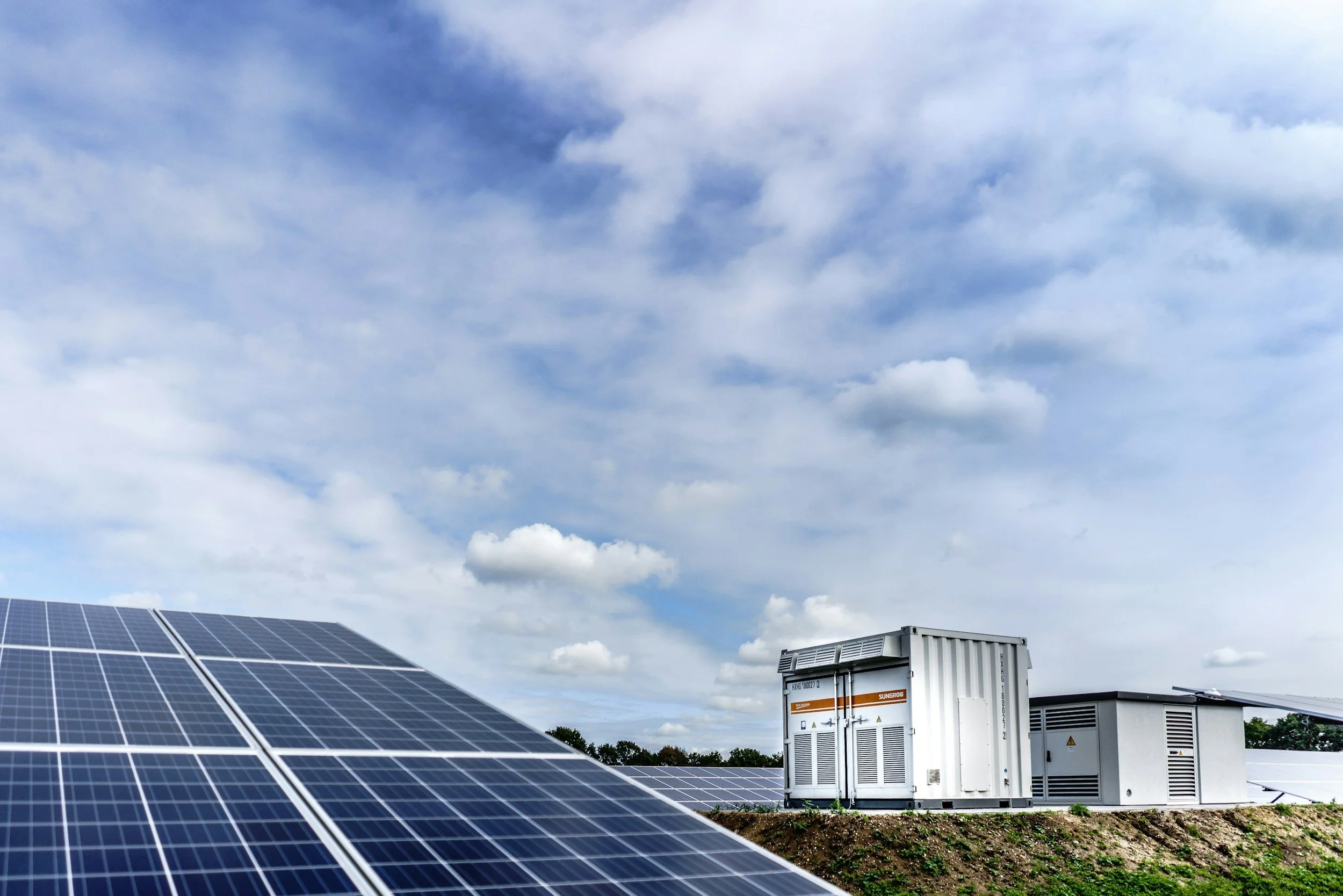
If you looked into commercial solar a few years ago and suffered sticker shock from the quotes you received, it is absolutely worth looking at the market again today. The renewable energy sector has scaled rapidly. Vast improvements in manufacturing efficiencies and the unblocking of global supply chains have driven hardware prices to record lows. You no longer have to pay a massive premium to access highly efficient, tier-one solar technology.
Sungrow EMEA @unsplash
Recent market data from the International Energy Agency highlights this massive shift in affordability for small businesses. According to their tracking of global supply chains, PV module spot prices decreased by 50 percent between December 2022 and December 2023, with price declines continuing steadily over recent years.
This dramatic drop in hardware costs has cemented distributed rooftop solar as one of the most cost-effective solutions for electricity generation available today. When you pair these slashed equipment prices with the consistently rising costs of traditional grid electricity, the payback period for a commercial system is shorter and more attractive than ever before. Many businesses now see a complete return on their initial investment within just three to five years.
Smart Financing Options to Protect Your Cash Flow
Even with significantly falling prices, paying for a commercial solar system entirely out of pocket can still place a heavy strain on a small business budget. Thankfully, the Australian renewable energy sector has developed several accessible pathways to help you fund the transition. You can adopt clean energy without depleting the vital working capital you need to run your business day-to-day.
Consider exploring the following financing options designed specifically for budget-conscious enterprises:
· Power Purchase Agreements (PPAs): Under a PPA, a provider installs and maintains the solar system on your commercial roof at zero upfront cost to you. You simply agree to buy the generated electricity at a set rate, which is typically locked in at a much lower price than standard grid electricity.
Green Business Loans: Many major financial institutions now offer specialised green loans. These products feature discounted interest rates and favourable terms for businesses investing in energy efficiency upgrades and renewable technology.
Equipment Leasing: Similar to leasing a company vehicle or heavy machinery, you can lease your solar panels. The monthly lease payments are highly predictable and are often offset completely by the immediate savings on your operational electricity bill.
Government Grants and Rebates: Always check federal and state government portals for current incentives. Initiatives like the Small-scale Renewable Energy Scheme provide upfront financial discounts through Small-scale Technology Certificates, which substantially lowers your initial installation quote.
Siwawut Phoophinyo @unsplash
Looking at the Long-Term Return on Investment
Switching to solar power is not just an environmental decision. It is a calculated, defensive financial strategy that protects your business from highly volatile energy markets. Every kilowatt-hour your roof generates is one less unit you have to buy from a commercial energy retailer. Over five to ten years, those compounding monthly savings accumulate into tens of thousands of dollars. That is money that can be reinvested directly into hiring new staff, expanding your marketing efforts, upgrading essential equipment, or launching new product lines.
Furthermore, adopting clean energy provides a distinct competitive advantage. Modern consumers actively prefer to support eco-conscious brands that align with their personal values. By powering your operations with the sun, you gain a powerful and authentic marketing asset. Customers feel genuinely good about spending their hard-earned money with a local business that takes its environmental responsibilities seriously.
Making the Switch
Building a sustainable enterprise does not require you to sacrifice your hard-earned profits. By taking the time to shrink your baseline energy use, seeking accurate system sizing advice from industry experts, and exploring clever commercial financing options, any small business can make the switch to renewable energy. Take the leap into clean energy today and watch your business thrive sustainably for decades to come, proving that environmental responsibility and financial success can go hand in hand.

About the Author:
Tony Hooton, with 20 years in digital marketing, has worked alongside some of the biggest household names, helping brands connect with audiences in smarter, more meaningful ways. Passionate about creativity, strategy, and the ever-changing online world, he now shares insights, tips, and stories from the frontlines of marketing to inspire businesses of all sizes.