


Cold-Tolerant Vegetables You Can Still Plant in April
/Think you missed your chance to plant a spring garden? Well let me reassure you – you’re not late yet! The end of April can still be an excellent month to sow many cold-tolerant vegetables, especially crops that prefer cool soil and mild temperatures. In fact, some vegetables perform better when planted in April than they do earlier in late winter, because the soil has begun to warm and germination is often faster.
If you live in a part of the world where April temperatures are consistently over 70-75°F (21-24°C), then some of the vegetables I’m going to tell you about won’t do very well. But if your daytime temperatures are still on the mild side, you have lots of options for spring planting. Many cool-season vegetables mature quickly, tolerate chilly nights, and can even handle a light frost. This means that you can successfully start your edible garden right away and begin harvesting your first vegetables in as little as a month from now!
According to most university agricultural extension programs, cool-season vegetables can often be planted as soon as soil is workable in spring, with many continuing successfully through May and early June, depending on your region.
Here are some of the best cold-tolerant vegetables you can still plant in late April, plus practical tips to help you catch up fast.
1. Radishes
If you want quick results, plant radishes right now.
Gil Ndjouwou @unsplash
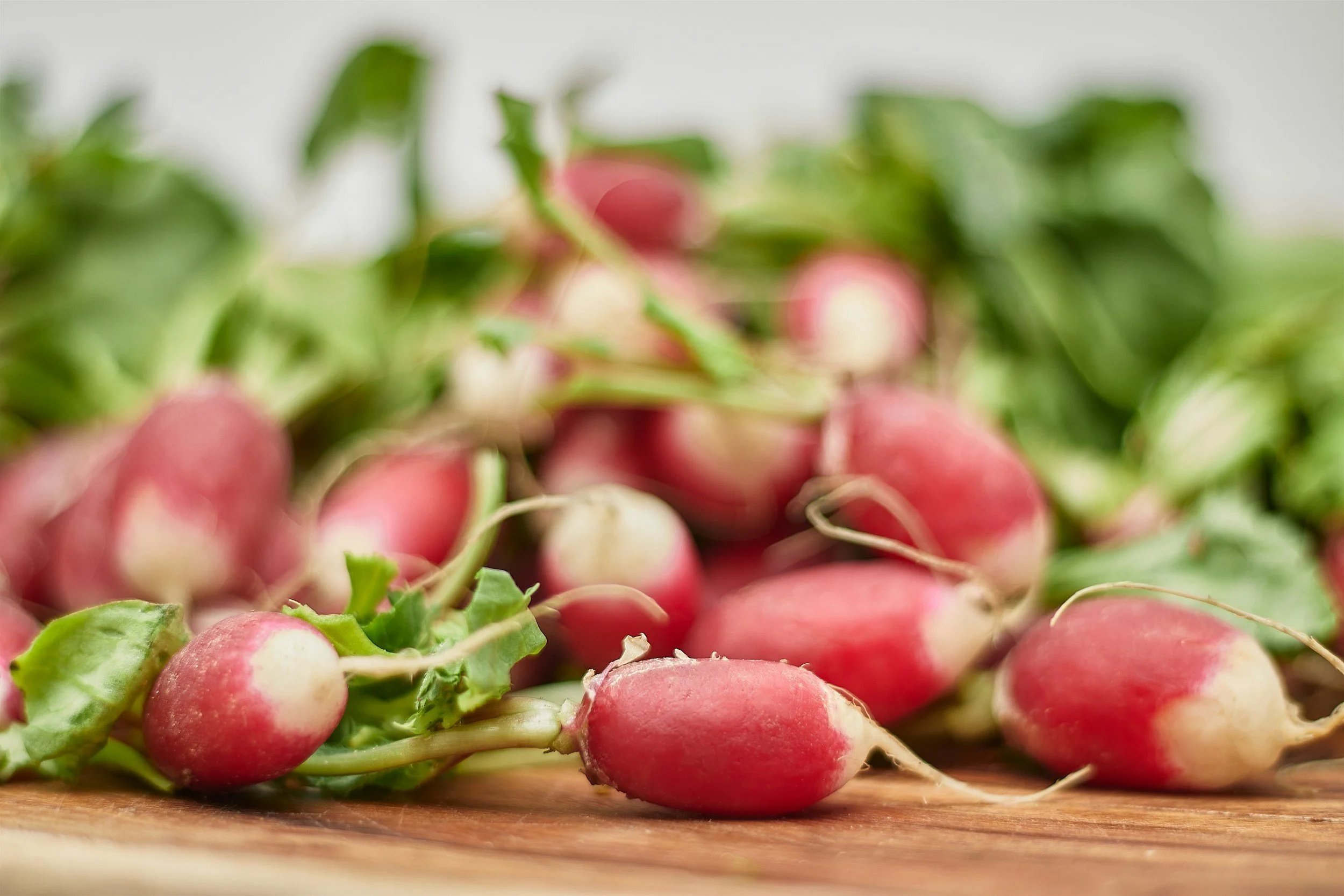
Radishes are one of the fastest vegetables you can grow, with many varieties ready in as little as 25 to 35 days. They germinate well in cool soil and tolerate light frost, making them ideal for April planting. My favorites are French breakfast radishes – they have an oblong shape with a white tip at the end, and are less pungent than round radishes. Best of all, they’re ready to harvest in a little as 28 days after you sow seeds.
Why they’re perfect for late April planting:
Fast harvest
Great for containers or raised beds
Easy to succession sow every 10 to 14 days
Tip:
Plant thinly to avoid overcrowding, or thin as soon as the second set of leaves (i.e., ‘true leaves’ appear). Crowded radishes produce tops instead of roots.
2. Spinach
Spinach loves cool weather and often struggles once temperatures heat up, so April may be your sweet spot. Be sure to plant lots of this cool-season crop if you want a substantial harvest, because it shrinks substantially when you cook it!
Spinach seeds germinate in cool soil, and many varieties mature in about 40 to 50 days. Spinach can be planted when soil temperatures are around 45°F (7°C)or higher. Be sure to use fresh seeds, since germination rates for spinach seeds deteriorate quickly.
Why it’s a smart April crop:
Handles frost
Nutritious and productive
Can be harvested baby-leaf style early
Tip:
Keep soil consistently moist during germination, taking care to water the soil and not the leaves, which encourages fungal growth. Also, check the weather frequently, as warm spells can reduce germination rates.
3. Lettuce
Leaf lettuce, romaine, and butterhead types are all strong candidates for April planting. Loose-leaf lettuce is especially forgiving because you can harvest its outer leaves while the plant keeps growing. Many gardeners begin harvesting baby leaves in 30 days or less.
Lettuce seeds can germinate in temperatures as low as 35°F (-1°C) or as high as 80°F (27°C) After germination, though, it needs consistently cool temperatures to avoid bolting (going to seed). A few varieties can tolerate warmer temperatures, though. Try Black Seeded Simpson, Salad Bowl Blend or New Red Fire for loose leaf varieties, or Little Gem or Parris Island for Romaine varieties. All of them are resistant to bolting in temperatures as high as 80°F (27°C)!
Why plant it now:
Fast and rewarding
Great for containers
Prefers spring temperatures
Tip:
Provide afternoon shade if your climate heats quickly in late spring.
4. Peas
Yes, peas can still be planted in April in many regions, as long as the temperature is not much warmer than 65°F (18°C).
Peas are classic cool-weather vegetables and can often be sown 4 to 6 weeks before the last frost date, but many gardeners still plant them in April successfully. They germinate in cool soil and mature in roughly 60 days, depending on the variety.
Best choices:
Snap peas
Snow peas
Shelling peas
Tip:
Use a trellis at planting time. Peas climb quickly and dislike root disturbance. Some varieties can grow as tall as 5 feet!
5. Carrots
Carrots require patience, but April is still a great planting month. Personally, I have grown carrots nearly year-round, whether there is snow on the ground or it’s a hot summer.
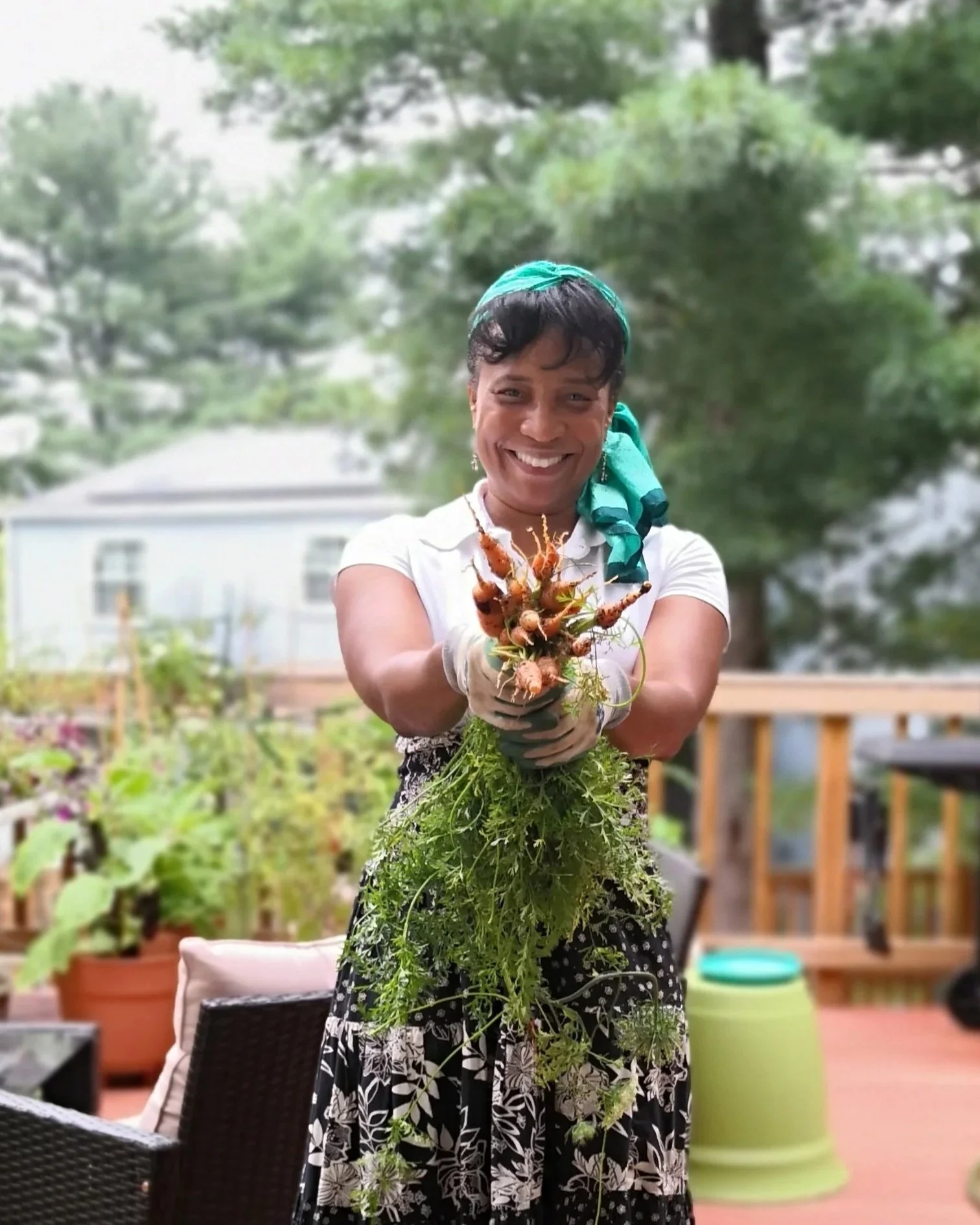
Photo by Green and Prosperous
However, carrots prefer cool weather for germination and develop sweeter roots in mild conditions. I’s usually best to start sowing carrots about 2-3 weeks before your last frost date, in early spring once the soil can be worked. Be aware, though, that seeds can take weeks to germinate. Seeds can also lie dormant in the soil over winter. I’ve sometimes planted carrots in late fall and forgotten all about them until they started to come up in early spring (in fact, I just spotted some of these forgotten carrots in one of my raised beds just yesterday!)
Why they’re worth planting:
Excellent storage crop
Cold tolerant
Sweet flavor in cool soil
Tips:
Keep seed beds evenly moist. Carrot seed dries out quickly. Also, be sure to thin so that the roots have plenty of space to grow. Finally, carrot tops can be eaten. My favorite way to prepare them is as pesto (with or without a little fresh basil added for extra flavor).
6. Beets
Beets are highly underrated for spring gardens. They do best in deep, well-drained soil. Soil temperature needs to be at least 40°F (4.4°C) to sprout.
With beets, not only do you get roots, but you also get edible greens. They tolerate cool temperatures well and are often planted in spring in many zones. Harvest usually begins in 50 to 70 days.
Why plant them late:
Dual-purpose crop
Compact growing habit
Stores well after harvest
Tip:
Thin seedlings early. One “seed” often contains multiple embryos.
7. Kale
Kale is one of the toughest vegetables in the garden. It’s also one of my favorites. I usually grow both curly and lacinato varieties. I’ve also grown Dwarf Russian kale outside in raised beds and indoors in a Kratky hydroponic setup. All of these varieties are easy to grow and delicious, in my opinion!
Kale can handle frost, fluctuating temperatures, and tastes sweeter after exposure to cold (I have tested this and found it to be true). April planting gives kale time to establish before summer; it’s ready to harvest as early as 4 weeks after planting from seed.
Why it works:
Very cold hardy
Long harvest window
Nutritious and productive
Tip:
Pick outer leaves regularly to encourage continuous growth.
8. Swiss Chard
Swiss chard bridges the gap between cool-season and warm-season gardening. It tolerates spring chills but continues producing into summer better than spinach or lettuce. This is another of the leafy green plants I grow year-round and have never been disappointed with its performance in my garden.
Why it’s valuable:
Beautiful and ornamental
Highly productive
Heat tolerant later on
Tip:
Harvest outer leaves and let the center continue growing.
9. Green Onions / Scallions
Green onions may not be the easiest to grow from seed or starts, but they are compact and perfect for late starters. Thin to one plant per inch of growing space.
They tolerate cool weather and grow well in beds, containers, or small spaces but need full sun to grow well. And be aware, weeds can easily outcompete them, so stay on top of your weeding while waiting for these guys to grow.
Why they’re useful:
Small footprint
Great companion crop
Quick harvest potential
How to Catch Up Fast in April
If you feel behind, focus on speed and simplicity. Here are a few more pointers for starting an edible garden successfully in late April:
1. Grow what likes cool weather now
Don’t waste time trying to force warm-weather crops too early.
2. Use direct sowing
Many of the vegetables named above hate being transplanted anyway.
3. Plant in small batches
Sow a little more every 1 to 2 weeks for ongoing harvests. This is called succession planting.
4. Improve soil quickly
Add homemade compost or a good quality commercial compost before planting for better germination and growth.
5. Use row cover if frost threatens
A simple fabric row cover can protect young seedlings from cold snaps and some hungry animals.
Important Note: Your Zone Matters
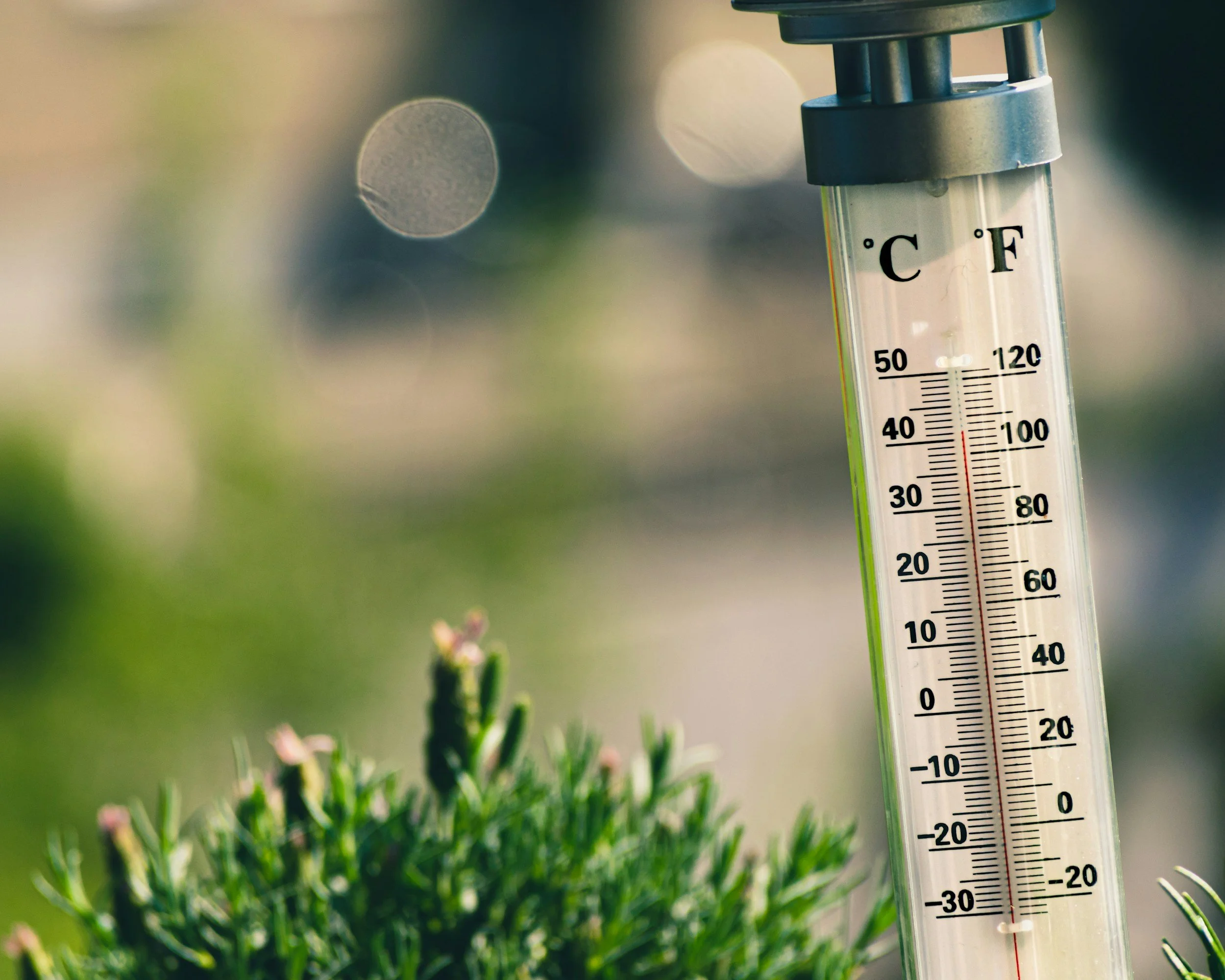
April in Maryland is different from April in Minnesota, and very different from April in Georgia and Arizona.
Jarosław Kwoczała @unsplash
Always check:
Your USDA zone
Average last frost date
Current soil temperature
The 10-day weather forecast
The USDA Plant Hardiness Zone Map is a useful starting point in you’re located in the United States, though frost dates and local weather matter just as much.
Planting in Late April: There are Still Many Choices
If it’s April and you haven’t planted yet, don’t assume the spring season is lost. Many of the most reliable spring vegetables are still excellent choices right now. In fact, you may have an advantage: warmer soil often means faster germination and stronger early growth.
Start with easy wins like radishes, lettuce, spinach, peas, and beets. Then you can expand from there. If you’re still fairly new to gardening, it’s usually best to start small in any case and increase your crops once you learn what each plant needs to thrive.
And remember: late is often better than never, especially when it comes to your edible garden.
Want to grow more food with confidence?
If you’re ready to move beyond quick spring crops and build a productive edible garden from seed to harvest, check out my online course, The Edible Food Garden. It’s designed for beginners and busy gardeners who want practical guidance on planning, planting, maintaining, and harvesting a thriving food garden, even with limited space or experience.
Learn more and start growing today.
You may also be interested in…


Think you missed your chance to plant a spring garden? Well let me reassure you – you’re not late yet! The end of April can still be an excellent month to sow many cold-tolerant vegetables, especially crops that prefer cool soil and mild temperatures. In fact, some vegetables perform better when planted in April than they do earlier in late winter, because the soil has begun to warm and germination is often faster.