


Eco-Friendly Strategies for Relocating Your Home and Garden Interstate
/Moving to a new state offers an exciting fresh start, but the process of packing an entire household and garden leaves a surprisingly heavy footprint. Between mountains of cardboard boxes, rolls of plastic tape, and carbon emissions from long-haul transport, relocating is historically wasteful. However, a major life transition does not mean abandoning sustainable habits. With foresight and mindful decision making, you can significantly reduce the environmental impact of your interstate move. By rethinking how you declutter, pack, transport, and unpack, you can protect the environment while seamlessly transitioning to your new property.
The True Environmental Cost of Traditional Moving
Every year, countless Australians pack up their lives and cross state borders in pursuit of new opportunities. Unfortunately, the sheer volume of single-use materials generated during these moves is staggering. Traditional packing relies heavily on bubble wrap, plastic shrink wrap, and synthetic tape. These items are typically used for a single journey before being discarded.
To understand the gravity of the situation, look at national waste data. During the 2018 to 2019 period, over 2.5 million tonnes of plastic were consumed nationwide. Disturbingly, 84 per cent of plastics in Australia go to landfill, with commercial and household packaging making up a massive portion of this rubbish. When you multiply this waste by the thousands of households relocating annually, the environmental toll becomes undeniable.
Harry Obahor @unsplash
Opting out of this cycle of waste requires conscious planning well before moving day arrives. The very first step to a green move is a ruthless but responsible decluttering process. The less you have to move, the less packing material you need and the lighter the moving truck will be. A lighter truck ultimately burns less fuel. Dedicate time to sorting your belongings. Donate high-quality clothes and furniture to local charities, sell valuable items online, and ensure that old electronics are taken to designated e-waste recycling facilities rather than thrown in the general rubbish bin.
Partnering with the Right Professionals
Transporting an entire household and an established garden across the country requires logistical expertise. The sheer distance involved in an interstate relocation naturally increases carbon emissions, but how you manage those logistics can make a massive difference. When evaluating your options, you should seek out moving companies that actively prioritise efficiency and offer sustainable solutions.
One of the best ways to reduce transport emissions is through consolidated shipping or backloading. This involves sharing truck space with other customers moving in the same direction, which optimises fuel consumption and reduces the number of heavy vehicles on the road. For example, if you are planning a major move up the east coast, finding efficient removalists Brisbane to Sydney can streamline the journey and minimise your carbon footprint. By choosing professionals who coordinate truck space intelligently, you prevent empty return trips and lower the overall environmental impact.

Vitaly Gariev @unsplash
It is also worth having a conversation with potential movers about their daily practices. Many modern moving companies offer reusable plastic crates for rent, delivering them to your door before the move and collecting them once you have unpacked. This service entirely eliminates the need for cardboard boxes. You can also ask about their policies regarding moving delicate garden items, as experienced movers will know how to load potted plants to ensure they survive the trip without requiring excessive protective wrapping.
Packing Your Belongings and Plants Responsibly
Preparing your home and garden for the journey is where you have the most direct control over waste reduction. Instead of heading to the store to buy brand new packing supplies, you can get creative with items you already own or can borrow. Transitioning away from disposable materials requires a slight shift in mindset, but it is highly effective.
Consider the following strategies for an eco-friendly packing process:
Repurpose household linens: Use bath towels, winter blankets, and bed sheets to wrap fragile items like dishes and artwork. This provides excellent padding and removes the need for synthetic bubble wrap.
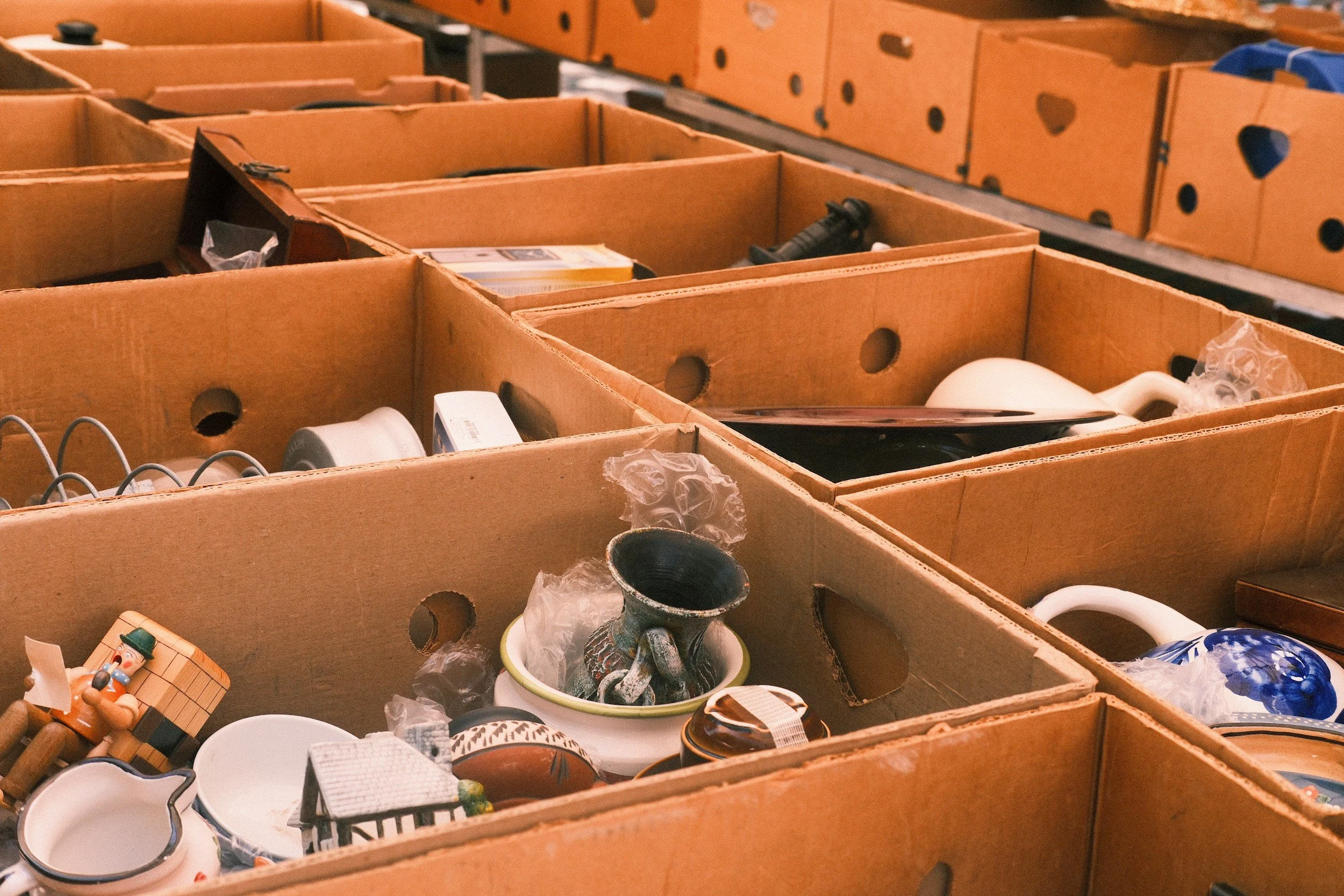
Source recycled boxes: If renting reusable crates is not an option, do not buy new cardboard. Source clean, second-hand boxes from supermarkets, liquor stores, or community groups.
Use eco-friendly tape: Swap standard packing tape for water-activated kraft paper tape. It is fully biodegradable, strong, and secures heavy boxes effectively.
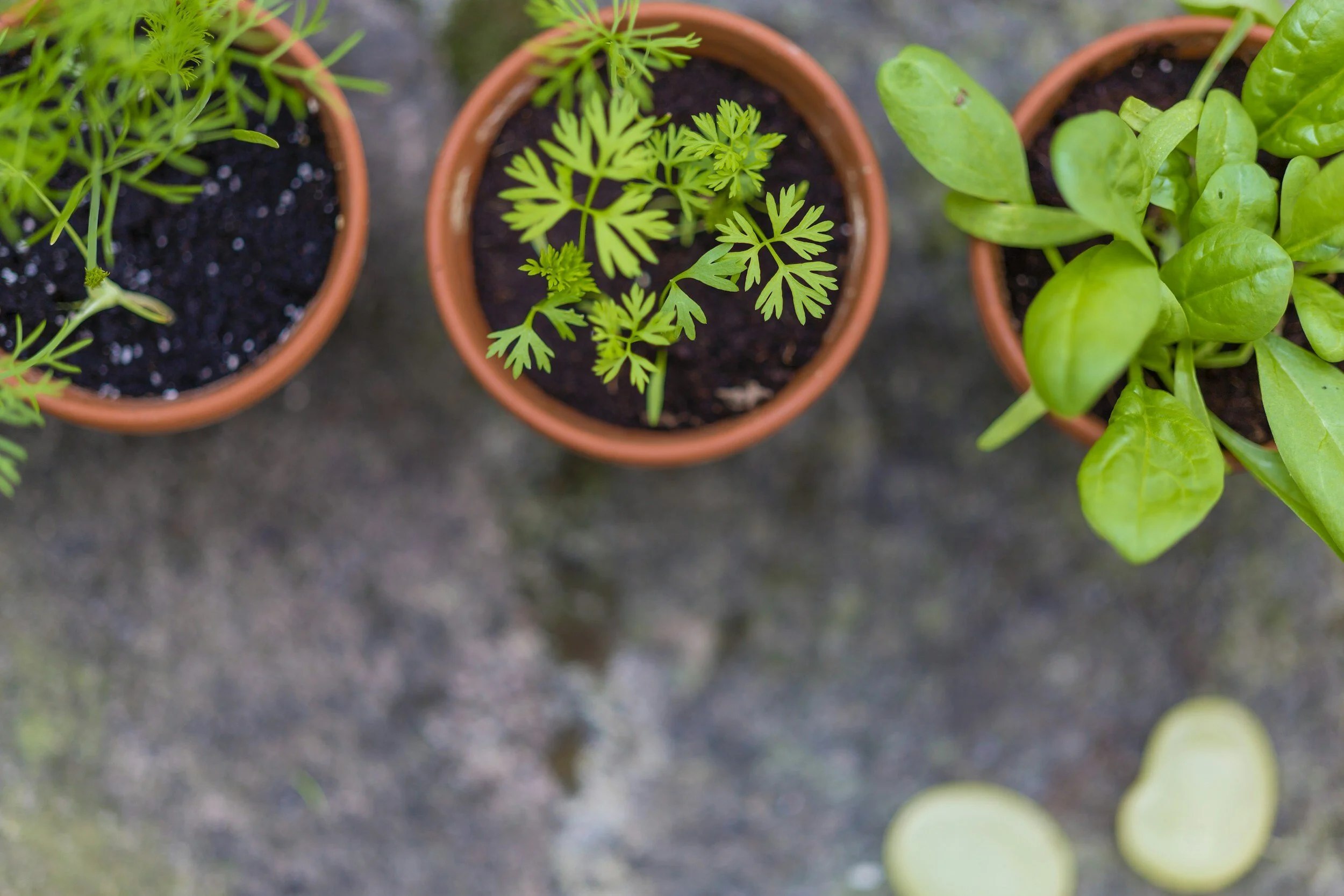
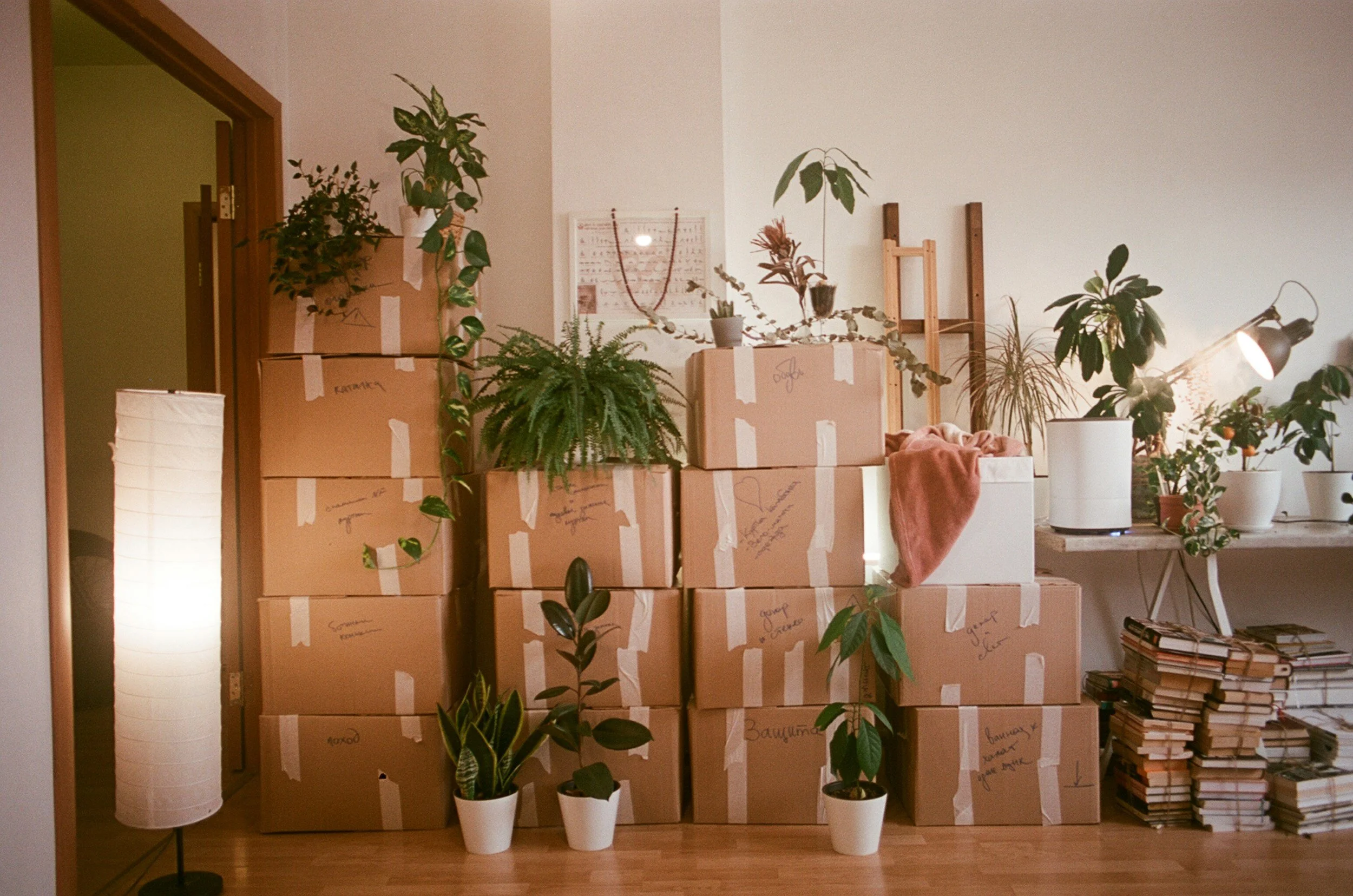
Prepare plants carefully: Uprooting plants can be stressful. Prune your larger plants a few weeks before the move to reduce size and water requirements. Transfer heavy garden shrubs into lightweight, reusable plastic nursery pots rather than moving them in terracotta planters.
Manage shed chemicals safely: Garden sheds often house half-empty bottles of fertiliser or weed killer. Do not pack them in the truck, as transporting hazardous liquids is dangerous. Instead, use them up or take them to a local council chemical disposal point.
By implementing these actionable steps, you can keep countless kilograms of waste out of local landfills while ensuring your treasured household items and garden plants arrive safely.
Dina Badamshina @unsplash
Establishing Your New Green Space
Arriving at your new property is the final, rewarding stage of an eco-friendly relocation. Once the moving truck has departed and the essential indoor boxes are unpacked, you can turn your attention to your outdoor space. Moving house provides the perfect blank canvas to design a garden that reflects your sustainable values from the ground up.
Before you start digging beds or planting the cherished shrubs you brought with you, take a few weeks to simply observe the new environment. Pay close attention to how the sunlight moves across the yard throughout the day. Test the soil quality to see if it needs organic compost, and identify areas that are prone to strong winds or morning frost. Understanding these natural elements will dictate where your specific plants will thrive best, saving you from costly and wasteful replanting later on.
Even if your new property has limited outdoor space, you do not have to compromise on your gardening ambitions. Carefully assessing the microclimates of your new backyard allows you to plan a small garden plan a small garden layout for maximum yieldfor maximum yield, ensuring you make the most of vertical growing options, companion planting, and raised garden beds.
Settle your transported plants into their permanent locations as promptly as possible. Give them a deep watering with captured rain water if available, and apply a thick layer of organic mulch around the base. Mulching will help the soil retain moisture and protect the root systems as they recover from the shock of the long journey. Finally, set up your new compost bin right away so you can begin processing your organic kitchen scraps and unpacked garden debris immediately.
An interstate move is undeniably a massive physical and logistical undertaking, but it absolutely does not have to be an environmental burden. By rejecting single-use plastics, choosing logistics partners who value fuel efficiency, and thoughtfully transitioning your garden, you can protect the planet while moving your life forward. Embracing these sustainable strategies ensures that your fresh start in a new home is as green, healthy, and prosperous as possible.
About the Author:
Tony Hooton, with 20 years in digital marketing, has worked alongside some of the biggest household names, helping brands connect with audiences in smarter, more meaningful ways. Passionate about creativity, strategy, and the ever-changing online world, he now shares insights, tips, and stories from the frontlines of marketing to inspire businesses of all sizes.
You may also be interested in…





Moving to a new state offers an exciting fresh start, but the process of packing an entire household and garden leaves a surprisingly heavy footprint. Between mountains of cardboard boxes, rolls of plastic tape, and carbon emissions from long-haul transport, relocating is historically wasteful. However, a major life transition does not mean abandoning sustainable habits. With foresight and mindful decision making, you can significantly reduce the environmental impact of your interstate move.