


Tree Care Tips Every Homeowner Should Know
/Trees make your property more beautiful, provide shade, and even boost your home's value — but they need proper attention to stay healthy and safe. If you've just moved into a home with established trees, or you've recently planted new ones, this guide walks you through everything you need to know to keep them thriving year-round.
Why Healthy Trees Are Worth Protecting
Healthy trees are an asset. Studies from the USDA Forest Service suggest that well-maintained trees can add anywhere from 10% to 15% to a property's market value. Beyond aesthetics, they clean the air, cool your yard in summer, and provide wildlife habitat.
But neglected trees tell a different story. A diseased or structurally compromised tree can pose a serious hazard to your home, your car, and the people on your property. This is why understanding basic tree care — and knowing when to call in professional tree care services — is one of the most practical skills a homeowner can have.
How to Water and Feed Your Trees the Right Way
Many homeowners water their trees incorrectly — either too much or too little. Newly planted trees need the most attention. For the first two years, water deeply once or twice a week depending on your climate. The goal is to encourage roots to grow downward, not sideways, so aim to soak the soil to a depth of at least 12 inches.
Water at the drip line (outer edge of the canopy), not just the trunk
Apply 2–4 inches of mulch around the base to retain moisture
Keep mulch 3–4 inches away from the trunk to prevent rot
Test your soil's pH — most trees prefer a range of 6.0 to 7.5
Fertilize in early spring before new growth begins
Quick Tip: A simple "screwdriver test" tells you if your soil has enough moisture: push a long screwdriver 6 inches into the ground near the tree. If it slides in easily, the soil is adequately wet. If you struggle to push it in, it's time to water.
How to Prune Trees Without Damaging Them
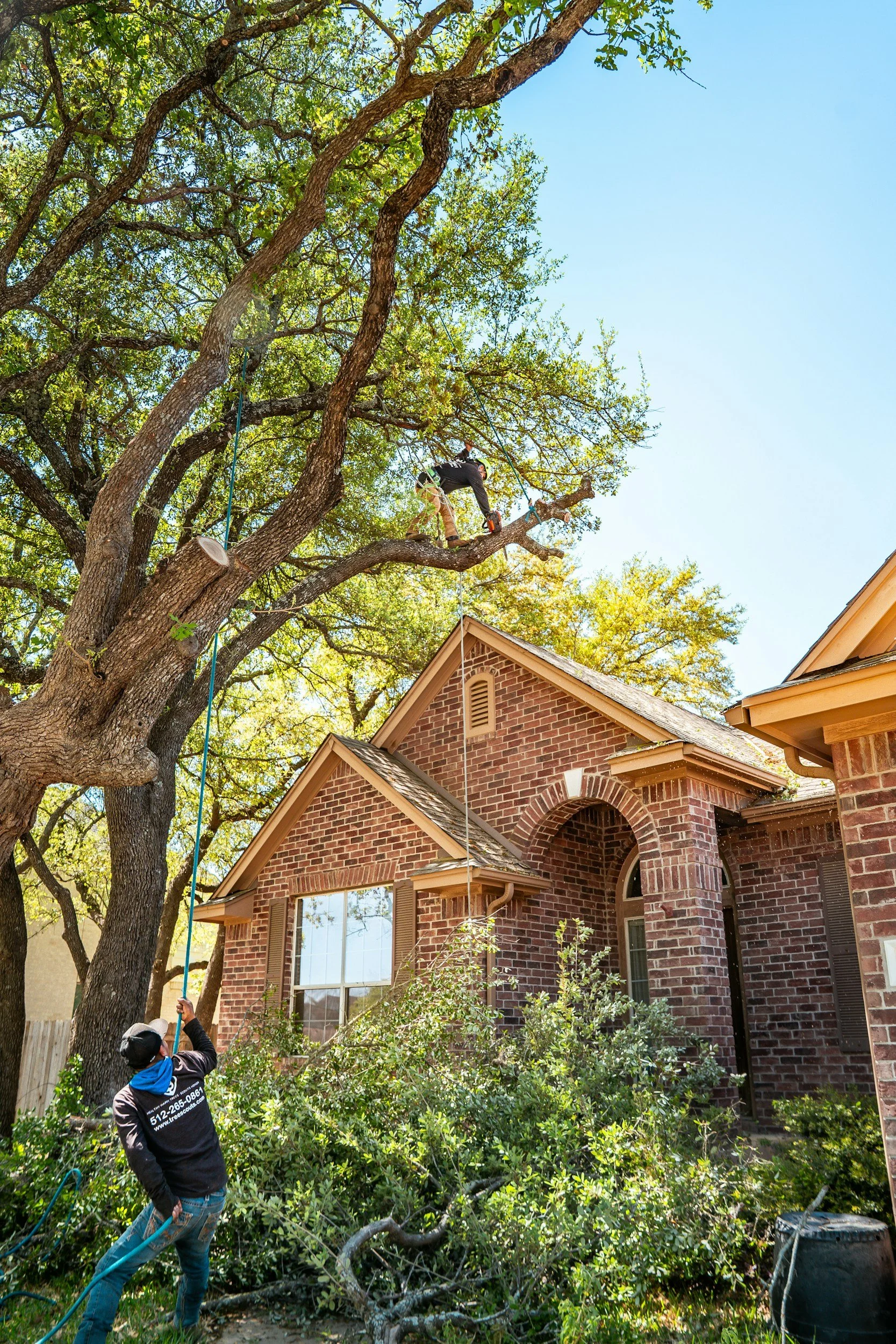
Pruning is one of the most beneficial things you can do for your trees, but doing it incorrectly can cause lasting damage. The goal of pruning is to remove dead or crossing branches, improve air circulation through the canopy, and shape the tree for healthy growth. These are some of the major differences between pruning and trimming.
The best time to prune most trees is in late winter or early spring, just before new growth begins. At this stage, the tree is dormant, pests are less active, and the structure of the tree is clearly visible without leaves in the way.
Always cut just outside the branch collar (the raised ring where a branch meets the trunk)
Remove no more than 25% of the canopy in a single year
Use sharp, clean tools to prevent tearing bark and spreading disease
Avoid "topping,"or cutting all branches at the same height; this severely weakens the tree
Pro tip: Pruning branches larger than 3–4 inches in diameter, or any work that requires climbing or a ladder near power lines should be left to a qualified arborist. DIY pruning on large limbs can be dangerous and may void your home insurance in some cases.
Warning Signs Your Tree May Be in Trouble
Trees don't show distress the same way a wilting houseplant does. Problems often develop slowly over years, which is why regular inspections matter. Walk around your trees every season and look for these warning signs.
Cracks or splits running vertically along the trunk
Fungal growth (mushrooms or conks) around the base or on the trunk
Hollow or soft spots when you tap the trunk with a mallet
Dead branches clustered at the top of the canopy (called "dieback")
Unusual leaf discoloration outside of normal seasonal changes
Visible pest activity — boreholes, sawdust-like frass, or heavy insect presence
Catching these signs early gives you options. A certified arborist may be able to treat the problem with targeted pruning, pest management, or soil care. If the damage has progressed too far, however, full removal becomes necessary — and the longer you wait, the higher the tree removal cost tends to be, particularly if the tree is large, leaning, or close to a structure.
When It's Time to Call a Tree Professional
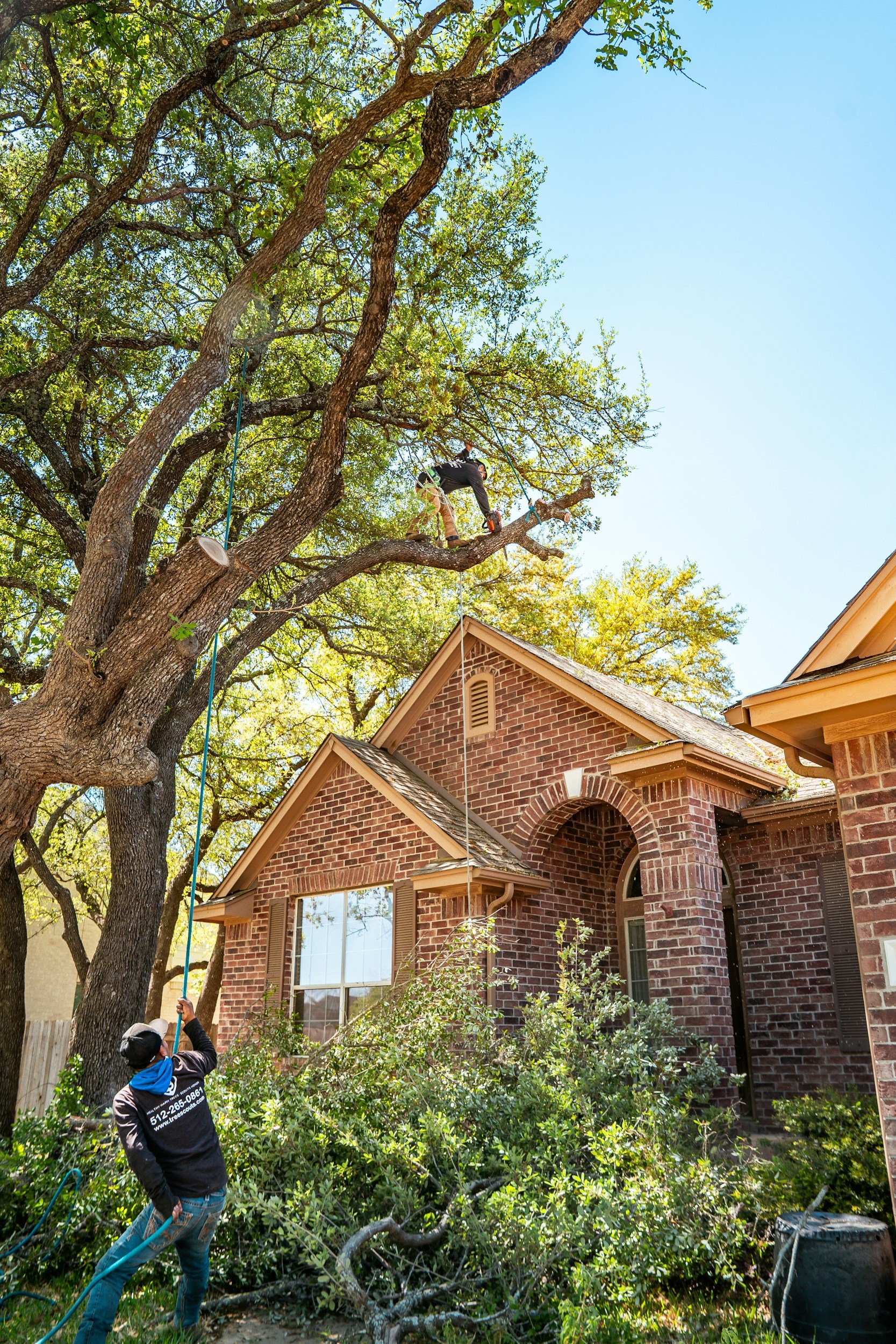
There's a lot you can handle on your own, including basic watering, mulching, and light pruning of small branches. But there are clear situations where hiring professional tree care services is the smarter and safer choice.
Zack Masters @unsplash
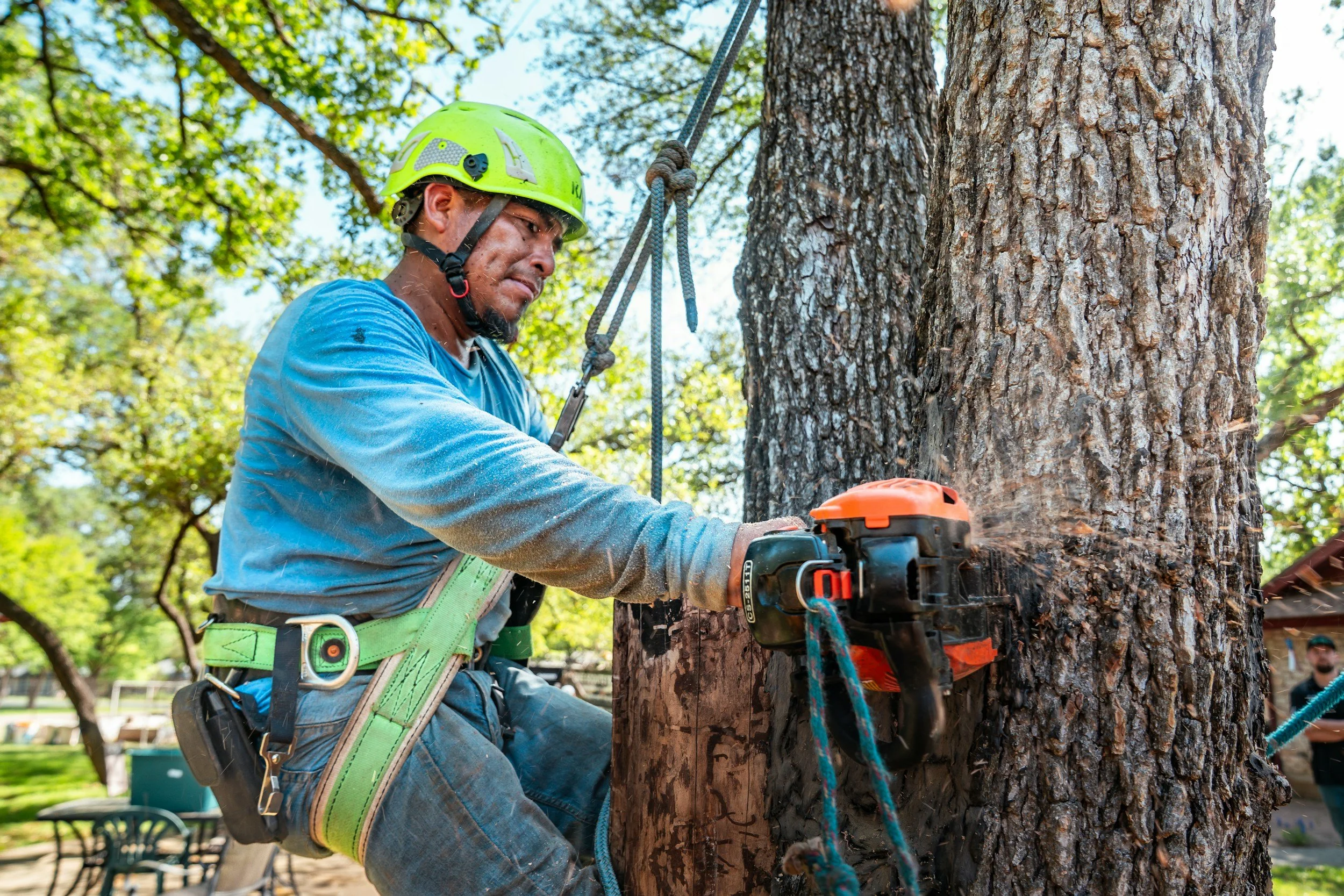
Any time a tree is within falling distance of your home, a utility line, or a fence, the stakes are too high for trial and error. A certified arborist carries liability insurance, uses proper equipment, and can accurately assess whether a tree is structurally sound or poses a risk. They can also advise you on whether a tree can be treated and saved, or whether removal is the only safe option, which is important information to have before costs escalate.
Most reputable tree professionals will offer a free initial assessment, and it's completely normal to request a tree removal estimate from more than one provider before making a decision. Getting two or three quotes gives you a clearer picture of what the work involves and helps you avoid overpaying.
Pro Tip: Ask your arborist for references and proof of insurance before any work begins. Reputable professionals will have no hesitation providing both.
Jon Moore @unsplash
Keep Your Trees Healthy Before Problems Start
Taking care of your trees doesn't have to be complicated. Consistent watering, seasonal pruning, and annual inspections go a long way toward keeping them healthy for decades. It's also worth knowing that regular maintenance is one of the most effective ways to avoid steep tree removal costs down the line, because a tree that's been properly cared for rarely needs emergency work.
When problems do arise — or when a tree needs to come down — don't hesitate to bring in a qualified professional. The investment in proper care now saves you from far more expensive and stressful situations down the road and helps ensure your yard stays beautiful and safe for years to come.
About the Author:
This article was written by the Go Tree Quotes team, Australia's trusted resource for connecting homeowners with the highest-rated local arborists and transparent service costs. Their platform simplifies the search for quality tree care by matching users with vetted, top-tier specialists and providing free, competitive quotes.
You may also be interested in…




Trees are among the most valuable assets a property can have. They provide shade, improve air quality, support local wildlife, and add measurable value to residential and commercial real estate. But trees, like all living things, have a lifecycle. When a tree becomes diseased, structurally compromised, or simply no longer suited to its environment, removing it thoughtfully and responsibly is not an act of environmental neglect. It is, in fact, one of the most proactive steps a property owner can take to protect the health of the surrounding landscape and the safety of everyone who uses it.