



The Evolution of Smart Hockey Arenas: Where Innovation Meets Sustainability
/As technology continues to influence nearly every aspect of modern life, the places where we gather, including sports venues, are evolving as well. Today’s hockey arenas are not only adopting advanced technologies to elevate the fan experience, but they are also emerging as leaders in sustainability and environmental awareness. These “green smart arenas” are reshaping expectations by blending immersive, tech-driven experiences with a meaningful commitment to lowering environmental impact. This reflects a broader shift toward sustainable business practices and environmental innovation across industries.
The Growth of Eco-Conscious Smart Arenas
A smart arena goes beyond simply incorporating new technology. It represents a fully integrated environment that uses intelligent systems to streamline operations, enhance fan interaction, and reduce its carbon footprint. By utilizing tools like the Internet of Things (IoT), artificial intelligence (AI), and real-time data insights, these arenas are changing both how fans engage with the game and how facilities operate in a more sustainable way.
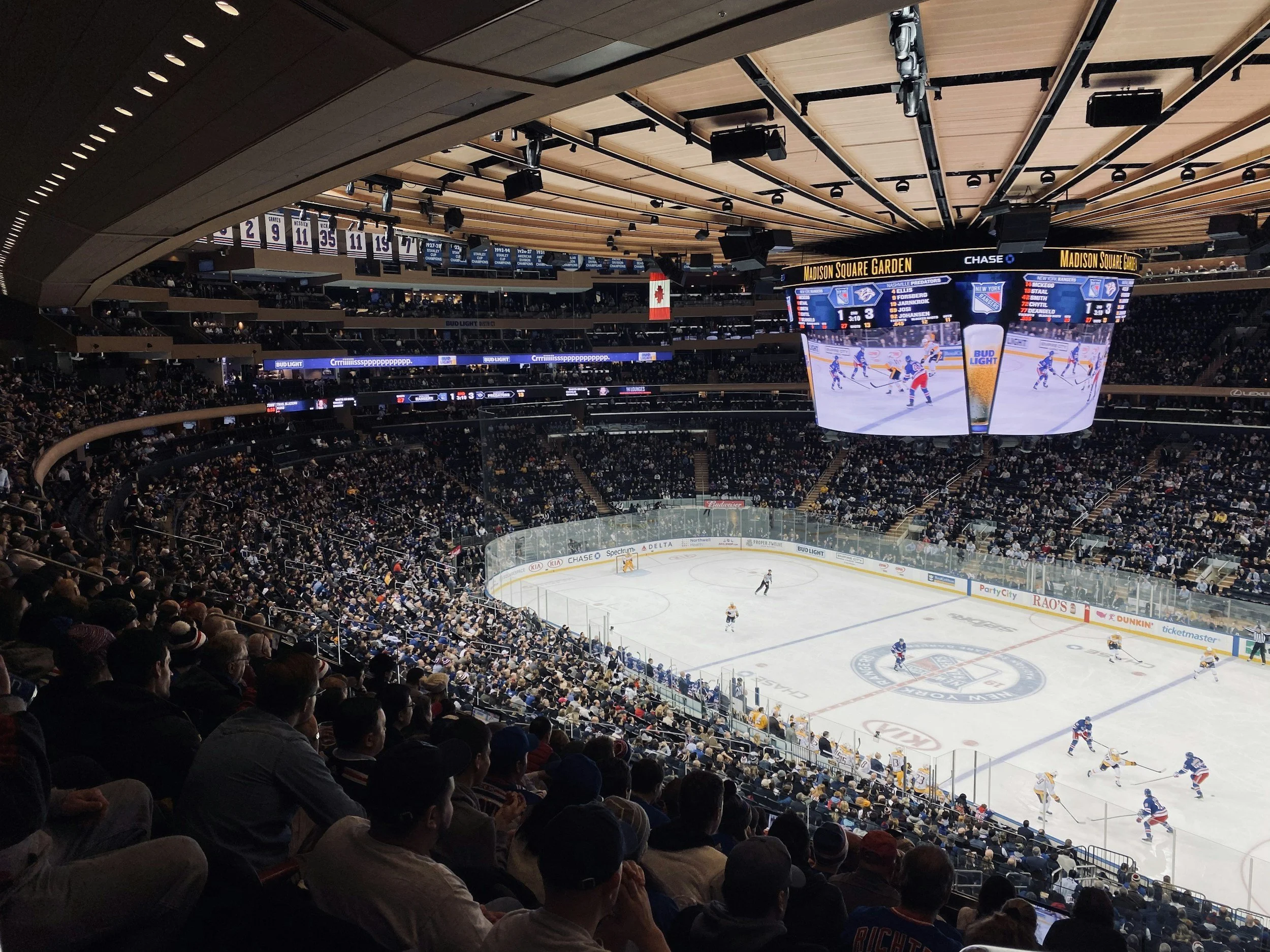
Seth Hoffman @unsplash
Sustainability is embedded throughout these venues, from construction materials to energy use and waste management practices. With growing attention on climate issues, eco-friendly arenas are setting a new benchmark across the sports industry. Developers and operators are increasingly prioritizing long-term environmental performance, recognizing that adopting eco-friendly business practices through sustainable design is not only responsible but also cost-effective over time.
Connected, Sustainable Fan Experiences
The move toward digital ticketing and mobile platforms is not only about convenience. It also plays a key role in cutting down on paper use and disposable materials. Fans can access entry, order food, and shop for merchandise directly from their phones. Features like facial recognition and contactless payments further simplify the process while reducing reliance on physical tickets, receipts, and plastic credentials.
Digital displays and in-arena applications help keep fans informed and engaged without the need for printed programs or signage. These tools not only minimize waste but also improve the overall experience by delivering live stats, highlights, and personalized content. In many cases, these platforms also allow venues to communicate sustainability initiatives directly to fans, creating greater awareness and participation.
Greener Game-Day Innovations
Modern arenas are also adopting immersive technologies such as augmented reality (AR) and virtual reality (VR) to enhance engagement while limiting the need for additional physical materials. Fans can view stats, replays, and exclusive content through their devices or wearables, reducing resource consumption while maximizing convenience.
Mobile ordering systems and digital menus improve efficiency and reduce crowding, while also supporting more sustainable food service operations. Many venues are introducing compostable packaging, electronic receipts, and AI-powered inventory systems to help minimize food waste. Some arenas are also partnering with local food vendors and suppliers to reduce transportation emissions and support regional economies.
NHN @unsplash
Energy Efficiency at the Center
A standout feature of today’s smart arenas is their focus on energy and resource management. These venues rely on advanced HVAC systems, intelligent lighting, and adaptive climate controls that respond to occupancy and weather conditions in real time. LED lighting, solar energy integration, and high-performance insulation all contribute to lower energy usage.
Water conservation is another priority, with many arenas implementing recycling systems for cooling and restroom operations, along with drought-tolerant landscaping around the facility. These efforts help reduce strain on local water resources while maintaining operational efficiency.
Waste reduction efforts are supported by smart monitoring systems that track usage and improve recycling and composting processes, highlighting the growing importance of eco-friendly waste management strategies in large-scale venues. This ensures materials are handled properly, reducing landfill waste and strengthening sustainability initiatives. Some venues are even working toward zero-waste goals, aiming to divert the majority of their waste away from landfills through improved sorting and education.
Enhanced Security and Efficiency
In addition to sustainability, smart arenas are advancing safety measures. AI-powered surveillance systems help monitor crowds efficiently without requiring excessive infrastructure. Biometric access systems reduce the need for physical passes, cutting down on waste while maintaining secure entry protocols.
Operational efficiency also improves through automation. Staffing needs can be optimized, maintenance issues can be identified earlier, and overall venue management becomes more streamlined. This efficiency contributes not only to cost savings but also to a reduced environmental footprint.
Using Data to Drive Sustainability
The data generated within these arenas serves a larger purpose beyond fan engagement. Facility operators can analyze this information to track energy use, adjust operations, and make more environmentally responsible decisions as part of a broader climate-aligned business strategy. For instance, understanding peak crowd movement can help optimize lighting and climate control, while analyzing concession trends can reduce unnecessary food waste.
Sponsors also gain value from these initiatives. Brands focused on sustainability can align with the arena’s efforts through digital advertising, interactive campaigns, and environmentally focused partnerships that resonate with fans. This creates a shared ecosystem where sustainability becomes part of the overall brand experience.
Looking Ahead: The Future of Green Arena Design
As innovation continues, the next generation of smart arenas is expected to push sustainability even further. Emerging technologies such as predictive analytics and machine learning will allow facilities to anticipate energy needs and adjust systems before inefficiencies occur. Materials used in construction are also evolving, with more venues incorporating recycled components and low-impact building methods that reduce environmental strain from the outset.
There is also a growing emphasis on community integration. Arenas are beginning to serve as multi-purpose spaces that support local events, public transportation access, and shared energy systems. By connecting with surrounding infrastructure, these venues can reduce traffic congestion, lower emissions, and create a more sustainable experience beyond game day.
Fan expectations are also shifting. As awareness of environmental issues grows, audiences are increasingly drawn to organizations that reflect their values. Smart arenas that prioritize sustainability are not only improving operations but also strengthening their relationship with fans who want to support responsible innovation. This shift suggests that sustainability will continue to be a defining factor in the future of sports venues.

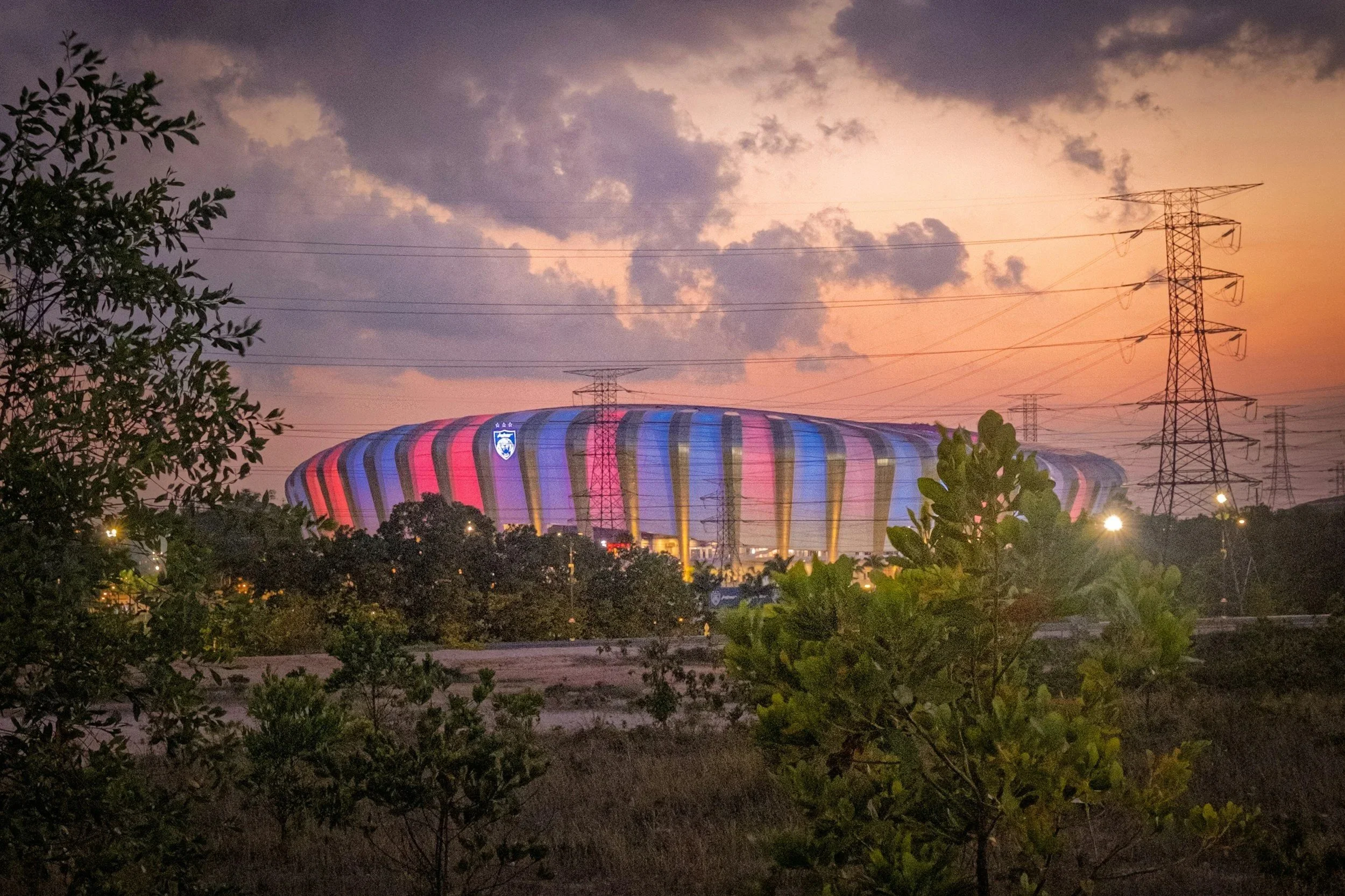
Troy T @unsplash
The Smart Era of Sports Entertainment
The future of hockey arenas is not only about delivering more exciting fan experiences, but about doing so in a responsible and sustainable way. Smart arenas demonstrate that advanced technology and environmental awareness can work together seamlessly. As these venues continue to evolve, they highlight how innovation, efficiency, and sustainability can define the next era of sports entertainment.
In a time when environmental impact matters more than ever, smart hockey arenas are setting the pace, leading not only in entertainment but also in building a more sustainable future for the sport, its fans, and the world around it.
Author Bio:
Matt Stathopoulos is Marketing Coordinator for ProStockHockey.com, an online retailer specializing in authentic pro stock hockey gear originally made for NHL players. He is a lifelong hockey fan and avid hockey equipment enthusiast. His hockey passion and knowledge are on display in every blog post, social post and fan/customer interaction. Stathopoulos lives and breathes hockey!
You may also be interested in…





As technology continues to influence nearly every aspect of modern life, the places where we gather, including sports venues, are evolving as well. Today’s hockey arenas are not only adopting advanced technologies to elevate the fan experience, but they are also emerging as leaders in sustainability and environmental awareness. These “green smart arenas” are reshaping expectations by blending immersive, tech-driven experiences with a meaningful commitment to lowering environmental impact. This reflects a broader shift toward sustainable business practices and environmental innovation across industries.