


Raised Beds vs In-Ground Gardening: Which is Right for You?
/Choosing between raised beds and in-ground gardening might be one of the first major decisions you’ll make when starting (or expanding) your edible garden. And while it’s often framed as an either/or choice, the reality is more nuanced: both methods can be highly productive, sustainable, and beginner-friendly if they match your space, soil, and goals. I use both methods in my own garden for different purposes and have learned over the years what works well in each case.
If you’re fairly new to edible gardening, check out my beginner’s guide to growing food at home. It can help you figure out your garden setup without the trial and error of going it alone or scouring the internet for information.
In this guide, we’ll walk through the key differences, advantages, and drawbacks of each approach so you can confidently decide what works best for your garden. But first, it’s important to briefly define each one.
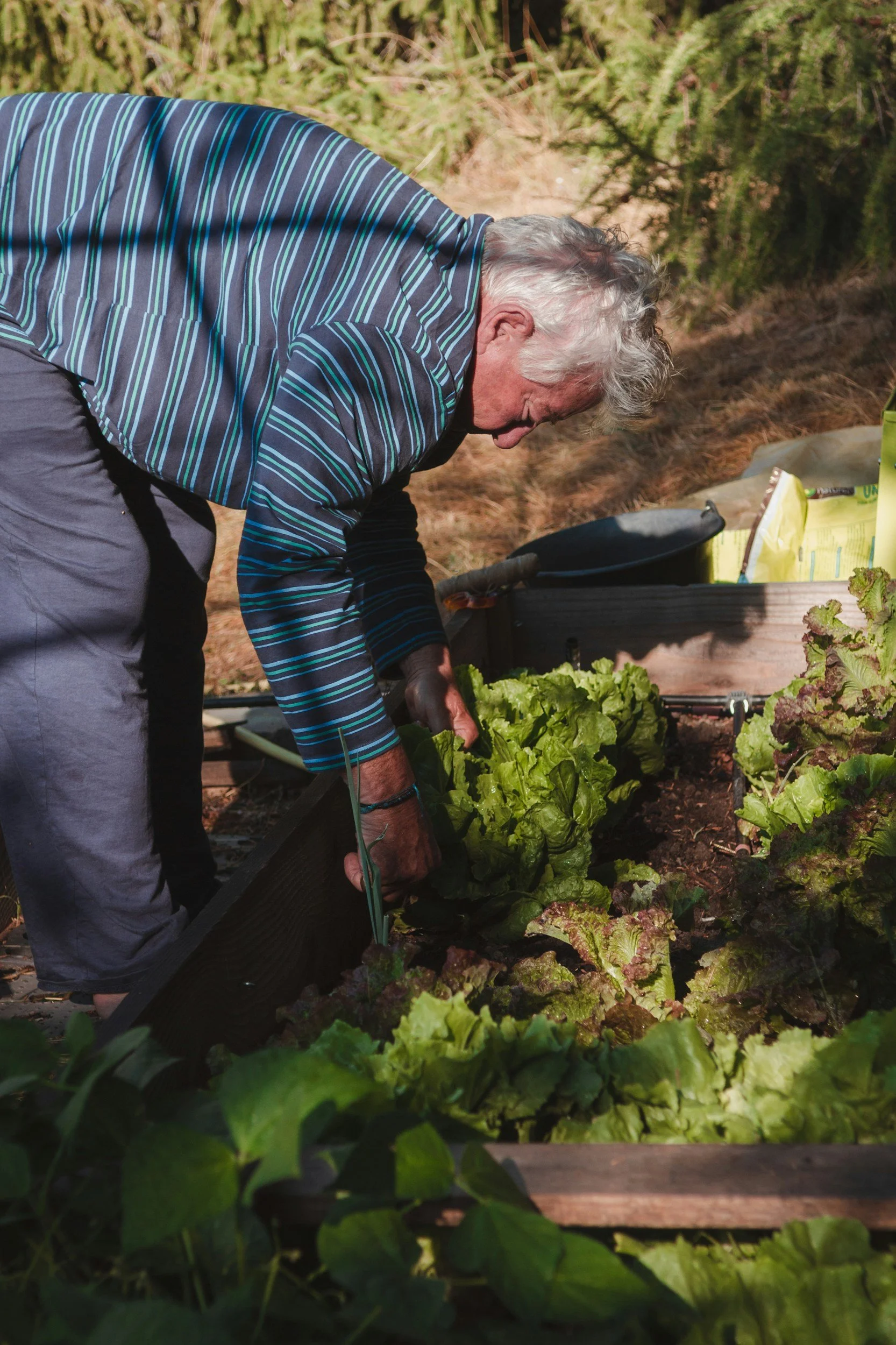
Sincerely Media @unsplash
What Is Raised Bed Gardening?
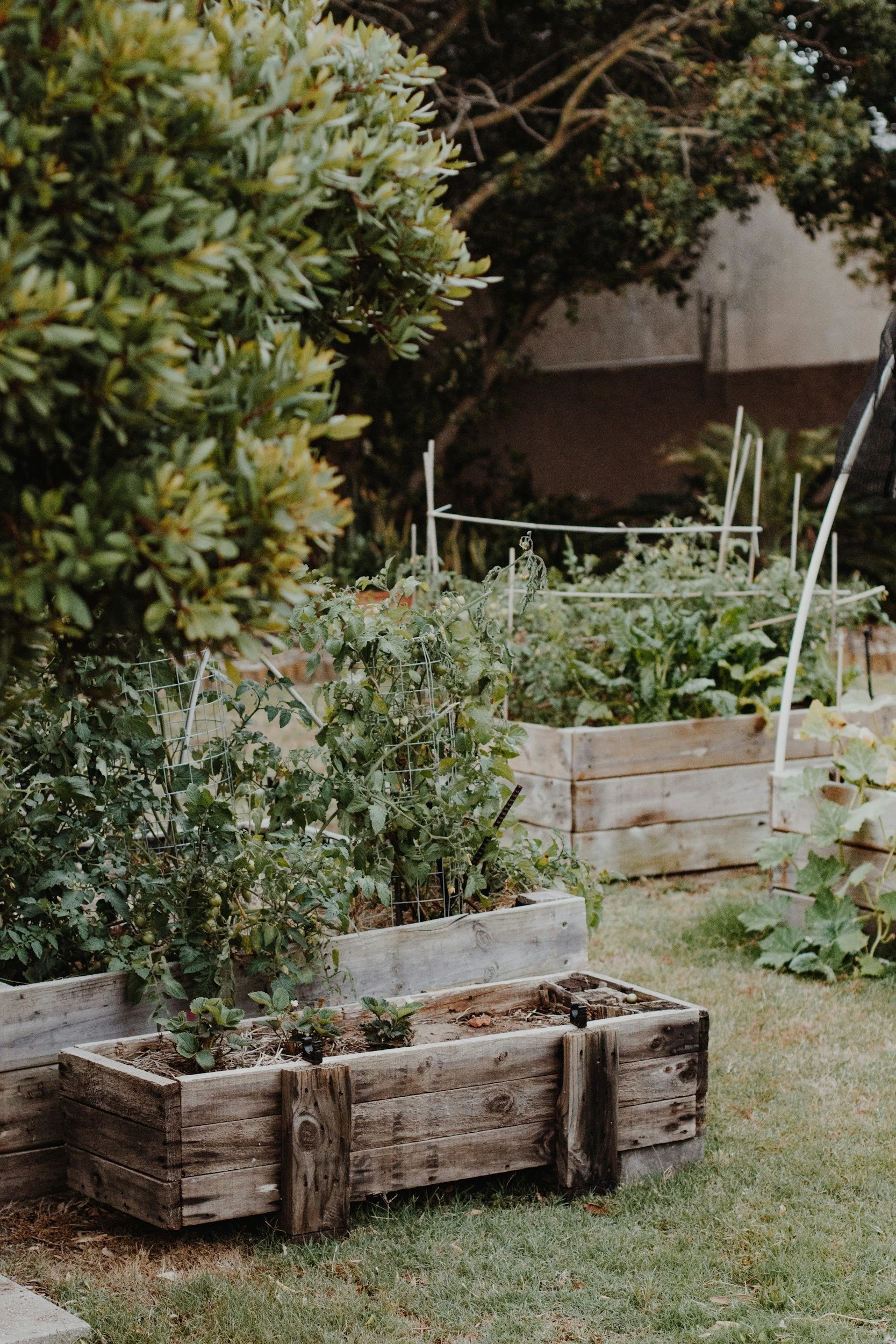
Raised bed gardening involves growing plants in soil that sits above ground level, typically enclosed in a frame made of wood, metal, or stone. These beds are filled with a custom soil mix and can be built to various heights. They can also be layered with sticks and straw on the bottom to save money on soil (the cost of which can add up quickly if you’re filling multiple beds).
Raised beds are especially popular among beginner gardeners, urban growers, those dealing with poor native soil, and gardeners who want to ease the strain on their back.
What Is In-Ground Gardening?
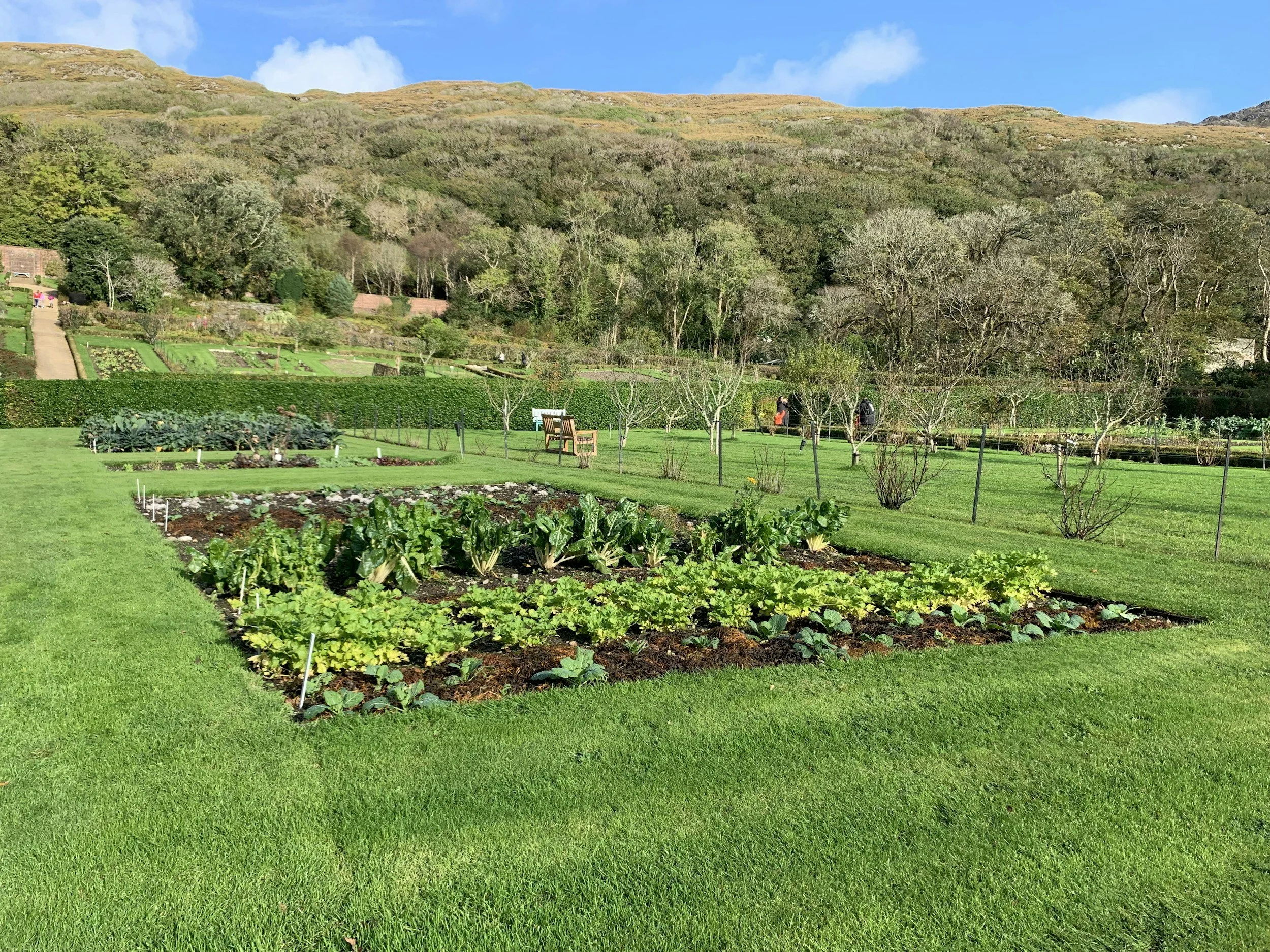
In-ground gardening means planting directly into your native soil. This is the traditional method used in home gardens, farms, and community plots.
Instead of building structures, you improve the existing soil over time. If your soil is naturally loamy, you have the most ideal soil for planting! Sandy, chalky, clay or peaty soil will need to be improved with compost, mulch, and other amendments to make it suitable for planting. Silty soil is fine for growing food, but it’s not as ideal as loamy soil, which contains a mix of sand, silt, and clay, has a fine texture, good structure, adequate drainage, and holds moisture well.
The Benefits of Raised Beds
Raised beds offer a high level of control and convenience, which is why they’re often recommended for beginners.
1. Better Soil Control
With raised beds, you’re not limited by your native soil. You can create an ideal growing mix from day one, which is especially helpful if your soil is clay-heavy, sandy, or compacted.
2. Improved Drainage
Because the soil is elevated, water drains more efficiently. This reduces the risk of root rot and makes raised beds ideal for areas with poor drainage.
3. Fewer Weeds and Pests
Starting with clean soil means fewer weed seeds. The defined borders also help prevent weeds from creeping in, and the elevation can deter some herbivore and animal pests.
4. Easier on Your Body
Raised beds reduce the strain of bending and kneeling, making gardening more accessible, especially for those with mobility challenges.
5. Earlier Planting in Spring
Raised beds warm up faster than ground soil, allowing you to plant earlier and extend your growing season.
The Drawbacks of Raised Beds
Despite their advantages, raised beds come with several trade-offs that are important to consider.
1. Higher Upfront Cost
Building or purchasing raised beds, plus filling them with soil, can be expensive, especially if you want multiple beds.
2. Soil Requires Maintenance
Because the soil is contained, nutrients can deplete faster, requiring regular additions of compost and organic matter.
3. Faster Drying
Raised beds drain well, but that also means they dry out faster, especially in hot weather. You may need to water them more frequently.
4. Limited Space for Large Crops
Crops like corn, pumpkins, or sprawling melons may not perform as well in confined raised beds.
Ulrike R. Donohue @unsplash
The Benefits of In-Ground Gardening
If you have decent soil and space, in-ground gardening offers simplicity and scalability.
1. Lower Cost
In-ground gardening requires minimal materials. You’re working with the soil you already have, making it the most budget-friendly option.
2. Ideal for Large Gardens
You can grow more food and plant in rows, making it easier to scale up your garden over time.
3. Better for Deep-Rooted Crops
Plants like tomatoes, corn, and fruiting vines benefit from unrestricted root growth in native soil.
4. Better Moisture Retention
Ground soil tends to hold moisture longer than raised beds, reducing how often you need to water.
The Drawbacks of In-Ground Gardening
1. Soil Quality Can Be a Limitation
If your soil is poor, it can take years of amendments to reach optimal fertility. This also cancels out the savings of growing in the ground.
2. More Weeds
You’re working with existing soil, which likely contains weed seeds that will need ongoing management.
3. Harder Physical Labor
Digging, weeding, and harvesting at ground level can be physically demanding.
4. Slower Spring Start
In-ground soil warms more slowly in spring, which can delay planting.
Which One Should You Choose?
The right choice depends on your specific situation. Here’s a practical way to think about it:
Choose Raised Beds if:
Your soil is poor, rocky, or contaminated
You want a low-maintenance, beginner-friendly setup
You prefer a neat, organized garden layout
You have limited space or want to garden on a patio or small yard
Choose In-Ground Gardening if:
Your soil is already healthy or easily improved
You want to grow a large amount of food
You’re working with a tight budget
You plan to grow crops that need space to spread
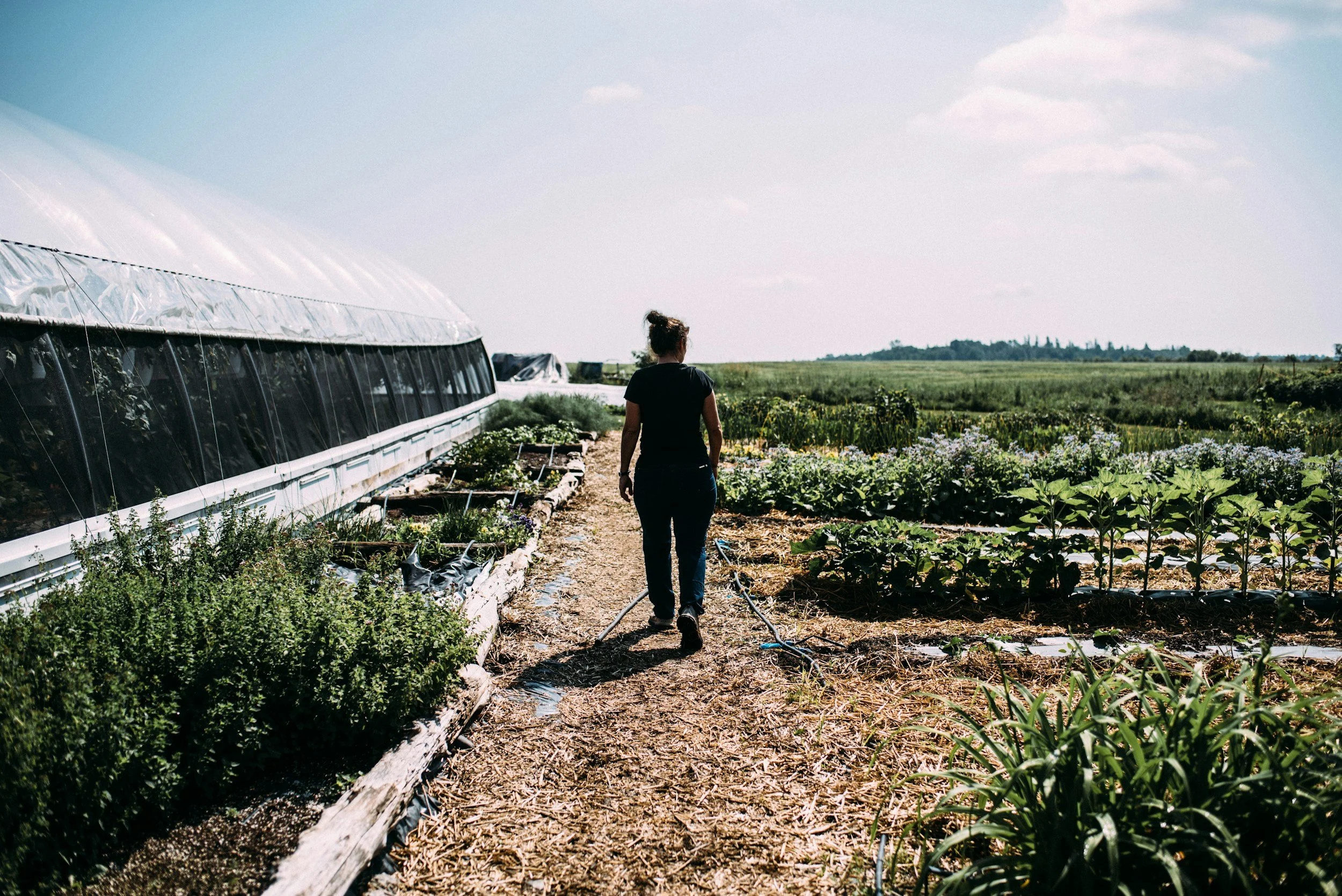
MRC Témiscamingue @unsplash
The Best Option: A Hybrid Approach
Many experienced gardeners use both methods—and for good reason.
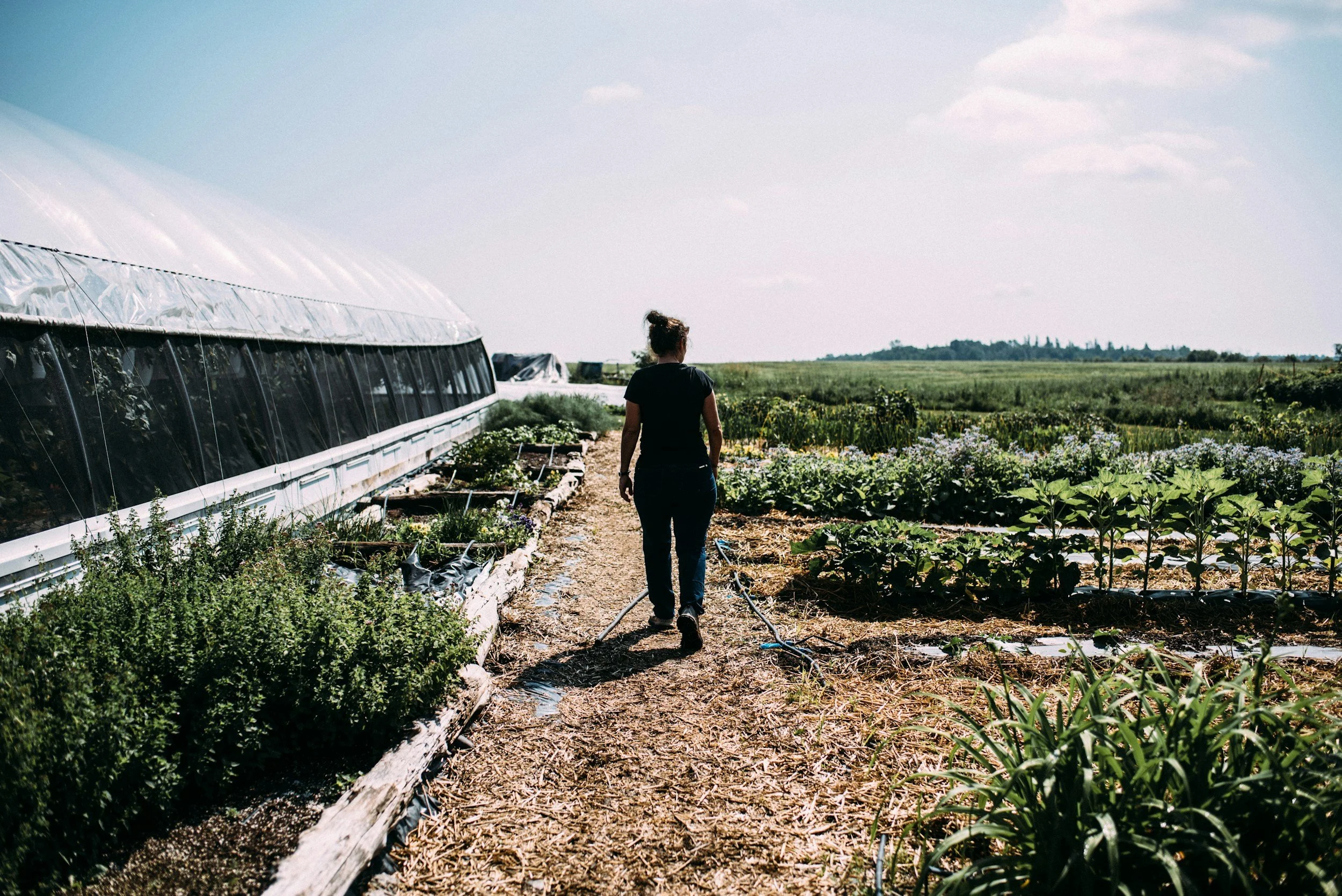
Grow high-value crops (like herbs, lettuce, and peppers) in raised beds for easier access and control
Use in-ground space for sprawling crops (like squash, corn, berry bushes and potatoes)
This hybrid approach allows you to maximize productivity while minimizing cost and effort.
Two Complementary Tools
Raised beds and in-ground gardening are not competing systems: they’re complementary tools.
Raised beds offer control, convenience, and accessibility. In-ground gardening offers scale, affordability, and natural growing conditions. The “right” choice depends less on trends and more on your soil, space, and goals.
If you’re just starting out, consider beginning with one or two raised beds while improving your native soil over time. That way, you build experience, reduce overwhelm, and create a garden that grows with you.
Ultimately, the most successful garden is the one you can maintain consistently and enjoy season after season.
You may also be interested in…


One of the most common mistakes gardeners make is assuming that planting more vegetables in a small space will automatically produce a larger harvest. In reality, overcrowding often does the opposite. Plants that are packed too closely together compete for sunlight, water, nutrients, and airflow. The result is usually smaller harvests, increased disease pressure, and weaker plants.