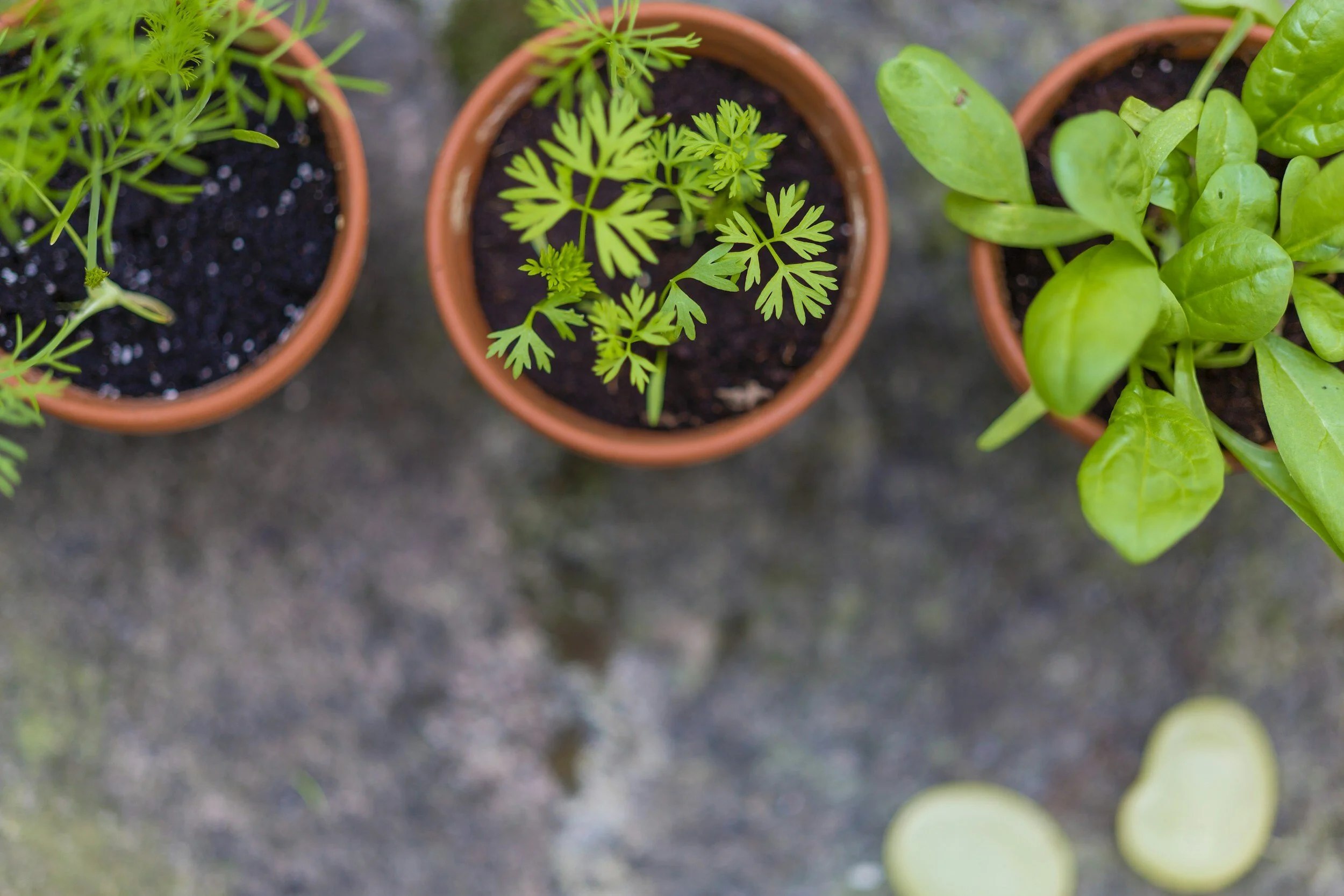



How to Grow Leafy Greens from Seed (Even If You’re a Beginner)
/Growing leafy greens from seed is one of the easiest, most rewarding ways to start an edible garden. Whether you are working with a backyard plot, raised beds, or a few containers on a patio, leafy greens offer quick harvests, minimal space requirements, and consistent yields throughout the growing season.
Even better, many greens thrive in cooler weather, making them ideal for early spring and fall gardening. If you are just getting started, this is one of the simplest ways to build confidence while producing fresh, nutrient-dense food at home.
If you are new to gardening overall, you may also want to explore this comprehensive guide on how to start an edible food garden at home before diving in.
Not sure if your seeds will actually sprout? Start with this simple checklist that helps you avoid the most common mistakes.
Why Leafy Greens Are Perfect for Beginners
Leafy greens are often the first crops I recommend to new gardeners, whether growing them from seed or seedlings, and for good reason.
They germinate quickly, grow fast, and do not require deep soil or complex care routines. Many varieties can be harvested multiple times, meaning one planting can provide weeks of fresh food.
Here are a few reasons they are especially beginner-friendly:
Fast germination, often within 5 to 10 days
Short growing cycles, with harvests in as little as 3 to 4 weeks
Ability to grow in containers, raised beds, or in-ground gardens
Tolerance for partial sun, especially in warmer months
Cut-and-come-again harvesting, which extends productivity
This combination makes leafy greens one of the lowest-risk, highest-reward crops you can grow. If you want a deeper breakdown of germination techniques and troubleshooting, see my guide on how to germinate seeds successfully every time.
Best Leafy Greens to Grow from Seed
Raelle Cameron @unsplash
While there are dozens of options, a few stand out for reliability and ease.
Lettuce
Loose-leaf varieties like Black Seeded Simpson or Red Salad Bowl are especially forgiving. They germinate quickly and can be harvested continuously.
Spinach
Spinach prefers cool temperatures and grows best in early spring or fall. It is nutrient-dense and compact.
Kale
Kale is one of the most resilient greens. It tolerates cooler weather and can continue producing even after light frost.
Arugula
Fast-growing and flavorful, arugula can be ready to harvest in as little as three weeks.
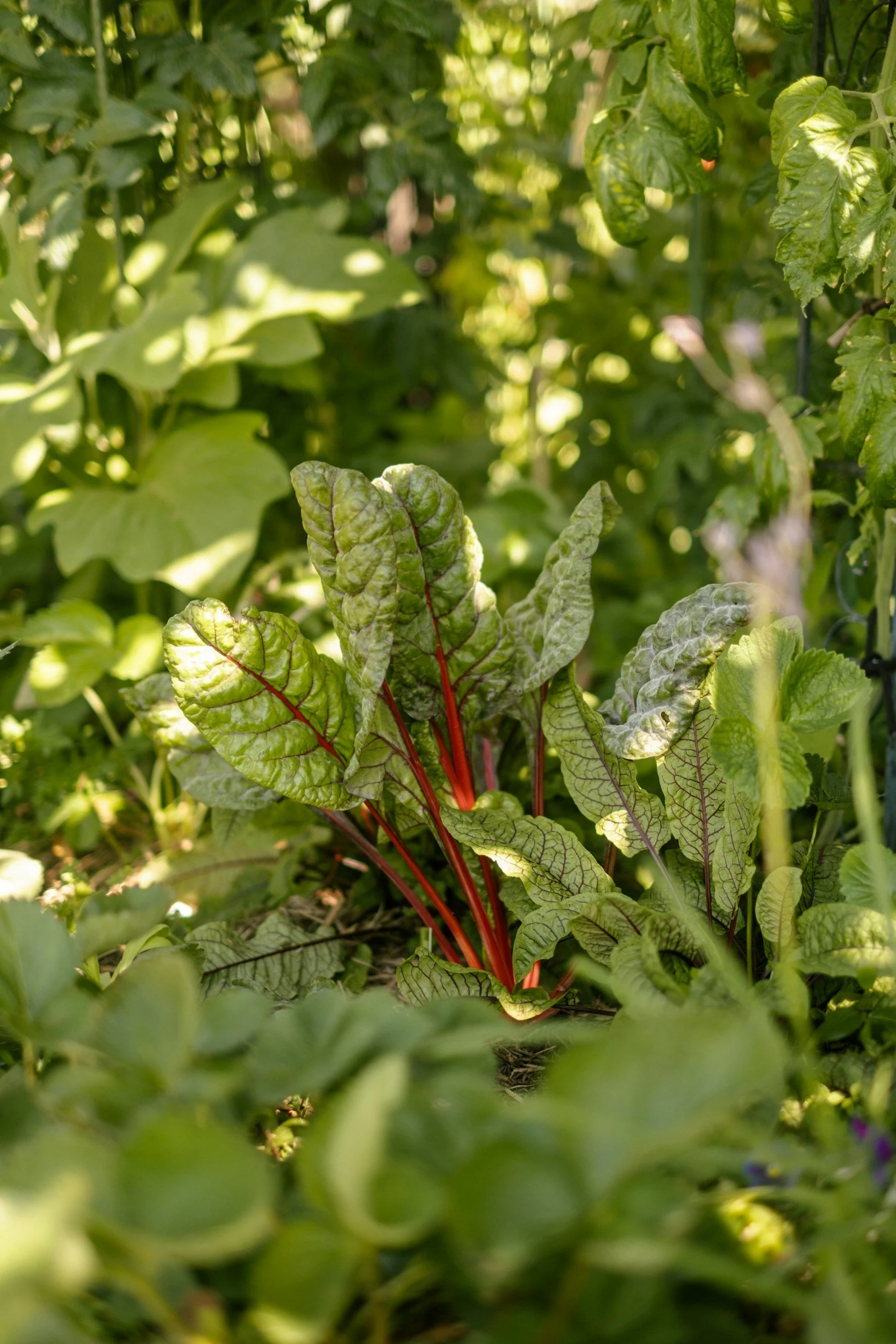
Swiss Chard
Chard is both productive and visually appealing. It tolerates a wider range of temperatures than many other greens.
If you are building a beginner garden plan, these crops pair well together and allow for staggered planting.
When to Plant Leafy Greens
Timing matters more than most people realize. If you’re thinking about what to plant in early spring, leafy greens are a good option.
Many leafy greens are cool-season crops, which means they perform best when temperatures range between 50°F and 75°F. In most regions, this translates to:
Early spring, as soon as the soil can be worked
Late summer to early fall for a second harvest
In warmer climates or during unexpected heat waves, leafy greens may bolt, or go to seed prematurely. To avoid this, aim to plant early and use succession planting to maintain a steady harvest.
How to Start Leafy Greens from Seed
Starting leafy greens from seed is straightforward, but a few small adjustments can significantly improve your success rate.
1. Prepare Your Soil
Leafy greens prefer loose, well-draining soil rich in organic matter. If you are working with containers, use a high-quality potting mix rather than garden soil.
Before planting, consider:
Mixing in compost to improve fertility
Ensuring proper drainage
Breaking up compacted soil for better root development
Healthy soil is one of the most important factors in consistent growth. There are many ways to improve garden soil naturally using low-cost materials as well as food waste you might otherwise throw away.
2. Sow Seeds Directly
Most leafy greens do best when direct sown into the soil rather than transplanted.
Plant seeds according to packet depth guidelines, which is typically very shallow, often about ¼ inch deep or less. Lightly cover with soil and gently water.
Spacing is also important:
Dense planting works well for baby greens
Wider spacing supports full-sized leaves
If you are unsure, you can always thin seedlings later.
Jonathan Kemper @unsplash
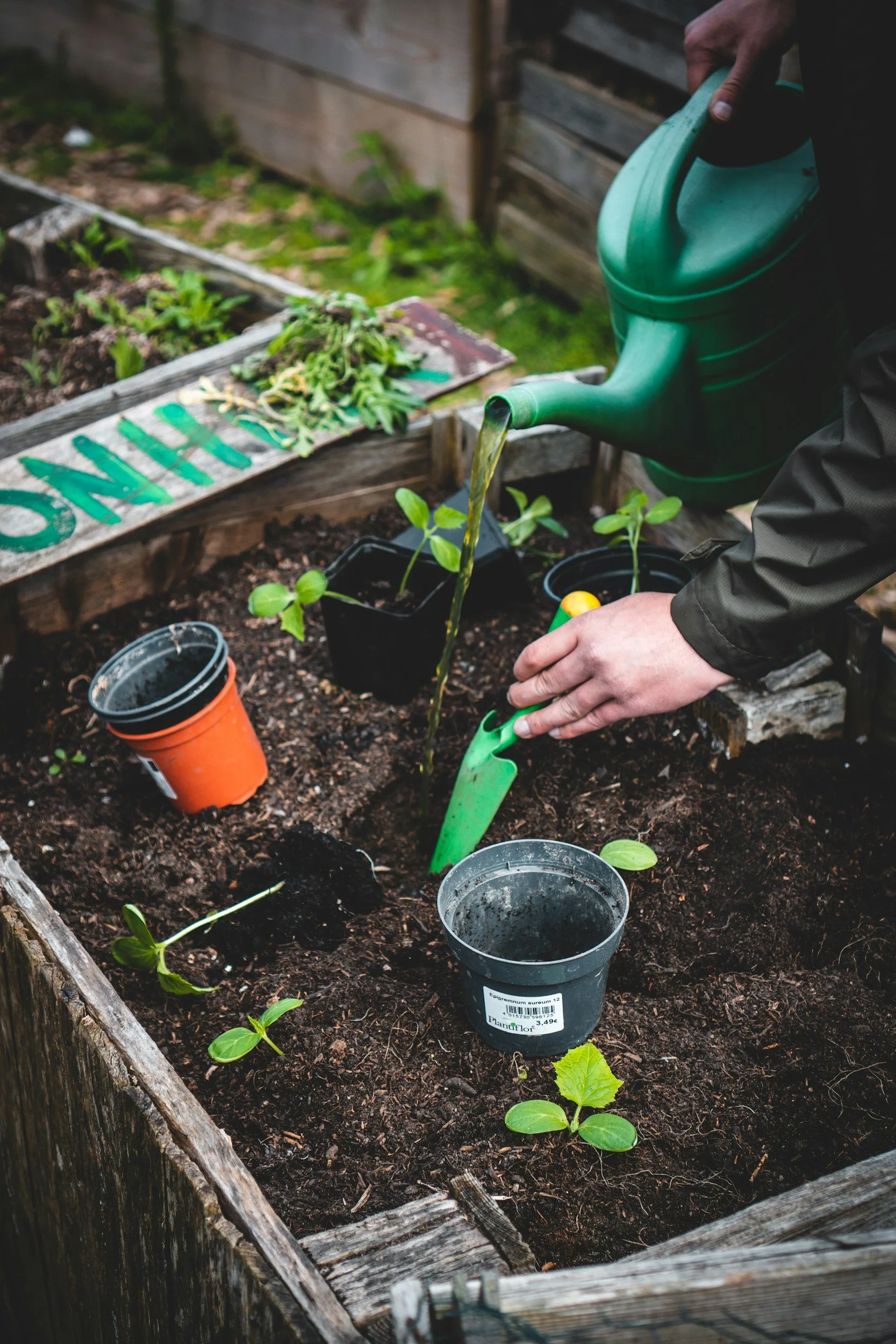
3. Water Consistently
Leafy greens require steady moisture, especially during germination.
The goal is to keep the soil evenly moist, not waterlogged. Inconsistent watering can lead to poor germination or bitter-tasting leaves.
A light watering once or twice daily during germination is often sufficient, depending on weather conditions.
4. Provide the Right Light
Most leafy greens prefer full sun in cooler weather, but can tolerate partial shade, especially as temperatures rise.
If you are growing in containers, this flexibility allows you to move plants as needed:
More sun in early spring
Partial shade in late spring or warmer periods
This simple adjustment can help extend your growing season.
5. Thin Seedlings for Better Growth
Once seedlings emerge, thinning is essential.
It can feel counterintuitive, but removing excess plants allows the remaining ones to grow larger, healthier leaves. Crowded plants compete for nutrients, water, and light.
Instead of discarding thinned seedlings, consider adding them to salads as microgreens.
Harvesting Leafy Greens for Maximum Output
One of the biggest advantages of leafy greens is how you harvest them.
Rather than pulling up entire plants, most varieties benefit from a cut-and-come-again approach.
Here’s how it works:
Harvest outer leaves first
Leave the center intact
Allow the plant to continue producing new growth
This method extends your harvest window and maximizes your yield.
For baby greens, you can harvest entire sections at once, especially when plants are densely sown.
Common Mistakes to Avoid
Even though leafy greens are beginner-friendly, a few common mistakes can limit your success.
Planting Too Early or Late
Planting too early means can bring an unexpected frost can kill your tender seedlings. Waiting too long into warm weather increases the risk of bolting (going straight to seed).
Overcrowding
Skipping the thinning step leads to smaller, weaker plants. Although you can often plant a bit closer than seed packets tell you, be sure to give each plant enough space for air to flow through its leaves.
Inconsistent Watering
Dry soil followed by heavy watering can stress plants and affect flavor. Use a timer to remind yourself to water, or better yet, invest in or build an inexpensive drip irrigation system that will keep your plants adequately hydrated.
Poor Soil Quality
Nutrient-deficient soil results in slow growth and reduced yields. Take time to test your soil (if growing in ground or in raised beds) and amend it with compost, other organic matter, and materials for drainage (like perlite). Aim for loamy soil that holds moisture but drains well.
Relying on pesticides to solve all your pest problems
Synthetic pesticides can actually worsen problems by killing the beneficial insects that help your garden thrive. If you do resort to pesticides, be sure to use natural pest control methods that won’t harm pollinators and other garden helpers
By addressing these early, you can significantly improve your results.
Growing Leafy Greens in Containers
If space is limited, growing leafy greens in containers is an excellent option.
Leafy greens are particularly well-suited for containers because they:
Have shallow root systems
Require minimal space
Adapt well to controlled environments
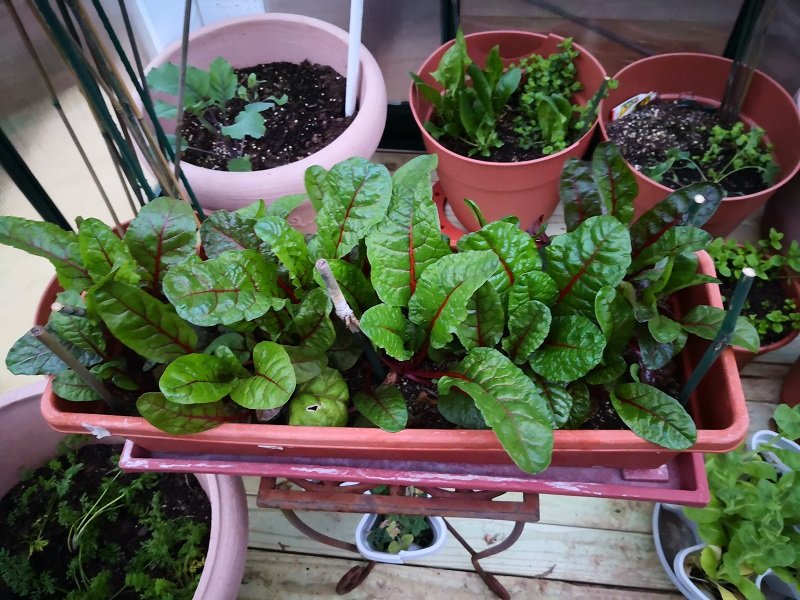
image by Green and Prosperous
When growing in containers:
Choose pots at least 6 inches deep
Ensure proper drainage holes
Use high-quality potting mix
Water more frequently, as containers dry out faster
Container gardening also gives you more control over sunlight and temperature exposure.
Extending Your Harvest Season
If you want a steady supply of greens, succession planting is key.
Instead of planting everything at once, sow new seeds every 2 to 3 weeks. This ensures that as one batch matures, another is ready to harvest.
You can also extend the season by:
Using shade cloth in warmer weather
Planting in partially shaded areas
Growing cold-tolerant varieties in fall
These strategies help you maintain production even as conditions change.
A Simple Way to Grow More of Your Own Food
Learning how to grow leafy greens from seed is one of the most practical steps you can take toward a more self-sufficient, sustainable lifestyle.
It does not require a large investment of time, money, or space. What it does offer is a steady supply of fresh, healthy food and the confidence that comes from growing something yourself.
If you are ready to expand beyond leafy greens, take the next step with this in-depth guide on how to start an edible food garden at home, where you will learn how to plan, plant, and maintain a productive garden from the ground up.
You may also be interested in…


Think you missed your chance to plant a spring garden? Well let me reassure you – you’re not late yet! The end of April can still be an excellent month to sow many cold-tolerant vegetables, especially crops that prefer cool soil and mild temperatures. In fact, some vegetables perform better when planted in April than they do earlier in late winter, because the soil has begun to warm and germination is often faster.