



Eco-Friendly Renovation Options for Every Project
/Renovation.
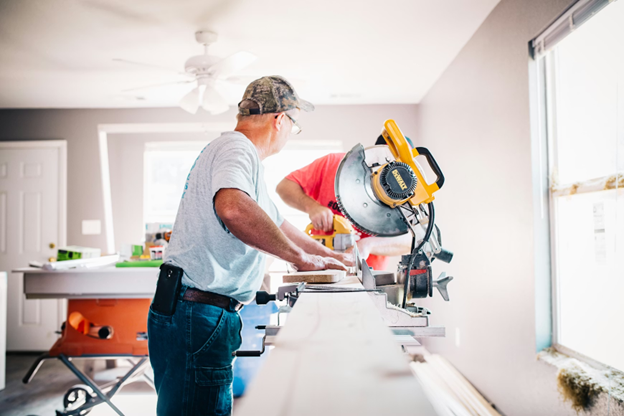
It’s the magical concept in which homeowners can slowly transform a “ho-hum” property into the home of their dreams.
With that said, homeowners are realizing that the dream home will quickly become a nightmare if it does not comply with modern sustainability standards.
Annie Gray @unsplash
A more conscientious real estate market. Tightening ordinances. Being part of the solution.
Keep reading as we explore some of the best ways to update your home while minimizing its environmental footprint in the process!
Recycled Glass Kitchen Countertops
Who doesn’t love the idea of stately stone countertops?
The deep veining of marble. The speckled variations of granite.
They add a “wow” factor to any home.
A similar statement is possible via recycled glass countertops for kitchens.
While not exactly rustic stone in appearance, the crystalline aspect of glass is nonetheless striking. It is sure to be a conversation starter when hosting.
What makes recycled glass countertops eco-friendly?
The “recycled” part probably gives it away.
The component glass is sourced from post-consumer and post-industrial waste. Bottles. Windows. Industrial panels. These materials are collected, sorted, and cleaned. The glass is then crushed into various sizes, from fine particles to larger chips.
Once crushed, the glass is combined with a resin binder to form a solid slab. This makes it quite nonporous and highly durable ¾ a first-class rival to classic stone countertops that salvages glass that would have otherwise been destined for landfills.
aopsan @freepik
Composite Roofing
The seasons are all backward and local climates no longer follow the rules.
If there is one hallmark of sustainable homes these days, it’s their ability to withstand natural disasters.
While severe weather events will test every inch of the home, the roof, as the first line of defense, will take the brunt of the punishment. If a leak sets in, the trickle-down effect can be disastrous, both literally and figuratively. Energy consumption will skyrocket. Moisture will damage the substrate and framing. The list goes on.
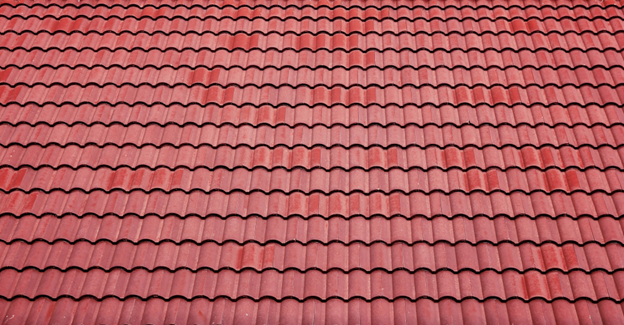
Properties looking for fortification would do well to consider composite roofing. Fabricated from a combination of asphalt, fiberglass, and plastic polymers, these innovative roofing tiles come with the highest impact and fire-resistance on the market. Moreover, they can be manufactured in a wide range of colors and designs to meet the aesthetic needs of any project.
Denim Insulation
If there is one area of home design that lends itself to greenwashing, it’s insulation.
Understandably so.
After all, any product that stems the flow of air transfer through the building envelope is more energy efficient than a home without insulation.
However, there is far more to eco-friendly insulation than simple R-value and energy savings (although this is undeniably important). Some important considerations for assessing the totality of an insulation product’s eco-friendliness include:
Embodied energy ¾ Extraction. Manufacturing. Transport. Installation. If the insulation material is a scourge in these areas, it offsets much of its benefit in terms of energy efficiency.
Toxicity ¾ Some types of insulation contain harmful byproducts. Asbestos was obviously the poster child for this. But even modern, approved products have issues. Fiberglass causes itching. Polystyrene board produces toxic smoke in the face of fire. Spray foam can give off VOCs if not properly cured.
Life cycle issues ¾ Some materials have relatively short life spans. This is a concern for blow-in products, which can settle and lose their efficacy rather quickly. Other materials are difficult to recycle and/or dispose of safely.
Due to these concerns, sustainable homes are far more discerning when retrofitting insulation. Hemp, sheep’s wool, and recycled denim are some premier options for comprehensive eco-friendliness. To this last item, recycled denim batts are made from 85% post-industrial denim. Safe, non-toxic, with elite R-value, it is also one of the top insulation materials for sound absorption, making it a “quiet” insulation choice (more on the importance of acoustics below).
Khadeeja Yasser @unsplaSH
Permeable Gravel Landscaping
Concrete.
The most consumed construction material in the world.
Its presence is ubiquitous around the house.
Sidewalks. Foundations. Driveways.
Beyond the fact that concrete contributes to 8% of the world’s CO2 emissions during creation, it has some other not-so-eco-friendly concerns:
The hard surface contributes to stormwater runoff, leading to erosion and sewer overloading.
Concrete can crack during the freeze/thaw cycle. Repairs are difficult and energy-intensive.
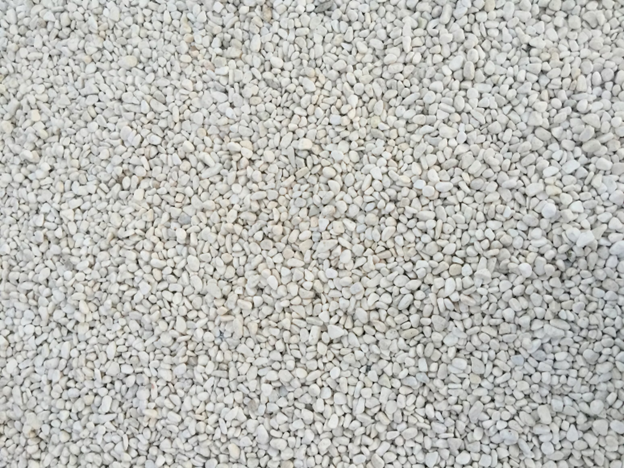
Although not a choice to replace concrete for foundations, permeable gravel systems are a more eco-friendly choice than concrete for exterior hardscaping. The system uses a series of durable substrate pavers that hold surface gravel in place. This eliminates the shifting concerns inherent to basic stone landscaping. Once filled with aggregates, the permeable systems provide rustic driveways, sidewalks, and patio floors. They provide premier durability with minimal maintenance requirements, all while leveraging the natural drainage properties of crushed stone.
Low-E Windows
The roof may be the “first line of defense” against the elements, but pardon the windows for differing.
In addition to the forces of nature, regular opening and closing can cause windows to break down at warp speed. Cracked panes. Broken seals. These are some of the paths of least resistance through which energy can transfer.
Sometimes, a caulk application is not enough to get the windows up to par. A full replacement may be necessary. When this time comes, consider innovative low-E windows. Their thin, transparent coating reflects heat while permitting natural light flow into the home. This allows the property to leverage the sun’s daylighting while keeping the home cooler in the summer and warmer in the winter, thus reducing HVAC consumption.
sid4rtproduction @freepik.com
Next-Level Soundproofing
Human-centered design.
It’s one of the prevailing concepts in modern architecture.
In short, it factors in how the building will be used and experienced by people for optimal health, safety, enjoyment, and productivity. From the get-go.
One central tenet of human-centered design is acoustics. Loud environments are more than just a distraction. They can have serious psychological (anxiety) and physiological (tinnitus) repercussions for inhabitants. As such, efforts to soundproof homes have gone into overdrive.
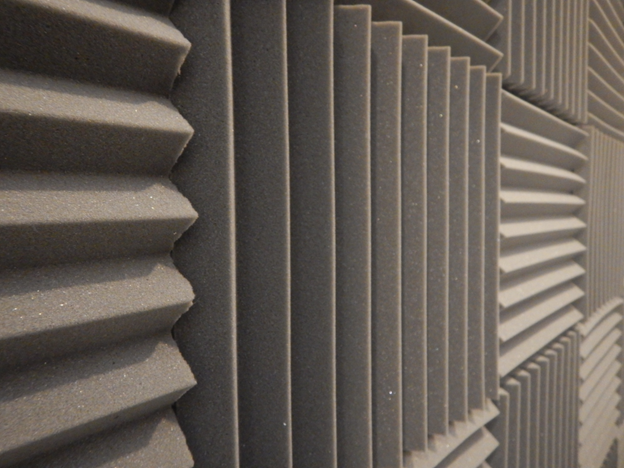
As mentioned, quiet insulation materials are valuable just as much for their soundproofing as thermal performance. Sound absorbing art is decoratively designed while helping absorb sound at its source. Magnetic window seal kits can keep ambient noise from bustling neighborhoods from entering the home. Soundproof doors made of fiberboard-filled oak can keep offices and bedrooms tranquil.
Remember: as occupant wellness gains momentum as part of the holistic sustainability movement, these types of human-centered accents will only increase in prevalence in eco-friendly properties.
Reduce Your Footprint with Eco-Friendly Renovation Ideas
Renovation: improve the home while leaving as little trace as possible. It adds up to better houses and more sustainable communities for all. For more of the latest trends in green architecture and sustainable living, explore the content at Green and Prosperous for ideas and inspiration for eco-friendly living at home today!

About the Author:
Jackie Kaufman is a freelance writer specializing in construction, renovation, and the evolving practices shaping the built environment. With a growing focus on sustainability, she explores how thoughtful design, responsible materials, and smarter building methods can create lasting impact. When she’s not writing, Jackie enjoys hiking Colorado’s trails with her children, where she and her family live. Her work has been featured on sites such as Building Product Advisor, a leading resource for construction industry professionals.