


How to Grow Asian Greens in Early Spring
/Over the past 5 years or so I have become a big fan of growing Asian greens. I started out with bok choy, and then added varieties I hadn’t heard of before: chijimisai, umaina, komatsuna, tatsoi, and misome. Now they’re my favorite greens to grow because of their versatility (in the garden and in the kitchen), the variety of options available when planting from seed, and the ease of growing them, both in soil and hydroponically in an indoor Kratky hydroponics setup.
Early spring is an ideal time of year for planting Asian greens. Fast-growing, nutrient-dense, and highly adaptable, they thrive in the cool temperatures that define the start of the gardening season. If you are looking for a reliable way to get fresh harvests weeks before your summer crops are ready, Asian greens deserve a central place in your garden.
If you’re interested in knowing how to start an edible food garden at home, this guide will walk you through everything you need to know to grow Asian greens this spring, from choosing among the different varieties to harvesting tender, flavorful leaves at the peak of their performance.
Why Asian Greens Are Perfect for Early Spring
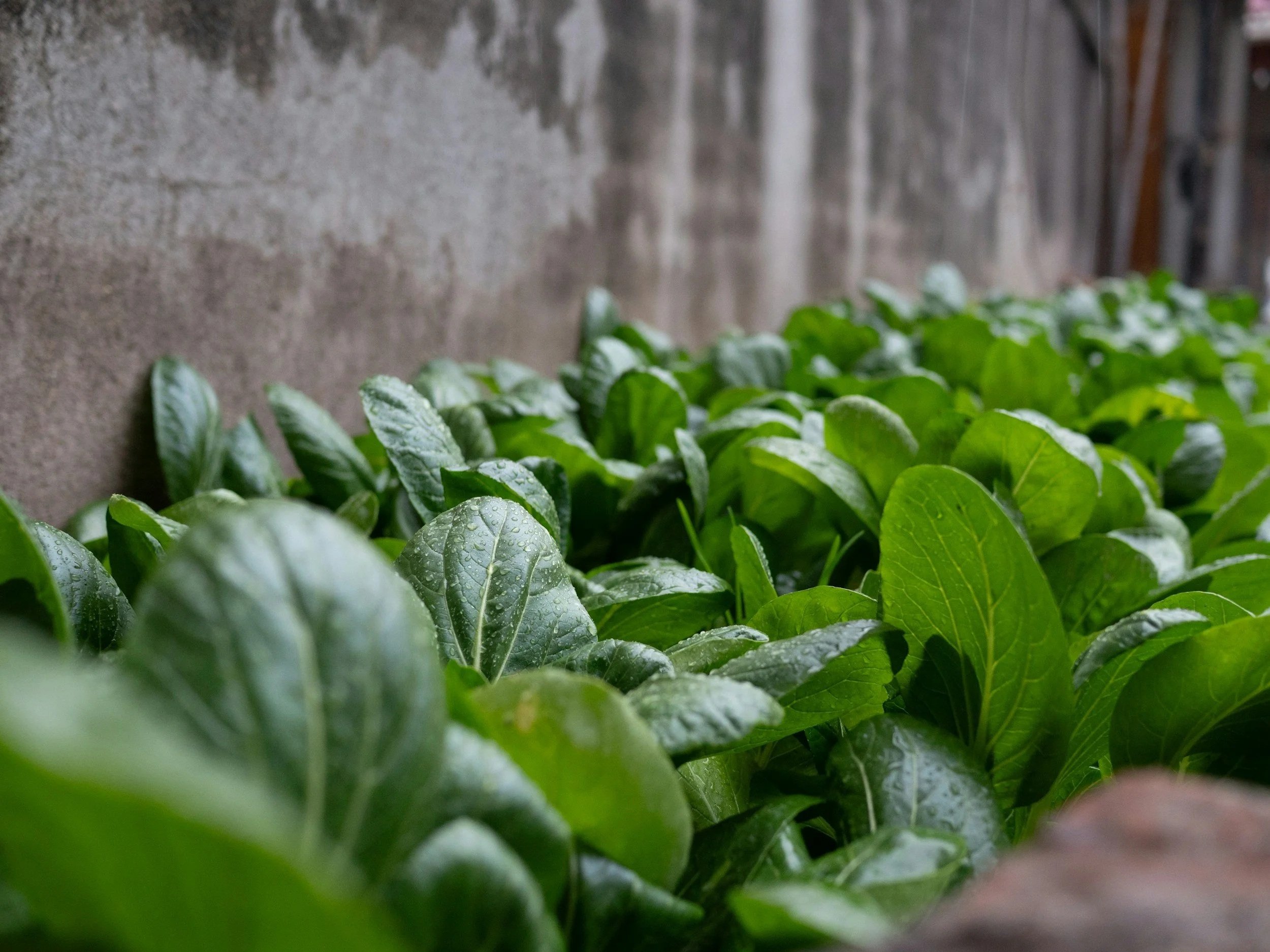
Most Asian greens are cool-season crops, with a few (like chijimisai) able to handle both cool and warm conditions with ease. That means that they tend to prefer mild temperatures and often struggle in summer heat. Knowing when to plant these vegetables in your region is one of the keys to a successful harvest.
Most varieties germinate well in soil temperatures between about 45°F and 74°F, making them ideal for early planting. In fact, many leafy greens can sprout in soil as cool as 40°F, allowing you to sow seeds as soon as the ground is workable. Beware, though, high temperatures aren’t the only risk factor involved in your plants bolting (i.e., going quickly to seed); big temperature swings from cold to warm weather can also be a major trigger for bolting.
Wenzy Wong @unsplash
Fortunately, most Asian greens grow quickly, so if one crop bolts, you may be able to grow another before high temperatures set in for the season. Many Asian greens are ready to harvest in 30 to 50 days, with some usable even earlier as baby greens or microgreens
For gardeners, this means that you can harvest Asian greens earlier than most other vegetables. You can also get more out of your harvest with succession planting: because they are so fast growing, with some greens ready to harvest in as little as 2 weeks (for microgreens) or 30 days (for full-size plants), you can plant multiple cycles in one season. Finally, Asian greens tend to be less susceptible to pest pressure than summer crops.
Best Asian Greens to Grow in Early Spring
While dozens of varieties of Asian greens exist, several stand out for their reliability and flavor in cool weather.
1. Bok Choy (Pak Choi)
A classic choice with crisp stems and tender leaves. Both green-stemmed and white-stemmed varieties grow well in spring.
2. Tatsoi
Highly cold-tolerant and perfect for early planting. Its spoon-shaped leaves form attractive rosettes and have a mild, spinach-like flavor.
3. Mizuna
Fast-growing and slightly peppery, mizuna is excellent for salads and continuous harvest.
4. Mustard Greens
These bring a spicy kick and grow quickly, making them ideal for succession planting.
5. Chijimisai
This delicious hybrid of tatsoi and komatsuna is a nutritional supergreen, grows fast and reliably, and is both cold and heat tolerant.
6. Chinese Broccoli (Gai Lan)
A slightly longer-growing option, but still suitable for spring with proper timing.
All of these greens share similar growing requirements, which makes planning your garden a lot simpler.
When to Plant Asian Greens
Timing is critical for success. You can sow Asian greens as soon as the soil can be worked in early spring. In many regions, you can begin planting 4–6 weeks before your last expected frost date. If you want to be able to harvest continuously throughout the spring (or until the weather is consistently above 75°F), sow seeds every 1–2 weeks.
Because they tolerate cool weather, many varieties of these greens can handle light frosts without issue. However, when planting outdoors before the danger of frost has passed, you’ll have better success with transplants than seeds (unless you use some kind of frost protection).
Where to Grow: Garden Beds vs Containers
Asian greens are highly adaptable and grow well in raised beds, in-ground gardens, and containers alike. Here are some advantages of each:
Raised Beds
Excellent drainage
Warmer soil earlier in spring
Easier soil control
In-Ground Gardens
Ideal for larger plantings
Require well-prepared, loose soil
Containers
Perfect for small spaces or patios
Work especially well for cut-and-come-again harvesting
Because Most Asian greens have shallow roots, you don’t need large container to produce an ample harvest: containers can be as little as 6–8 inches deep. Be sure to keep them consistently moist but not drenched. It’s easy to start a container vegetable garden at home with Asian greens, especially if you are a beginner.
Soil Preparation
If there’s only one thing you remember about growing a garden, it should be this: healthy soil is the foundation of a productive crop. Knowing how to improve your soil before spring planting is the most important first step you can take.
Asian greens prefer loose, well-drained soil (you can use perlite, leaf mold, or compost to ensure good drainage in heavy or compacted soil). Amend your soil with organic matter. Compost works well here; I also add used coffee grounds (worms love them!) and crushed eggshells to help improve soil structure. Most Asian greens will also prefer a neutral to moderately acidic pH. (between 6.0 and 7.0).
Before planting, remove weeds and debris, and loosen the soil to improve aeration.
Avoid planting your greens in overly wet soil. If the soil forms a sticky clump when squeezed, it is too wet to work and may lead to poor germination, root rot, or damping off.
How to Plant Asian Greens
Asian greens are often direct-sown. You can also start seeds indoors and transplant seedlings, but direct sowing is usually easier and more effective. Here’s how to do it.
Step-by-Step Planting
1. Sow seeds shallowly: plant seeds about 2x as deep as their size. For very tiny seeds, sow on top of the planting medium and press in gently, then water. Be sure to give them adequate space to grow: full-size plants will need around 6–8 inches of space when they’re fully grown. Baby greens can be spaced more closely together.
2. Water gently: keep the soil evenly moist, not soggy. If you’re sowing seeds indoors, water from the bottom to avoid damage to the plants.
3. Look for quick germination: seeds usually sprout within 7–12 days, but I’ve seen some sprout in as little as 3 days, so keep an eye out.
Whether you’re planting indoors or direct sowing outdoors, knowing how to how to successfully germinate seeds will help you avoid late starts and ensure a timely harvest.
Light and Temperature Requirements
Asian greens perform best in full sun in early spring, and in partial shade as temperatures warm.
Matt Baker @unsplash
Cool temperatures (50–70°F) produce the best flavor and texture. As temperatures rise, plants may bolt, turning leaves bitter and tough.
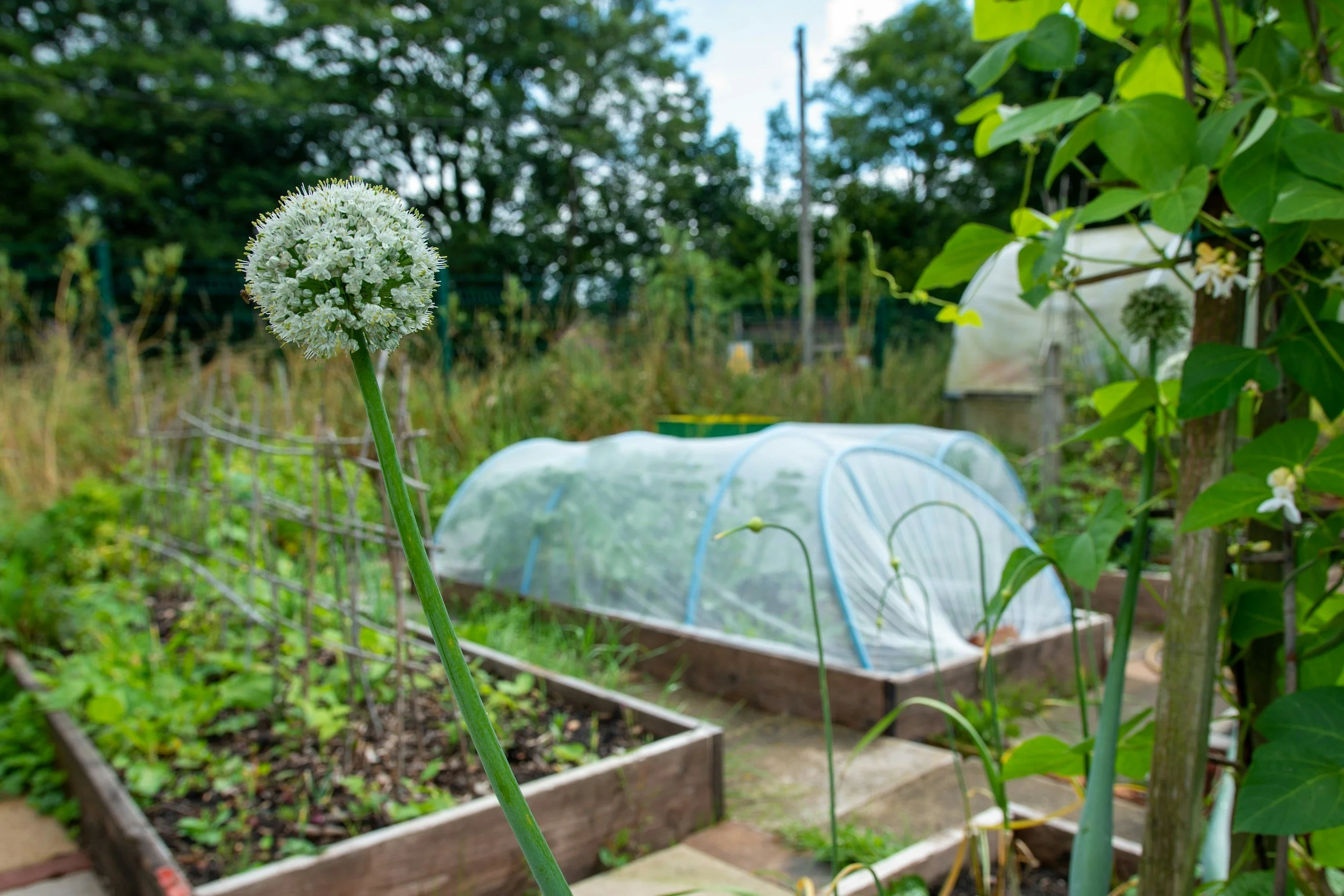
If you expect fluctuating temperatures, use row covers to protect seedlings, and provide light shade in warmer conditions.
Watering and Maintenance
Because of their shallow root systems, Asian greens need consistent moisture.
Watering Tips
Keep soil evenly moist
Avoid letting soil dry out completely
Water at the base to reduce disease risk
Mulching can help retain moisture and regulate soil temperature.
Fertilizing
These plants are light feeders but benefit from:
Compost-rich soil
Occasional nitrogen boost (for leafy growth)
Preventing Bolting
Bolting is one of the most common challenges when growing Asian greens.
It occurs when plants experience temperature swings, are exposed to prolonged warmth, or become stressed from lack of water.
To reduce bolting, you can:
Plant early
Keep soil consistently moist
Use shade cloth if temperatures rise
Harvest promptly
Pest Management (Bee-Safe Approach)
Asian greens can attract pests such as flea beetles and aphids. For an eco-friendly, pollinator-safe approach,
Use floating row covers early in the season
Encourage beneficial insects
Hand-remove pests when possible
Use targeted treatments like Bt for caterpillars (when needed)
Avoid broad-spectrum pesticides, especially during flowering periods. These will harm the pollinators and predatory insects that you want in your garden – they’re your best garden helpers!
Harvesting Asian Greens
One of the biggest advantages of Asian greens is how flexible they are at harvest time.
Harvest Options
Microgreens (10–14 days): Cut young seedlings at the base for nutrient-dense greens.
Baby greens (3–4 weeks): Harvest tender leaves for salads.
Full-size plants (30–70 days): Harvest entire plants or outer leaves.
For continuous harvest:
Use the “cut-and-come-again” method
Harvest outer leaves first and allow the center to regrow
Be careful not to wait too long. Once plants begin flowering, the leaves quickly lose quality.
Succession Planting for Continuous Harvests
To maximize your yield:
Sow new seeds every 1–2 weeks
Stagger plantings across different varieties
Transition to heat-tolerant crops as summer approaches
This ensures a steady supply of fresh greens rather than a single large harvest.
Common Mistakes to Avoid
Even though Asian greens are beginner-friendly, a few of these common mistakes can undermine your success:
Planting too late in spring (leads to bolting)
Letting soil dry out
Overcrowding plants
Ignoring early pest damage
Waiting too long to harvest
Avoiding these issues can dramatically improve both yield and flavor.
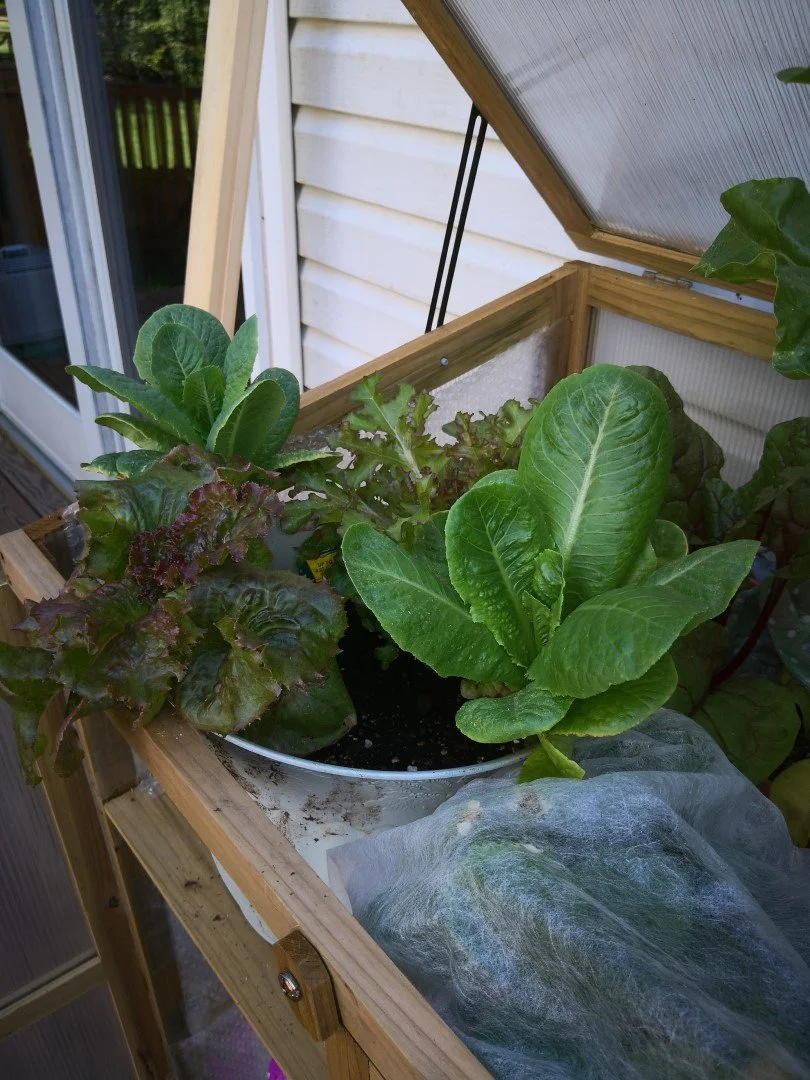
photo by Green and Prosperous
Jump-Start Your Gardening Season
Growing Asian greens in early spring is one of the simplest ways to jump-start your gardening season. With minimal effort, you can enjoy fresh, nutritious harvests long before most crops are ready.
Their fast growth, cold tolerance, and versatility make them ideal for gardeners at any level. Whether you’re planting in raised beds, containers, or a backyard garden, these greens offer a reliable and rewarding early-season crop. Find them in your local garden nursery for immediate results or order through a gardening catalog to find the most variety. Kitazawa (now owned by True Leaf Market) is the supplier I regularly turn to for my favorite Asian greens.
If you are aiming to grow a productive edible garden without feeling overwhelmed, mastering Asian greens is an excellent first step. And if you’re just getting started, early spring crops like these can help you build confidence and see quick results in your garden.
Want better germination rates this season?
Download my Seed Germination Success Checklist to avoid the most common mistakes and get stronger, more consistent seedlings from the start.
And if you’re ready to go beyond the basics, my course The Edible Food Garden walks you step-by-step through planning, planting, and growing a productive garden at home.
You may also be interested in…




Think you missed your chance to plant a spring garden? Well let me reassure you – you’re not late yet! The end of April can still be an excellent month to sow many cold-tolerant vegetables, especially crops that prefer cool soil and mild temperatures. In fact, some vegetables perform better when planted in April than they do earlier in late winter, because the soil has begun to warm and germination is often faster.