


Signs of Bad Garden Soil (And How to Fix It Naturally)
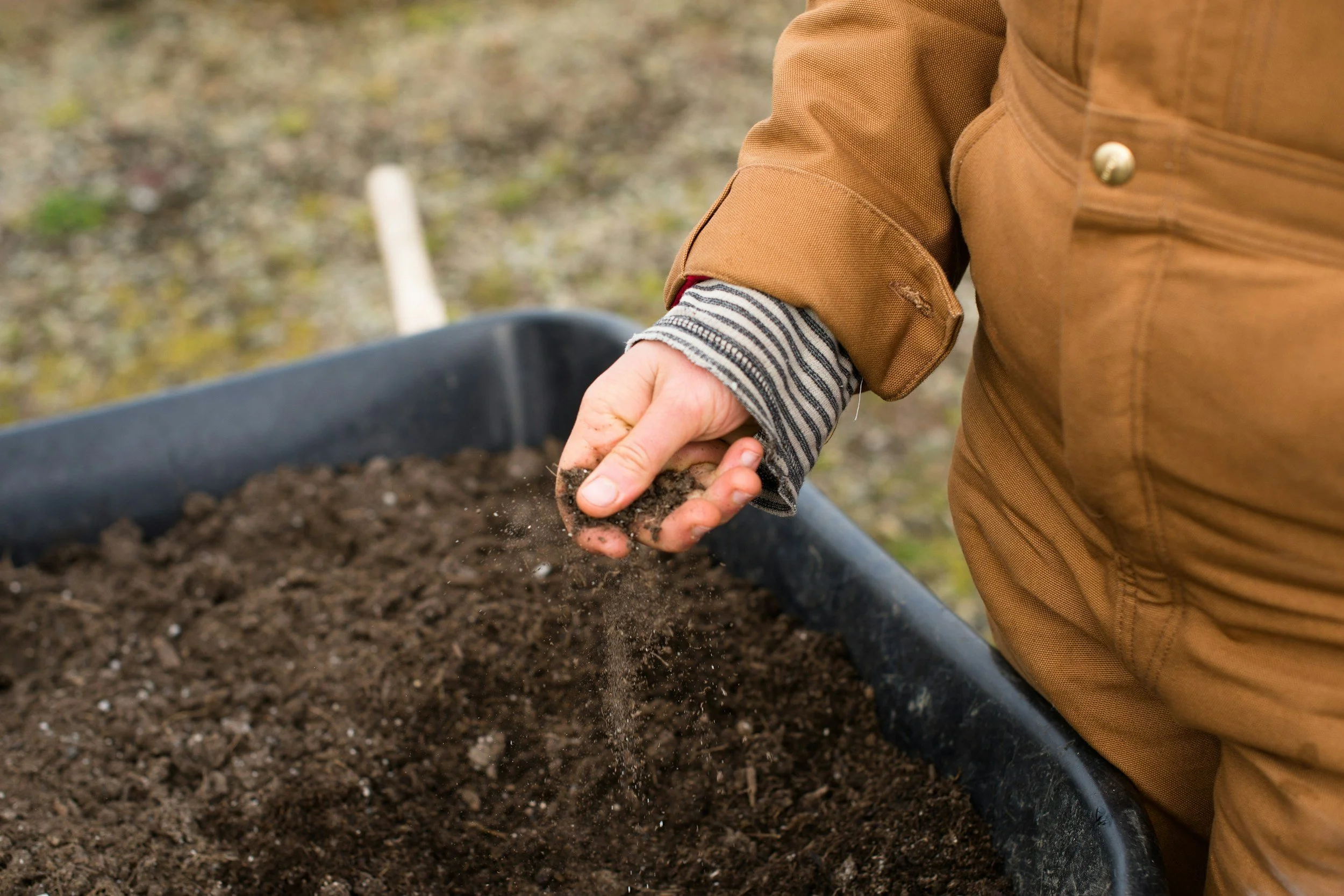
/Healthy soil is the foundation of every productive garden. When your soil is thriving, plants grow more vigorously, resist pests and diseases more effectively, and produce larger, healthier harvests. But when soil quality declines, even experienced gardeners can struggle with yellowing leaves, stunted growth, poor harvests, and constant pest problems.
The good news is that unhealthy soil can often be restored naturally. In many cases, the problem is not permanent, and you do not need expensive synthetic treatments to improve it. Small, consistent changes can dramatically improve soil structure, fertility, drainage, and microbial activity over time.
If your garden has been underperforming, here are some of the most common signs of bad garden soil, along with practical and eco-friendly ways to fix the problem naturally.
Water Pools on the Surface Instead of Soaking In
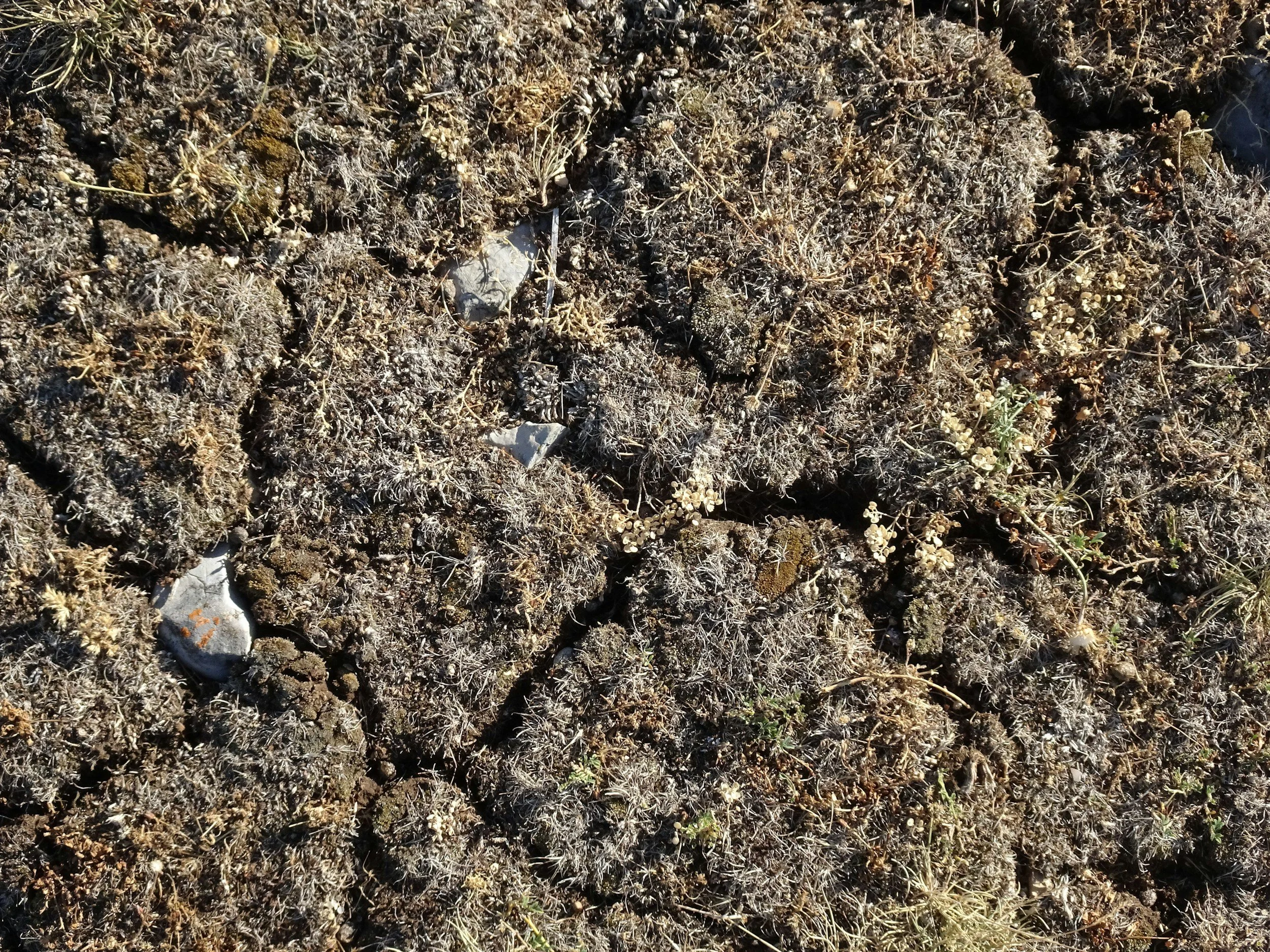
One of the clearest signs of unhealthy soil is poor drainage. If rainwater or irrigation water sits on top of the soil for long periods instead of soaking in, the soil may be compacted or lacking enough organic matter. Compacted soil restricts airflow underground and prevents plant roots from accessing oxygen properly. Over time, this stresses plants and can eventually lead to root rot or poor growth.
Ludovico Ceroseis @unsplash
This problem is especially common in heavily walked-on garden beds or clay-heavy soils. If the soil feels crusted or hard at the surface, compaction is often the culprit. Fortunately, adding compost regularly can gradually improve the structure of compacted soil by helping create small air pockets that allow water and roots to move more freely. Mulching also helps protect the soil surface from becoming hard and crusted during hot weather. Some gardeners also use deep-rooted cover crops, such as clover or daikon radish, to naturally loosen the soil over time without excessive tilling.
Plants Stay Small or Grow Slowly
If your plants remain weak or undersized despite adequate sunlight and watering, poor soil health may be limiting their access to nutrients. Healthy soil is alive with beneficial organisms, including bacteria, fungi, earthworms, and other microbes that help break down organic matter and make nutrients available to plants. When soil biology is depleted, plants often struggle even if fertilizer has been added.
This type of soil exhaustion commonly develops in gardens where the same crops are grown repeatedly without replenishing organic matter. Overuse of synthetic fertilizers can also disrupt soil biology over time. One of the best natural solutions is to incorporate finished compost into the garden regularly. Compost not only adds nutrients, but also supports the microbial life that helps plants absorb those nutrients more efficiently. Worm castings, aged manure, and compost tea can also help restore biological activity in depleted soils. It’s a great way to create a circular kitchen where food scraps turn into nutrient-rich soil.
The Soil Feels Hard and Dense
Healthy garden soil should feel loose, crumbly, and relatively easy to dig. If your soil feels hard like concrete when dry or sticky and heavy after rain, it may contain too much clay or suffer from severe compaction. Dense soil restricts root growth and reduces oxygen availability underground, making it difficult for plants to establish healthy root systems.
Clay soils are not necessarily bad soils, but they do require careful management. One of the biggest mistakes gardeners make is trying to fix clay soil quickly with excessive tilling. While tilling may temporarily loosen the soil, it often damages soil structure in the long term. A better solution is to improve the soil gradually by adding compost, shredded leaves, leaf mold, and other organic matter season after season. Mulching also helps protect the soil surface and supports earthworm activity, which naturally improves soil structure over time.
Earthworms Are Rare or Missing
Earthworms are one of the best indicators of healthy soil. They help aerate the soil, improve drainage, and break down organic matter into nutrients plants can use. If you rarely see earthworms while digging in your garden beds, your soil may lack sufficient organic matter or may have been damaged by excessive chemical use or compaction.
Healthy earthworm populations usually return once soil conditions improve. Adding compost and mulch consistently creates a more hospitable environment for worms and other beneficial organisms. Leaving chopped leaves in garden beds can also help feed soil life naturally. Reducing unnecessary tilling and avoiding harsh chemical pesticides further supports the recovery of healthy soil ecosystems.
Leaves Turn Yellow for No Clear Reason
Yellowing leaves are often a sign that something is wrong below the surface. Nutrient deficiencies, poor drainage, compacted soil, and improper soil pH can all interfere with a plant’s ability to absorb nutrients effectively. In some cases, nutrients are technically present in the soil, but the roots cannot access them because of poor soil conditions.
Nitrogen deficiency is one of the most common causes of yellowing leaves, particularly in depleted garden beds. However, adding more fertilizer is not always the right solution. Improving soil biology with compost often helps plants access nutrients more naturally and consistently. It is also a good idea to test your soil pH occasionally, since overly acidic or alkaline soils can interfere with nutrient uptake. Maintaining even watering habits and adding mulch to stabilize soil moisture can also reduce plant stress.
Alexander Nedviga @unsplash
Seeds Germinate Poorly
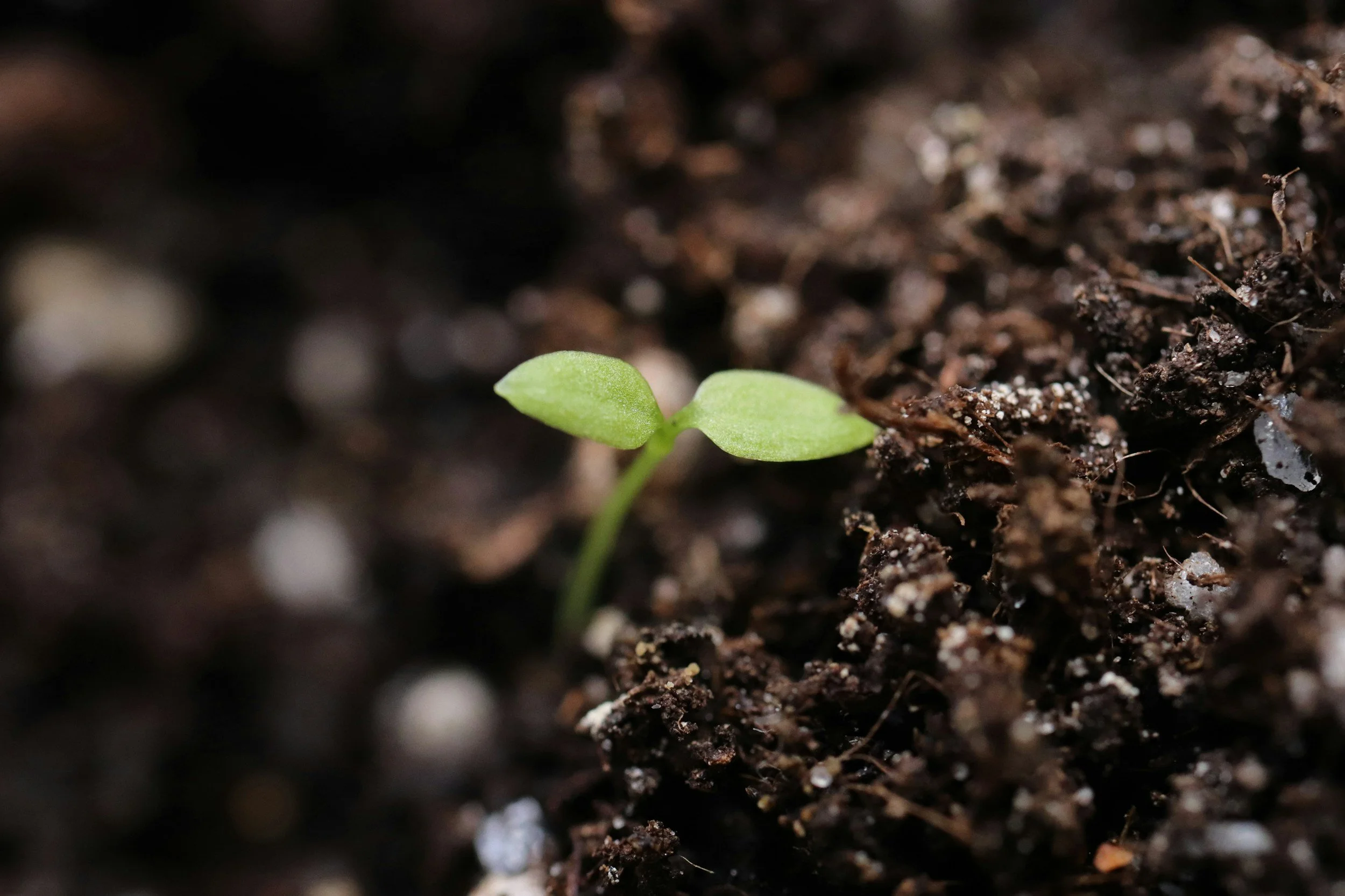
Poor germination rates are another common sign of unhealthy soil. If seeds fail to sprout consistently or seedlings die shortly after emerging, the soil may be too compacted, poorly drained, or biologically inactive. Young seedlings are especially vulnerable because their root systems are still developing. Fixing your soil problems is a major step towards successfully germinating seeds.
Seed-starting areas benefit greatly from fine, well-finished compost that improves both moisture retention and drainage. Avoid allowing the soil surface to become crusted or overly dry during germination. In difficult soil conditions, raised beds may provide a temporary solution while you continue improving the underlying soil naturally over time.
Soil Dries Out Extremely Fast
Some soils drain too well rather than too poorly. Sandy or depleted soils often dry out rapidly after watering because they lack enough organic matter to hold moisture. If you constantly need to water your garden and the soil feels dry shortly after rain, the soil likely needs more organic material.
Healthy soil acts like a sponge, retaining both water and nutrients for plant roots. Compost is one of the best long-term solutions for improving moisture retention. Leaf mold, aged compost, and mulch all help reduce evaporation while gradually improving soil structure. Deep watering rather than shallow daily watering also encourages stronger root systems and better drought tolerance.
Pests and Diseases Become Constant Problems
Poor soil health often contributes to recurring pest and disease problems. Weak, stressed plants are generally more vulnerable to insect damage and fungal infections. While healthy soil cannot eliminate every garden problem, it does help plants develop stronger natural defenses.
Improving soil biodiversity with compost and mulch can strengthen the overall resilience of the garden ecosystem. Crop rotation also helps reduce the buildup of soil-borne diseases. Avoid overcrowding plants, since poor airflow can contribute to fungal problems. Encouraging pollinators and beneficial insects nearby further supports a healthier, more balanced garden environment.
The Soil Smells Sour or Rotten
Healthy soil should smell earthy and fresh. If your soil smells sour, swampy, or rotten, it is often a sign of poor drainage and low oxygen levels underground. Saturated soil can become anaerobic, meaning beneficial organisms decline while harmful bacteria begin to dominate.
This problem frequently develops in overwatered or heavily compacted soils. Improving drainage with compost and organic matter is usually one of the most effective natural solutions. Raised beds can also help in persistently wet areas. Avoid working with wet soil whenever possible, since this can worsen compaction problems.
Jonathan Kemper@unsplash
Weeds Take Over Easily
Aggressive weed growth can sometimes reveal underlying soil problems. Certain weeds thrive in compacted, nutrient-poor, or poorly drained soils. For example, plantain often appears in compacted soil, while moss may indicate poor drainage or excessive acidity.
Although weeds are a normal part of gardening, consistently heavy weed pressure may suggest that the soil ecosystem is out of balance. Mulching heavily, avoiding bare soil, and improving soil health gradually with compost can help reduce weed pressure naturally over time.
Healthy Soil Is Built Slowly
Improving garden soil naturally is usually a gradual process rather than an instant transformation. Healthy soil develops through consistent care, reduced disturbance, regular amendments of organic matter, and support for beneficial soil organisms. Even severely depleted soils can often recover surprisingly well with patience and steady improvement.
Instead of focusing only on feeding your plants, focus on feeding the soil itself. When the soil ecosystem becomes healthier, your plants typically become healthier too. Over time, improved soil structure, better moisture retention, stronger microbial activity, and healthier root systems will create a far more productive and resilient garden.
You may also be interested in…




Healthy soil is the foundation of every productive garden. When your soil is thriving, plants grow more vigorously, resist pests and diseases more effectively, and produce larger, healthier harvests. But when soil quality declines, even experienced gardeners can struggle with yellowing leaves, stunted growth, poor harvests, and constant pest problems.