


Early Spring Gardening Mistakes to Avoid (and What to Do Instead)
/Early spring is one of the most exciting times of the gardening year. After months of cold, gray weather, the urge to get outside, plant something, and start fresh is strong. I get it. I’m looking forward to the day I can transplant all the seedlings I’ve started indoors and watch my garden transform into a beautiful display of color and activity. But this kind of enthusiasm almost always leads to decisions that set your garden back instead of moving it forward.
If you want a productive, low-stress growing season, it helps to slow down a bit and avoid a few common early spring mistakes. Here’s what to watch for, and what to do instead.
1. Planting Too Early
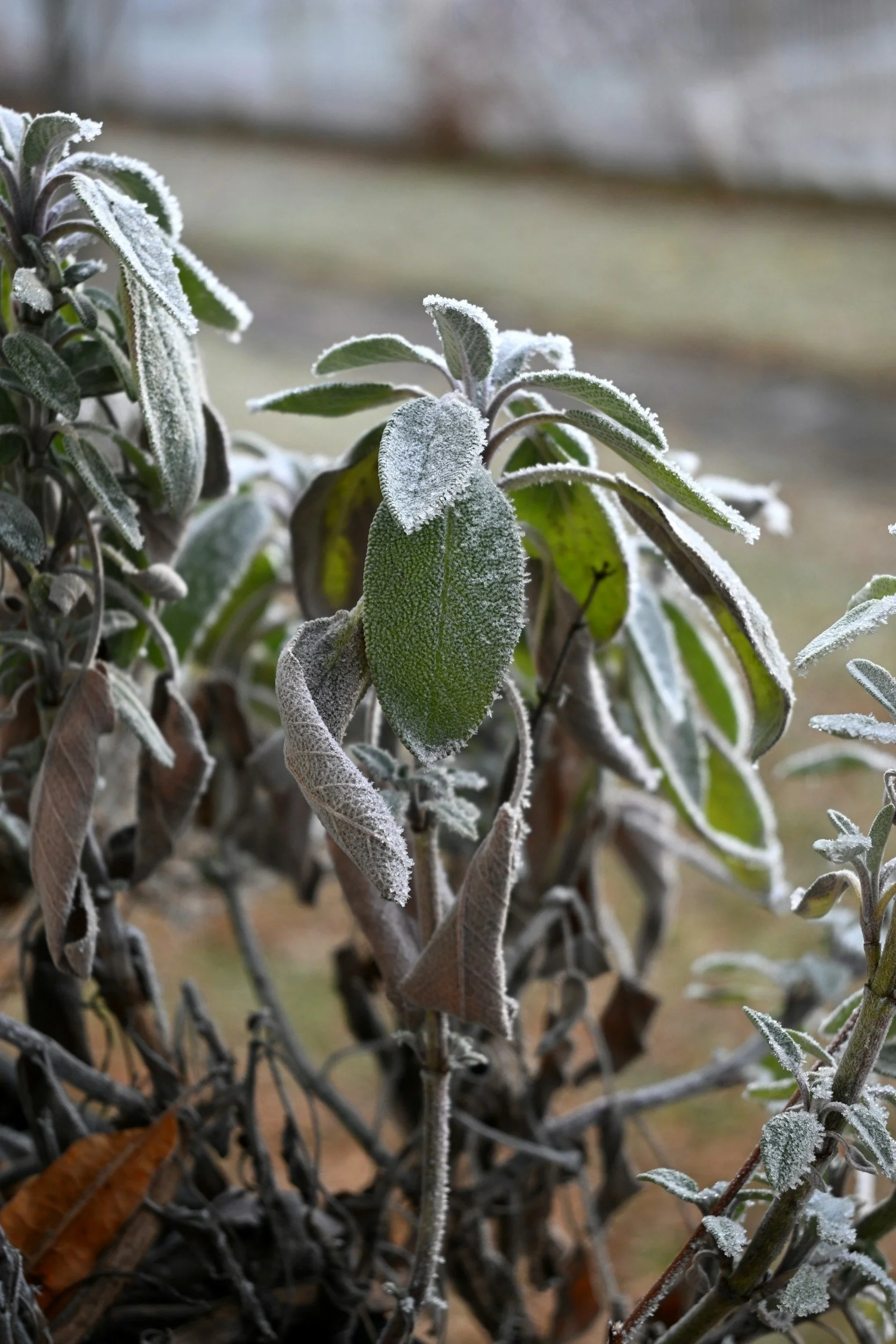
One of the most common mistakes gardeners make is rushing to plant as soon as the first warm day arrives. I learned this the hard way a few springs ago, after setting a large batch of my seedlings outside to harden off just before an unexpected frost arrived, which immediately killed all of them.
A single sunny afternoon in March or April does not mean the soil is ready or that frost is finished. Many crops, especially warm-season vegetables like tomatoes, peppers, and cucumbers, are highly sensitive to cold temperatures.
Niklas @unsplash
What happens if you plant too early:
Seeds may fail to germinate;
Seedlings can become stunted and fail to thrive;
Heavy spring rain showers can drown your plants if they are unprotected;
Frost damage can kill young plants overnight, as I found out the hard way!
What to do instead:
Check your last average frost date using one of these apps: Old Farmer’s Almanac frost date calculator (if you’re in US or Canada); Last Frost Date (if you’re the UK); or Plantmaps.com (if you’re in continental Europe);
Use a soil thermometer and aim for at least 50–60°F (10-15.5°C) depending on the crop;
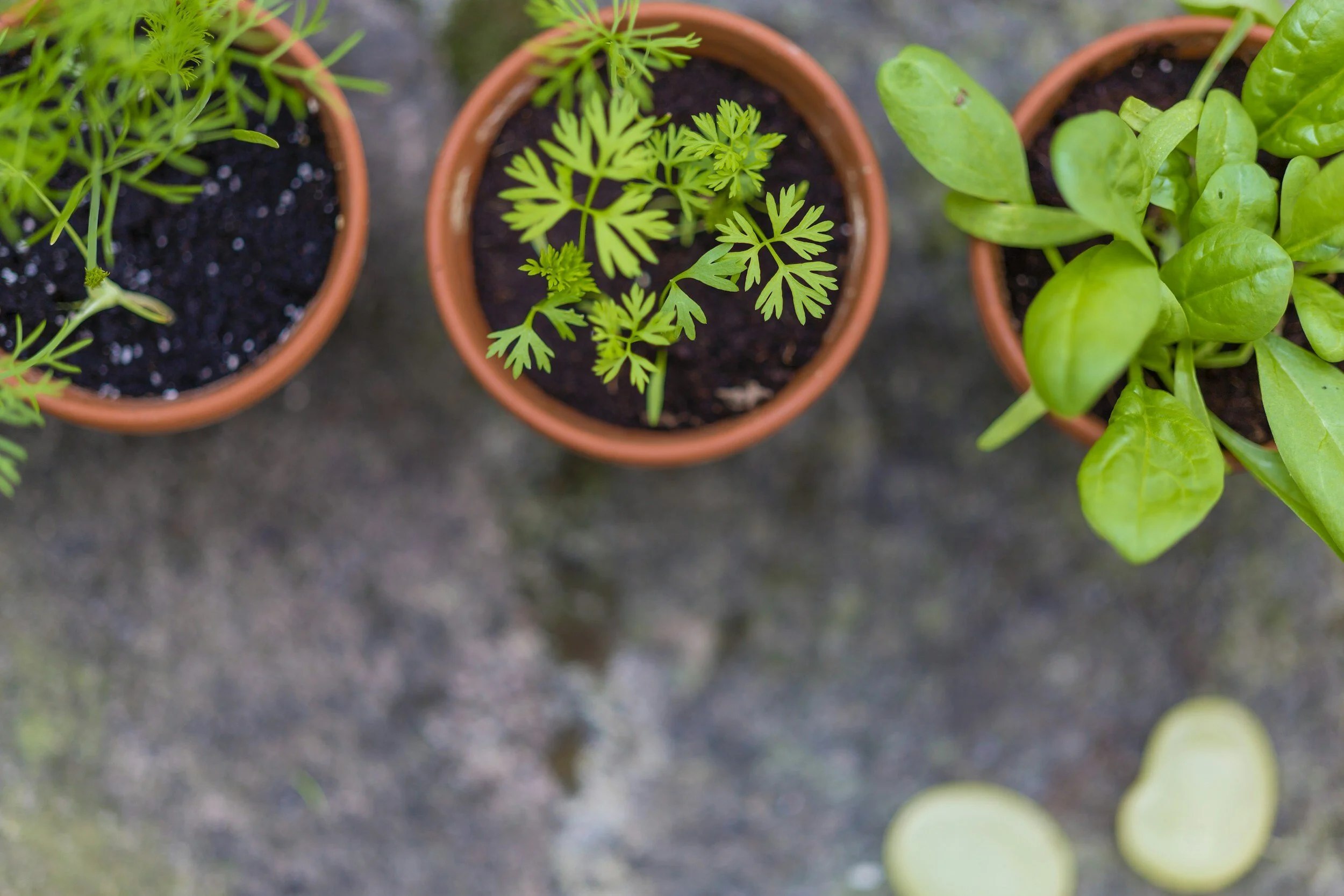
Focus on cool-season crops first, like lettuce, spinach, and peas.
If you’re unsure where to begin, this is where a structured plan helps. In my blog post, how to start an edible food garden: a beginner’s guide to growing at home, I walk through exactly how to time your planting for better success.
2. Working Wet Soil
It’s tempting to jump in as soon as the ground thaws, but early spring soil is often too wet to handle, especially if you’re gardening in ground or in uncovered raised beds.
When you dig, till, or step heavily on wet soil, you compact it. Compacted soil reduces airflow, limits root growth, and can lead to drainage problems throughout the season.
Signs your soil is too wet:
It feels sticky or muddy
It forms a tight ball when squeezed
Water pools on the surface
What to do instead:
Wait until soil crumbles easily in your hand
Avoid walking on garden beds, use stepping stones if needed
Add organic matter like compost once the soil is workable
Patience here pays off. Healthy soil structure is one of the most important foundations for a productive garden.
3. Skipping Soil Preparation
After winter, your soil needs a reset. Skipping this step is a mistake that can affect everything from plant growth to pest resistance.
Plants rely on balanced nutrients and good soil structure. Without it, even the best seeds won’t perform well.
Common soil prep mistakes:
Planting directly into depleted soil
Ignoring soil pH levels
Forgetting to replenish nutrients
What to do instead:
Add compost or well-aged organic matter
Test your soil if possible
Lightly loosen the top layer rather than over-tilling
If you’re growing in containers, taking the time to prepare your containers for spring planting matters just as much. Refreshing your potting mix and ensuring proper drainage can make a noticeable difference in plant health.
4. Using the Wrong Seed Starting Setup
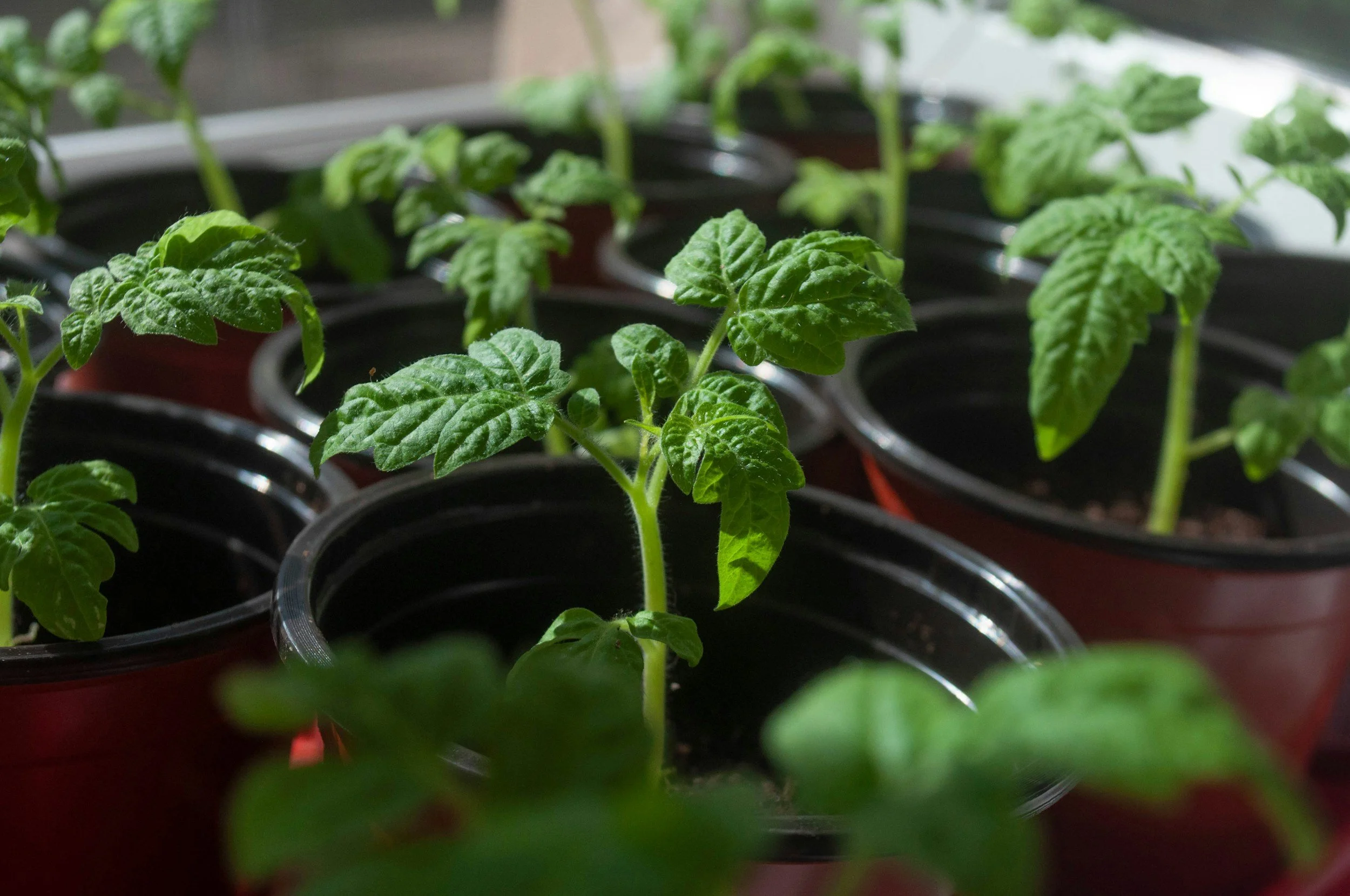
Early spring is prime time for starting seeds indoors, but many gardeners struggle with poor germination or weak seedlings.
The issue is usually not the seeds themselves, but the setup. Here’s what you can do to grow seeds indoors successfully.
Recognize common seed starting mistakes:
Using heavy garden soil instead of seed-starting mix
Overwatering or underwatering
Not providing enough light
Not ensuring good air flow
What to do instead:
Use a light, well-draining seed-starting mix or try one of these DIY seed starting mixes that actually work
Keep soil consistently moist, not soggy
Provide strong light, ideally from grow lights or a very bright window
Use a small fan to move air through and around your plants
A simple system can dramatically improve your results. In most cases, a tray for seeds, small full-spectrum grow light (which can be bought cheaply these days), and small fan can dramatically improve your results. You can also download my free seed germination checklist for consistent results.
5. Ignoring Hardening Off
If you’ve started seeds indoors, it’s not enough to simply move them outside one day and hope for the best.
Indoor-grown plants are not used to wind, direct sun, or temperature fluctuations. Skipping the hardening off process can shock or kill them.
What happens without hardening off:
Leaves may scorch in direct sunlight
Plants can wilt or stop growing
Transplant shock delays development
Ksenia @unsplash
What to do instead:
Gradually introduce plants to outdoor conditions over 7–10 days
Start with a few hours of indirect light
Slowly increase exposure to sun and wind
This small step often makes the difference between struggling plants and ones that thrive.
6. Overcrowding Plants
It’s easy to underestimate how large plants will become. In early spring, everything looks small, and spacing can feel excessive.
But overcrowding leads to competition for nutrients, poor airflow, and increased risk of disease.
Problems caused by overcrowding:
Smaller yields
Higher risk of fungal issues
Difficulty harvesting
What to do instead:
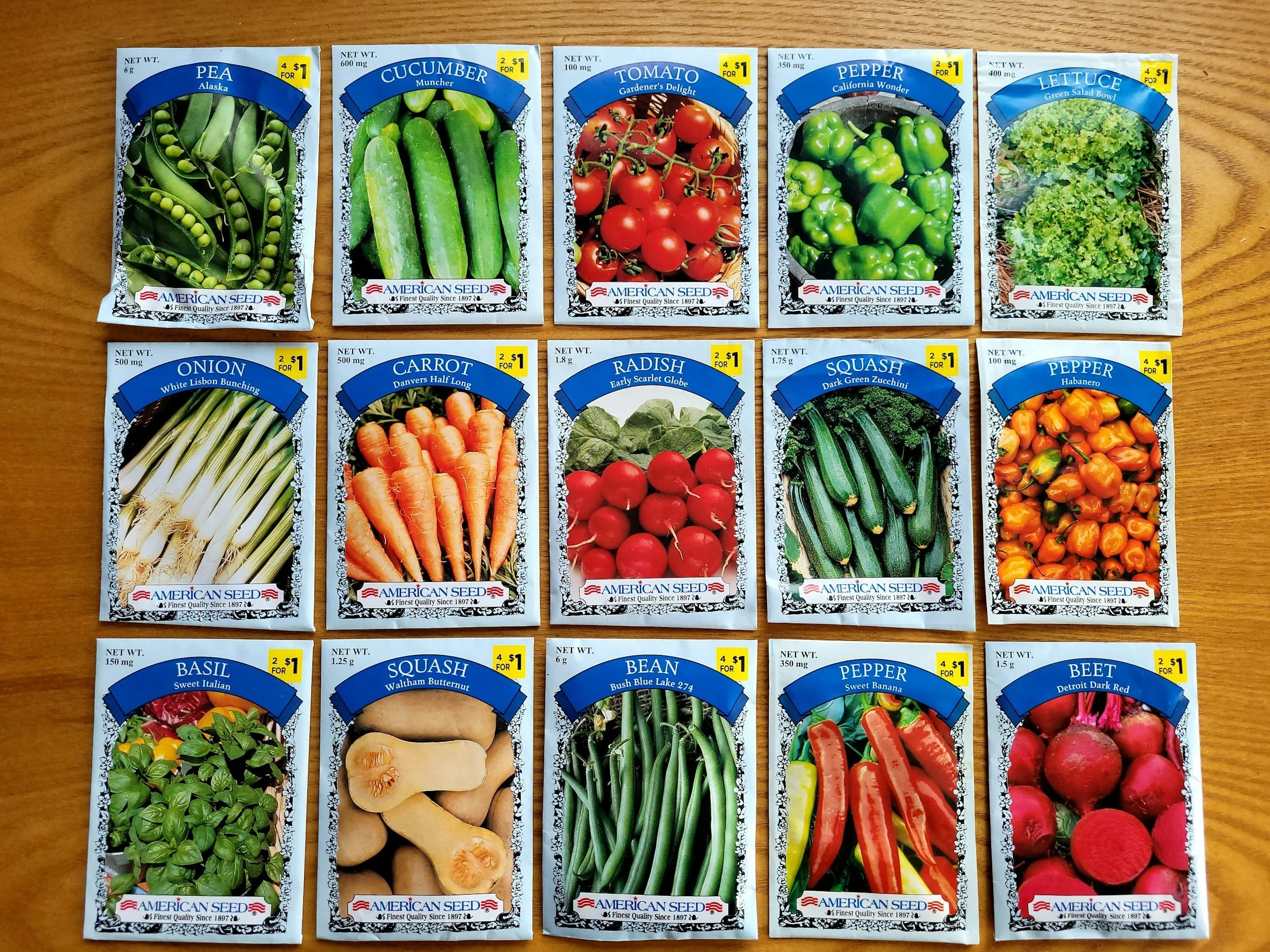
Follow spacing guidelines on seed packets
Thin seedlings early if needed
Plan your layout before planting
A well-spaced garden may look sparse at first, but it quickly fills in and produces more in the long run.
7. Forgetting About Pests Early On
Many gardeners assume pests are only a summer problem, but early spring is when some of the most damaging insects first appear.
Caterpillars, aphids, and other pests can target young plants when they are most vulnerable.
What to watch for:
Holes in leaves
Sticky residue (from aphids)
Wilting or distorted growth
What to do instead:
Check plants regularly, even in early spring
Use row covers for protection
Apply targeted treatments like Bt (Bacillus thuringiensis) when needed
Spray a homemade pesticide (add a few drops of peppermint castile soap to a cup of water) to target soft-bodied insects like aphids
There are many ways to deal with common garden pests naturally – including without resorting to pesticides. Early monitoring helps you stay ahead of problems instead of reacting after damage is done.
8. Overwatering or Underwatering
Spring weather can be unpredictable. Rainy weeks followed by dry spells make it difficult to maintain consistent moisture.
Both overwatering and underwatering can stress plants and reduce growth.
Signs of watering issues:
Yellowing leaves (often overwatering)
Wilting (can be either over or underwatering)
Slow or uneven growth
What to do instead:
Check soil moisture before watering
Water deeply but less frequently
Adjust based on rainfall and temperature
Consistency matters more than frequency. Developing a simple routine can help you avoid this common mistake.
9. Trying to Do Too Much at Once
Spring gardening enthusiasm is real, but overloading yourself can lead to burnout or unfinished projects.
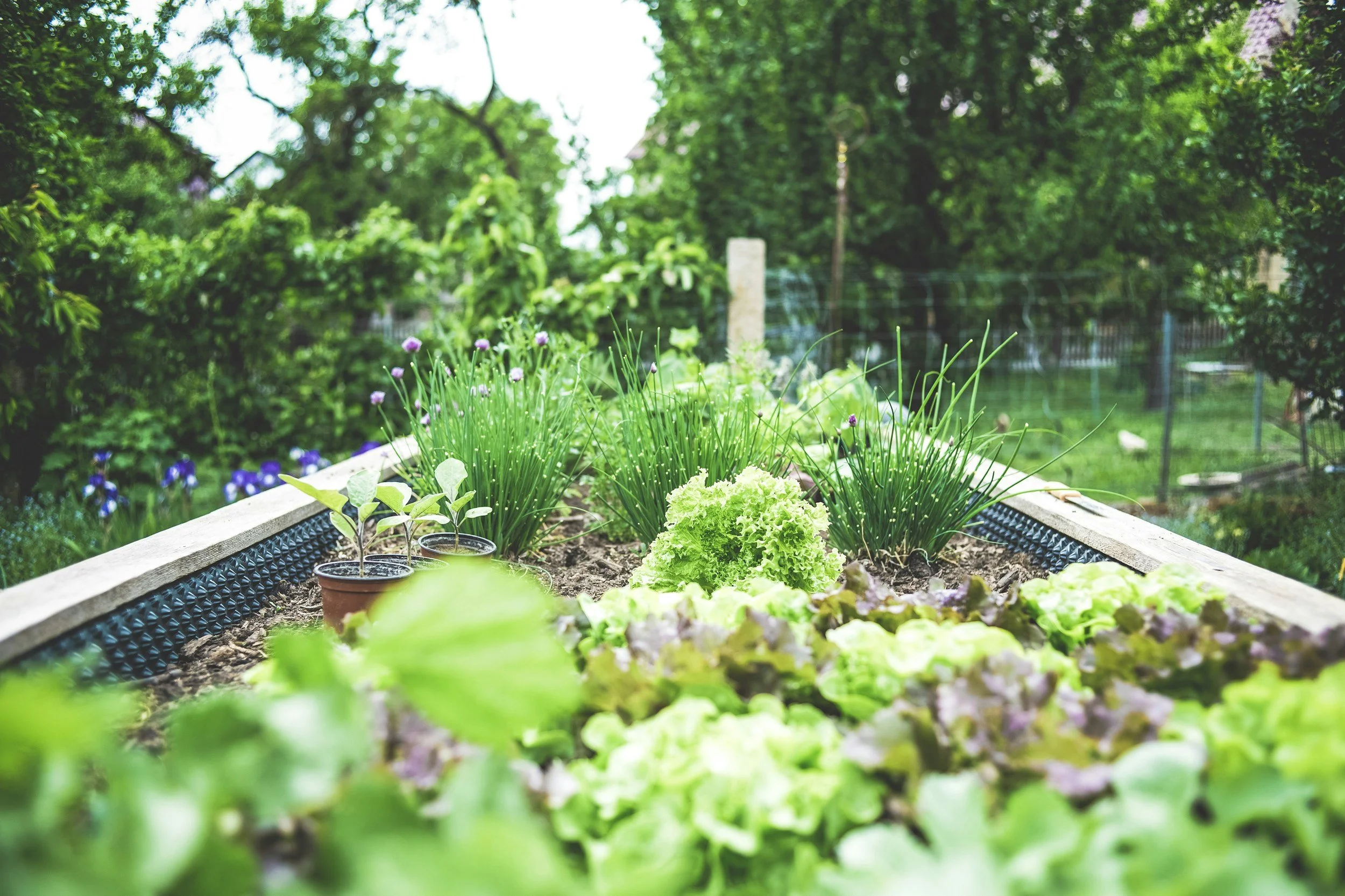
Planting too many crops, starting too many seeds, or expanding too quickly often leads to frustration, especially if you’re a beginner who’s just learning how to start an edible garden.
Markus Spiske @unsplash
What to do instead:
Start with a manageable number of crops
Focus on what you actually eat
Build your garden gradually over time
A smaller, well-maintained garden will always outperform a larger, neglected one.
Set Yourself Up for Success
Early spring sets the tone for your entire gardening season. By avoiding these common mistakes, you create a stronger foundation for healthy plants, better yields, and a more enjoyable experience overall.
If you want a clear, step-by-step system for planning, planting, and maintaining your garden, my course The Edible Food Garden walks you through everything from seed starting to harvest. It’s designed to help you grow confidently, without the overwhelm, in a series of simple, manageable steps.
You may also be interested in…


Think you missed your chance to plant a spring garden? Well let me reassure you – you’re not late yet! The end of April can still be an excellent month to sow many cold-tolerant vegetables, especially crops that prefer cool soil and mild temperatures. In fact, some vegetables perform better when planted in April than they do earlier in late winter, because the soil has begun to warm and germination is often faster.