


How to Grow Lettuce That Doesn’t Bolt Too Fast
/Have you ever stepped outside one afternoon to find that your beautiful lettuce patch is suddenly shooting up tall stems and turning bitter? This is not unusual when the weather turns warmer. Bolting is one of the most frustrating challenges for home gardeners, especially in late spring and early summer, when weather conditions can change quickly.
John Cameron @unsplash
Bolting isn’t random, and it isn’t inevitable, and that’s the good news. With the right approach, you can extend your lettuce harvest and enjoy tender, sweet leaves for weeks longer than you might expect.
This article will walk you through what causes lettuce to bolt, and more importantly, how to grow lettuce that stays productive instead of rushing to seed.
Learning basic skills like the ones discussed below will also help you start an edible food garden at home that contains the right conditions for all your crops, not just lettuce.
What Does “Bolting” Actually Mean?
Bolting happens when a plant shifts from leaf production to flowering and seed production. It means that the plant is nearing the end of its life cycle. In lettuce, bolting starts happening when you see your plants begin shooting up as a tall central stalk, producing smaller leaves, and tasting sharp and bitter.
From the plant’s perspective, doing all of these things is a survival strategy. In preparation for its demise, it’s attempting to preserve itself by producing seeds (essentially, it’s trying to ensure the survival of its descendants!) When temperatures rise or stress increases, lettuce begins to focus on reproduction.
For gardeners, it means the harvest window is closing fast.
Why Lettuce Bolts Too Quickly
Understanding why lettuce bolts is the first step toward preventing it.
1. Heat
Lettuce is a cool-season crop. Once temperatures consistently rise above about 75°F (24°C), most varieties begin to bolt. Sudden heat spikes can accelerate this process even more.
2. Day Length
Longer days signal to lettuce that it’s time to reproduce. This is why bolting often speeds up as late spring turns into early summer.
3. Water Stress
Inconsistent watering or dry soil can push lettuce into survival mode. Even a short period of drought can trigger bolting.
4. Nutrient Imbalance
Too little nitrogen can slow leaf production, while stress from poor soil conditions can encourage early flowering.
Choose the Right Lettuce Varieties
One of the simplest ways to slow bolting is to start with varieties bred for heat tolerance.
Here are a few reliable options:
Romaine types like ‘Jericho’ and ‘Parris Island’ tend to handle warmth better
Loose-leaf varieties such as ‘Red Sails’ and ‘Black Seeded Simpson’ are quick-growing and more forgiving
Butterhead lettuces like ‘Buttercrunch’ strike a good balance between flavor and resilience
If you’re gardening in a warmer region or dealing with unpredictable springs, this step alone can make a noticeable difference.
And if you’re still building confidence in your garden planning, these same principles apply more broadly when you’re aiming to start an edible garden without feeling overwhelmed; it’s especially important to choose crops that match your growing conditions.
Time Your Planting Carefully
Lettuce thrives in cool, steady conditions, so timing matters more than most gardeners realize. In early spring, sow seeds as soon as the soil can be worked. This gives your plants a head start before temperatures climb. For best results, start with strong, healthy seedlings; this guide on how to successfully germinate seeds indoors and outdoors will help you improve your success rate from the very beginning.
For a longer harvest, use succession planting. Instead of planting everything at once, sow small batches every 7 to 10 days. This ensures that even if one round bolts, another is just reaching peak harvest.
Alternatively, planting from transplants rather than seeds means you get to harvest faster. This is an effective strategy if you’ve gotten a late start and temperatures will be rising significantly within a few weeks.
In many regions, you can also plant again in late summer for a fall harvest. In fact, fall-grown lettuce is often sweeter and slower to bolt because of the cooling temperatures.
Use Shade Strategically
One of the most effective ways to slow bolting is to reduce heat stress.
Lettuce doesn’t need full, intense sun all day. In warmer months, partial shade can actually improve growth.
Eder Pozo Pérez @unsplash
Here are a few practical ways to provide it:
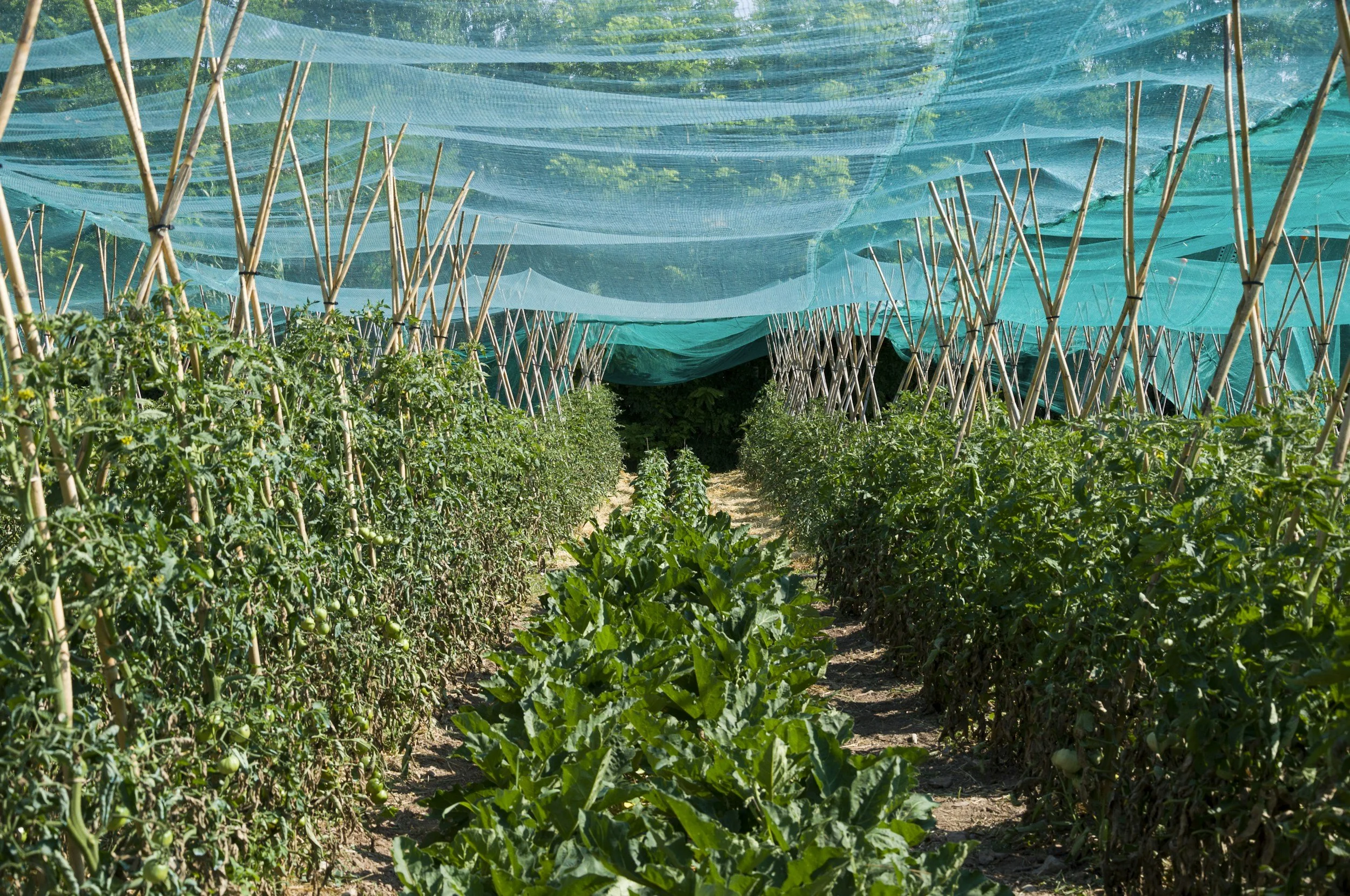
Use a lightweight shade cloth (30 to 50 percent) during the hottest part of the day
Plant lettuce where it gets morning sun and afternoon shade
Grow lettuce near taller crops like tomatoes or trellised beans that can provide natural cover (however, I have found that this method is not effective in the summer months when temperatures are consistently above 75°F (24°C) and night temperatures are also warm).
Keep the Soil Consistently Moist
Lettuce has shallow roots, which means it depends on consistent moisture near the soil surface. The goal is to keep soil moist but not saturated, which could encourage the growth of mold or fungus.
Irregular watering is one of the fastest ways to trigger stress, and stress will trigger the bolting process.
To prevent this:
Water regularly, especially during warm or windy conditions
Use mulch, such as straw or shredded leaves, to retain moisture
Consider drip irrigation or a soaker hose for even coverage
The goal is simple: keep the soil evenly moist, not soggy, and never bone dry.
Feed Your Lettuce for Steady Growth
Lettuce grows quickly, and it needs readily available nutrients to support that growth. Focus on nitrogen-rich soil, which encourages leafy development instead of early flowering.
You can:
Amend soil with compost before planting
Use a diluted liquid fertilizer every couple of weeks. It should be nitrogen-rich.
Incorporate organic options like fish emulsion or compost tea. This will also help replenish the soil after you’ve harvested all of your lettuce for the season and pulled it out from the roots.
As a general rule of thumb, remember that healthy, well-fed plants are far less likely to bolt prematurely. Taking the time to improve soil health before planting will ensure that your lettuce has consistent access to the nutrients it needs for steady leaf production.
Harvest Early and Often
One of the most overlooked strategies for preventing bolting is how you harvest.
Instead of waiting for full heads, use a “cut-and-come-again” approach:
Harvest outer leaves when they are young and tender
Leave the center intact so the plant keeps producing
Pick regularly to reduce stress on the plant
Frequent harvesting keeps lettuce in a vegetative state longer, which delays bolting.
Try Growing Lettuce in Containers
If you’re dealing with limited space or unpredictable conditions, containers offer more control. You can move them into shade during heat waves or position them in cooler microclimates around your home. Containers also allow for better soil control, which helps maintain consistent moisture and nutrient levels. Keep in mind, though, that they will dry out faster than in-ground or raised bed setups.
For best results:
Use a high-quality potting mix with adequate drainage
Choose containers at least 6 to 8 inches deep (although I’ve grown lettuce in shallower containers; just expect the leaves to be smaller)
Plastic containers will hold moisture longer than clay ones
Add vermiculite to the soil to help with moisture retention.
These approaches work especially well for loose-leaf varieties of lettuce.
If you’re new to this approach, learning how to start a container vegetable garden at home will help you choose the right setup for healthy, productive plants.
Watch for Early Signs of Bolting
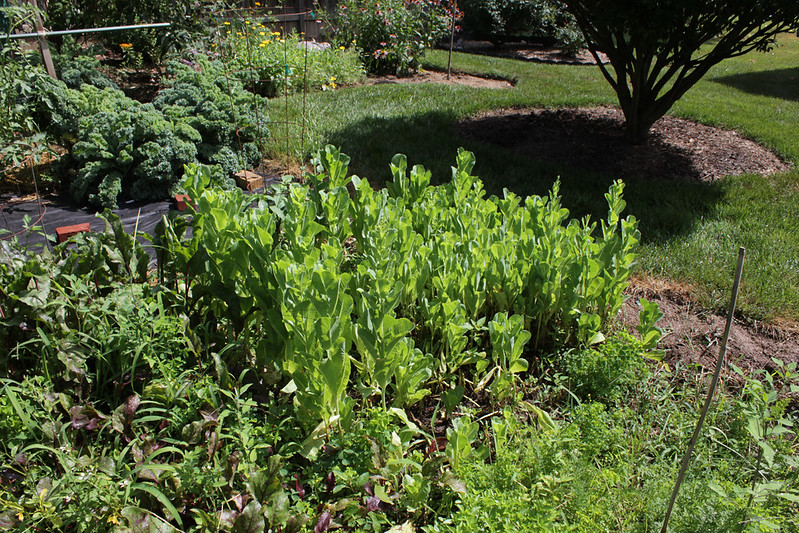
Even with the best care, lettuce will eventually bolt. The key is catching it early.
woodleywonderworks @flickr
Look for:
A central stem beginning to elongate
Leaves becoming smaller or more upright
A slight shift in flavor
At this stage, you can still harvest usable leaves, but the clock is ticking. Once the plant fully bolts, bitterness increases quickly.
A Combination of Strategies for Success
Growing lettuce that doesn’t bolt too fast isn’t about one perfect trick. It’s about combining small, practical strategies that reduce stress and extend the plant’s natural growth cycle. Start with the right varieties, plant at the right time, and create a stable environment with consistent moisture, light shade, and good nutrition.
Most importantly, stay engaged with your garden. Lettuce grows quickly, and a few minutes of attention every couple of days can make the difference between a short harvest and a long, productive one.
If you’ve struggled with bolting in the past, don’t take it as a failure. It’s simply a sign that your lettuce is responding to its environment. Once you learn how to work with those signals, you’ll find that growing crisp, flavorful lettuce for longer periods is entirely within reach.
And once you get it right, there’s nothing quite like stepping outside and harvesting fresh, tender leaves exactly when you need them.
Want to Learn More?
If you want to learn how to grow an edible garden and avoid common mistakes like bolting, poor timing, or inconsistent harvests, I give you easy, beginner-friendly and step-by-step processes in my online gardening courses. Backed by agricultural research and my own 20+ years of gardening know-how, you’ll be eating your own home-grown food with more knowledge, less effort, and a system that helps you work with, not against, the environment. Explore the courses here:

You may also be interested in…



Growing squash is one of the upsides of summer gardening. Whether you're growing zucchini, yellow squash, butternut, or acorn squash, these productive plants can provide an abundant harvest. This year, to be honest, none of my zucchini squash germinated. However, my scallop (pattypan) and honeynut squash arrived in abundant supply, as did a few unexpected butternut squashes, and we’re still enjoying the harvest from all of these plants.