


How to Control Aphids in the Garden Naturally
/You stroll through your garden one morning to find that your healthy, thriving plants are covered in tiny green, black, or white specks. They’re aphids! But where did they come from and how did they take over your plants so quickly? More importantly, how can you get rid of them — and keep them from coming back?
Aphids are some of the most common and frustrating insect pests that gardeners face. Although they’re frequent garden foes, they’re not invincible. With a few consistent strategies, you’ll be able to manage the damage they do. A few aphids on your plants today can easily turn into dozens in less than a week, and soon your plants may turn yellow and die.
To help you stay ahead of the damage these prolific pests cause, this article will explain what aphids are, why they’re so destructive in the garden, how they live and reproduce, and why they’re sometimes called “ant cows.” Most important, you’ll also learn some of the best methods (and one of the worst) for minimizing their impact. If you’re growing an edible garden, these methods can help you spend more time enjoying the fruits of your labor and less time fighting herbivore pests.
What Are Aphids?
Aphids are small, pear-shaped, soft-bodied insects that range from 1/16 to 1/8 inch long. They come in a variety of colors: green, black, brown, white, and even pink! They feed on the leaves and stems of your plants with piercing-sucking mouthparts that are designed to extract plant sap. Left unchecked, the damage they do leads to distorted leaves, stunted growth, reduced yields, and eventually plant death. As aphids feed, they excrete a sticky, sweet substance known as honeydew, which can attract ants and promote the growth of sooty mold on plant surfaces. In heavy infestations, sooty mold can severely hamper photosynthesis, further stressing the plant.
However, if you see a few aphids on your plants don’t panic! Established, healthy plants can often tolerate moderate aphid feeding, while seedlings, transplants, young shoots, and heavily infested plants deserve closer attention.
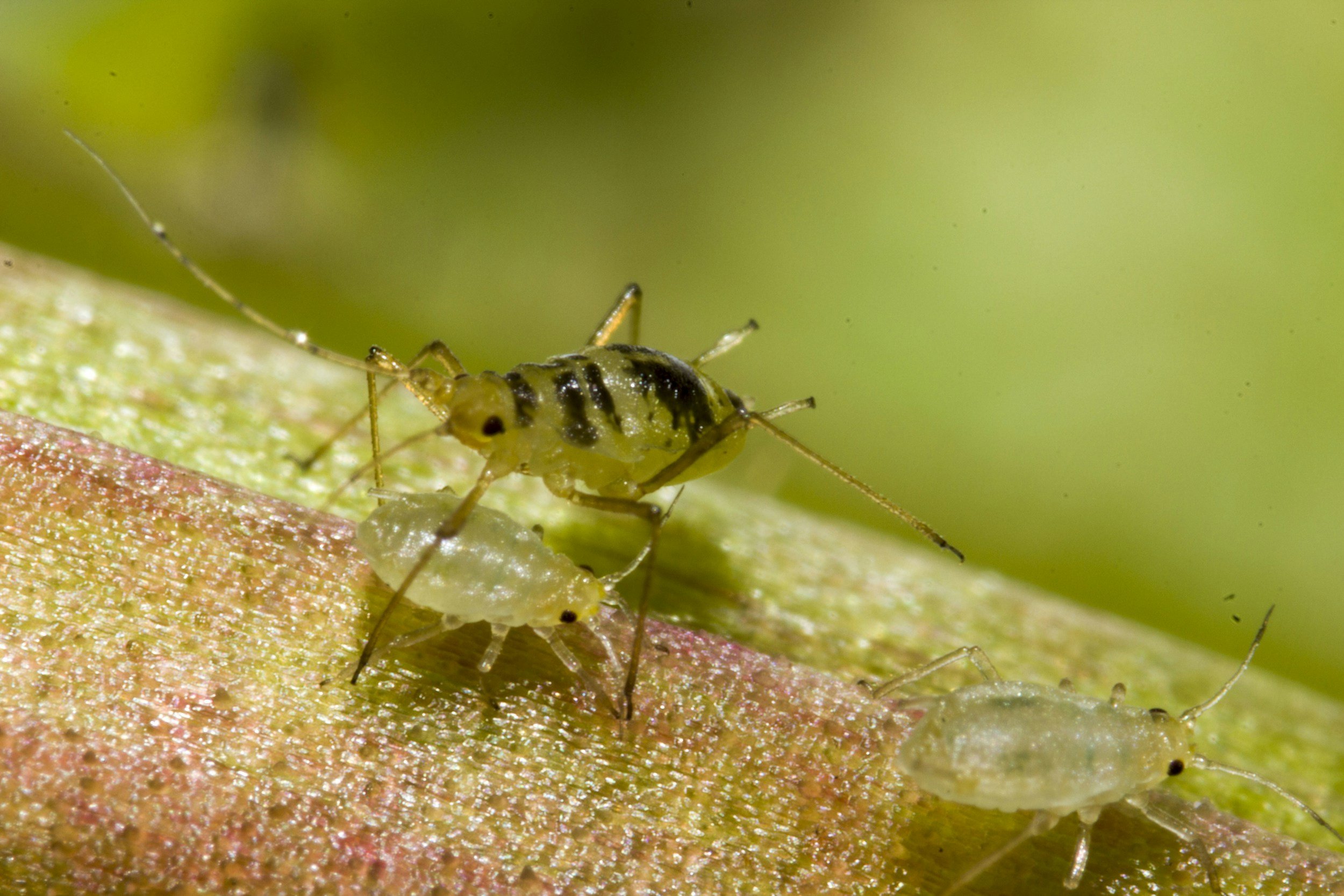
horror by numbers @unsplash
There are as many as 5000 different species of aphids, which are found all over the world. Around 450 of these are among the common pests you’re likely to encounter in your garden. While some species are host-specific, preferring particular plants, others are generalists that feed on a wide variety.
Aside from causing damage to the leaves of plants, aphids can transmit plant viruses, which can lead to the large-scale destruction of crops. They also reproduce rapidly, especially when conditions are favorable, leading to infestations in a short period of time. In my own garden I find that leafy greens, especially Asian greens like bok choy and komatsuna, are especially susceptible to aphid infestations.
What Plants Do Aphids Prefer?
While some species of aphids are not particular about the plants they’ll eat, others have preferences. Knowing which crops aphids are most likely to attack can help you stay vigilant and take preventive measures early in the season. Some of the top targets for aphids include roses, tomatoes, peppers, cabbage, lettuce, beans, cucumbers, and zucchini. They also like fruit, and may infest a number of trees including apples, peaches, plums, and cherries.
Aphids are especially attracted to plants that are putting out fresh, young leaves or flowering buds. These parts of the plant are rich in the sugars and nutrients that aphids seek out. New growth is easier for them to pierce with their delicate mouthparts than tougher, mature leaves.
Stress-weakened plants are even more vulnerable to aphid damage. Plants that are overwatered, underwatered, poorly fertilized, or otherwise under environmental stress tend to release chemical signals that attract aphids and other herbivore insects. In some cases, aphids can even detect and be drawn toward these signals from a distance.
Aphid Life Cycle: Reproduction and Longevity
One reason aphids become such a major problem so quickly is their amazing ability to reproduce. Did you know that most aphids are born pregnant? Unlike insects that rely on a seasonal mating cycle, many aphid species can reproduce asexually through a process called parthenogenesis. This means that female aphids can give birth to live young without needing to mate with a male. In warm conditions with abundant food, a single aphid can give rise to hundreds of offspring in just a few weeks.
Aphid nymphs, which are simply smaller versions of adults, mature in as little as seven to ten days. Then they begin producing their own offspring, which makes the population explode. Under optimal conditions, aphids can complete a full generation cycle in about a week, leading to several generations infesting your plants in a single growing season.
When conditions become crowded, food sources decline, or the environment becomes less favorable, some aphid species will produce winged forms called alates. These winged aphids can migrate to new plants and start new colonies elsewhere, making aphid control even more challenging if infestations are not addressed quickly.
In colder climates, aphids often switch to sexual reproduction toward the end of the growing season. They produce males and females that mate and lay hardy eggs capable of overwintering on host plants or in plant debris. These eggs hatch in the spring, beginning the cycle anew.
Most adult aphids live for about one to two months, but during that short lifespan, their rapid reproduction rates ensure that populations can surge dramatically, overwhelming even healthy plants if left unchecked.
Aphids and Ants: A Symbiotic Relationship
If you’ve seen aphids on your plants, chances are that you’ve also seen ants beside them, interacting with them. In fact, ants and aphids have a symbiotic relationship in which the ants “herd” aphids, protecting them from predators in exchange for the honeydew the aphids secrete from their bodies. Ants have also been known to relocate aphids to preferred plants, ensuring that they have an optimal food source to draw upon.
This friendly relationship benefits both species but creates a big problem for gardeners. Ants will aggressively defend their aphid "cows" from natural predators like ladybugs, lacewings, and parasitic wasps, all of which are insects that would otherwise help control aphid populations naturally. That means the ants are aphid “bodyguards,” ensuring that the aphids can continue feeding and producing honeydew without interruption.
Because of this, simply introducing beneficial insects into your garden may not be enough if ants are actively protecting the aphids. Managing ant populations is a crucial part of controlling aphid infestations, as I discuss in detail below.
How to Prevent Aphid Infestations
There are several ways you can prevent a handful of aphids from becoming an unmanageable infestation, starting with maintenance. I can’t stress enough the importance of taking a walk through your garden on a regular basis: every day if possible. Since aphids can reproduce quickly, a week of neglect can mean the difference between a having a problem that’s easily handled and having to dispose of your plant(s). Look on and under leaves to see if you can spot any. Again, if you see a lot of ants on your plants, there’s a good chance that you’ll also have aphids, though this is not always the case (this year I’ve found many ants helping pollinate the Korean squash in my covered raised beds!)
Aside from visual inspection, make sure that you’re not giving your plants too much nitrogen fertilizer. High nitrogen levels promote excess leafy growth at the expense of more flowers (and the veggies that grow from them). The rapid growth of tender leaves is attractive to aphids and other pests. Using slow-release or organic fertilizers can prevent overfeeding.
Minimize plant stress by watering regularly and adequately to help build their immune systems. Many plants with strong immune systems are able to resist and even fight off pest attacks by doing amazing things like changing their chemical composition to give pests a stomachache!
You can also minimize the stress on your plants by planting them in locations where they won’t get heat reflected off metal surfaces or reduced air circulation. Pruning excess leaves, especially at the bottoms of stems and thinning seedlings can also help you avoid aphid outbreaks that spread rapidly from plant to plant.
Finally, use row covers or fine mesh netting over your plants. This is easiest to do in raised beds or in-ground plantings. Be sure to secure the netting at the bottom with clips, bricks, or stones.
How to Manage or Eliminate Aphids Naturally
While aphids can seem overwhelming at times, there are several effective ways to manage and eliminate them without resorting to harsh chemical pesticides. Using a combination of methods usually gives the best results. Here are some natural strategies you can use to keep aphid populations under control and prevent infestations:
1. Blast Them Off with Water
Sometimes, a strong blast of water from your garden hose is enough to knock aphids off your plants. Use a targeted spray, focusing on the undersides of leaves where aphids like to hide. Most dislodged aphids cannot climb back onto the plant and will either be eaten by predators or die from exposure. Repeat this method every few days as needed, especially during heavy infestations.
Be careful when using this method on very young seedlings or delicate plants, as the force of the water could damage them.
If you’d like to try other control methods that don’t harm pollinators, download our bee-safe pest control checklist.
2. Use Insect-Killing Soap
Commercial insecticidal soap
For stubborn aphid infestations, a commercial insecticidal soap can provide effective control with relatively low risk to the environment when used as directed. These products contain specially formulated fatty acid salts that damage the protective outer membranes of soft-bodied insects such as aphids.
Because insecticidal soap works on contact and has little residual activity, you need to thoroughly cover the aphids, including those hiding beneath leaves. Repeat applications may be necessary. Always follow the product label, avoid spraying plants during hot, sunny conditions, and test the product on a small area first if the plant is known to be sensitive. Insecticidal soap can also harm beneficial insects it contacts, so spray only where aphids are present.
DIY insect-killing soap
Using a homemade soap mix is also an effective tested way to kill aphids without harming your plants or the environment. However, be aware that household soaps and detergents can vary substantially in composition and some brands of soap may cause phytotoxicity.
You can easily make your own environmentally-safe herbivore insect-killing soap by mixing 1–2 teaspoons of castile soap (Dr. Bronner’s Peppermint Castile Soap is my go-to choice) with one quart of water. Pour the mixture into a spray bottle and apply it directly to the aphids, making sure to coat both the tops and undersides of the leaves. Be sure to test a small section of your plant first to make sure the soap solution doesn’t cause leaf burn.
The soap works by disrupting the aphids’ cell membranes, causing them to dehydrate and die. It works very quickly! Reapply after rain or watering and be consistent for best results.
3. Encourage Natural Predators
Instead of trying to wipe out aphids entirely, you can tip the balance of your garden’s ecosystem by encouraging beneficial insects that naturally prey on aphids. Ladybugs, lacewings, hoverfly larvae, syrphid flies, and parasitic wasps are all excellent aphid hunters.

Anastasia Zolotukhina @unsplash
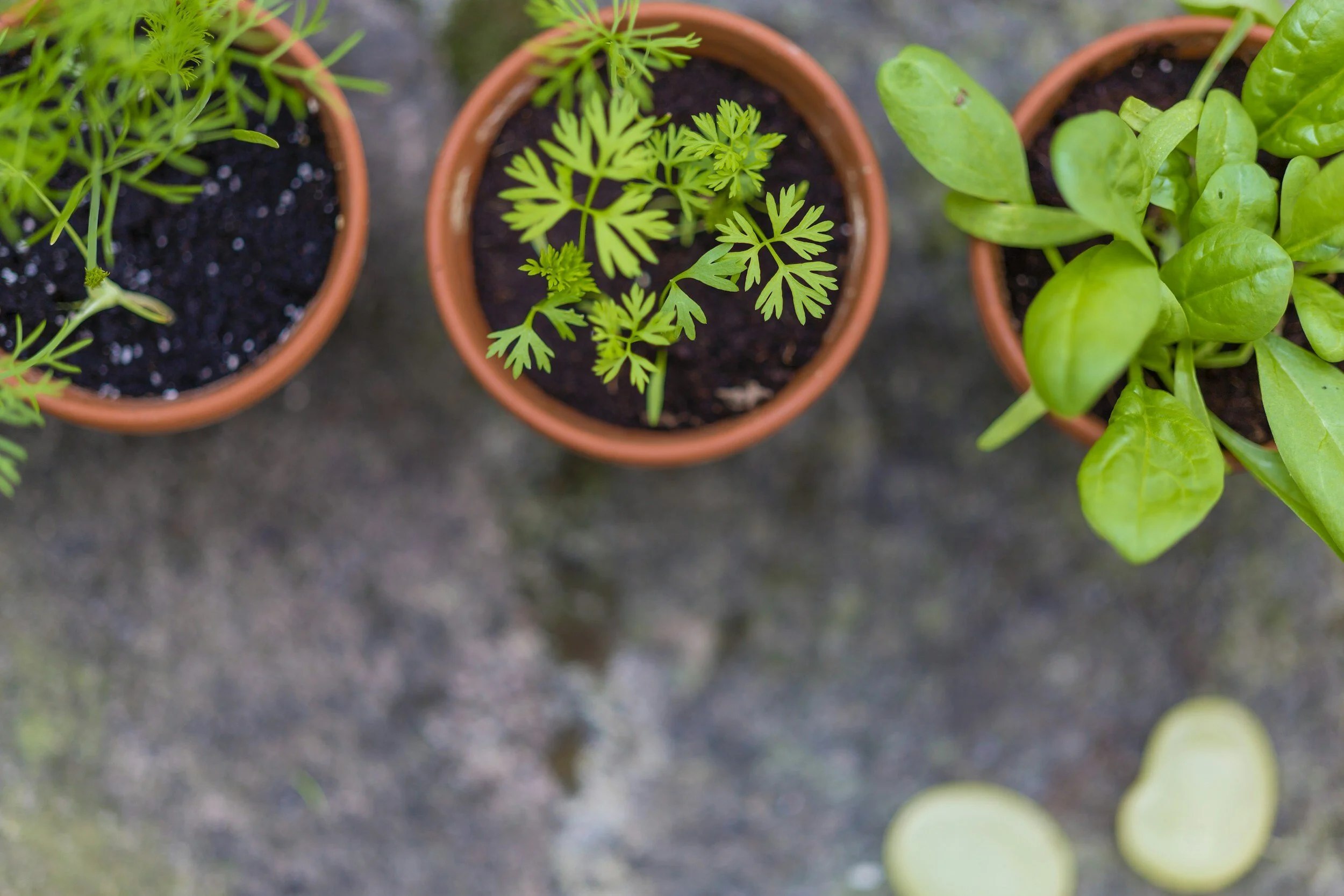
You can attract these helpful predators by planting a variety of nectar- and pollen-rich flowers such as dill, fennel, alyssum, marigolds, and yarrow. Providing a diverse, pesticide-free environment helps support a healthy population of beneficial insects that will keep aphid numbers down over time.
4. Manually Remove Infested Plant Parts
If the infestation is localized, sometimes the quickest solution is the simplest: prune away and discard heavily infested leaves, stems, or shoots. You can also gently squish small aphid clusters by hand. Be sure to dispose of any infested plant parts in the trash rather than composting them, since this will help prevent reintroducing aphids into your garden.
5. Control Ants to Control Aphids
Because ants protect aphids, managing ant populations can indirectly help you manage aphids too. Using barriers around plant bases, sticky traps, ant-safe repellents or bait stations can help break the cycle of aphid reproduction and infestation (always following product safety guidelines if you use baits). You can also apply natural deterrents like diatomaceous earth near ant trails. By limiting ant access to aphid colonies, you make it easier for natural predators to do their work and bring balance to your garden ecosystem.
Why Buying Ladybugs Isn't the Solution
At first glance, releasing ladybugs into your garden might seem like the perfect natural solution for an aphid infestation. As you might already know, ladybugs are famous for their voracious appetite for aphids. A single ladybug can eat dozens of aphids a day. However, buying and releasing commercially sold ladybugs is not as effective, or as eco-friendly, a solution as it might seem.
Most ladybugs sold for garden use are harvested from the wild, because breeding them in optimal conditions is cost-prohibitive. Harvesting large numbers of ladybugs from wild populations can disrupt local ecosystems, removing important natural predators from their native environments. Wild ladybugs that are not native to your area may also harbor diseases that you’d then be introducing to your garden. You could unintentionally be contributing to the decline of local beneficial insect populations and causing harm to your surrounding environment without realizing it!

Akbar Nemati @unsplash
Even if you do release a batch of purchased ladybugs into your garden, there's a good chance they won’t stay long enough to solve your aphid problem. Ladybugs have strong migratory instincts, especially if they are released in an unfamiliar area or if food and habitat conditions aren't ideal. In many cases, they simply fly away within a day or two, leaving your garden (and your aphids) behind.
Instead of buying ladybugs, a more effective and sustainable approach is to create an environment that naturally attracts and supports them. Grow nectar-rich plants like dill, fennel, yarrow, and marigolds, and avoid using pesticides that could harm herbivore pests and helpful insects alike.
A garden that offers food, water, and shelter will encourage ladybugs — and other natural aphid predators — to settle in and work with you to maintain a healthier balance.
Why Do Aphids Keep Coming Back?
If you remove aphids only to find them back on your plants a week or two later, you are not necessarily doing anything wrong. Aphids reproduce very quickly, and winged adults can travel from nearby plants to establish new colonies.
Recurring infestations may just be an indication that conditions in your garden favor aphids. Excess nitrogen fertilizer, for example, encourages lush, tender new growth that aphids readily feed on. Weeds and nearby host plants may provide additional places for aphids to survive before moving onto your vegetables or ornamentals.
Ants can make the problem worse. Because ants feed on the sweet honeydew aphids produce, some species actively protect aphid colonies from lady beetles, lacewings, and other natural predators. If you repeatedly find ants and aphids together, managing the ants may make it easier for beneficial insects to control the aphid population.
Finally, avoid eliminating every aphid at the first sign of trouble. A small aphid population provides food for beneficial insects and can help attract and sustain natural predators. Creating a diverse garden with flowering plants that support these insects can provide better long-term aphid control than repeatedly treating every new colony that appears.
In my own garden I very rarely have aphid problems anymore because there are so many beneficial insects that prey on aphids!
Managing Aphids for a Healthier Garden
While aphids are an almost inevitable challenge for many gardeners, they don’t have to spell disaster for your plants. By understanding how aphids live, reproduce, and interact with other insects like ants, you can tackle infestations thoughtfully and effectively. Natural control methods — like strong water sprays, DIY insecticidal soap, and supporting beneficial insects can go a long way toward keeping aphid populations in check without disrupting your garden’s ecosystem.
Remember, consistency is key. Most natural treatments need to be repeated every few days, especially early on, to stay ahead of the aphids' rapid reproduction cycle. Managing ant activity, encouraging natural predators, and staying vigilant during periods of lush new growth will give your plants the best chance to thrive.
With a little patience and a proactive approach, you can turn an aphid outbreak into a learning experience and build a healthier, more resilient garden in the process.
Ready to tackle pest problems like these without harming beneficial insects? Download our bee-safe pest control checklist here:
Frequently asked questions
-
One of the simplest ways to control aphids naturally is to spray them off plants with a strong stream of water. Lady beetles, lacewing larvae, hoverfly larvae, and parasitoid wasps also help keep aphid populations under control. For persistent infestations, commercial insecticidal soap can be effective when used according to label directions. DIY insect-killing soap is also very effective at killing aphids.
-
A strong stream of water can knock aphids from leaves and stems, and many will be unable to return to the plant. Pay particular attention to new growth and the undersides of leaves, where aphids frequently congregate. You may need to repeat the treatment several times.
-
Aphids reproduce rapidly, and winged aphids can continually colonize plants from elsewhere in the garden. Excessive nitrogen fertilizer, abundant tender growth, nearby host plants, and ants that protect aphids from predators can contribute to recurring infestations. Encouraging beneficial insects can provide better long-term control.
-
Aphids feed on many vegetables, fruits, herbs, flowers, and ornamental plants. They are particularly attracted to tender new growth. Common garden hosts include roses, tomatoes, peppers, cucumbers, beans, peas, brassicas, and many fruit trees. Different aphid species prefer different host plants.
-
Ants do not usually cause aphid infestations, but they can help them persist. Some ants feed on the honeydew aphids produce and protect aphid colonies from predators such as lady beetles and lacewing larvae. If you see large numbers of ants tending aphids, addressing the ant activity may help natural predators control the infestation.
-
It depends. Established, healthy plants can often tolerate some aphid feeding, and infestations can frequently be controlled with water, pruning, beneficial insects, or insecticidal soap. Removing a plant may be appropriate if it is severely weakened, heavily infested despite repeated control efforts, or showing signs of an aphid-transmitted disease.
You may also be interested in…




If you want a thriving, productive garden that supports pollinators rather than harming them, pest prevention needs to begin before a single seed goes into the ground. Too often, gardeners wait until pests appear and then scramble for solutions, many of which can unintentionally harm bees and other beneficial insects.