


How to Grow Bush Beans in Containers
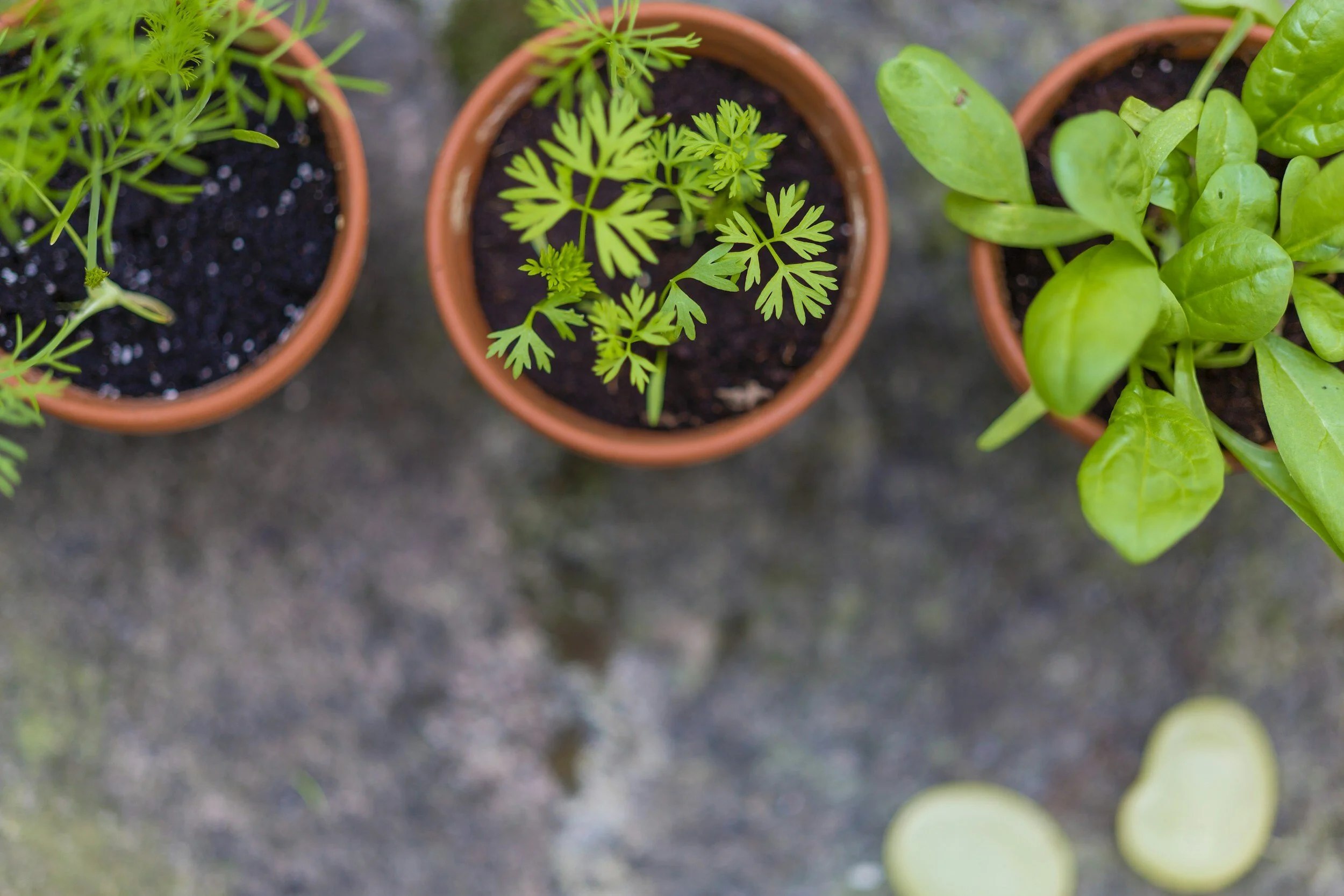
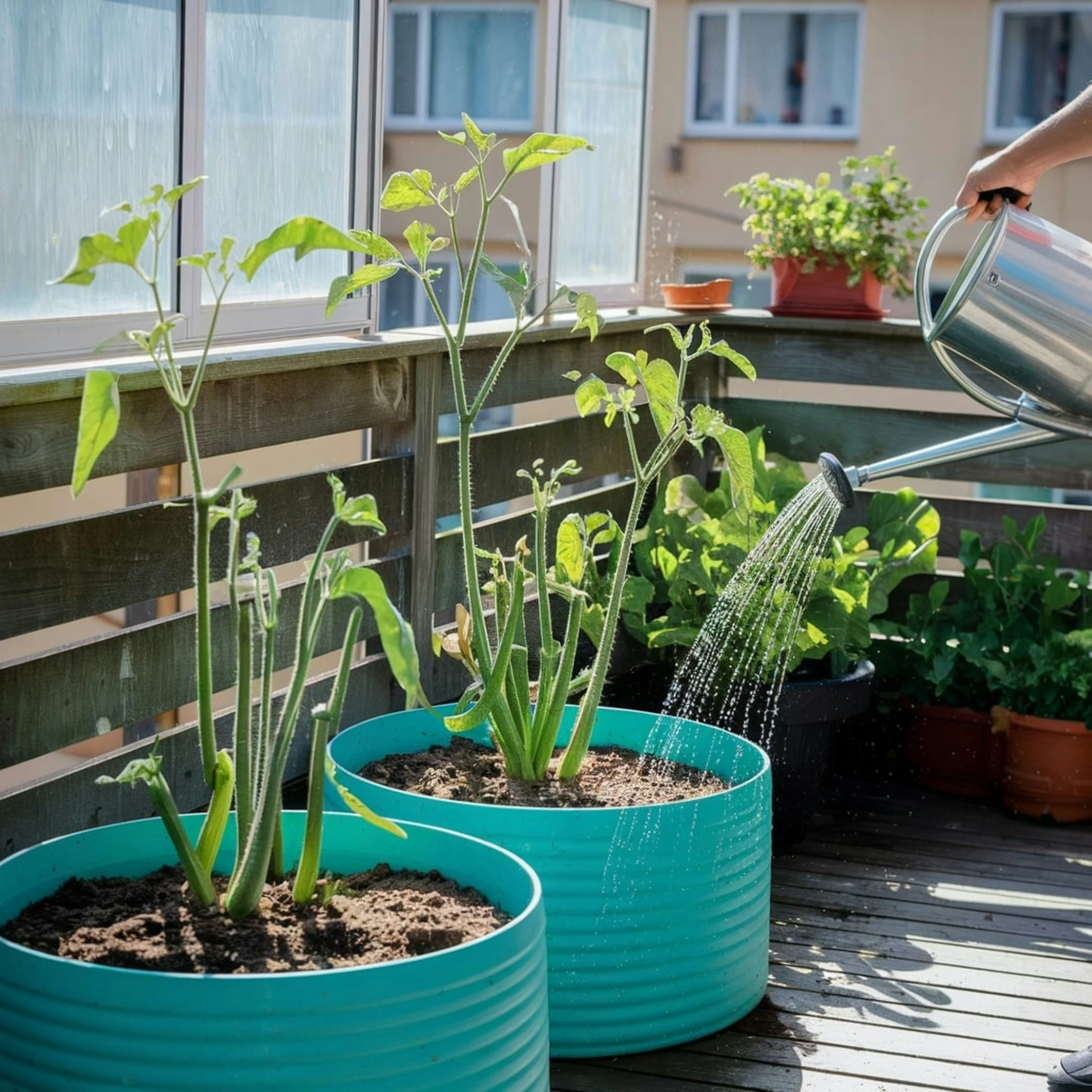
/Growing fresh vegetables doesn’t require a large backyard garden, and in fact, you can grow many varieties of veggies, fruits, and herbs in containers – enough to replace a significant portion of your grocery purchases. Bush beans are one vegetable that don’t readily come to mind as great candidates for a container garden, but in fact, they are one of the easiest and most rewarding vegetables to grow in containers. They grow quickly, produce heavily, and are beginner-friendly, making them an excellent choice for patios, balconies, decks, and small-space gardens.
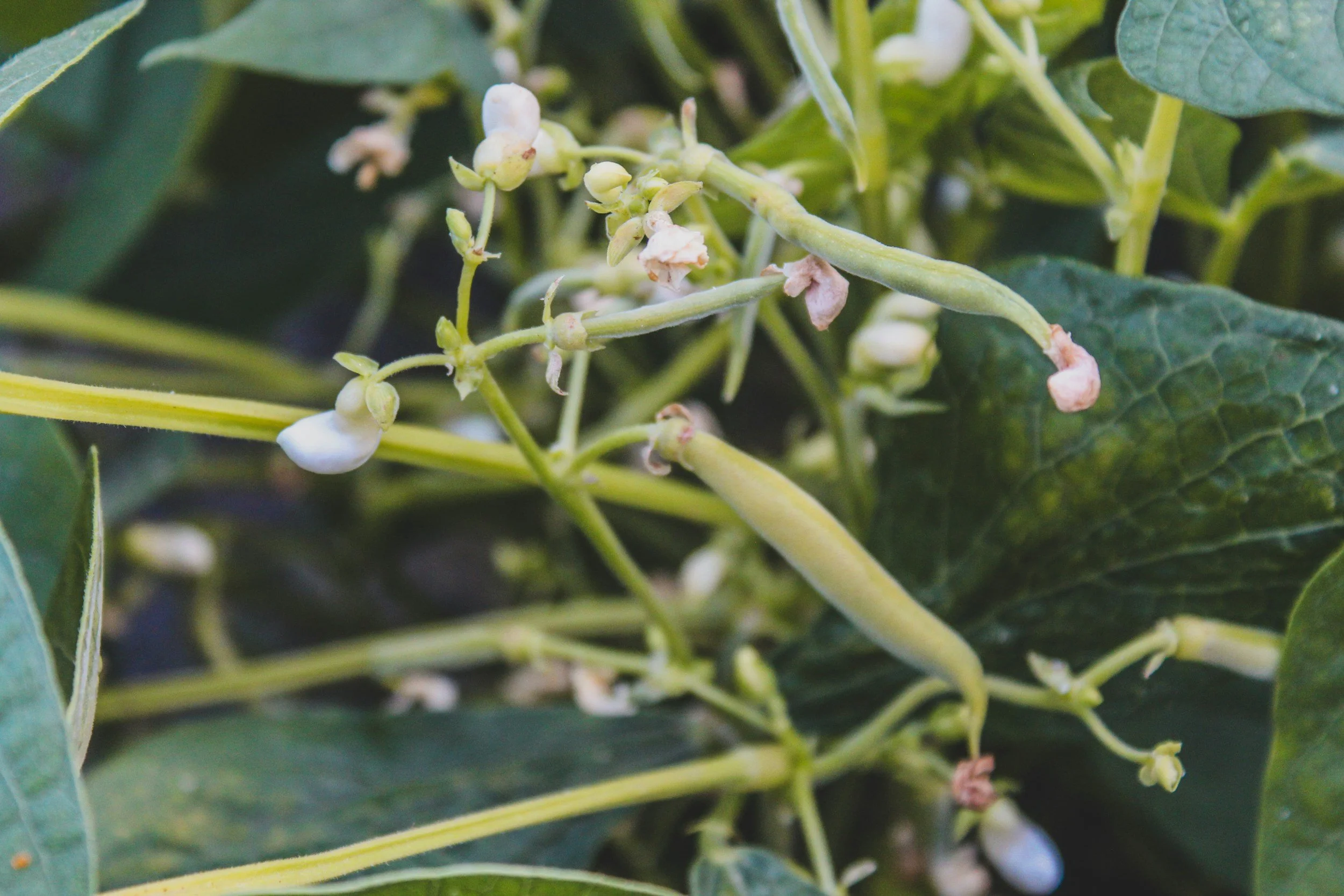
Unlike pole beans, which require trellises and long vines, bush beans stay compact and manageable. Many varieties mature in as little as 50 to 60 days, giving gardeners a fast harvest with relatively little maintenance. Bush beans are also productive enough that even a few containers can provide regular harvests throughout summer. Best of all, the more you harvest them, the more they produce.
Árpád Czapp @unsplash
Growing an edible garden is easy with containers if you’re short on space or don’t want to be overwhelmed by a lot of crops. Starting with beans is a good idea if you’re new to gardening: if you’ve ever thought about having fresh snap beans for salads, stir fries, or freezing for later use, read on; this article will share everything you need to know about growing bush beans in containers with less headache and more success.
Why Bush Beans Grow Well in Containers
Bush beans are naturally compact plants that usually grow between 18 and 24 inches tall. Because they don’t send out long climbing vines, they adapt very well to pots and raised planters. They need full sun (ideally in the morning) to produce well; although they can tolerate some shade, they won’t be as productive.
Container gardening offers several advantages when growing beans:
Better control over soil quality
Easier weed management
Improved drainage
Fewer soil-borne diseases
Flexibility to move containers into better sunlight
Bush beans are also legumes, meaning they help improve soil fertility by fixing nitrogen in the soil. While they still benefit from balanced nutrition, they generally require less fertilizer than heavy-feeding crops like tomatoes or squash.
If you are new to food gardening, bush beans are one of the best crops to start with because they germinate quickly and usually produce dependable harvests with minimal fuss.
Choose the Right Container
One of the keys to growing healthy bush beans is selecting a container large enough to support strong root development. Bush beans do not have extremely deep root systems, but they still need enough room for moisture retention and airflow.
A good container for bush beans should be:
At least 8 to 12 inches deep
Wide enough to accommodate multiple plants
Equipped with sufficient drainage holes
A 5-gallon container works well for several bean plants, while rectangular planter boxes are excellent if you want to grow a larger harvest in a small space.
Fabric grow bags are another good option because they improve drainage and help prevent overwatering. However, they may dry out faster during hot summer weather.
Avoid very small pots because the soil dries too quickly, especially during flowering and pod development.
Pick a Productive Bush Bean Variety
There are many excellent bush bean varieties available for container gardening. Some produce classic green snap beans, while others offer yellow, purple, or heirloom varieties.
Good choices include:
- Provider (purple seeds, heavy yields, and resistant to mildew and viruses)
- Blue Lake Bush (16-18-inch plants produce an abundant crop of 6-inch beans; disease resistant)
- Contender (stringless variety, 6-8-inch pods and tolerates heat and powdery mildew better than others)
- Gold Rush Yellow Wax Bean (green tipped lemon-yellow pods perfect for pickling or fermenting)
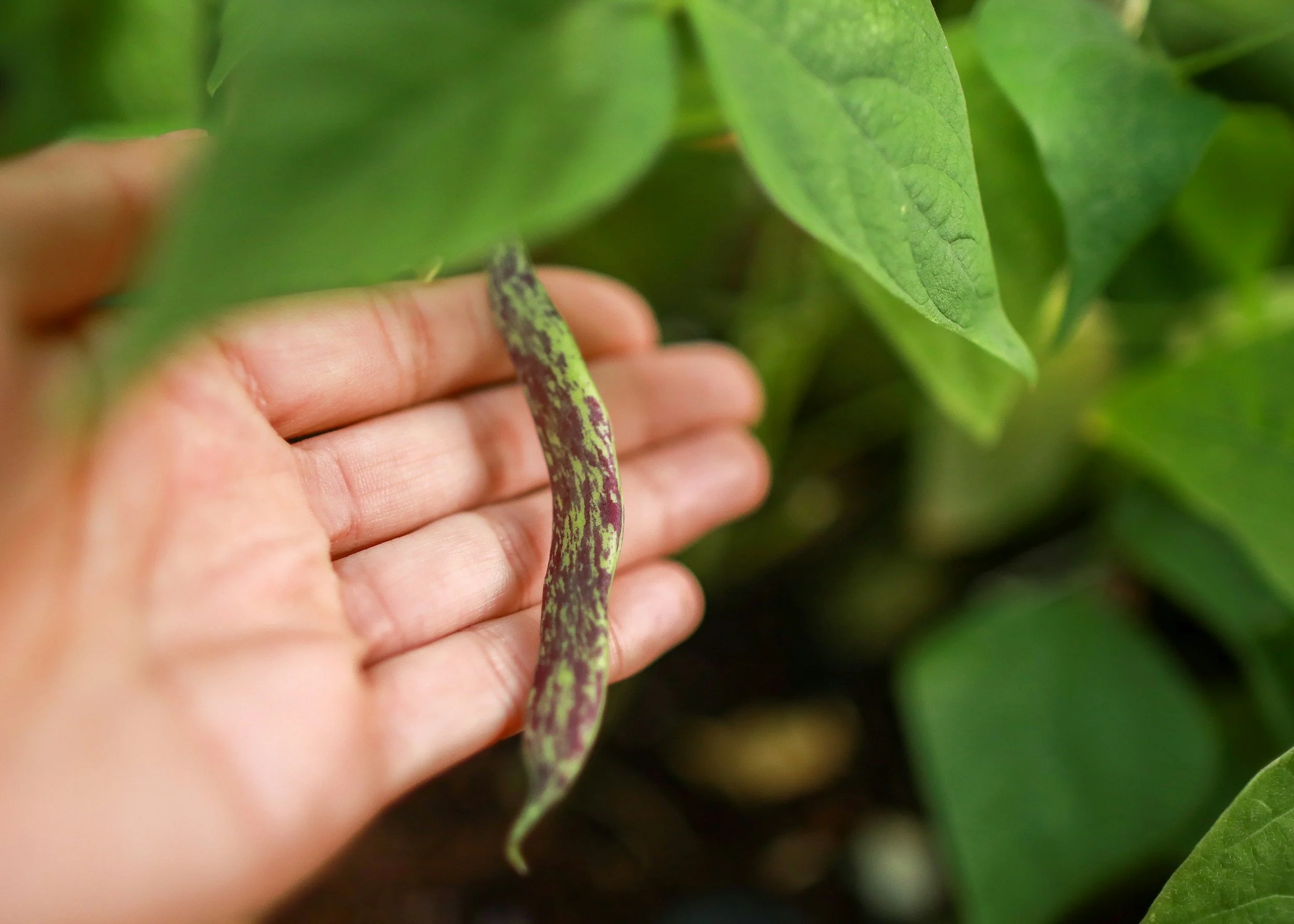
- Dragon Langerie (unique purple-striped 6-8-inch flat pods that excel in taste)
- Royal Burgundy (5-inch dark purple bean, resistant to white mold)
If you’re interested in colorful kitchen gardens, purple or yellow wax beans can add visual interest while still being highly productive. Just be aware – most purple varieties lose their color when cooked!
Use High-Quality Potting Mix
Healthy soil is essential for container-grown vegetables. Avoid using heavy garden soil in pots because it can compact easily and reduce drainage. It also may not have the nutrients your plants need. One good thing about container vegetable gardening is that you can easily control the quality of the soil, which can all the difference between an abundant harvest and plants that struggle.
Be sure to use a lightweight, high-quality potting mix designed for containers. A good mix should retain moisture while still allowing excess water to drain away.
Although most commercial container mixes contain a variety of ingredients, you can amend -- improve -- the potting mix further by adding:
Compost
Worm castings
Coconut coir
Perlite
Used coffee grounds (which don’t make the soil more acidic, but do add organic matter and improve soil structure)
Bush beans prefer slightly acidic to neutral soil, typically around a pH of 6.0 to 7.0.
If you want to improve germination and root growth naturally, inoculating bean seeds with rhizobium bacteria can help increase nitrogen fixation. This is especially useful if you have never grown beans in the soil before.
Plant Bush Bean Seeds Directly
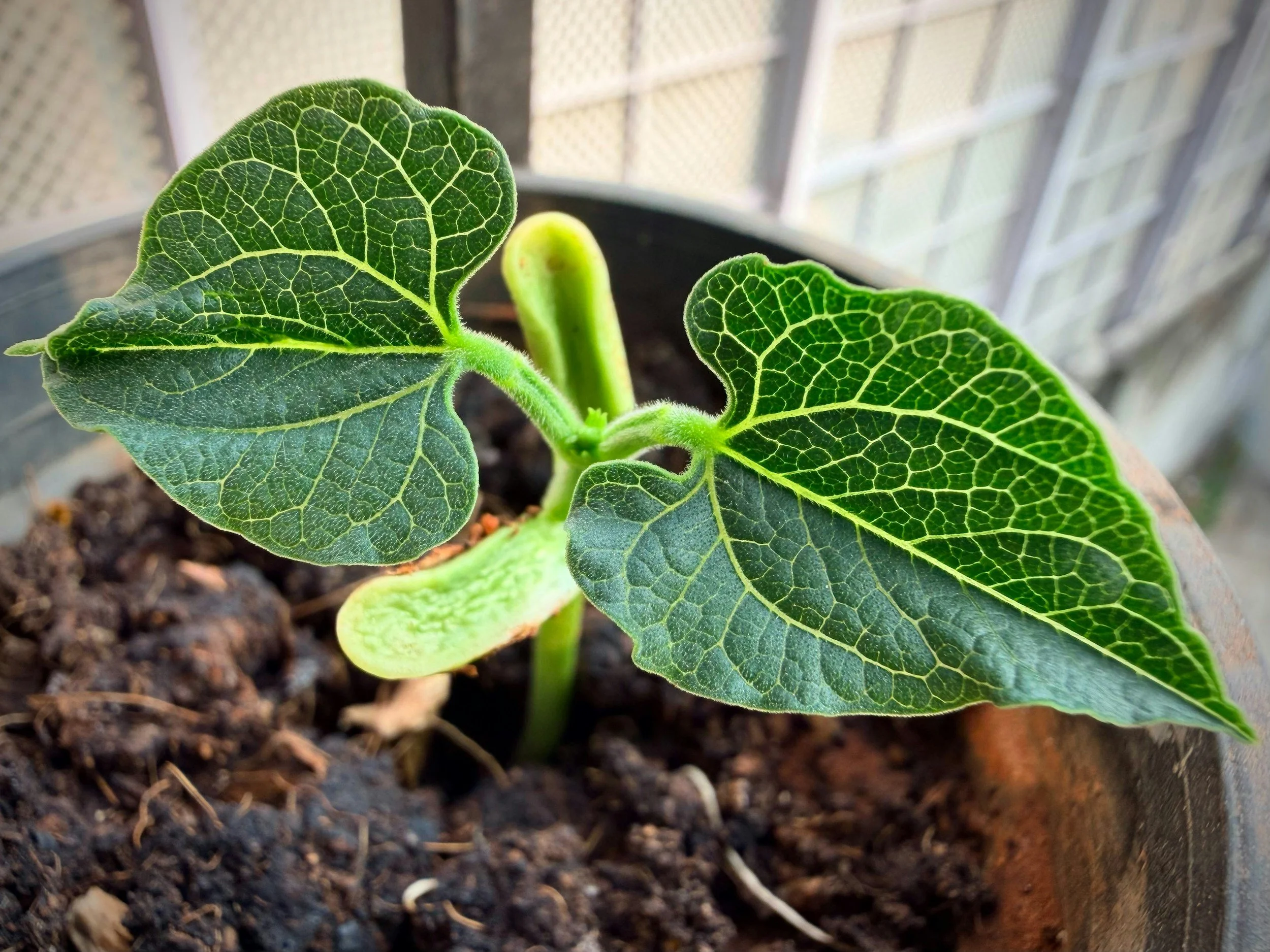
Bush beans usually grow best when direct sown into containers rather than transplanted. Like many legumes, they dislike root disturbance. However, to increase germination success, you can sprout them before planting.
Wait until after the danger of frost has passed and soil temperatures are consistently warm before planting. Beans germinate best when soil temperatures reach at least 60°F.
Plant seeds:
About 1 inch deep
2 to 4 inches apart
In moist but not soggy soil
Susmitha Veganosaurus @unsplash
If using a wide container or planter box, you can sow several rows close together.
Most bush bean seeds germinate within 7 to 10 days during warm weather.
Because beans grow quickly, many gardeners succession sow every 2 to 3 weeks for a longer harvest season.
Give Bush Beans Plenty of Sunlight
Bush beans need full sun to produce heavily. Aim for at least 6 to 8 hours of direct sunlight per day. You can use a sunlight tracker to chart the amount of sunlight your space gets at different times of the day.
Containers placed on patios or balconies may heat up faster than in-ground gardens, which can actually help beans grow more quickly in cooler climates.
However, during periods of intense summer heat, container plants may require more frequent watering.
If your growing space only receives partial sun, you can still grow bush beans, but yields will be somewhat reduced.
Water Consistently
One of the biggest mistakes gardeners make with container-grown beans is inconsistent watering.
Bush beans need regular moisture, especially during flowering and pod production. Dry soil can lead to reduced yields, tough pods, or flowers dropping before beans develop.
Water deeply whenever the top inch of soil begins to dry out.
During hot summer weather, container-grown bush beans may require watering daily or even twice a day.
To help conserve moisture:
Add mulch to the soil surface
Use larger containers
Group containers together
Water early in the morning
Avoid splashing water directly on leaves whenever possible because wet foliage can contribute to fungal diseases.
Fertilize Lightly
Bush beans generally don’t need heavy fertilization. In fact, too much nitrogen can cause lush leaf growth with fewer bean pods.
If your potting mix already contains compost, additional fertilizer can be minimal.
A balanced organic fertilizer applied lightly once or twice during the growing season is usually sufficient. Pellet or granular fertilizer works best to feed your plant over a period of time; liquid fertilizer will wash out quickly and need to be reapplied more often. When in doubt, so with a good pellet fertilizer (I use Espoma 10-10-10 organic fertilizer in my garden).
Look for fertilizers with moderate nitrogen levels and avoid overfeeding.
Watch for Common Problems
Bush beans are relatively low-maintenance, but a few issues can occasionally appear.
Poor Germination
Beans planted into cold, wet soil may rot before sprouting. Always wait for warm conditions before sowing seeds.
Yellow Leaves
Yellowing leaves may result from overwatering, poor drainage, nutrient deficiencies, or stress from extreme heat.
Pests
Common bean pests include:
Aphids
Mexican bean beetles
Spider mites
In many cases, spraying plants with water or hand-removing pests is enough to control small infestations. Otherwise, there are numerous ways you can control garden pests naturally without harming pollinators. Use some of these pest control methods even before you plant.
Because pollinators may visit bean flowers, avoid broad-spectrum pesticides whenever possible.
Fungal Diseases
Overcrowding and poor airflow can contribute to fungal diseases such as powdery mildew or rust.
Proper spacing and watering at the base of the plant help reduce disease problems.
For additional growing and troubleshooting information, this guide to container vegetable gardening provides helpful details.
Harvest Frequently for Bigger Yields
Bush beans produce best when harvested regularly. Most varieties are ready to harvest about 50 to 60 days after planting. Pick beans when pods are firm, smooth, and before seeds inside become overly swollen. Frequent harvesting encourages the plant to continue producing more flowers and pods.
Nina Luong @unsplash
Use scissors or gently hold the plant while picking to avoid damaging stems.
Many gardeners are surprised by how productive even a small container planting can become during peak summer harvest season.
Can You Grow Bush Beans Indoors?
Bush beans can technically be grown indoors under strong grow lights, but they usually perform best outdoors because they need high light levels and good airflow.
If you want to try growing them indoors, use:
Full-spectrum grow lights
Large containers
Supplemental airflow from a small fan
Compact varieties are often the best choice for indoor growing.
You Can Grow Bush Beans, Even in Small Spaces
Bush beans are one of the simplest vegetables to grow in containers, even if you only have a small patio, balcony, or sunny corner outdoors. With the right container, good soil, consistent watering, and plenty of sunlight, you can enjoy reliable harvests throughout much of the growing season. These versatile vegetables can be eaten raw, pickled, stir-fried, steamed, or baked, and they preserve well so you can enjoy them all year long.
They are affordable to grow, beginner-friendly, and productive enough to make a real contribution to your summer kitchen. If you are looking for an easy edible crop that delivers fast results, bush beans are an excellent place to start, even if you’ve never grown vegetables before.
Want more guidance on growing your own container food garden? Find out more with our online gardening course, Container Garden Like a Pro.
You may also be interested in…



Growing fresh vegetables doesn’t require a large backyard garden, and in fact, you can grow many varieties of veggies, fruits, and herbs in containers – enough to replace a significant portion of your grocery purchases. Bush beans are one vegetable that don’t readily come to mind as great candidates for a container garden, but in fact, they are one of the easiest and most rewarding vegetables to grow in containers. They grow quickly, produce heavily, and are beginner-friendly, making them an excellent choice for patios, balconies, decks, and small-space gardens.