


How to Grow Zucchini Without Powdery Mildew Problems
/Zucchini is one of the most prolific vegetables you can grow in an edible garden. A healthy plant can produce more squash than most families can keep up with, especially during the peak of summer. This is why you might have seen or heard jokes about bumper crops of zucchini, or stories about gardeners not being able to give them away fast enough. While zucchini can grow in abundance under the right conditions, it’s also notorious for developing powdery mildew. This is a fungal disease that turns leaves white, weakens plants, and dramatically reduces harvests.
The good news is that powdery mildew is not inevitable. With the right growing techniques, careful variety selection, and a few preventative strategies, you can enjoy healthy zucchini plants for much longer into the season.
Whether you’re growing classic green zucchini like Black Beauty, bright yellow varieties such as Golden Glory, or the highly productive Korean squash known as Aehobak, the tips in this article can help you grow vigorous plants with fewer disease problems.
What Causes Powdery Mildew on Zucchini?
Powdery mildew is a fungal disease caused by caused by the fungus Podosphaera xanthii. It commonly affects all cucurbits, including zucchini and other squash plants, during warm, humid weather. It appears as white or gray powdery patches on leaves and stems.
Unlike many fungal diseases, powdery mildew does not require soaking wet leaves to spread. It thrives when air circulation is poor, plants are overcrowded or over-fertilized, humidity is high, leaves stay shaded and damp, or plants are stressed by drought or poor soil. Powdery mildew spores also spread rapidly in warm, dry conditions, especially in warm climates.
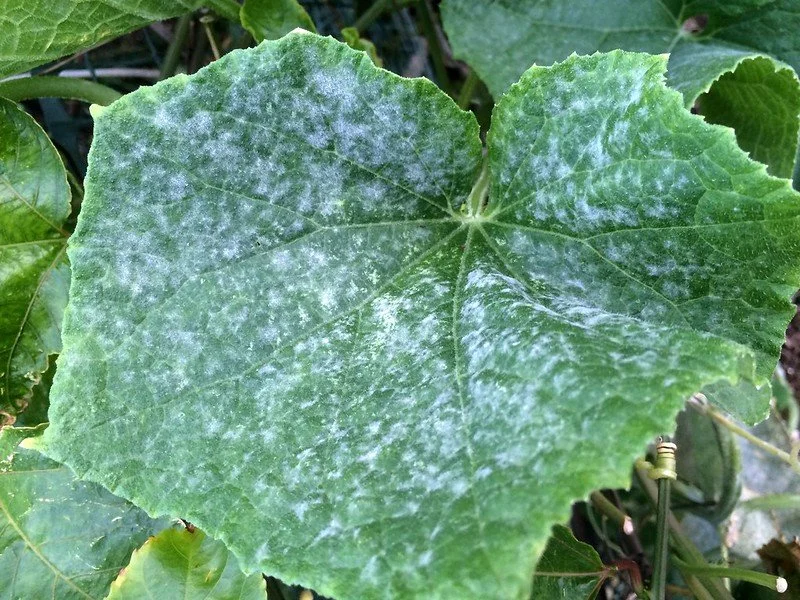
Scot Nelson @Flickr
Once established, the disease spreads quickly. Infected leaves eventually become yellow, die back, and stop supporting fruit production. Existing fruit may easily become sun scalded.
The key to managing powdery mildew is prevention. Prevention and treatment can both be done organically, but heading off the problem before it starts will help you to have an abundant harvest from summer into the fall season.
Choose Disease-Resistant Zucchini Varieties
One of the easiest ways to reduce powdery mildew problems is to grow resistant or vigorous varieties.
Black Beauty Zucchini
Black Beauty zucchini is one of the most popular heirloom zucchini varieties in North America. It produces dark green fruits with tender flesh and a mild flavor that works well in sautés, grilling, baking, and zucchini bread.
Black Beauty is productive and reliable, but it can still develop powdery mildew later in the season, especially in humid climates.
To improve performance:
Give plants extra spacing
Mulch heavily
Water consistently
Remove older leaves as plants mature
Smooth Operator F1 Zucchini
Smooth Operator zucchini is a golden-yellow zucchini with green stem and long, smooth, slim body; it’s ready to harvest in 50 days.
Many gardeners find yellow zucchini varieties easier to spot during harvest, which helps prevent oversized fruits from hiding under leaves. Allowing zucchini to become too large can stress the plant and slow production.
Smooth Operator grows vigorously and can tolerate heat well, but like most traditional zucchini, it still benefits from preventative disease management.
Aehobak: The Korean Zucchini Worth Growing
Aehobak deserves special attention because it performs remarkably well in many home gardens.
Also known as Korean zucchini or Korean summer squash, aehobak has been cultivated in Korea for generations and is a staple ingredient in Korean cuisine. The word “aehobak” roughly translates to “young pumpkin” or “tender squash.”
Unlike standard Western zucchini, aehobak has a slightly rounder shape, pale green skin, flesh that is thinner and more tender than Western varieties of zucchini, and a subtly sweet, nutty flavor.
It’s one of my favorite vegetables to grow. Not only does it produce an astonishing amount of fruit in ground and raised-bed gardens, it is a prolific producer when grown in containers, too. I have noted over the years of growing aehobak that it grows faster and fruits sooner than standard zucchini, produces heavily over a long season, tolerates heat and humidity better, and is resistant to powdery mildew and other squash diseases.
When other zucchini varieties begin to decline, aehobak still keeps producing. In my zone 7b garden, I harvested my first aehobak in late June and my last in late October last year!
The Taste and Culinary Uses of Aehobak
Aehobak has a more delicate flavor and creamier texture than many standard zucchini varieties. The flesh remains tender even when the fruits grow fairly large.
In Korean cooking, aehobak is commonly used in:
Stir fries
Soups
Stews
Pancakes
Side dishes known as banchan
One of the most popular preparations is hobak bokkeum, a sautéed zucchini side dish flavored with garlic, sesame oil, and scallions.
Aehobak also works beautifully in Western recipes. You can:
Grill it
Roast it
Add it to pasta dishes
Use it in casseroles
Substitute it for regular zucchini in baking
Because the skin stays tender, you don’t need to peel it (unless you really want to).
Start with Healthy Soil
Healthy plants resist disease better. This is because they have strong immune systems to fight diseases and herbivore pests.
Zucchini thrives in fertile, well-drained soil rich in organic matter. Before planting:
Add compost or aged manure
Ensure the soil drains well
Maintain a soil pH around 6.0 to 7.0
Olia Bondarenko @unsplash
Avoid over-fertilizing with nitrogen. Too much nitrogen encourages excessive leafy growth, which creates dense foliage and poor airflow, ideal conditions for powdery mildew. Instead, use a balanced organic fertilizer and focus on long-term soil health.
Give Plants Plenty of Space
One of the biggest mistakes gardeners make is planting zucchini too close together.
Crowded plants trap humidity and reduce airflow around leaves.
For bush zucchini varieties:
Space plants at least 2 to 3 feet apart
Leave 3 to 4 feet between rows
Aehobak plants can become especially vigorous, so do not underestimate their mature size. Good airflow helps leaves dry quickly and reduces fungal pressure throughout the season.
Sound Watering Practices
Improper watering contributes heavily to disease problems. The best approach is deep watering at the soil level. A simple drip irrigation system is one of the best investments you can make for your garden – it saves time, eliminates guesswork, and helps your plants get what they need, when they need it. Connect your drip irrigation system to a timer for a truly done-for-you system that’s easy to maintain.
Try to:
Water early in the morning
Avoid wetting leaves
Use drip irrigation or soaker hoses when possible
Water deeply rather than shallowly (an irrigation system + timer works best for this!)
Consistent moisture is important because drought-stressed plants become more susceptible to disease and pests.
Mulching around plants also helps regulate soil moisture and reduce stress.
Mulch Generously
Mulch is one of the simplest ways to grow healthier zucchini plants. A thick layer of straw (untreated, pesticide-free), shredded leaves, bark (preferably undyed), or fallen pine needles can:
Reduce soil splash
Suppress weeds
Retain moisture
Moderate soil temperatures
Reduce plant stress
Mulch also keeps fruits cleaner and reduces contact with potentially contaminated soil. Some people use untreated grass clippings, but I don’t; recommend it because they can easily get soggy and harbor diseases and attract pests.
Prune Older Leaves
As zucchini plants mature, the oldest leaves near the base often become crowded, damaged, or infected. Here’s where careful pruning can improve airflow dramatically.
Remove:
Yellowing leaves
Severely infected leaves
Leaves touching the ground
Excess interior foliage blocking airflow
Use clean pruners (disinfect by wiping them with rubbing alcohol) and avoid removing too much foliage at once.
This strategy is especially useful for Black Beauty zucchini, which tends to produce dense foliage.
Harvest Frequently
Many gardeners accidentally reduce production by allowing their zucchini to grow oversized.
Frequent harvesting encourages plants to continue flowering and producing fruit.
Most zucchini taste best when harvested 6 to 8 inches long for standard varieties, or at slightly smaller sizes for tender specialty varieties. Aehobak can be harvested young or slightly larger without becoming tough.
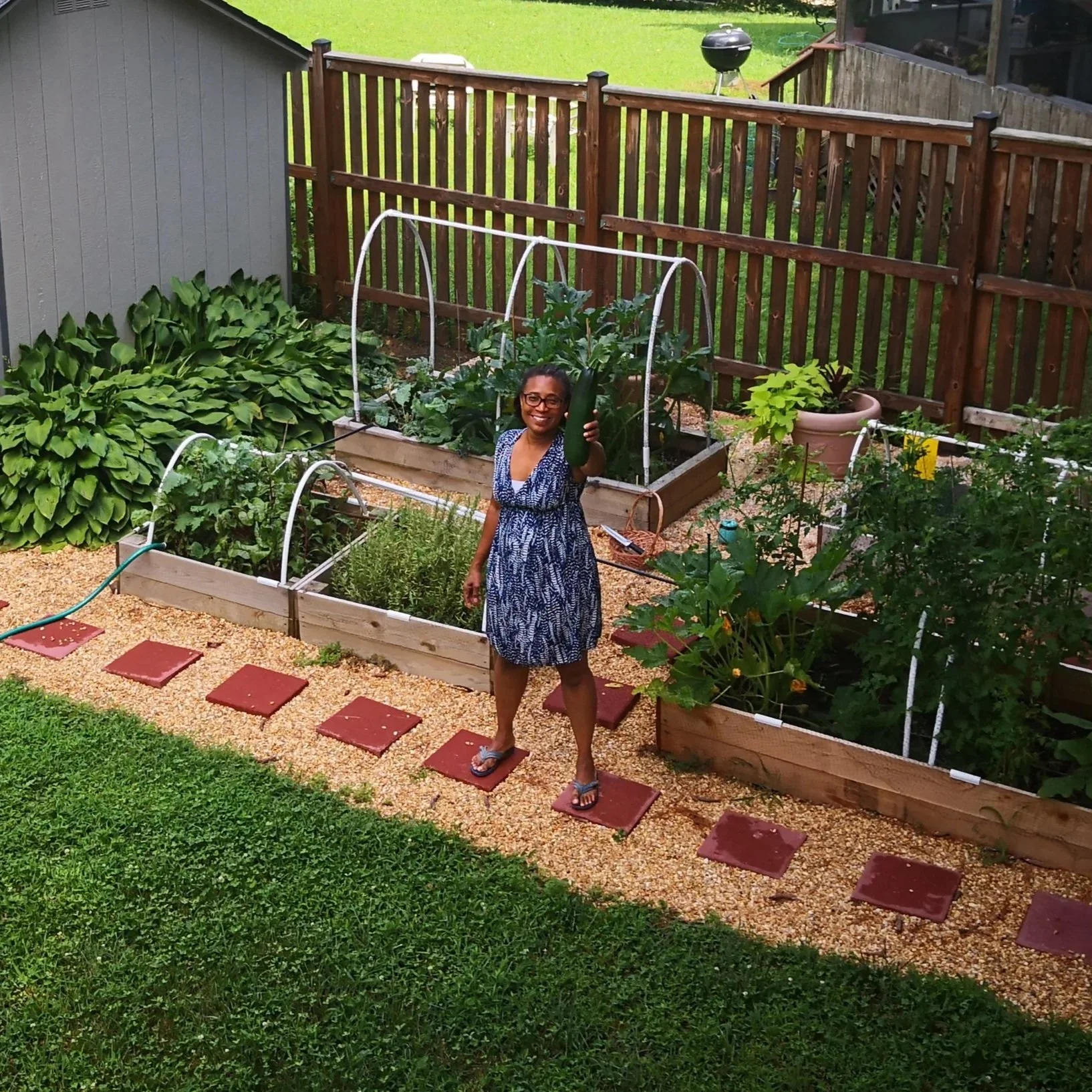
photo by Green and Prosperous
Check plants daily during peak summer production because fruits can grow surprisingly fast. I have more than once thought I’d harvested all my zucchini just to find, a monster zucchini hiding in the bed I had checked two days earlier!
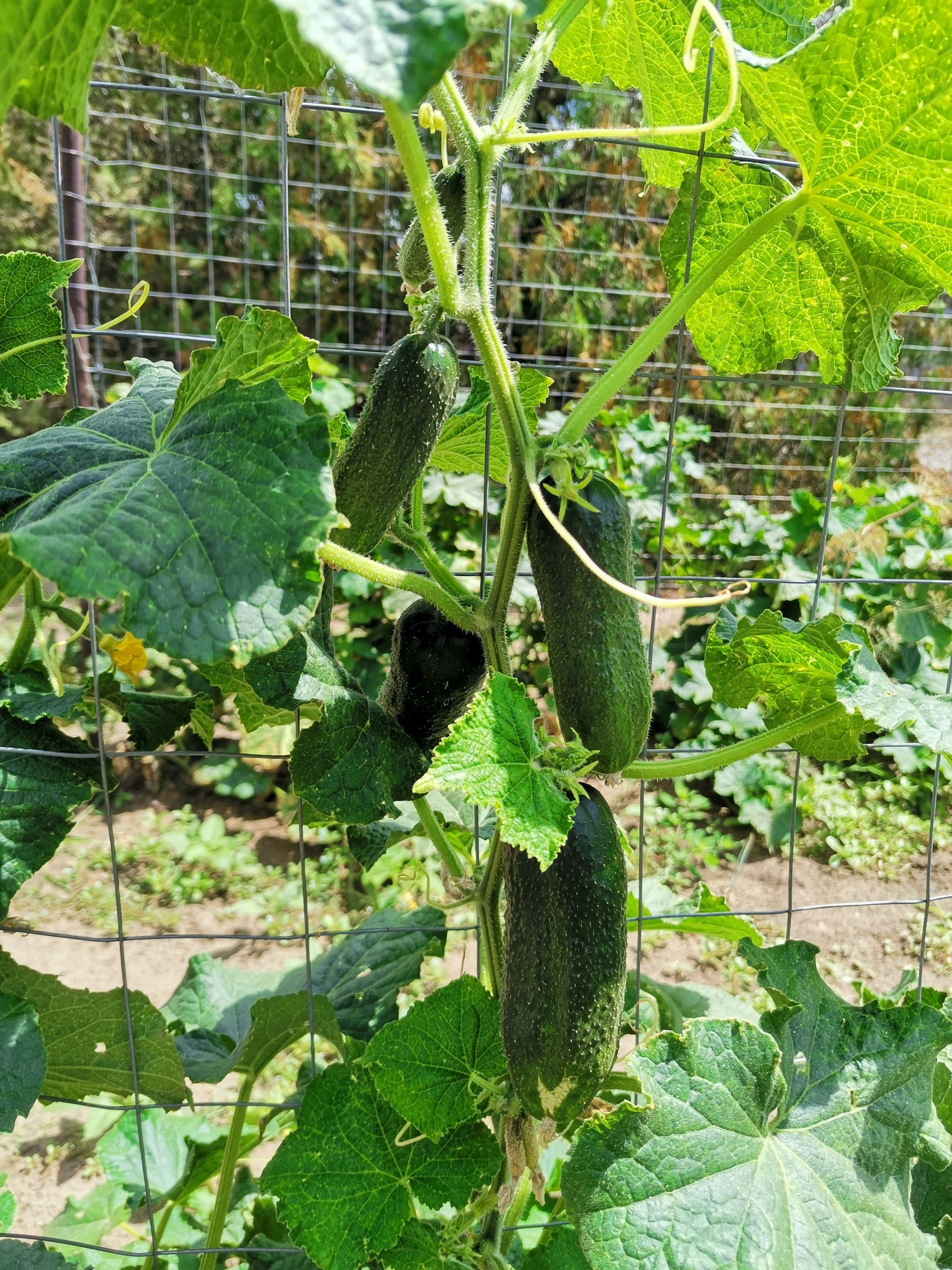
Grow Zucchini Vertically
Training zucchini vertically is another effective strategy for reducing powdery mildew.
Vertical growing improves airflow, keeps leaves drier, makes harvesting easier, and saves garden space.
While not all varieties adapt equally well, many gardeners successfully grow Black Beauty and Aehobak vertically using tomato cages or strong stakes.
Remove Infected Leaves Early
If powdery mildew appears despite all of your efforts to prevent it, taking action early on helps to slow its spread.
At the first signs of powdery mildew, do these things:
Remove badly infected leaves
Dispose of them away from the garden
Improve airflow immediately
Avoid composting heavily infected material
Some gardeners also use organic treatments such as:
Potassium bicarbonate sprays
Diluted milk sprays
Sulfur-based fungicides
Neem alternatives labeled for powdery mildew
However, prevention remains far more effective than trying to reverse a severe outbreak.
Rotate Crops Each Year
Rotating crops is very important for maintaining the health of your edible garden. You can do this even in raised beds; just rotate your crops in a clockwise or counterclockwise fashion every 2-3 years. Keeping records in a garden journal can help you keep track of what was planted where and when in your edible garden. Avoid planting zucchini or other squash family crops in the same location every year.
Crop rotation helps reduce soil-borne diseases, pest buildup and overall fungal pressure on your plants.
Why Aehobak May Become Your Favorite Zucchini
If you regularly struggle with powdery mildew, aehobak is absolutely worth trying.
While no zucchini is completely immune to powdery mildew, aehobak often continues producing well after standard zucchini varieties begin to decline.
Combined with proper spacing, good airflow, mulching, and careful watering, it can help you enjoy a far more productive and less frustrating zucchini season.
Prevention and Selection are Keys to Success with Zucchini
Growing zucchini without powdery mildew problems starts with prevention and smart variety selection.
Healthy soil, proper spacing, consistent watering, mulching, and regular harvesting all work together to keep plants vigorous and productive.
Classic varieties like Black Beauty and Golden Glory remain excellent choices for home gardeners, but if you want something especially productive and resilient, aehobak deserves a place in your garden.
Once you experience how quickly it grows and how heavily it produces, you may find yourself planting it every year.
You may also be interested in



Yesterday I was out in the garden, chatting with my neighbor and friend on the other side of the fence. The conversation turned to fertilizing our vegetable plants, and we both discovered that some of our plants were producing much more prolifically than expected, despite the fact that neither of us had really fertilized our in-ground or raised bed crops since last spring. That got me thinking about the questions of when and whether it’s time to apply fertilizer.