


Slow Gardens for a Fast World
/Gardening is not only a way to grow food or shape outdoor space; it’s also a way of working that encourages attention, seasonal awareness, and a different relationship to time. Whether you are tending vegetables, managing a small container garden, or simply spending time outdoors, gardens ask us to work with natural rhythms rather than against them. The idea of “slow gardening” grows out of this reality, offering a way to think about building a garden that fits into real life. It also asks us to reconsider garden design and use in ways that support presence, observation, and long-term balance rather than quick results.
The pace of modern life rarely leaves much room for stillness. Days are measured in notifications, schedules and productivity, with little space left for quiet observation. Yet step into a garden and time begins to behave differently. Growth cannot be rushed. Light changes gradually. Seasons insist on being noticed. A garden asks us to slow down, whether we intend to or not.
Robin Wersich @unsplash
Designing gardens today often means responding to this contrast. Not by creating something ornamental or escapist, but by shaping spaces that gently counterbalance the speed of the world outside the boundary. A slow garden is not defined by style or planting palette. It is defined by how it makes you feel once you are inside it.
Slowness, in this sense, is not about doing less. It is about paying attention.
Gardens that invite pause
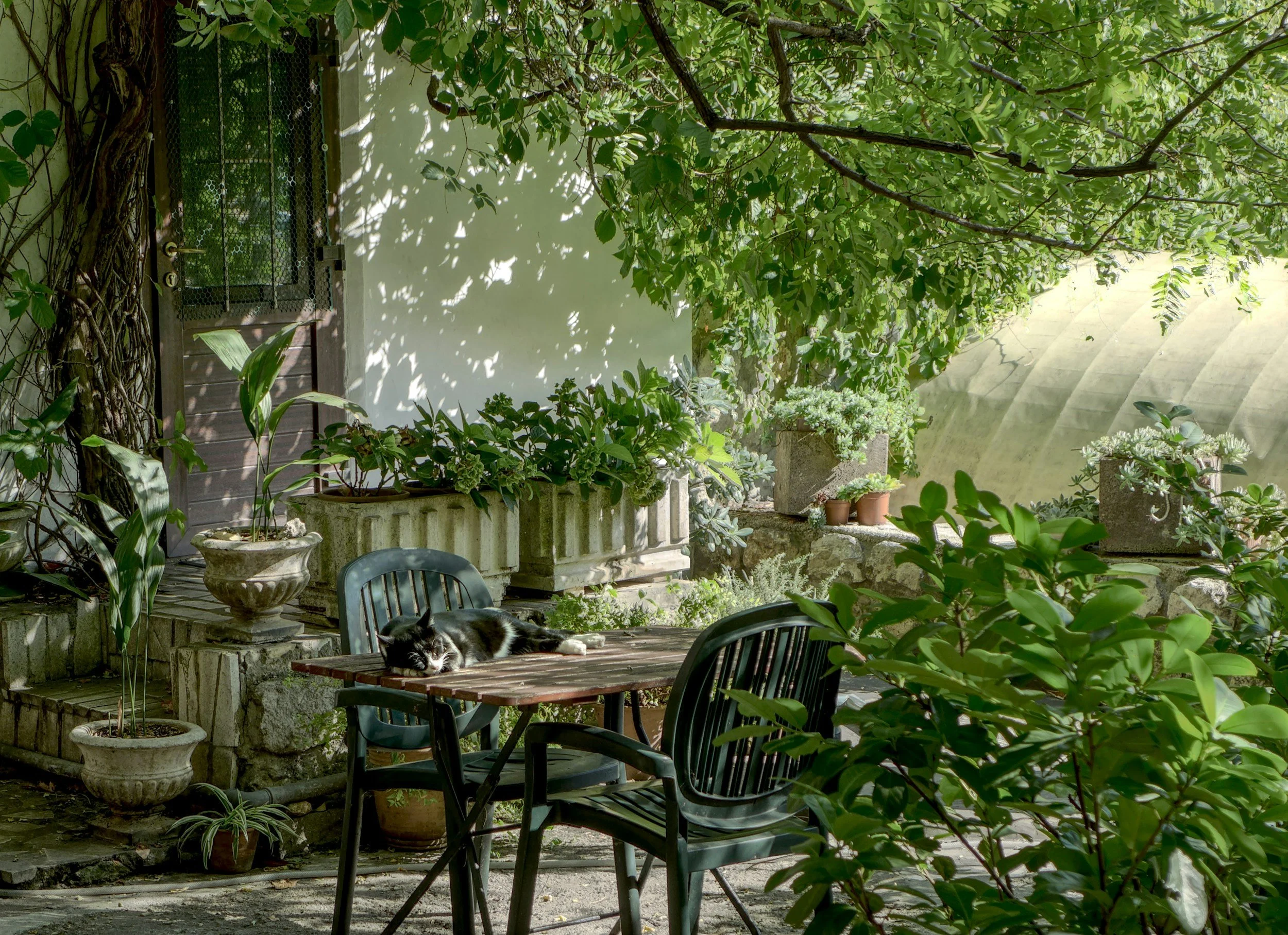
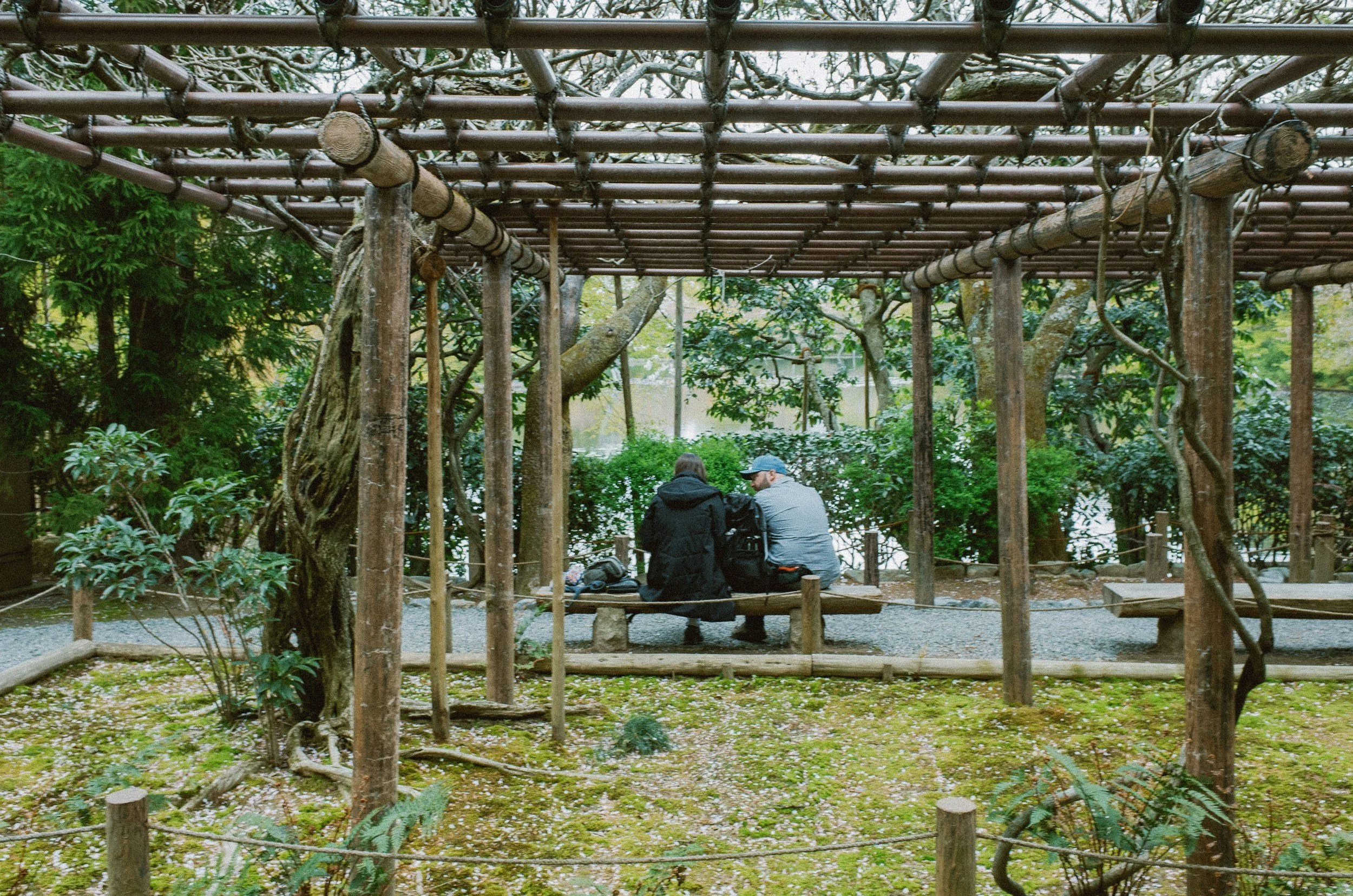
A slow garden does not reveal itself all at once. It unfolds. Paths draw you forward without urgency. Views are partially obscured, encouraging movement and curiosity rather than instant comprehension. Places to sit are positioned where you naturally want to stop, not where they look best on a plan.
This kind of design prioritises experience over spectacle. It acknowledges that a garden is something to be inhabited, not just admired from a distance. The aim is not to impress, but to hold attention quietly over time.
Materials play a subtle role here. Natural textures weather, soften and change. Timber silvers, stone gathers moss, planting matures and shifts. These changes slow our perception of time. They remind us that beauty does not peak instantly, but deepens with familiarity.
Working with natural rhythms
A fast world often expects constant output. Gardens work to a different rhythm entirely. They rest, emerge, flourish and retreat. Designing with this in mind creates spaces that feel grounded rather than demanding.
A slow garden embraces seasonality without trying to mask it. Winter is not treated as an absence, but as a pause. Structure comes to the fore. Light behaves differently. Sound changes. These quieter months are not something to be designed away, but designed for.
Water, shadow and movement become especially important in this context. They offer interest when colour recedes. A reflective surface, the sound of water or the movement of grasses in low light all invite observation rather than action. The garden continues to offer something, even when it asks very little in return.
Letting go of perfection
Speed and perfection often go hand in hand. Quick results demand tight control. Gardens resist this impulse. The more tightly they are controlled, the less alive they tend to feel.
Slow garden design accepts a degree of unpredictability. Plants self-seed. Edges soften. Wildlife arrives uninvited. Rather than correcting these moments immediately, a slower approach allows space to observe before intervening.
This does not mean neglect. It means care that is responsive rather than rigid. Over time, this creates gardens that feel balanced rather than overworked. Places where life is allowed to find its own rhythm within a considered framework.
There is a quiet confidence in this restraint. It reflects a trust in the process rather than an insistence on outcome.

Priscilla Du Preez 🇨🇦 @unsplash
Slow Gardening in Edible Gardens
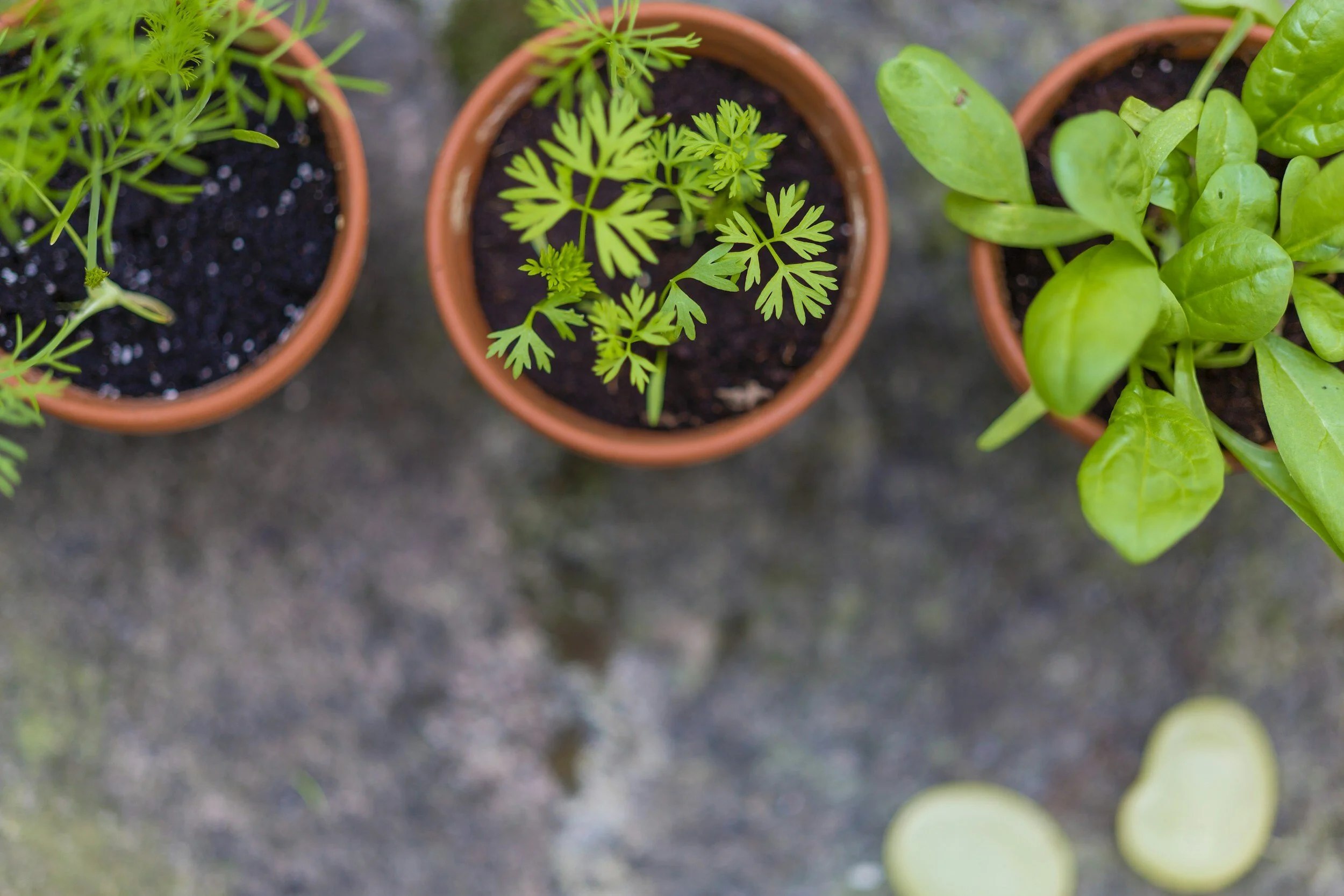
Slow gardening is often associated with ornamental landscapes, but edible gardens can be one of the most natural places to practice it. Growing food already requires attention to timing, weather, soil, and seasonal limits. Seeds germinate when conditions are right, not when we demand results, and harvests arrive gradually rather than all at once.
A slow approach to edible gardening prioritises observation over constant intervention. Instead of pushing for maximum output, gardeners learn to notice how plants respond to light, water, and spacing, and to adjust gently over time. This can mean choosing crops suited to your climate, allowing beds to rest between seasons, or accepting that not every planting will succeed.
Slow edible gardens also support sustainability in practical ways. They encourage fewer inputs, less waste, and more resilient systems. Composting, crop rotation, and pollinator-friendly planting all work best when viewed as long-term practices rather than quick fixes.
Perhaps most importantly, edible gardens anchor slowness in everyday life. Watering in the morning, checking seedlings in the early afternoon, or harvesting herbs for a meal become small, repeated moments of presence. Over time, these routines shift gardening from a task to be completed into a habit that nourishes both body and mind.
Designing for everyday moments
A slow garden supports the small, repeated moments that make up daily life. Morning light across a path. The sound of rain on leaves. Sitting somewhere familiar at the end of the day. These experiences are rarely dramatic, but they are deeply grounding.
Design decisions that support these moments often appear simple on the surface. A seat positioned for evening sun. A sheltered corner that catches sound. A planting scheme chosen as much for scent and movement as for colour.
These details matter because they shape how the garden is used, not just how it looks. Over time, they become part of a routine, anchoring the day in something physical and present.
A counterpoint to constant stimulation
Modern environments often demand attention. Gardens can offer relief from this by creating spaces that do not compete. A slow garden does not overwhelm the senses. It layers them gently.
Sound is softened rather than amplified. Visual interest is distributed rather than concentrated. There is space for the eye to rest. This balance allows the mind to do the same.
In this way, the garden becomes restorative without being prescriptive. It does not tell you how to relax. It simply makes it easier to do so.
PJH @unsplash
Time as a design material
Perhaps the most overlooked element in garden design is time itself. A slow garden is designed with the expectation that it will change, and that this change is part of its success.
Planting schemes are allowed to mature rather than perform instantly. Spaces are given room to evolve. What begins as intention gradually becomes character.
This approach requires patience, both from designer and client. But it also rewards patience in ways that instant results rarely do. The garden develops a sense of depth and belonging. It starts to feel inevitable, as though it has always been there.
Why slowness matters now
In a fast world, choosing to slow down is an intentional act. Gardens offer one of the few places where this choice feels natural rather than forced. They provide a setting where presence is rewarded and distraction falls away.
like this? please pin!
A slow garden does not attempt to escape modern life. It complements it. It offers balance. It reminds us that not everything needs to happen quickly to be meaningful.
Over time, these spaces become more than designed landscapes. They become places of return. Places where the pace of the world softens, and where attention settles back into the body.
And perhaps that is the quiet power of slow gardens. They do not ask us to change our lives. They simply give us somewhere to breathe within them.
About the Author:
Robert Michaels is a writer for Umber Garden design, a team of garden designers and landscapers in Warwickshire.
You may also be interested in…
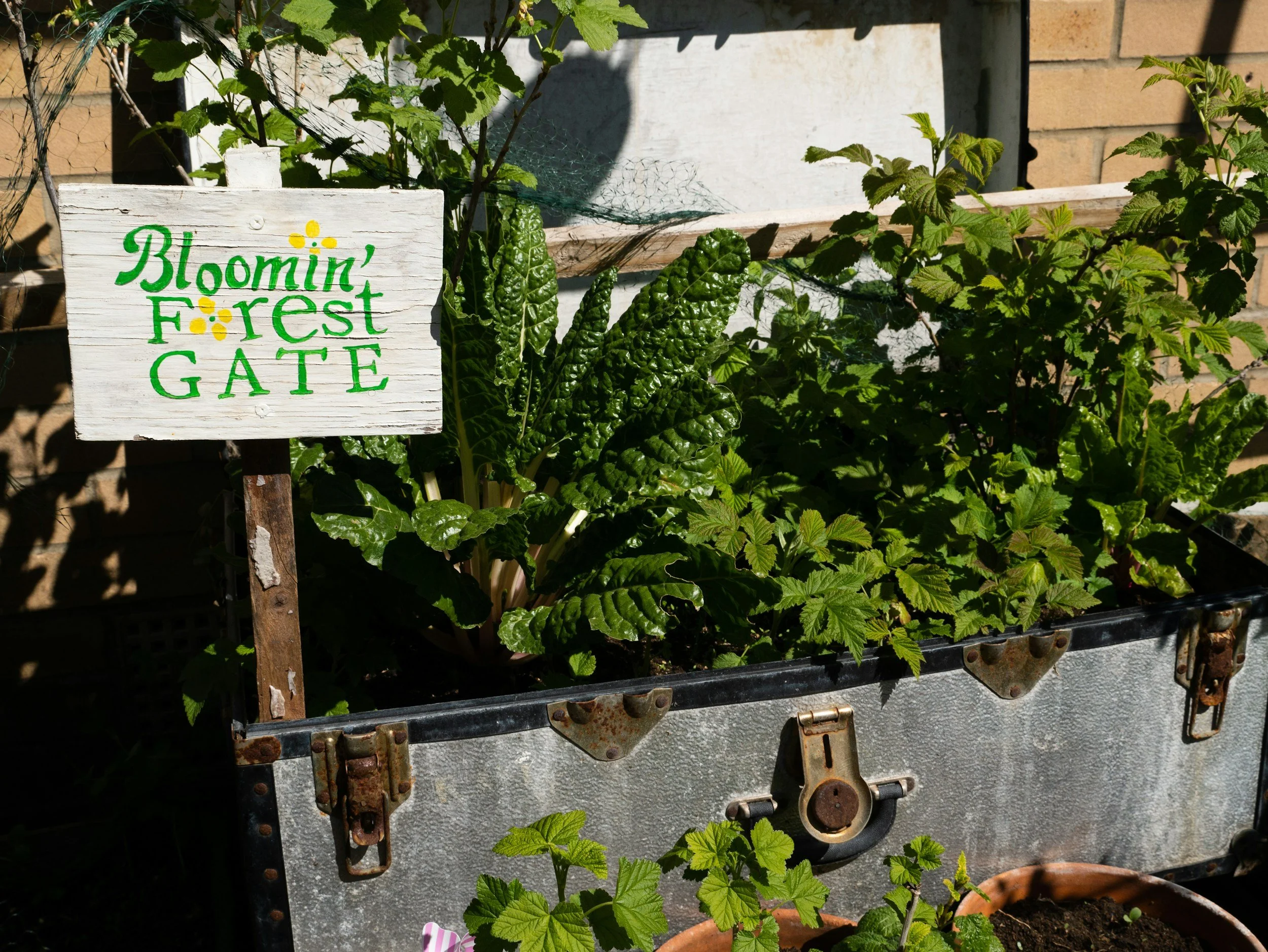
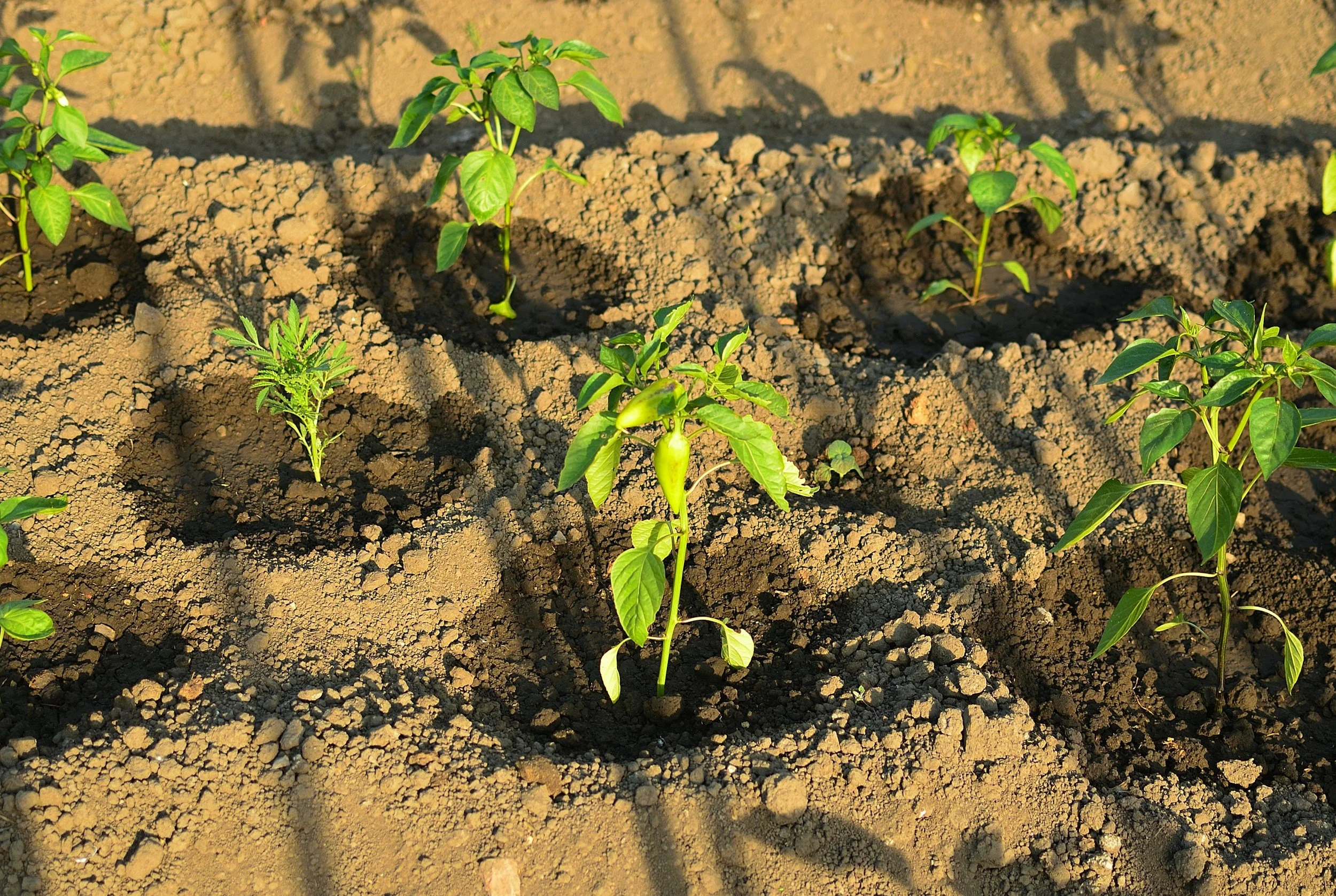



Summer is when a vegetable garden really begins to reveal the results of all the planning, planting, and care that went into spring planting. Tomatoes and eggplants begin ripening, cucumbers swell on their trellises, peppers fill out, and herbs seem to grow faster than you can harvest them. Yet this is also the point in the season when many gardens begin to lose momentum. Heat stress, inconsistent watering, nutrient deficiencies, weeds, and pests can quickly reduce yields if they are not addressed.