


Why Ordering Flowers from a Local Florist Actually Matters
/Flowers are one of the most universal ways we mark life’s moments. We send them to celebrate, to comfort, to apologize, to say “I’m thinking of you” when words don’t quite fit. Because flowers are so familiar, it’s easy to overlook what happens behind the scenes: where they come from, how they’re handled, and what impact our choices have beyond the bouquet itself.
In a world dominated by convenience and big platforms, ordering flowers can feel like a quick transaction: pick a style, select a delivery date, check out. But the truth is, how flowers are sourced, designed, and delivered matters more than most people realize.
Choosing a local florist isn’t just about supporting a small business (though that matters). It influences freshness, waste, quality, timing, and the overall experience for both the sender and the person receiving the arrangement. And when you’re sending flowers to communicate something meaningful, the experience is part of the gift.
If you’re sending flowers locally, options like local flower delivery in Fairfax City highlight what a local-first model looks like: designed nearby, delivered with better control, and built around real service areas rather than a national “one-size-fits-all” approach.
Hà Đoàn @unsplash
The Hidden Cost of Long Floral Supply Chains
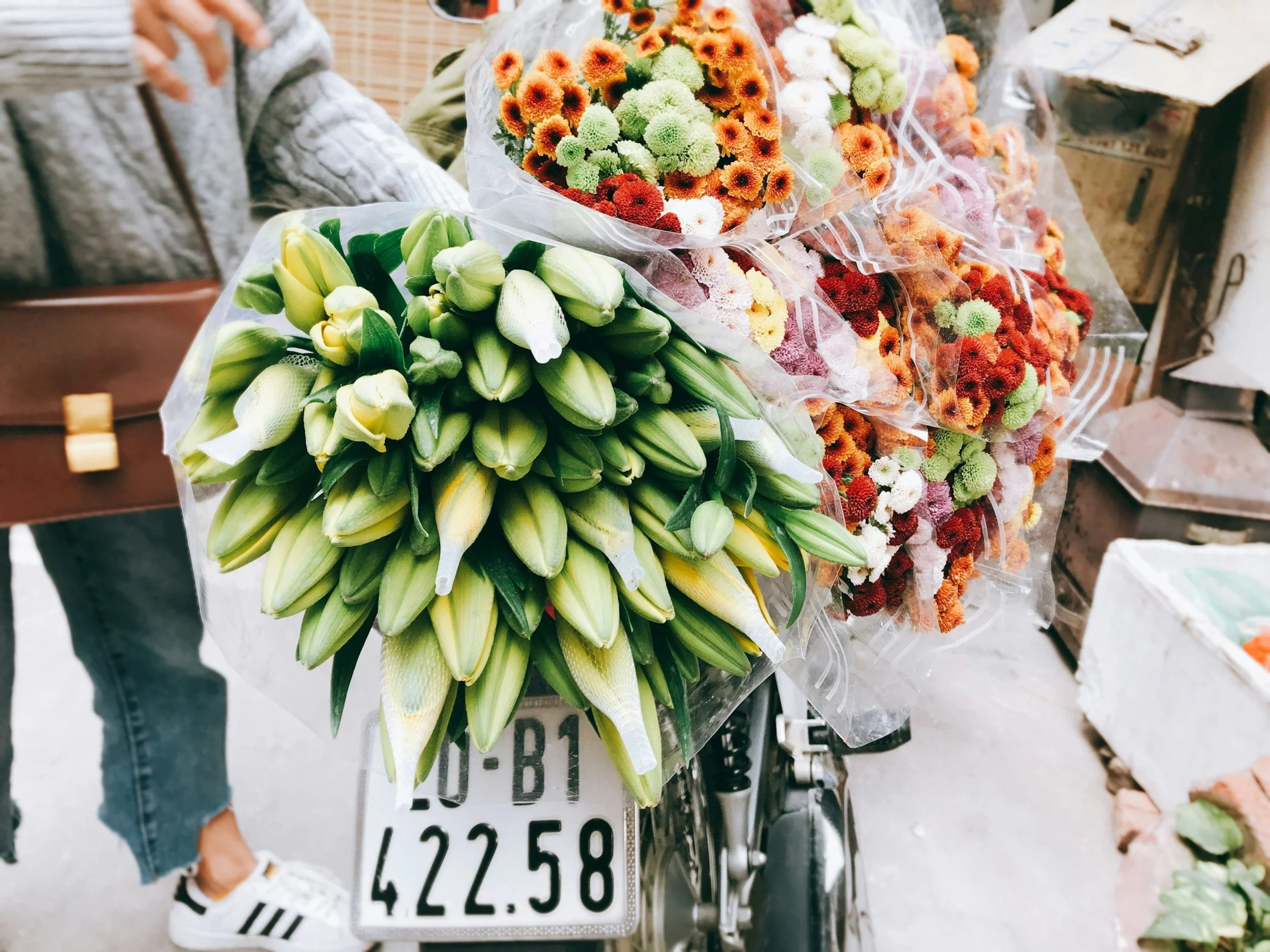
A lot of national flower delivery services rely on long supply chains that can span countries or continents. Flowers may be grown in one region, shipped long distances, stored in cold facilities, handled by intermediaries, and assembled far away from where they’ll ultimately be delivered.
By the time the arrangement arrives at a front door, days — and sometimes longer — may have passed since the flowers were originally cut.
That long journey creates invisible costs:
transportation emissions from multiple shipping stages
heavy reliance on refrigeration and cold storage
extra packaging to protect blooms during transit
higher risk of damage, spoilage, or early wilting
Because flowers are perishable, long supply chains naturally lead to more waste. Blooms that don’t meet visual standards are discarded before they even reach customers. And arrangements that arrive tired or stressed often have a shorter vase life, which means they get thrown out sooner by the recipient.
Local florists work differently. And that difference shows up in both sustainability and quality.
Fresher Flowers Usually Mean Less Waste
One of the simplest reasons local florists matter is freshness.
Local shops typically source flowers more frequently and design arrangements closer to delivery time. That shorter window between sourcing, design, and delivery means the flowers spend less time sitting in storage and more time being enjoyed.
Fresh flowers tend to:
hold their shape better
maintain color and scent longer
last more days in a vase
look closer to “just designed” upon arrival
From an environmental perspective, longevity matters. A bouquet that lasts 7–10 days instead of 3–4 days reduces waste at the consumer level. It also reduces the likelihood that someone will reorder quickly to “replace” flowers that didn’t hold up. So buying local is one more way you can be more environmentally friendly in your consumption choices.
Sustainability often starts with durability. And flowers that arrive fresh are simply more durable.
Local Design Encourages Seasonal Flexibility
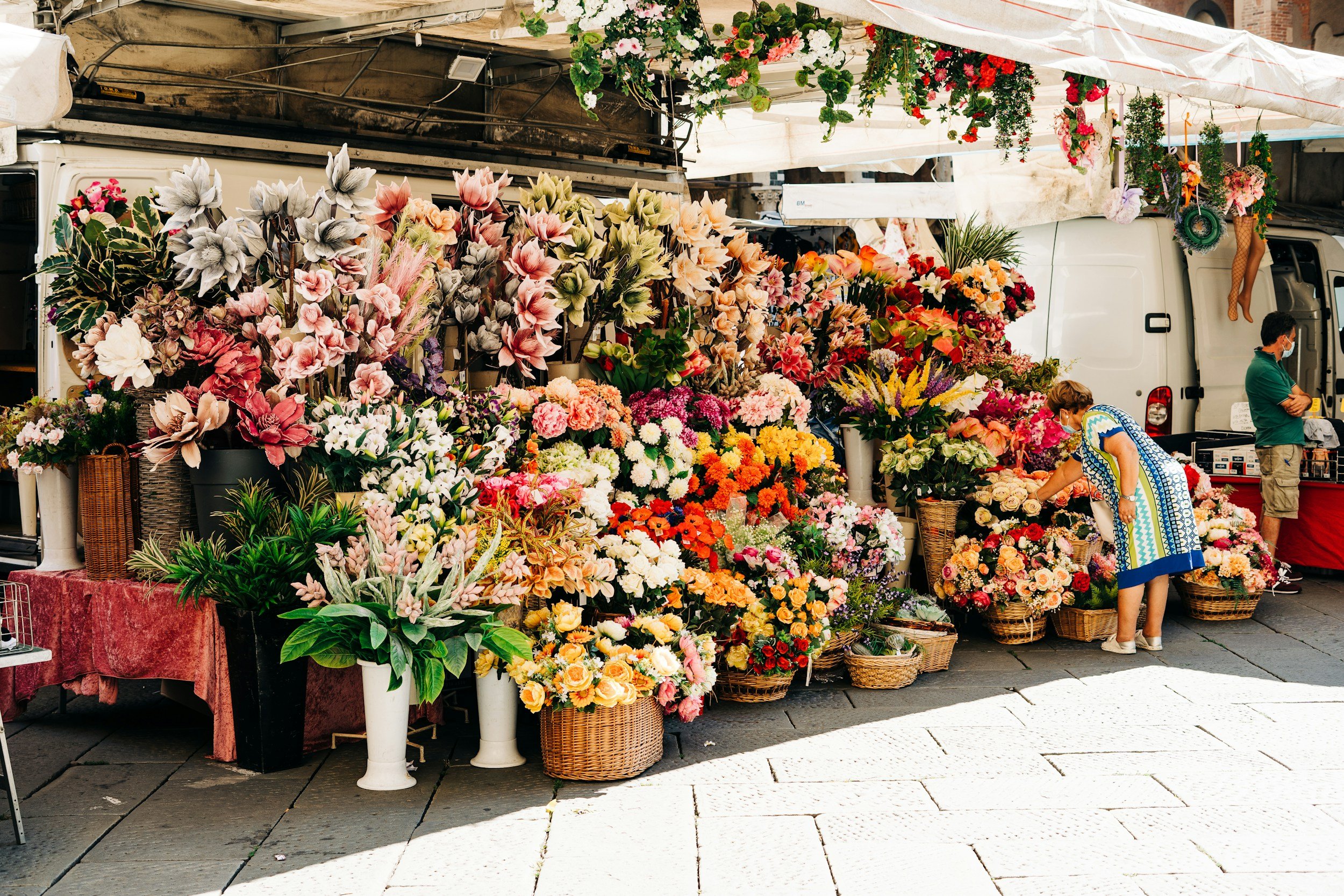
Large platforms often need standardization. If you’re serving thousands of orders across wide regions, you end up relying on uniform templates and huge inventories to keep everything consistent. That approach encourages overstocking, heavy use of filler stems, and unnecessary waste.
Gabriella Clare Marino @unsplash
Local florists usually have more flexibility.
Because they design in smaller batches, they can:
adapt to what’s freshest right now
choose seasonal blooms when available
adjust palettes without forcing one rigid template
avoid excessive filler and over-ordering
Seasonal flexibility is a quiet sustainability advantage. When designs can shift with availability, there’s less strain on supply chains and less waste from forcing out-of-season inventory.
And from a customer perspective, seasonal design tends to look more natural, intentional, and premium.
Better Timing, Better Quality Control
Timing is part of what makes flowers meaningful.
A birthday arrangement that arrives late, or a sympathy bouquet that shows up days after it’s needed, changes the emotional impact of the gift. Local florists tend to have stronger delivery control because fewer steps are outsourced.
That control typically means:
more reliable delivery windows
fewer logistical handoffs
better communication if issues arise
faster adjustments when something changes
There’s also less transportation friction with fewer distribution centers, fewer re-routes, fewer “last-mile” failures. That efficiency reduces waste and improves customer satisfaction at the same time.
When you’re ordering flowers, the most sustainable delivery is often the one that happens correctly the first time.
Packaging and Logistics Add Up
A flower arrangement shipped long distances usually requires protective packaging: extra layers, insulation, internal supports, and material designed to survive a rough journey.
Local deliveries often require less of that.
Because the distance is shorter and handling is more controlled, the florist can focus on presentation rather than shipping armor. That can reduce:
unnecessary plastic components
excessive cardboard
non-recyclable protective materials
damage-related reorders
Less packaging is good for the environment — and it often looks better, too. Presentation feels more intentional when it’s designed for a handoff, not engineered for survival.
Supporting Local Businesses Strengthens Communities
Sustainability isn’t only environmental. It’s also economic and social.
When you buy from a local florist, more of that spending stays within the community:
supporting local designers and staff
funding local wages and operations
often collaborating with nearby venues and businesses
keeping small commerce alive and diverse
Local businesses help neighborhoods stay resilient. They create jobs, build community identity, and contribute to local culture in a way that large platforms can’t replicate.
Choosing local is one of the most direct ways consumers can vote for the kind of economy they want: one that’s not purely optimized for scale.
The Human Touch Matters More Than We Admit
There’s also something deeper here: flowers are emotional. They’re rarely bought for purely functional reasons. They represent care.
Local florists usually work closer to the customer and can design with more nuance. That shows up in:
more cohesive palettes
better balance and composition
designs that feel curated rather than automated
the ability to tailor based on what the moment calls for
That human touch is difficult to quantify, but easy to recognize. It’s the difference between a bouquet that looks like it came from a template and one that feels like someone genuinely cared.
For example, exploring a local florist’s overall approach, like the aesthetics displayed on the Farida Floral website, often reveals a focus on craftsmanship, premium materials, and a delivery experience that feels personal rather than transactional.
Sustainability Isn’t About Perfect Choices
It’s worth saying clearly: flowers are inherently temporary. They’re grown, transported, and used in a way that will always involve resources.
But sustainability isn’t about achieving perfection. It’s about making better choices within real life: reducing unnecessary waste, supporting systems that are more efficient, and choosing quality that lasts longer.
Krisztina Papp @unsplash
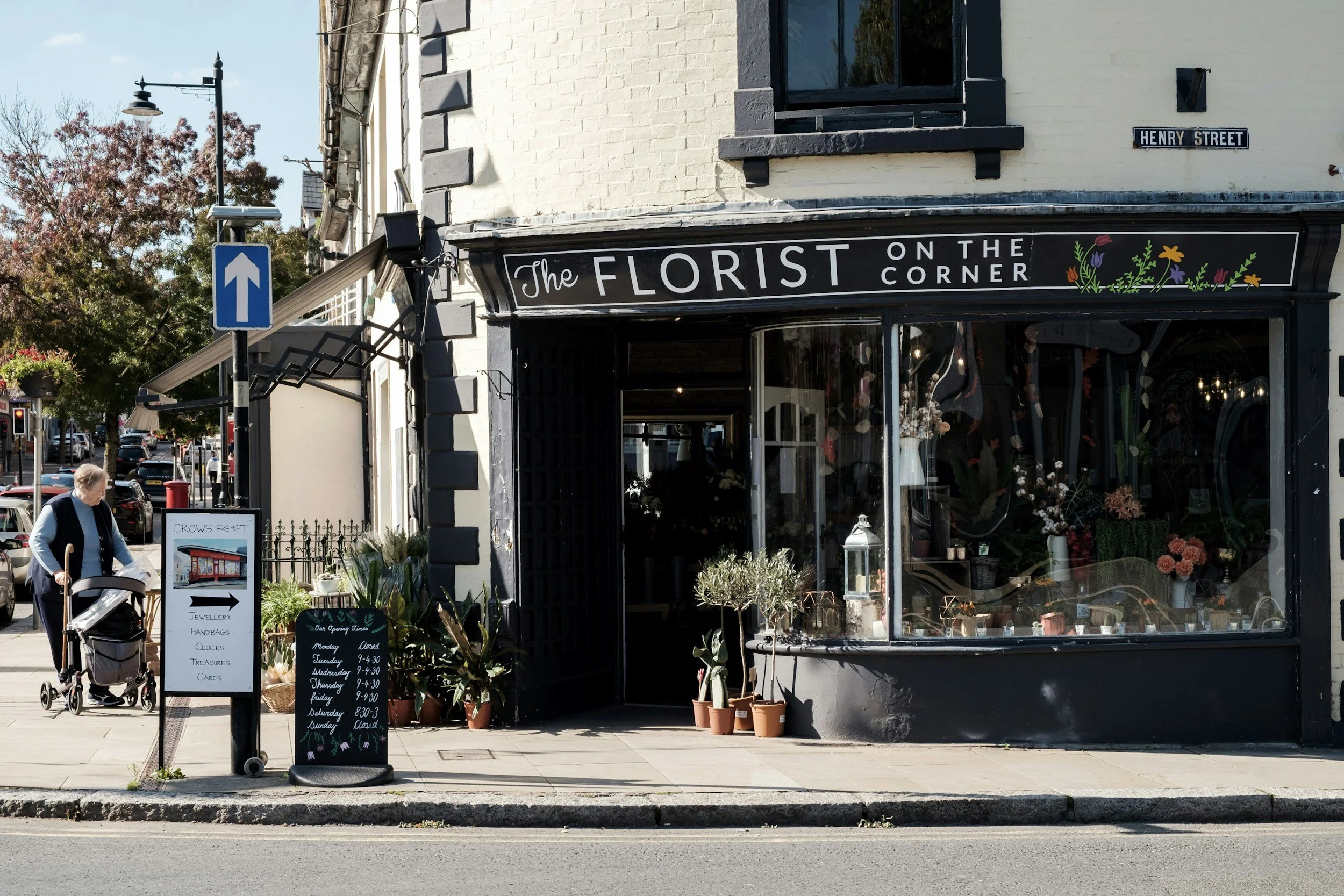
Ordering from a local florist is one of those choices.
It doesn’t eliminate impact entirely, but it often reduces:
transportation miles
refrigeration dependency
packaging waste
spoilage and early discard
reorders caused by poor quality
And it gives you a better product in the process.
A Small Habit with a Meaningful Impact
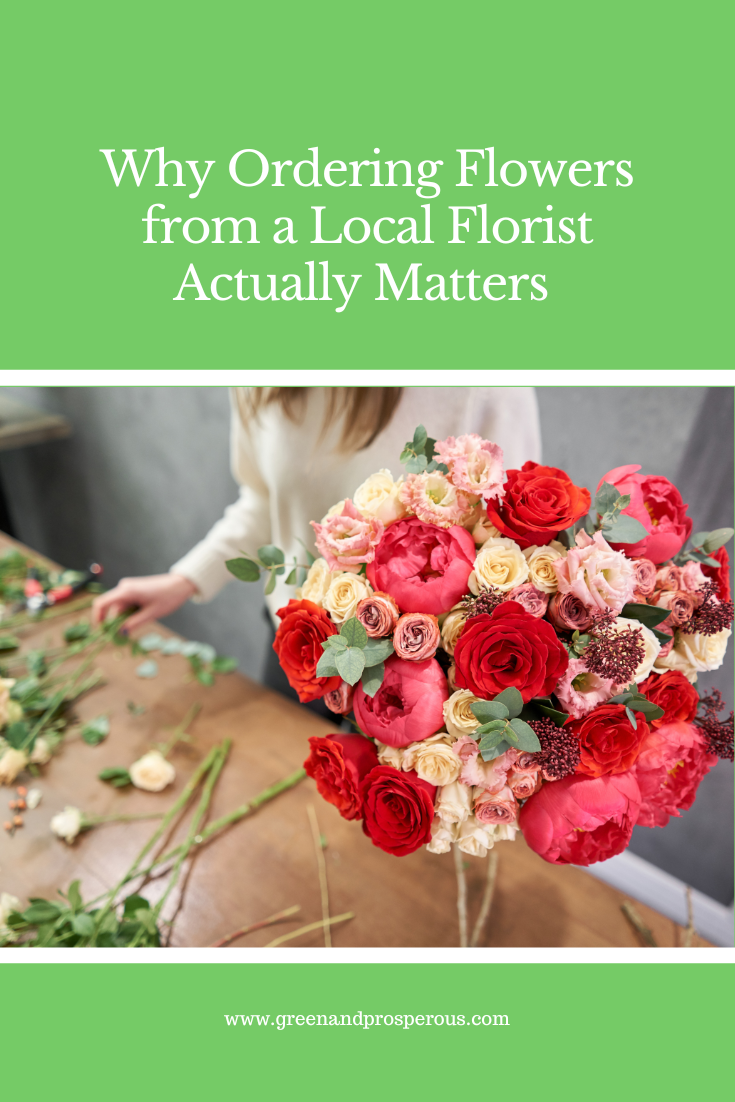
like this? Please pin!
When you zoom out, ordering from a local florist is a small habit that creates meaningful ripple effects over time.
It improves quality.
It reduces waste.
It supports people in your community.
It makes gifts feel more personal and reliable.
Flowers are about meaning. Choosing the more thoughtful system behind them becomes part of that meaning, too.
Sometimes, sustainability isn’t loud or complicated. Sometimes it looks like ordering closer to home and getting something better because of it.
About the Author:
Matiss Katanenko is a writer for Farida Floral, a flower shop in Fairfax, VA that focuses on thoughtful design, premium flowers, and a smooth delivery experience in the metro Washington, D.C. area from start to finish.
You may also be interested in…




Flowers are one of the most universal ways we mark life’s moments. We send them to celebrate, to comfort, to apologize, to say “I’m thinking of you” when words don’t quite fit. Because flowers are so familiar, it’s easy to overlook what happens behind the scenes: where they come from, how they’re handled, and what impact our choices have beyond the bouquet itself.