


The Ultimate Guide to Healthy Living & Well-Being
/Healthy living is not about perfection. It is about consistency, intentional choices, and building habits that support your body, mind, and environment over time.
In a world filled with quick fixes and conflicting advice, this guide brings healthy living back to what actually works: sustainable routines, whole foods, restorative rest, mental clarity, low-tox living, and meaningful connection.
As the adage goes, it is important to take care of your body if you want it to last. The crux of a healthy lifestyle involves regular exercise, proper nutrition, and adequate rest.
Whether you’re just starting your wellness journey or refining long-established habits, this pillar guide will walk you through the foundational components of true well-being.
What Does “Healthy Living” Really Mean?
Healthy living is a multidimensional framework that includes:
Physical health
Mental and emotional well-being
Environmental health
Sustainable lifestyle habits
Preventative self-care
It is not a 30-day reset. It is a system.
True well-being emerges when nutrition, movement, sleep, stress regulation, and environmental exposure all work together.
1. Nutrition: Building a Foundation with Real Food
At the core of healthy living is nourishment that enables you to live a more balanced life that is essentially free of preventable illnesses or diseases.
Evidence consistently shows that diets rich in whole foods reduce risk of chronic disease, support immune function, and improve mental clarity. Eating various nutrient-rich foods is essential to staying healthy. Make sure to include fruits and vegetables, lean proteins, and healthy fats in your diet. According to a European Journal of Clinical Nutrition study, a plant-based diet can reduce your risk for chronic diseases. However, it's no secret that obesity is a rising epidemic. Therefore, it's essential to be mindful of portion control when eating.

Katie Smith @unsplash
Focus on:
Vegetables and fruits (diverse colors)
Whole grains
Legumes
Nuts and seeds
Healthy fats
Clean protein sources
There's also no need to deprive yourself of your favorite treats! Just make sure they are consumed in moderation. However, whenever possible, be sure to monitor your sugar intake and opt for low-sugar options. Regular screenings and lab tests can also help check your sugar levels. Here’s a good rule of thumb:
Minimize:
Ultra-processed foods
Excess refined sugar
Artificial additives
Most of all, this means checking the ingredients on the label of any packaged foods you eat. 4 grams of sugar equals one teaspoon, so be aware: if that ‘healthy’ food or drink you picked up contains 25 grams of sugar or more, that one item will fill your recommended daily intake and should probably be avoided. The best practice is to eat whole foods more than packaged ones. If you grow at least some of your own food, this becomes a bit easier to do on a regular basis.
Why Growing Some of Your Own Food Matters
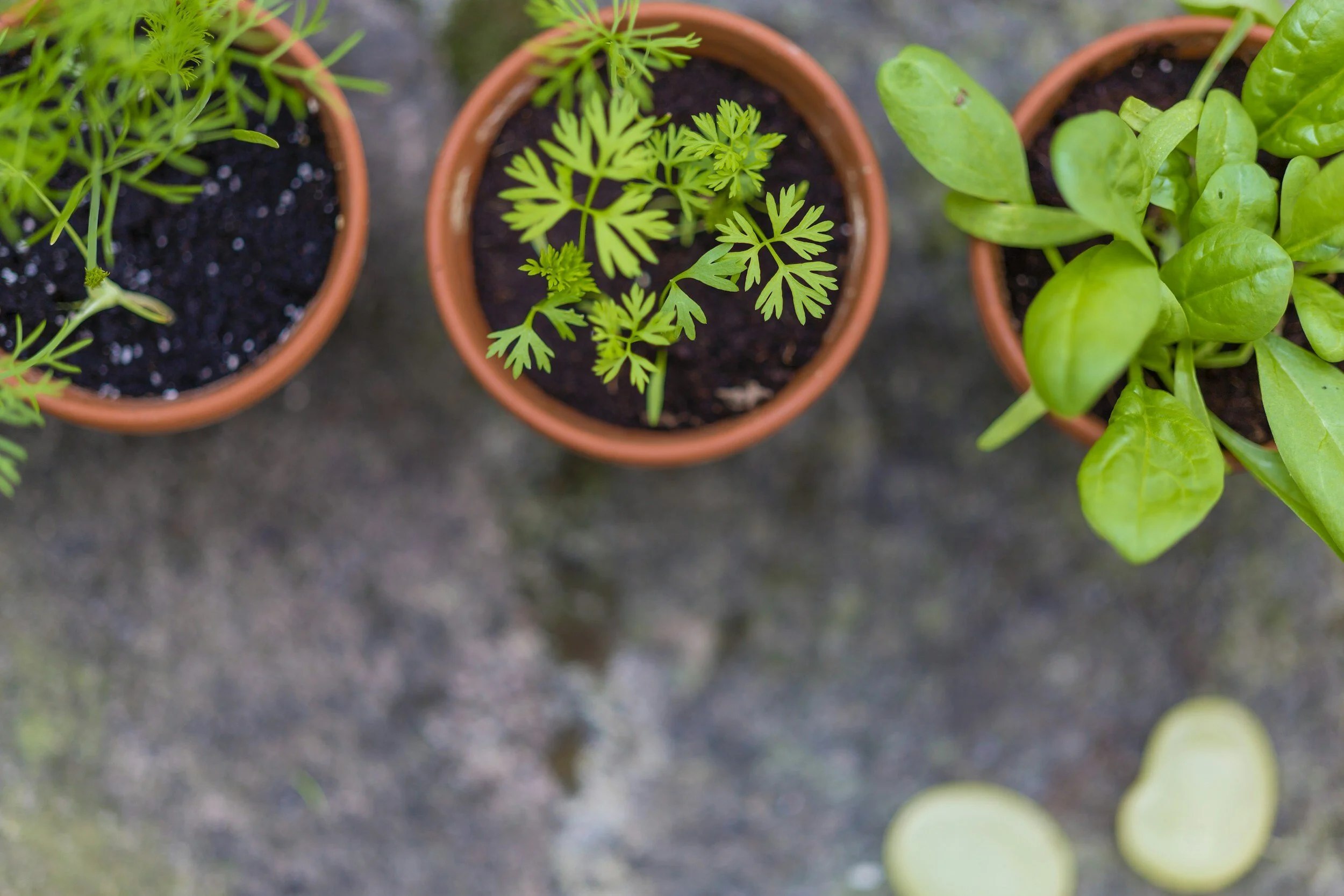
Even small-scale food gardening increases nutrient density, reduces pesticide exposure, and reconnects you with seasonal eating.
If you're new to growing your own food, start with:
Herbs
Leafy greens
Tomatoes
Peppers
These are the easiest things for beginning gardeners to start growing. Even if you’re buying them from a farmer’s market of a local farmer, it’s a step up, nutritionally, from eating packaged foods. Healthy living becomes far more sustainable when food is local, seasonal, and intentional.
2. Movement: Exercise Without Burnout
You do not need extreme workouts to be healthy.
A daily routine should include an adequate amount of physical activity. Exercise helps improve physical and mental health, as well as overall well-being. When done on a regular basis, exercise also helps boost energy levels and reduce stress. Depending on your lifestyle, you can choose an exercise that works best for you; exercises that you can perform at home while going about your daily routine have a better chance of becoming habits if you are the type of person who doesn’t usually exercise regularly or consistently.
Setting realistic goals and finding an exercise you enjoy is more important than doing a high-intensity or extensive workout that burns you out before you can begin to reap its benefits. If you dread a workout you’re less likely to stick with it in the long term.
Research consistently shows that moderate, consistent movement improves cardiovascular health, metabolic function, and mental well-being. Some examples include
Walking outdoors
Gardening
Strength training 2–3x per week
Yoga or mobility work
Cycling
Gardening itself is functional movement. Digging, lifting soil, carrying watering cans, and harvesting all engage major muscle groups while keeping cortisol levels lower than high-intensity gym sessions.
For busy parents or professionals, micro-workouts (10–20 minutes) are effective and realistic.
3. Sleep: The Most Underrated Health Habit
A good night's rest is essential for proper functioning and mental well-being. The National Sleep Foundation recommends adults should get between 7-8 hours of sleep per night to maintain a healthy lifestyle. Sleeping fewer than seven hours per night can lead to increased stress, fatigue, weight gain and poor concentration. Aside from this, lack of sleep can lead to depression and other mental health issues.
Creating a consistent sleep schedule will help you get good quality sleep, wich is just as important as getting adequate hours. Avoiding screens, caffeine, and alcohol just before bedtime also leads to better quality sleep. Then there’s your sleep environment: it should be comfortable and conducive to helping you drift off and stay asleep through the night. Consider investing in blackout curtains and reducing noise levels in the bedroom.They help create a peaceful atmosphere, leading to better sleep quality.
During deep sleep, the body:
Regulates hormones
Repairs tissue
Consolidates memory
Supports immune function
Adults generally require 7–9 hours nightly, although a small perentage of people who are genetically predisposed to shorter sleep cycles can function well on as little as 6 hours a night. Major life changes like pregnancy, menopause, or other hormonal changes that accompany aging can disrupt the body’s ability to sleep soundly through the night, but these can often be managed with supplements or adopting good sleep hygiene practices.
Improve Sleep Quality by:
Reducing evening screen exposure
Maintaining a consistent sleep schedule
Lowering artificial light at night
Avoiding heavy meals before bed
Environmental toxins, stress, and blue light exposure can significantly disrupt sleep architecture.
4. Mental & Emotional Well-Being
Healthy living includes developing psychological resilience to life’s stresses. Occasional stress helps develop resilience, but chronic stress increases inflammation, disrupts digestion, suppresses immune response and can take a major toll on your mental and physical health.

Arek Adeoye @unsplash
Managing stress is an important part of living a healthy lifestyle. Effective, clinically proven stress management strategies include regularly practicing relaxation techniques such as deep breathing or yoga. Exercise and outdoor activities can also help reduce stress levels. In addition, it is important to take time out of your day for self-care. A leisurely bath or regular journaling are just a couple of the kinds of activities that can make you feel more relaxed.
If you are faced with high-stress levels that affect your daily life and are not managed by self-care techniques, seeking help from a mental health professional can make a difference. If you can’t afford to see a therapist, low-cost options like university training clinics or community centersm can provide a more affordable alternative. Cultivating a network of close friends (even a small network) in whom you can confide or lean on for emotional support can also make a world of difference to those suffering from high-stress situations.
Evidence-based stress regulation tools include:
Mindful breathing
Nature exposure
Journaling
Social connection
Digital boundaries
Spending time outdoors, especially in green spaces, has measurable effects on lowering cortisol and improving mood.
Gardening in particular has been linked to reduced anxiety and improved life satisfaction.
5. Environmental Health & Low-Tox Living
Healthy living extends beyond diet and exercise. Your environment matters just as much.
Indoor air quality, cleaning products, plastics, and personal care items all contribute to cumulative toxic load.
Practical Low-Tox Steps:
Ventilate your home daily – even 10 minutes a day makes a difference
Choose fragrance-free cleaning products or products made from plant-based ingredients
Avoid heating food in plastic, even if it says microwave-safe!
Use glass or stainless steel when possible
Reduce or eliminate synthetic pesticide use in home gardens
For pest control, prioritize targeted biological solutions like Bacillus thuringiensis (Bt) or diatomaceous earth instead of broad-spectrum chemical sprays. An organic insecticide made of peppermint castile soap mixed with water and a few drops of vegetable oil can also tackle many garden pests, including aphids.
Healthy living and environmental stewardship are not separate goals. They reinforce each other.
6. Preventative Health & Routine Care
Healthy living is not only about what you do daily, it is also about what you monitor consistently. Preventative care allows you to identify small imbalances before they become larger health concerns. When routine screenings, checkups, and self-awareness practices are integrated into your lifestyle, you shift from reactive health decisions to proactive, informed stewardship of your body.
Key preventative habits include:
Annual checkups
Dental cleanings
Blood pressure monitoring
Regular lab work (as recommended by a physician)
Self-monitoring also matters:
Energy levels
Mood changes
Digestive health
Sleep patterns
Small changes over time prevent larger interventions later.
7. Social Connection & Purpose
Human health is deeply relational. While nutrition and exercise matter, research repeatedly shows that meaningful social connection and a sense of purpose are powerful predictors of longevity and overall life satisfaction. Healthy living includes investing in relationships, contributing to something larger than yourself, and cultivating community in ways that strengthen emotional resilience.
Community, shared meals, collaborative projects, and even neighborhood gardening strengthen emotional resilience. This is because for most people, a purpose-driven living improves life satisfaction and psychological health.
8. Building Healthy Habits That Actually Stick
Sustainable well-being is built through systems, not bursts of motivation. Many health goals fail because they rely on willpower alone rather than practical habit design. When you focus on small, repeatable actions that fit into your existing routines, healthy living becomes less about discipline and more about identity and consistency.
Instead:
Anchor new habits to existing routines
Start small
Track progress
Remove friction
Focus on identity, not just outcomes
For example, instead of “I want to eat healthier,” shift to “I’ll prepare 3 simple whole-food meals at home each week.”
Instead of “I should exercise,” shift to “I can move my body daily by doing 10 bicep curls with small weights after breakfast.”
A Sustainable Healthy Living Framework
Healthy living should feel stabilizing, not exhausting.
It works best when it is structured but flexible. Instead of chasing trends or attempting total lifestyle overhauls, a sustainable framework provides clear priorities while allowing room for real life. When nutrition, movement, sleep, environmental awareness, and emotional well-being are treated as interconnected systems rather than isolated goals, progress becomes steady and maintainable.
Here is a simple weekly checklist:
Eat whole foods 80% of the time
Move daily
Sleep 7–9 hours
Spend time outside
Limit toxin exposure
Connect with others
Reflect and reset weekly
Perfection is unnecessary. Consistency matters.
How Healthy Living Connects to Sustainable Living
When we care for our bodies and our environment simultaneously, the impact compounds.
Personal well-being and environmental stewardship are not separate pursuits. The food you choose, the products you bring into your home, the way you manage waste, and even how you grow your garden all influence both your health and the planet’s. A lifestyle rooted in sustainability reduces chemical exposure, supports ecological balance, and reinforces long-term physical vitality.
Growing food, reducing chemical exposure, choosing sustainable products, and supporting green businesses all reinforce personal well-being.
Start Where You Are
Lasting change rarely begins with dramatic action. It begins with one realistic adjustment made consistently. Whether that means improving one meal per day, establishing a bedtime routine, planting herbs on a balcony, or reducing synthetic cleaners, forward momentum builds from manageable steps. Healthy living becomes sustainable when it feels achievable.
K F @unsplash
To be clear: you do not need to overhaul your entire lifestyle today. Choose one area:
Improve breakfast quality
Take a 20-minute daily walk
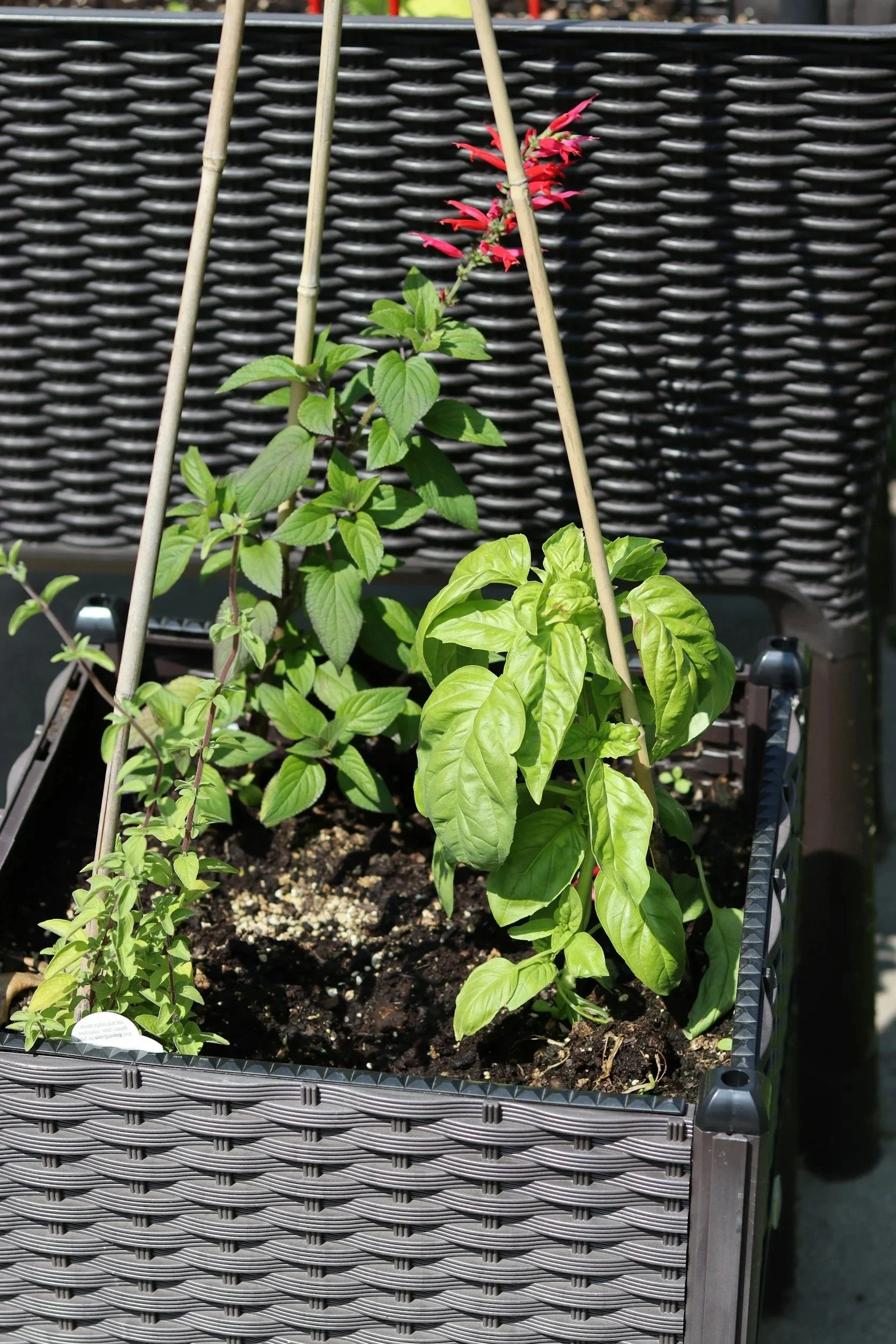
Plant herbs in containers
Reduce synthetic cleaners
Establish a consistent bedtime
Small steps can make the biggest impact when they are used to develop sustainable systems.
An Evolving Practice
Healthy living is not a destination. It is a dynamic, evolving practice shaped by season, circumstance, and life stage.
There will be periods when routines feel strong and aligned, and others when responsibilities, stress, or unexpected events disrupt your rhythm. What matters is not rigid adherence to perfection, but a commitment to returning to foundational habits that support your energy, clarity, and resilience.
When you prioritize whole foods, consistent movement, restorative sleep, preventative care, meaningful relationships, and a lower-tox home environment, you create stability in an otherwise unpredictable world. When you add sustainable practices such as growing food, reducing chemical exposure, and making environmentally conscious choices, the benefits multiply across generations.
like this? please pin!
Healthy living is not about doing everything at once. It is about building a system that supports you over decades.
Choose one change. Implement it consistently. Then build from there.
Over time, those steady decisions become a lifestyle that feels grounded, intentional, and genuinely life-giving.
You may also be interested in…




In recent years, the conversation around wellness has heavily focused on the gut microbiome. Health enthusiasts are increasingly aware that a thriving digestive system is the cornerstone of overall vitality, influencing everything from immune response to mental clarity. To support this complex internal ecosystem, experts widely recommend a whole food diet rich in organic vegetables, fresh fruits, and unprocessed grains. However, many people overlook a fundamental anatomical truth about human biology. Digestion does not actually begin in the stomach. The very first step of the digestive process happens in your mouth.