



What Actually Helps Chronic Back Pain in Everyday Life
/Disclaimer: This article is intended for general educational purposes and is not medical advice. Pain that is sudden, severe, progressive, or accompanied by symptoms like numbness, weakness, loss of bladder or bowel control, fever, or unexplained weight loss should be evaluated promptly by a healthcare professional. For personalized care, always consult a qualified provider.
As a graduate student more than 25 years ago, I had a professor who ended up canceling many classes one semester because of debilitating back pain. I sympathized with her disability at the time, but couldn’t really understand it. Decades later I would face my own chronic, and sometimes debilitating, back pain as the result of an automobile accident in which I was rear-ended while waiting at a red light. This led to years of back pain that was eventually relieved by a combination of chiropractic care, yoga and stretching, and strengthening my core so that it could support my lower back muscles better. Taking steps to reduce inflammation in my body also helped, since chronic inflammation and long-term pain are linked. If you’ve ever had persistent lower back pain that made it difficult to go through your day-to-day routine, you already know that chronic back pain is not just an occasional inconvenience, it’s something that reshapes how you move, work, and live.
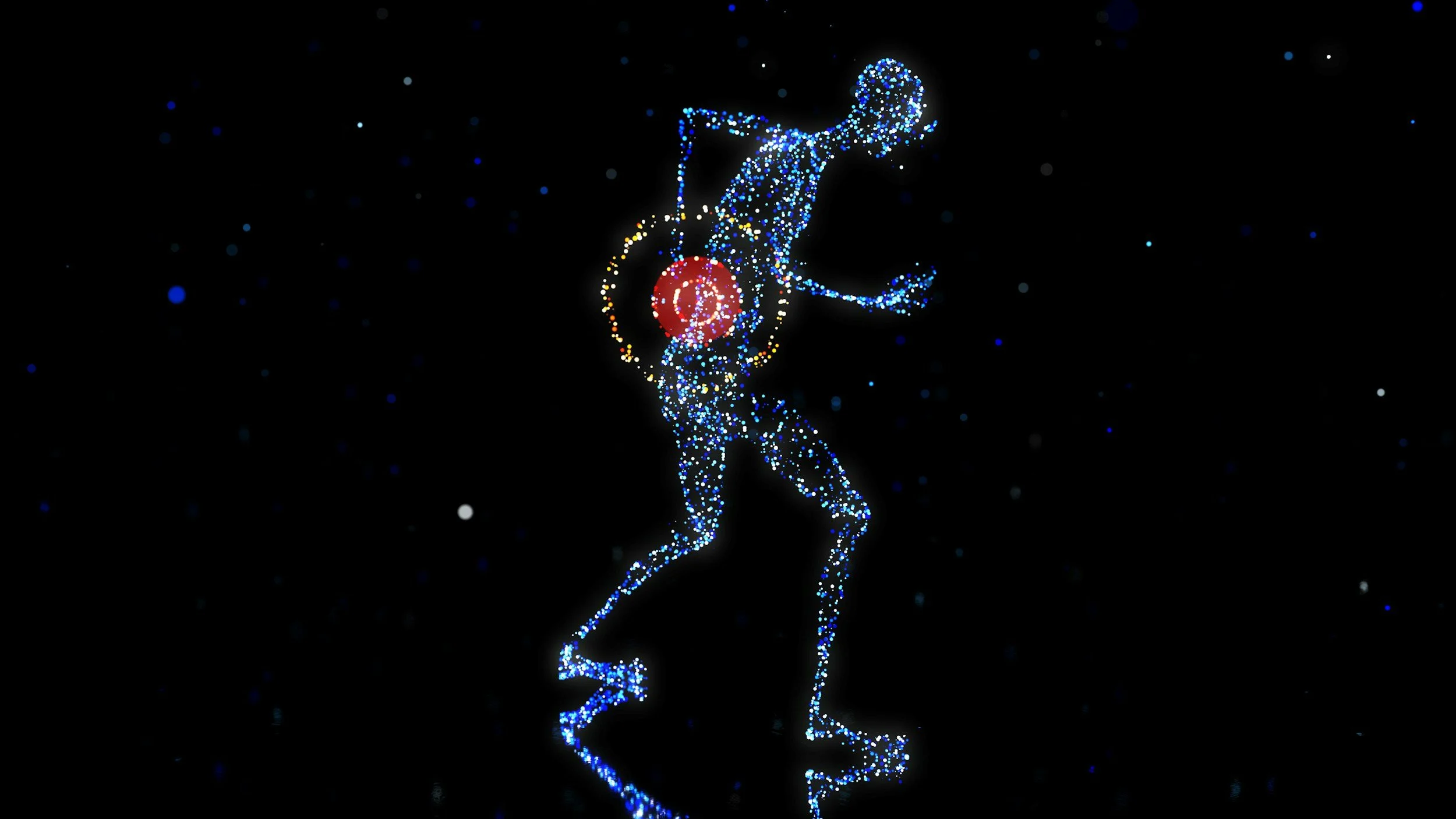
julien Tromeur @unsplash
Chronic back pain, defined as pain that persists more than three months, is one of the most common musculoskeletal complaints worldwide. An estimated 619 million people live with low back pain, and it remains the leading cause of disability globally.
For many people, back pain is not something that comes and goes like an occasional ache. It becomes part of daily life, influencing how you sit, walk, sleep, and even think about movement. Pharmaceuticals and injections certainly have a role in some cases, but research consistently emphasizes that movement, self-care, and lifestyle support are the backbone of long-term management for most non-specific chronic back pain, which refers to pain that is not linked to any serious underlying disease.
Read on for some evidence-aligned, everyday strategies that will help reduce pain and improve function for a healthier back and less pain.
Gentle Movement: Consistency Over Intensity
Numerous clinical guidelines worldwide recommend exercise therapy and regular physical activity as first-line treatments for chronic low back pain, particularly when there’s no specific pathological cause.
A 2021 review found that exercise probably reduces pain and improves function more than no treatment or usual care in people with chronic back pain, even if the measurable effect is moderate.
Walking is one of the most accessible ways to add movement consistently. Large observational studies suggest that walking more, even in short increments throughout the day, is associated with a lower likelihood of chronic back pain and benefits overall mobility and circulation. Whenever my back is feeling achy from sitting at the computer too long, or after a long commute, a 15-minute walk on my portable treadmill is usually enough to ease the pain.
Rather than pushing for high-intensity workouts, aim for frequent, comfortable movement: short walks, gentle mobility sequences, or simple home stretches. These approaches help activate muscles that support the spine without overtaxing them — and regular activation matters more than strenuous exertion done sporadically.
Breaking movement into manageable chunks such as 5–10 minutes several times a day also helps it become a sustainable part of your daily routine.
Posture and Environment: Small Adjustments, Noticeable Changes
Modern life, with long hours at desks or on screens, often encourages postures that place continuous strain on the lower back. According to the National Spine Health Foundation, jobs involving prolonged sitting or poor mechanics can increase the risk of back pain.
You don’t need a fancy ergonomic office setup to make a difference. A few thoughtful changes can reduce muscular tension and support healthier alignment:
Adjust sitting support: Use a cushion or rolled towel for gentle lumbar support when sitting.
Mind screen height: Keep screens at eye level to avoid leaning forward.
Shift often: Avoid staying in one position longer than 30–40 minutes without a short break to stand or stretch.
Over time, these small environment and posture tweaks help reduce cumulative strain, the kind of load your body silently adjusts to until, months later, your back starts to complain.
Stress, the Nervous System, and Pain Perception
Pain isn’t just a physical sensation. Chronic pain becomes embedded in the nervous system, influencing how the brain interprets signals from muscles and tissues, and how you respond to stress or daily tasks. Researchers at leading institutions note that chronic pain can alter neural pathways and how pain is experienced; this process is sometimes referred to as “central sensitization.”
This is why holistic strategies that address stress and body awareness matter so much. Practices that calm the nervous system, like mindful breathing, yoga, or mindfulness-based stress reduction, have documented benefits in helping people live better with chronic pain.
Even simple, accessible habits like mindful walking in nature, slow deep breathing, or brief pauses to stretch and reset can reduce tension and help break patterns of stress-induced muscle tightening.
If you’re afraid that moving will worsen your pain, note that fear of movement (kinesiophobia ¾ feeling anxiety about experiencing pain during activity) can itself prolong disability. Moving gently within comfort limits and celebrating incremental progress supports both confidence and function.
Heat, Cold, and Simple Body Care Tools
Temperature therapy is a simple way to support tissue comfort:
Heat can relax tense muscles and improve circulation,
Cold can reduce localized inflammation after activity.
These tools are not cures, but they can support mobility when used early and regularly. Complimentary practices like gentle self-massage or slow mobility drills help maintain flexibility and reduce stiffness without aggressive treatment.
Listening to Your Body: Pacing Is a Skill
One of the challenges of chronic back pain is the boom-and-bust cycle: a good day feels like progress, so you overdo it, leading to flare-ups that set you back. Sustainable management embraces pacing, which is intentionally balancing activity and rest so you’re less likely to exhaust your reserves and trigger pain spikes.
This isn’t inactivity. It’s intentional, responsive movement that honors your current capacity and adapts over time.
When to Seek Additional Support
While many people benefit from lifestyle-centered care, there are times when targeted professional support can be invaluable. Physical therapy, non-invasive chiropractic care, or multidisciplinary rehabilitation can help tailor movement plans, address muscular imbalance, and provide education that complements your self-care routines.
Your experience of back pain is shaped by physical, psychological, and lifestyle factors all at once, which is why comprehensive approaches often work best, rather than relying on dosing painkillers alone.
You might also find connection and strategy support in approaches that emphasize chronic pain self-management as part of overall care philosophy.
like this? please pin!
Everyday Support for Back Health That Sticks
Chronic back pain doesn’t always go away completely, but it can become far less dominating when you adopt habits that build strength, reduce strain, and honor your nervous system’s cues. The goal is sustainable support: movement you enjoy, environments that encourage good posture, and stress-aware practices that calm the body over time.
Start with one small adjustment, like a short daily walk, a posture reset at your desk, or a few mindful breaths, and notice how your body responds over weeks, not just minutes. Build healthy habits that will stick because you’ve incorporated them into your daily routine.
If you found these practical tips helpful, you’ll love The Green Living Weekly — a research-grounded newsletter that brings sustainable healthy living into your inbox each week. Get mindful movement ideas, science-backed wellness insights, and simple lifestyle habits to feel better naturally. Subscribe today and take one more supportive step toward a healthier life.
You may also be interested in…





If you’ve ever had persistent lower back pain that made it difficult to go through your day-to-day routine, you already know that chronic back pain is not just an occasional inconvenience, it’s something that reshapes how you move, work, and live.
Read on for some evidence-aligned, everyday strategies that will help reduce pain and improve function for a healthier back and less pain.