


How to Set Garden Goals You’ll Stick With (Even When Life Gets Busy)
/Every growing season seems to begin the same way: fresh seed catalogs, ambitious plans, and the quiet hope that this will be the year everything finally comes together.
And then real life happens.
Weeks get busy, weather refuses to cooperate, pests appear out of nowhere, and suddenly those carefully planned garden goals start to feel like another unfinished to-do list. When that happens, many gardeners assume they “failed,” when the real problem is that the goals were never designed to fit real life in the first place.
This bears repeating: most garden goals fail not because gardeners lack motivation, but because the goals themselves are unrealistic, overly ambitious, or disconnected from daily life.
Setting garden goals you’ll actually stick with requires a different approach: fewer goals, clearer priorities, and systems that fit your time, space, and energy. When goals are designed to support real life rather than ideal conditions, gardening becomes more consistent, less stressful, and more rewarding.
Garden goals are more likely to stick when they are specific, limited in number, aligned with real-life constraints, and supported by simple routines. Instead of aiming for perfect outcomes, effective garden planning focuses on consistency, flexibility, and goals that fit your time, space, and energy. This guide walks you through how to set realistic garden goals that work with your schedule, not against it.
Why Most Garden Goals Fail
Garden goals often fail for three reasons:
George 🦅@unsplash
They try to do too much at once
They ignore time, energy, or space limitations
They rely on motivation instead of systems
Recognizing these patterns helps shift goal-setting away from guilt and toward sustainability.
Start With Your “Why,” Not a To-Do List
It is tempting to start garden planning with a list of tasks: what to plant, how many beds to build, which techniques to try. But goals rooted only in tasks tend to collapse as soon as something goes wrong.
Instead, begin by asking why you want to garden this season.
Your reason might be practical, like reducing grocery bills or having better access to fresh produce. It might be emotional, like stress relief, spending more time outdoors, or reconnecting with seasonal rhythms. For many people, it is a mix of both.
This “why” becomes an anchor. When time is limited or motivation dips, it helps you decide what actually matters. A goal like “grow all our vegetables this year” sounds impressive, but it rarely survives a busy summer. A goal like “harvest fresh greens a few nights a week in spring” is specific, realistic, and connected to daily life.
When your goals serve a clear purpose, they stop feeling like obligations and start feeling supportive.
Choose Fewer Goals and Make Them Specific
One of the fastest ways to burn out is trying to do everything at once. New gardeners often fall into the trap of growing too many crops, expanding too quickly, or experimenting with multiple new systems in a single season.
Instead, limit yourself to one to three primary garden goals.
Fewer goals allow you to give each one the attention it deserves. They also make it easier to adapt when something does not go as planned.
Matt Montgomery @unsplash
Strong goals are specific enough to guide decisions. For example:
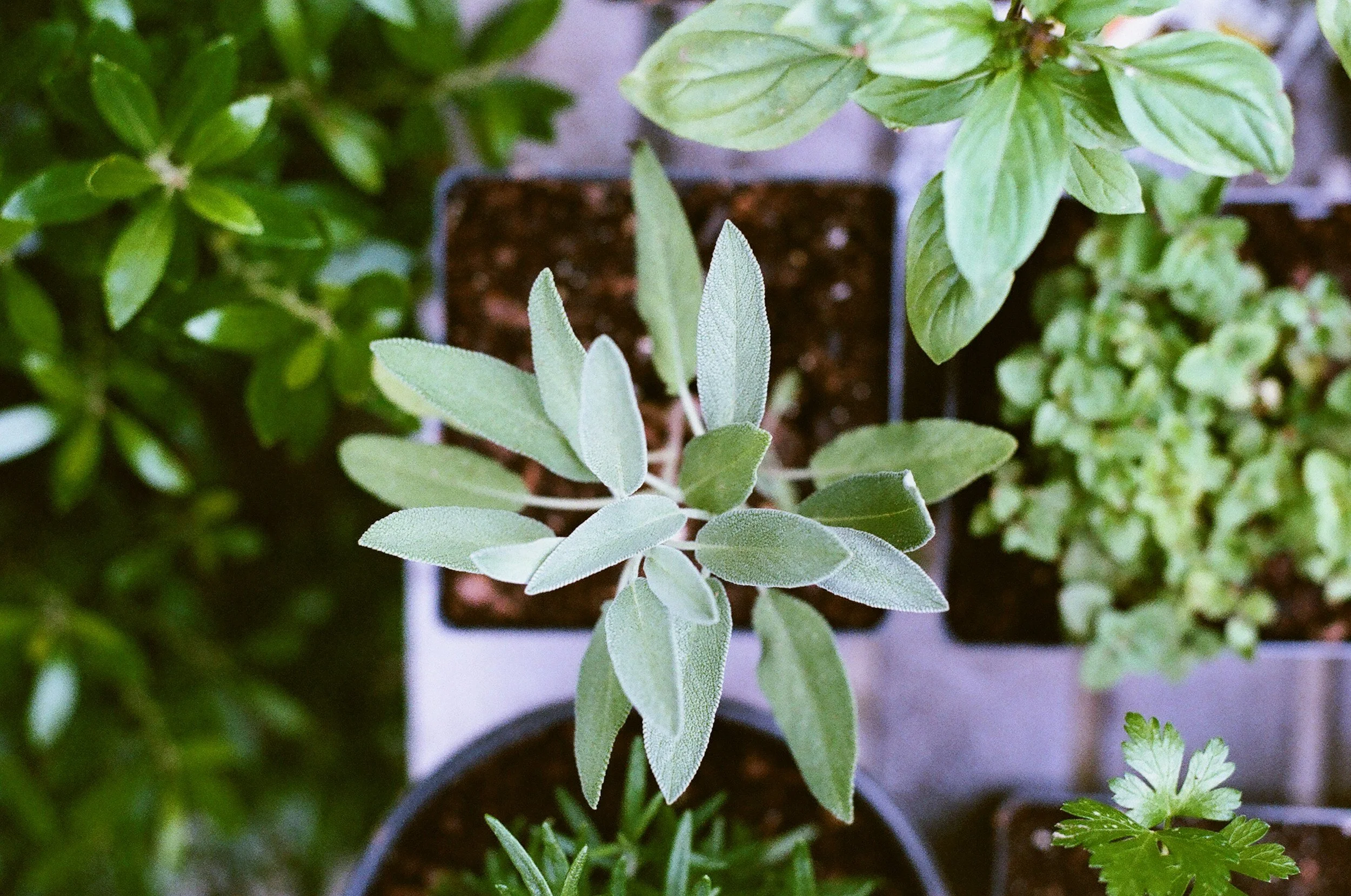
“Grow herbs I actually cook with”
“Maintain one productive raised bed instead of three struggling ones”
“Learn how to succession plant one crop well”
Specific goals help you avoid impulse planting and overcommitting. They also make success easier to recognize, which matters more than most people realize.
Match Your Goals to Your Real-Life Constraints
This is the step many gardeners skip, and it is often the reason goals fall apart.
Before finalizing your plans, take an honest look at your real-life constraints. How much time can you realistically devote to gardening each week? How much physical energy do you have? What kind of space are you working with? What does your budget allow?
Constraints are not failures. They are design tools.
Limited time might mean choosing low-maintenance crops or growing fewer varieties. Small spaces often do better with containers, vertical growing, or compact plants rather than sprawling vines. Busy seasons of life may call for transplants instead of seeds or a shorter list of crops.
When your goals respect your limits, gardening becomes more resilient. You are less likely to quit when something unexpected happens, because the system was never fragile to begin with.
Turn Goals into Simple Systems
Goals tell you what you want. Systems determine whether you actually get there.
A system is a small, repeatable action that supports your goal without requiring constant decision-making. Good systems reduce mental load and make consistency easier.
For example, if your goal is to keep plants healthy, your system might be a weekly garden check on the same day each week. If your goal is to eat more homegrown food, your system might be planting crops with staggered harvest times rather than everything at once.
The best systems fit naturally into routines you already have. Attaching garden tasks to something you already do, like checking the weather or planning meals, makes follow-through more likely.
Gardening success is rarely about intensity. It is about creating habits that are easy to maintain even during busy or stressful weeks.
Plan for Flexibility and Expect Setbacks
Every garden season includes disruptions. Weather extremes, pests, illness, travel, or simple exhaustion are part of the process, not signs that you are doing something wrong.
One helpful approach is to define a “minimum viable success” for each goal. Ask yourself what success looks like on a hard week. Maybe it is watering once instead of twice, harvesting one meal instead of several, or simply observing what is happening in the garden.
Flexibility keeps small setbacks from turning into full abandonment. Adjusting a goal mid-season is not quitting. It is responding intelligently to conditions.
Gardening teaches patience because it requires working with living systems. Learning to adapt, rather than forcing outcomes, is one of the most valuable skills you can develop.

Ashlyn Ciara @unsplash
Track Progress in a Way That Feels Supportive
Tracking progress does not need to be complicated. It also does not need to feel like accountability pressure.
A simple garden journal, a notes app, or a monthly check-in can help you notice patterns and small wins you might otherwise overlook. What grew well? What surprised you? What would you do differently next time?
The purpose of tracking is learning, not judgment. Over time, these observations help you set better goals because they are based on your actual experience, not idealized expectations.
Reflection is one of the most underrated gardening tools, especially for people trying to build sustainable habits.
like this? please pin!
Sustainable Goals Lead to Sustainable Gardens
Garden goals should support your life, not compete with it. When goals are rooted in your values, shaped by your constraints, and supported by simple systems, they become far more durable.
You do not need a perfect plan or a flawless season. You need goals that leave room for growth, change, and learning.
Start small. Adjust often. Pay attention to what works for you. Over time, those choices add up to a garden that feels manageable, productive, and genuinely rewarding.
You may also be interested in…


Summer is when a vegetable garden really begins to reveal the results of all the planning, planting, and care that went into spring planting. Tomatoes and eggplants begin ripening, cucumbers swell on their trellises, peppers fill out, and herbs seem to grow faster than you can harvest them. Yet this is also the point in the season when many gardens begin to lose momentum. Heat stress, inconsistent watering, nutrient deficiencies, weeds, and pests can quickly reduce yields if they are not addressed.