


Seed Shopping Smarts: How to Choose Seeds You’ll Actually Grow
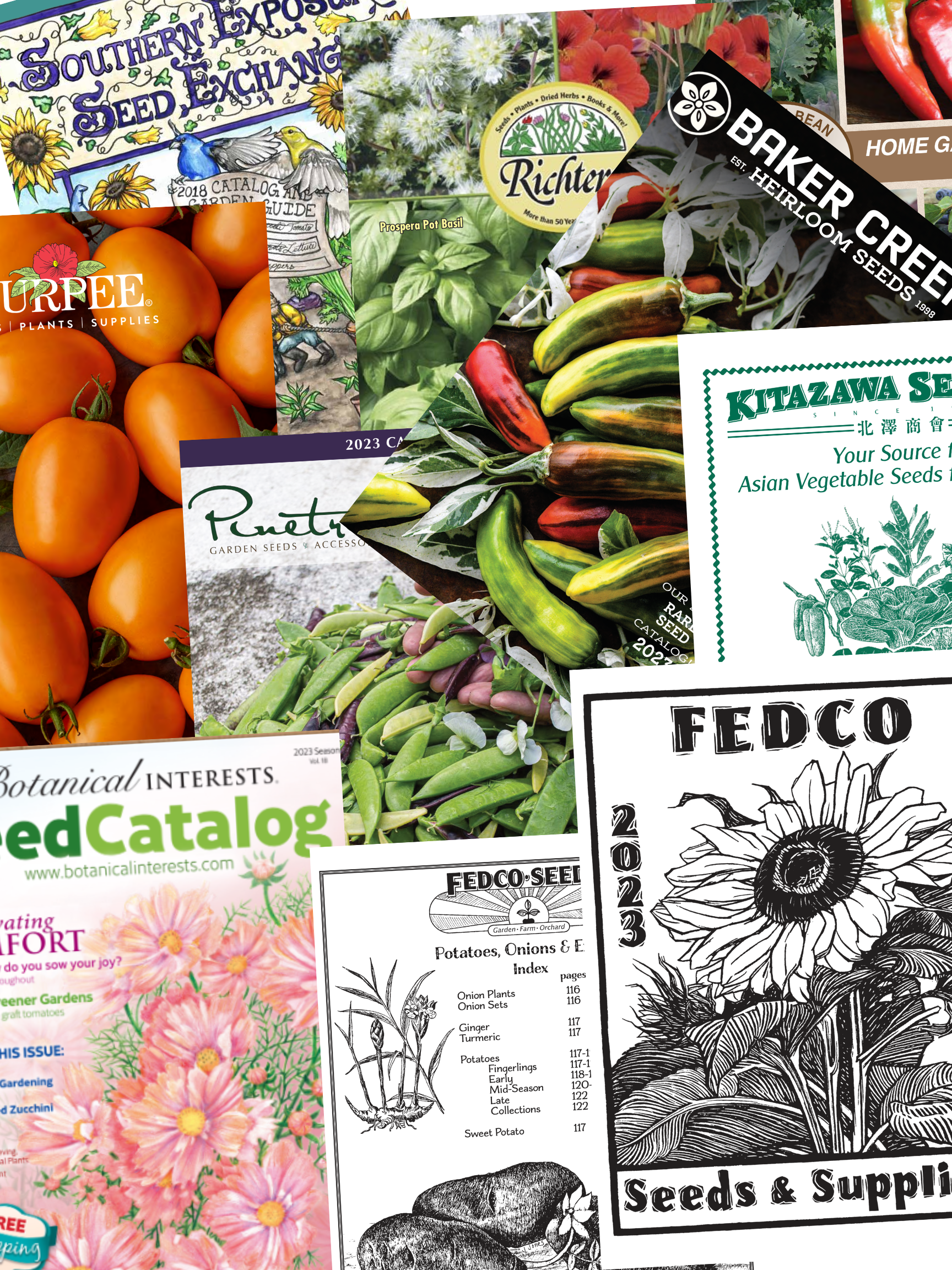
/Although I generally hate winter, there is one thing I always look forward to this season: receiving seed catalogs in the mail. Many of my weekend mornings from December through February are spent browsing through catalogs with a cup of coffee or tea, jotting down notes for spring gardening in my garden journal, and marking pages in the catalogs to remember what seeds I plan to buy and sow come spring.
Seed catalogs have a special kind of magic. Whether they arrive in your mailbox on a cold winter afternoon or pop up in your inbox with glossy photos and bold promises, they make everything look possible. Lush tomatoes. Perfect lettuces. Quick-growing greens. Flowers for planting alongside crops to draw in pollinators. Rare heirlooms you’ve never heard of but suddenly need.
I just love new seed catalogs. Opting for paper catalogs is not the most eco-friendly option, but there’s something grounding about flipping through the pages, circling possibilities, and dreaming a little. When I first started growing most of my edible plants from seed, though, that dreaming turned into overbuying. Everything looked so good, and I convinced myself I could grow it all.
The reality check came later.
Some seeds weren’t right for my space. Others needed far more coaxing than I expected, like very specific temperatures or soil(less) mixes. And a few? They simply never germinated, no matter what I tried (looking at you, Tom Thumb lettuce). That’s when I learned an important lesson: smart seed shopping has far less to do with what’s beautiful in the catalog and much more to do with what actually fits your garden.
Tan Tony @unsplash
Start With Your Reality, Not the Catalog Fantasy
Before you add anything to your cart, take a moment to ground yourself in your actual growing conditions.
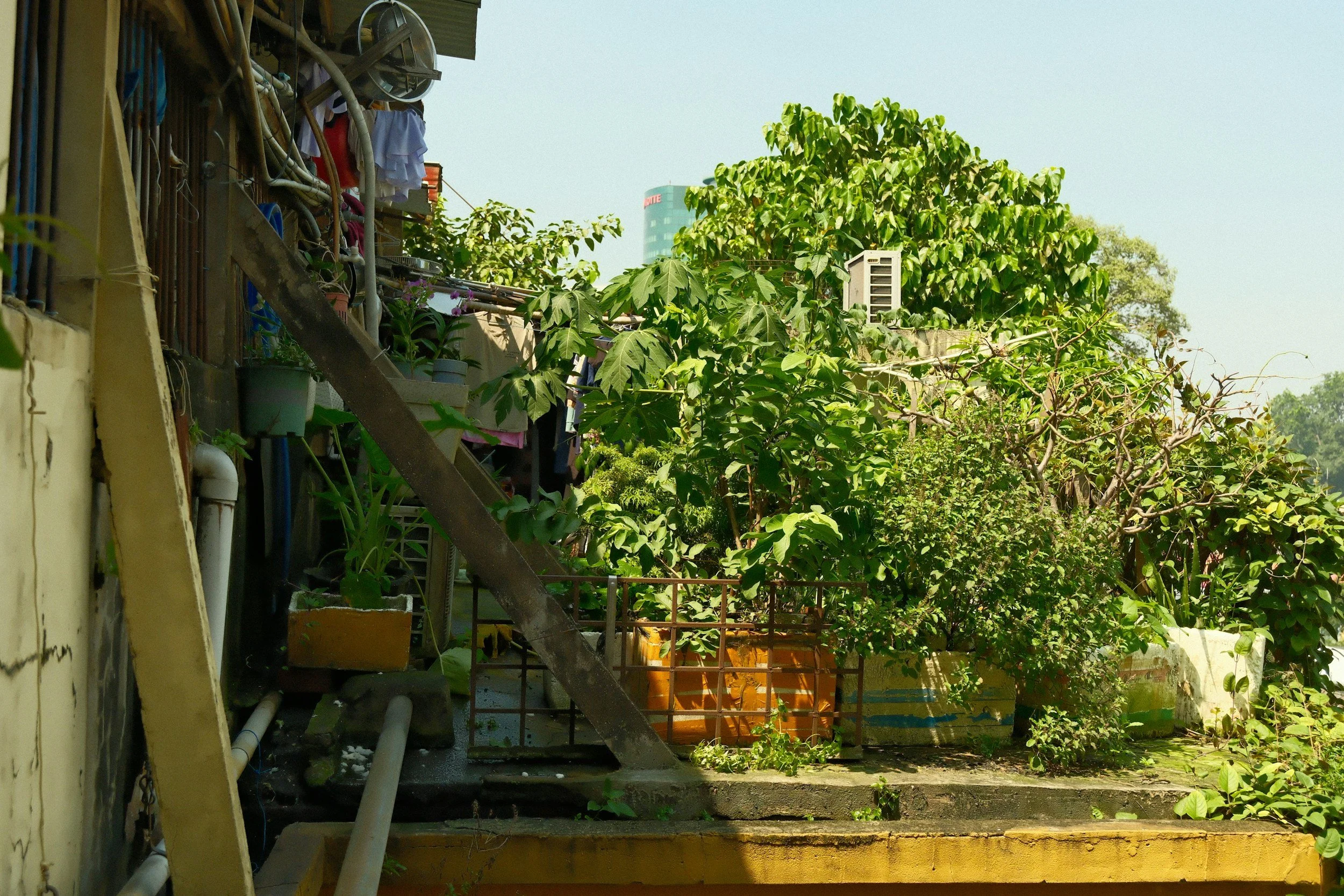
How much space do you really have? A few raised beds, a handful of containers, a balcony, or a sunny windowsill all support very different kinds of plants. The same goes for sunlight. Six to eight hours of full sun opens many doors, but four hours of mixed light tells a different story.
Time matters too. Some seasons are calm and spacious. Others are busy, unpredictable, or simply exhausting. There’s nothing wrong with choosing seeds that thrive with minimal intervention during a demanding year. Gardening should support your life, not compete with it.
Match Seeds to Your Climate and Growing Conditions
One of the most common reasons seeds fail isn’t poor care, it’s a mismatch between the plant and the climate. Long-season crops struggle in short growing windows. Cool-season greens bolt quickly in early heat. Some plants need consistent warmth that never quite arrives outdoors.
This isn’t a reflection of your skill. It’s biology.
When you choose seeds that align with your climate and season length, you dramatically increase your chances of success. The plants do more of the work for you, and that’s always a win.
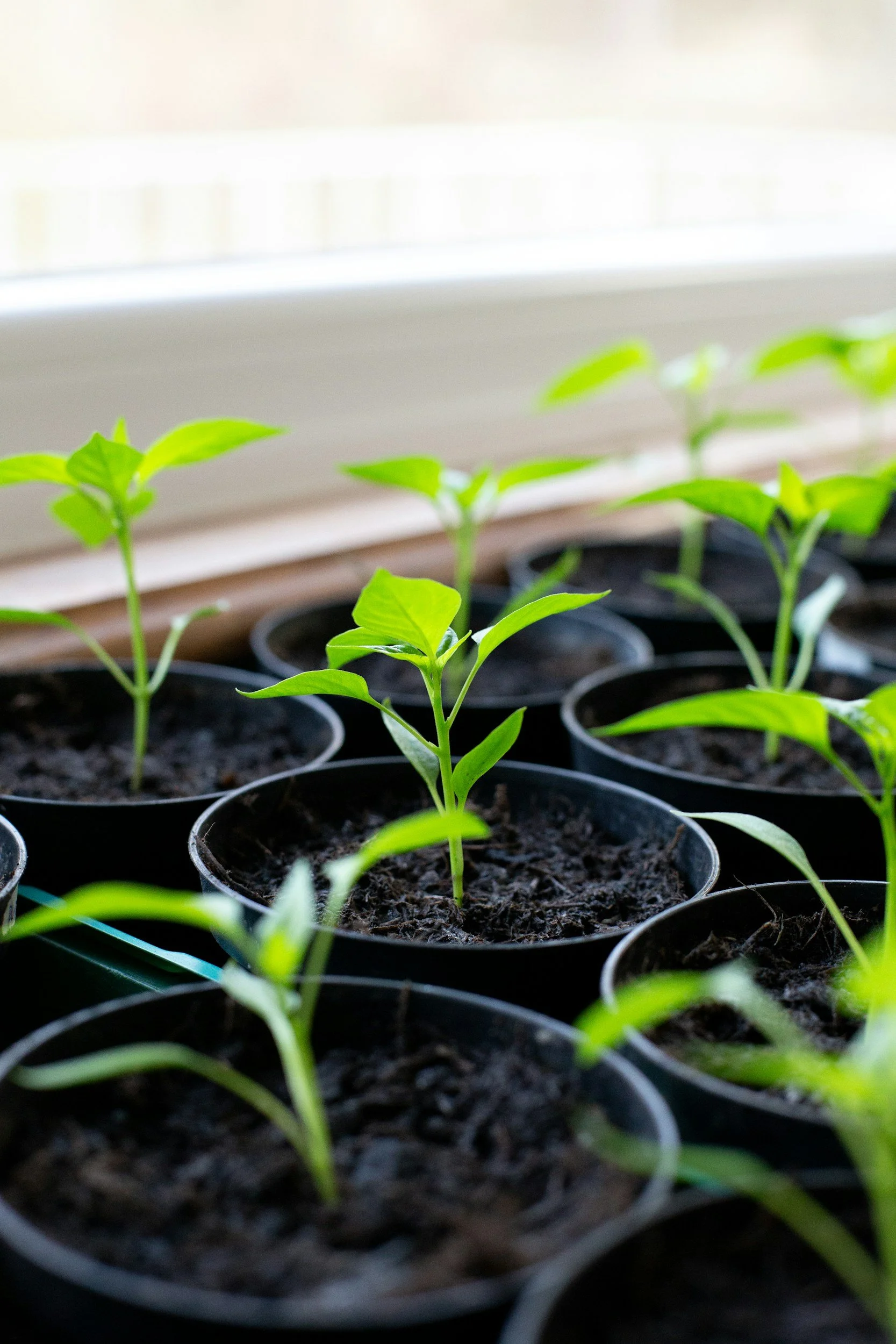
Adrian Swancar @unsplash
Know Which Seeds Require Extra Effort
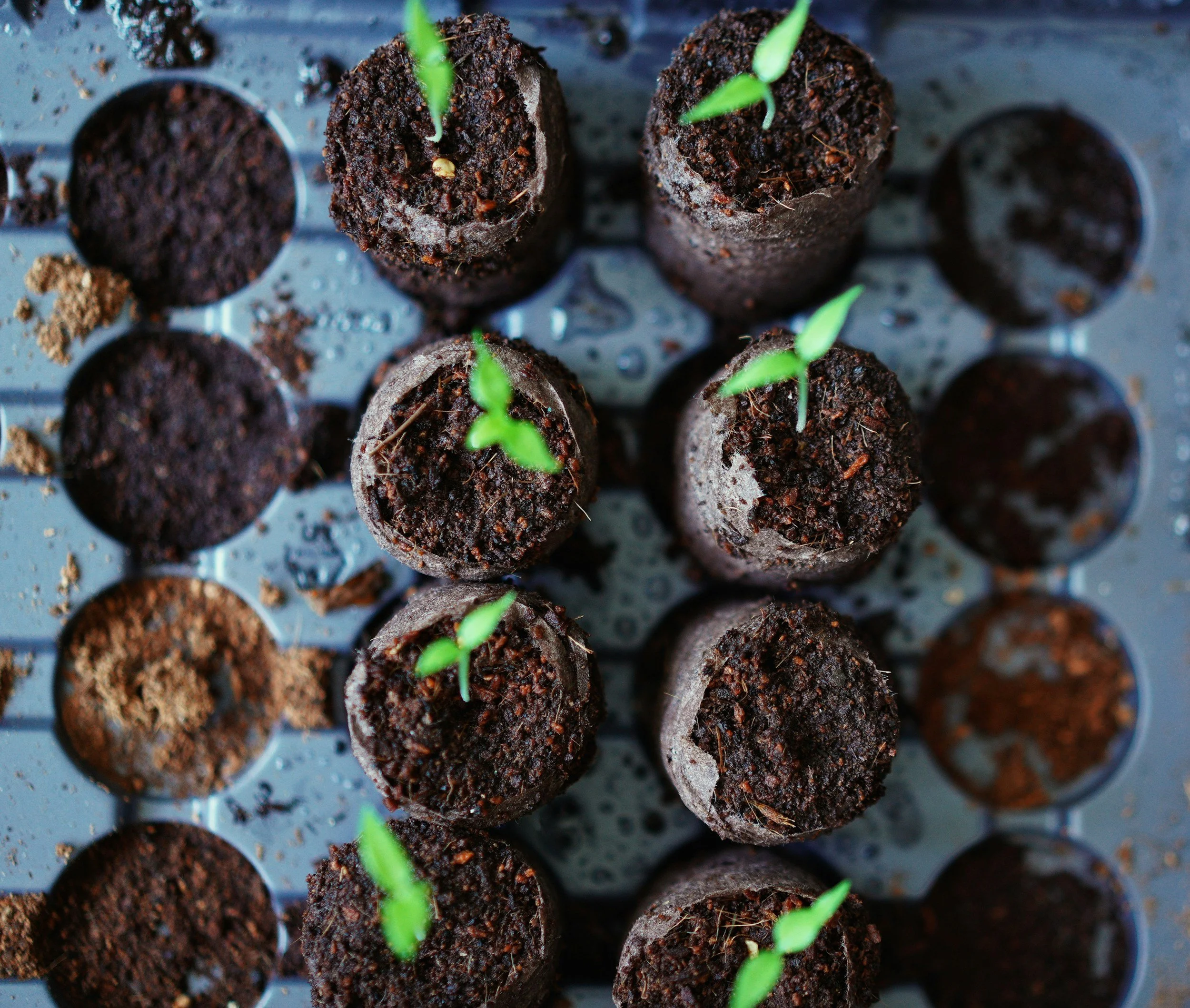
Not all seeds are created equal. Some germinate easily and reliably. Others demand patience, precision, and very specific conditions. Cold stratification is a common surprise for newer gardeners, especially with perennial herbs and certain flowers. Long germination times can also test your confidence, especially when trays sit empty for weeks as you try to will them into emerging from their pods.
There’s nothing wrong with growing challenging plants, but it helps to recognize them before you buy. If this season calls for simplicity, skipping the most finicky seeds can free up time and mental space for plants that reward you more quickly.
Pay Attention to Your Past Successes (and Failures)
One of the most overlooked tools for smart seed shopping is your own gardening history. Before buying something new, it helps to look back at what has actually grown well for you in the past, and what quietly struggled or never made it past the seedling stage. If you don’t have a gardening journal, don’t worry; this is where even simple notes, photos, or rough memories can be incredibly valuable.
If you do keep a gardening journal, seed log, or even a few notes tucked into a planner, revisit them before ordering seeds. Which crops thrived with minimal effort? Which ones demanded constant attention or failed despite your best intentions? Patterns often emerge over time. You may notice that leafy greens consistently perform better than fruiting crops, or that certain herbs bolt quickly in your garden’s microclimate.
Using these observations to guide your seed choices doesn’t mean repeating the same garden every year. Instead, it gives you a reliable foundation. Building on proven successes allows you to experiment thoughtfully, adding one or two new varieties without setting yourself up for frustration or wasted seed packets.
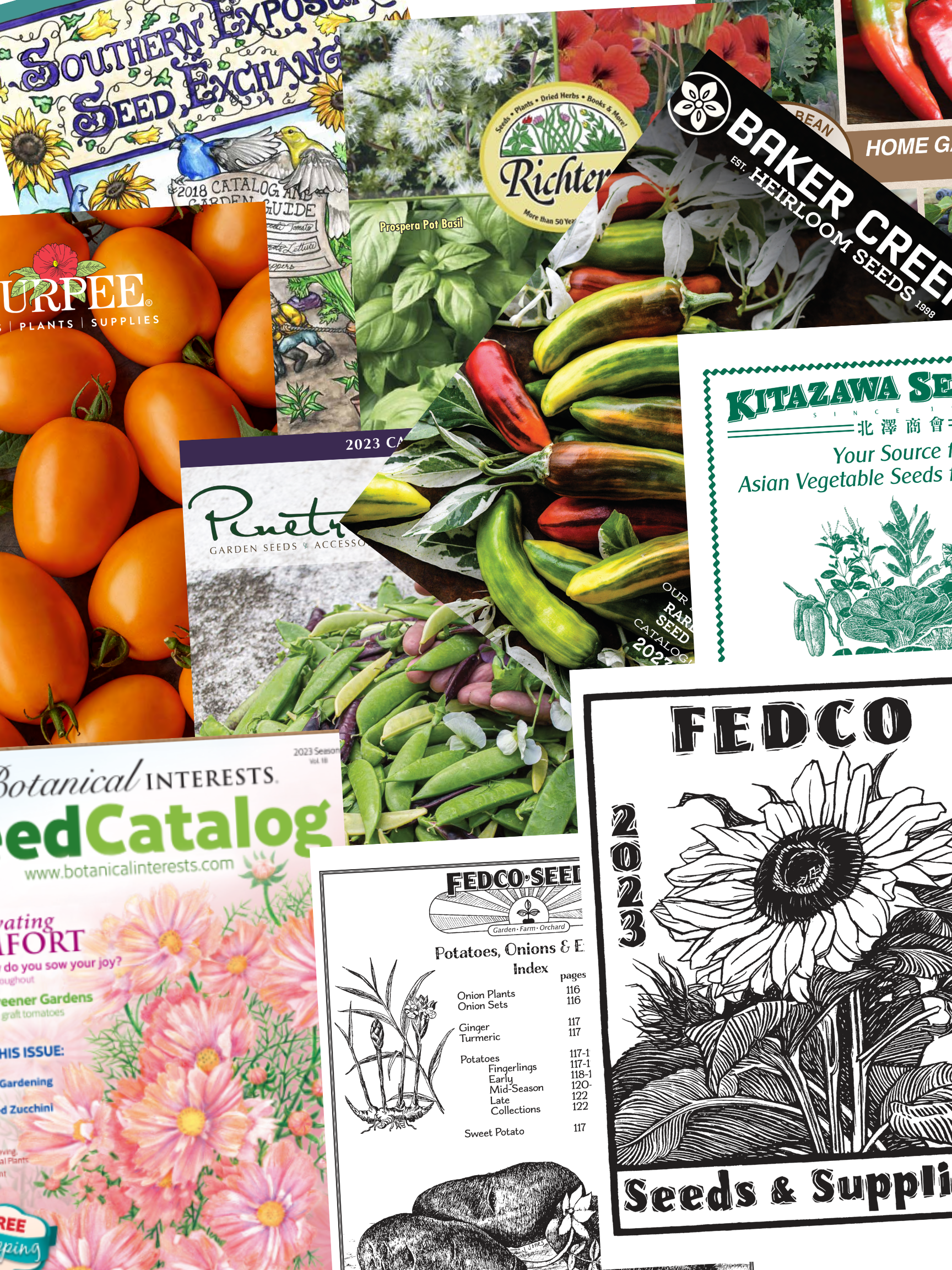
image by Green and Prosperous
Buy Fewer Seeds, Grow Them Better
One of the most effective shifts I’ve made as a gardener is buying fewer varieties and growing them well. Instead of chasing novelty, I focus on crops I actually eat, plants I’ve grown successfully before, and a small number of experiments rather than a dozen.
Repeating crops builds confidence. It also teaches you how your garden responds over time, something no catalog description can replace. A small, well-tended garden often produces more than a sprawling one full of half-supported plants.
A Simple Seed-Shopping Checklist
Before you click “add to cart,” ask yourself:
Do I have the space this plant needs?
Does it match my sunlight conditions?
Is it suited to my climate and season length?
Do I realistically have time to care for it?
Is this something I actually want to eat or use?
Am I choosing this because it excites me, or because it fits?
If a seed packet answers “yes” to most of these, it’s probably a good choice.
like this? please pin!
A Gentle Pause Before You Order
Seed shopping is part of the joy of gardening, and it should stay that way. You don’t need to eliminate spontaneity or curiosity. Just balance them with intention.
This season, try choosing one or two “sure win” crops you know will thrive in your space, and let those anchor your garden. Everything else can be optional.
A garden that grows well isn’t the one with the most seed packets. It’s the one that works with your life, your environment, and your energy.
You may also be interested in…


Direct sowing seeds in spring is one of the simplest and most rewarding ways to grow a productive garden. Instead of starting seeds indoors and transplanting them later, direct sowing means planting seeds straight into your garden soil, raised bed, or container where they will grow to maturity.