


Why Winter Is the Best Time to Plan Your Edible Garden
/If you’ve ever told yourself that gardening starts in spring, you’re not alone. Many people assume winter is the off-season, a time to wait until seed catalogs arrive or garden centers restock and come alive again. Most gardeners are not growing food outdoors in winter unless they live in temperate or warm climates. For the past decade or so, I’ve been growing food outdoors in winter all year round using an unheated greenhouse and frost covers over my raised beds, but even that has been impossible in some years, when everything undergoes an extended freeze and it becomes impossible to harvest much of anything.
But even if you live in a cold climate where growing food outdoors without a greenhouse or polytunnel is not feasible year round, winter is one of the most valuable seasons in the gardening year, especially if you want to grow food successfully and sustainably.
I use winter to germinate seeds to grow in my indoor hydroponic setups and to plan out my spring garden. It has helped me get an earlier start on growing come spring, when I have seedlings ready to go in the ground and share with neighbors, friends and relatives.
Annie Spratt @unsplash
Planning your edible garden in winter gives you something spring rarely offers: time. Time to think clearly, make intentional choices, and design a garden that fits your life rather than competing with it. Whether you are growing in raised beds, containers, or a small urban space, winter planning can make the difference between a stressful season and one that feels manageable and rewarding.
Winter Is the Season for Thinking, Not Rushing
Spring gardening often happens under pressure. Plants need to go in the ground, weather shifts quickly, and decisions get made on the fly. That urgency is where many common frustrations begin: overcrowded beds, impulse purchases, and crops that never quite thrive.
Winter removes that pressure. With no planting deadlines looming, you can slow down and think through what you actually want from your garden. This shift from reacting to planning leads to better outcomes, fewer mistakes, and more enjoyment once the growing season begins.
Winter planning also acts as a form of practical self-care. This is true whether you’re running a busy household or you’re just getting started with edible gardening as a beginner. It replaces last-minute scrambling with clarity.
Take Stock of the Space You Really Have
One of the biggest advantages of winter planning is the chance to evaluate your growing space honestly. Instead of imagining what your garden could be, you can focus on what it is right now.
This includes:
Yard space, raised beds, or in-ground plots
Containers, grow bags, balconies, patios, or porches
Indoor growing areas near windows or under lights
Winter is also an ideal time to observe light patterns. With trees bare and the sun lower in the sky, you can see where light actually falls and for how long. These observations help you decide where edible plants will perform best once spring arrives.
If you are gardening in a small or shared space, this step is especially important. Planning around realistic conditions prevents disappointment later.
Choose Crops That Match Your Life, Not Just Your Aspirations
Seed catalogs and gardening magazines are inspiring, but they often encourage unrealistic expectations. Most of us don’t have thousands of dollars to spend on professional landscaping services that can make our edible gardens look picture perfect. Winter planning allows you to pause and ask practical questions before ordering anything.
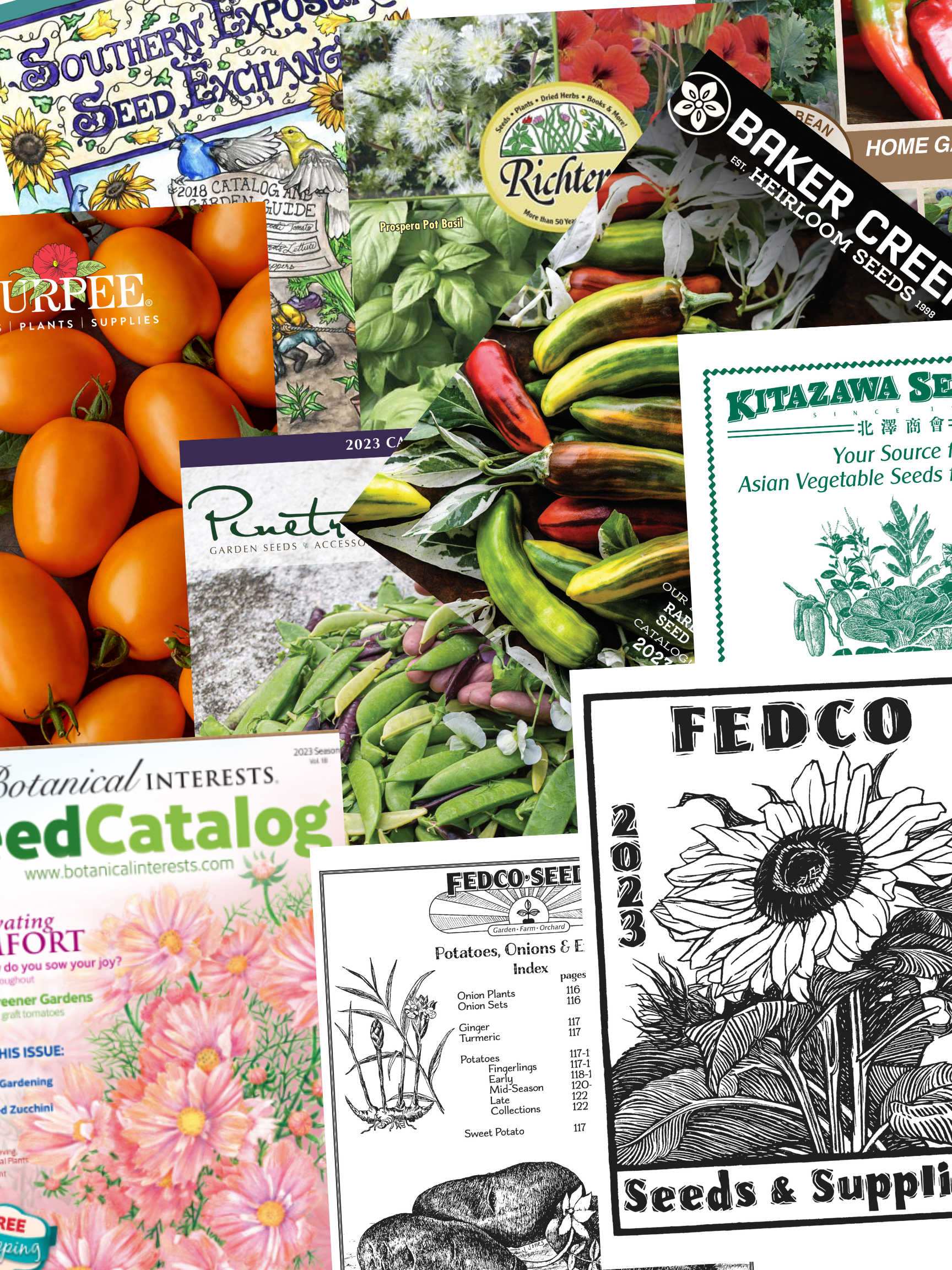
image by Green and Prosperous
What does your household actually eat?
How much time do you realistically have to tend plants?
Are you gardening for fresh herbs, supplemental vegetables, or a larger harvest?
Instead of trying to grow everything, winter planning helps you prioritize a short list of crops that offer the greatest return on your effort. For beginners, this approach builds confidence and reduces burnout.
This is also a good moment to align your choices with your skill level. Starting with reliable, beginner-friendly crops sets the stage for learning and success.
Planning Ahead Saves Money and Reduces Waste
Gardening can become expensive when purchases are driven by impulse. Everything can look so tempting in a garden nursery! Winter planning spreads decisions out over time and keeps spending intentional.
By planning early, you can:
Buy seeds based on need rather than novelty
Reuse containers and tools you already own
Avoid overbuying soil amendments or supplies
Compare options instead of grabbing what’s available in spring
This approach aligns with sustainable gardening values and helps prevent wasted resources. It also makes budgeting easier, especially for gardeners trying to grow food without significantly increasing household costs.
Better Timing Starts with Winter Planning
Many gardening problems are not caused by poor effort, but by poor timing. Planting too early, too late, or in the wrong conditions can stall growth or reduce yields.
Winter is the best time to learn:
When crops should be started indoors
Which plants prefer direct seeding outdoors
How long each crop takes to mature
With this information in hand before spring, you are far less likely to feel behind or overwhelmed. Planning planting windows ahead of time also makes it easier to coordinate seed starting with available space and light indoors.
Winter Planning Builds Confidence Before the Season Begins
Confidence is one of the most overlooked factors in successful gardening. When you enter spring with a plan, you are not guessing at every step. You already know what you are growing, where it will go, and when it needs attention.

Prophsee Journals @unsplash
Winter planning allows you to:
Learn at a comfortable pace
Anticipate challenges before they arise
Make adjustments without pressure
This preparation transforms gardening from a stressful obligation into a manageable, enjoyable process. For beginners especially, confidence gained in winter carries through the entire growing season.
Simple Winter Planning Steps You Can Start Now
You do not need a complicated system to plan your edible garden. A few focused steps are enough.
Start by:
Reviewing what worked or didn’t work last season, if applicable
Listing the growing spaces you actually have
Choosing three to five priority crops
Looking up basic planting timelines
Noting down your last frost date (this is important for knowing when to start seeds and transplant seedlings)
Sketching a simple garden bed layout or container plan
Using a simple garden journal to plan and reflect can make the process easier. These steps create structure without locking you into perfection. Your plan can evolve as the season unfolds.

like this? please pin!
Spring Success Begins in Winter
Winter may look quiet in the garden, but it is an active season behind the scenes. Planning now reduces stress later, saves money, and leads to more satisfying harvests.
By using winter to think, observe, and prepare, you give yourself the gift of a smoother growing season. You’ll also be more likely to set realistic garden goals you can stick with. Gardening does not have to be rushed or overwhelming. It can begin calmly, with intention, long before the first seed is planted.
You may also be interested in…
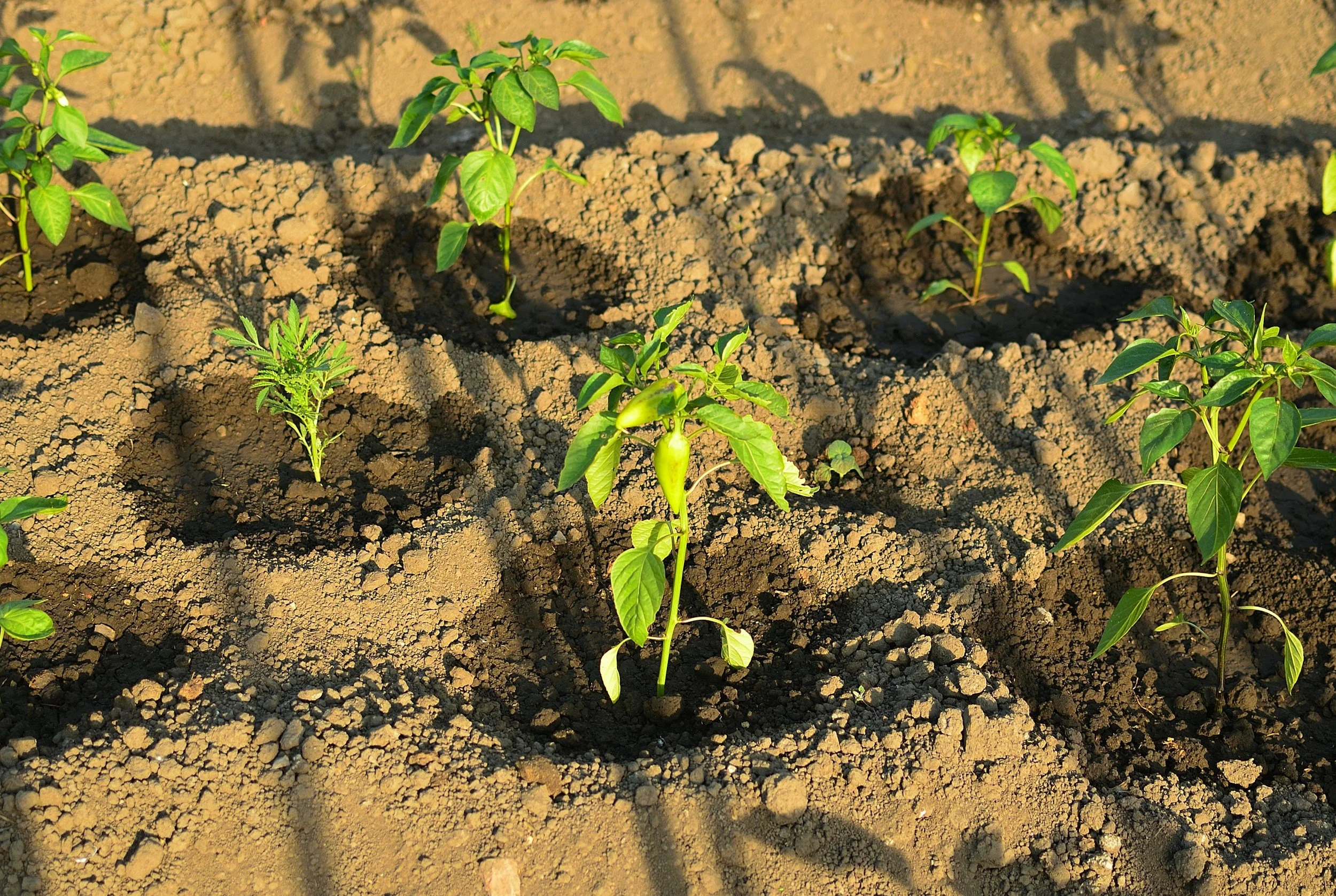


Summer is when a vegetable garden really begins to reveal the results of all the planning, planting, and care that went into spring planting. Tomatoes and eggplants begin ripening, cucumbers swell on their trellises, peppers fill out, and herbs seem to grow faster than you can harvest them. Yet this is also the point in the season when many gardens begin to lose momentum. Heat stress, inconsistent watering, nutrient deficiencies, weeds, and pests can quickly reduce yields if they are not addressed.