


Decluttering Your Garden Supplies: What to Keep, Toss, or Repurpose
/If your shed, garage, or garden corner feels more chaotic than calming, don’t feel bad — it’s more common than not! Garden supplies have a way of multiplying over time: half-used bags of soil amendments, duplicate hand tools, cracked pots, and mystery containers whose labels faded years ago. Every year I go through my supplies to see what’s still usable and what should be tossed or repurposed, and even though there are still things left that I probably should get rid of, having less to deal with makes it easier to find what I need when I’m looking for it.
Decluttering also makes being organized a lot simpler when it’s time to start planting outdoors. Reassessing and where necessary, purging your garden supplies is not just about tidiness. It can save you money, protect pollinators and soil health, and make gardening feel lighter and more enjoyable, especially when you’re aiming to create a low-stress edible garden.
This guide will help you sort through what you own and decide what to keep, toss, or repurpose, using practical and eco-conscious criteria.
Why Decluttering Your Garden Supplies Matters
Roman @unsplash
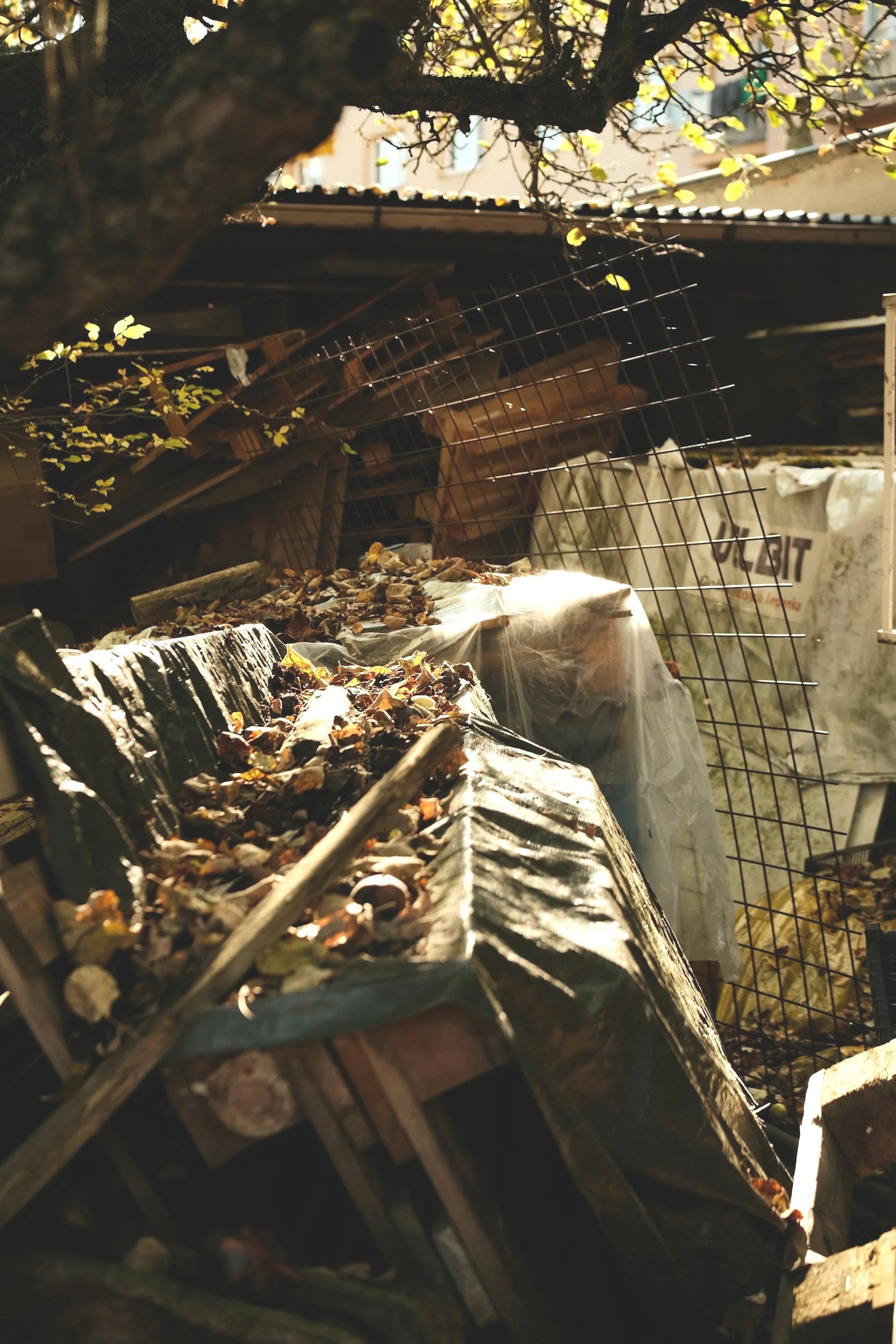
A cluttered garden space often leads to:
Buying duplicates because you can’t find what you already own
Using expired or ineffective products that harm plants or soil
Wasting time searching instead of gardening, and
Feeling overwhelmed before the season even starts
A thoughtful declutter helps you start the season with clarity, confidence, and a setup that can actually make it easier for you to reach your gardening goals. Here’s a simple blueprint for action:
Step 1: Pull Everything Out (Yes, Everything)
Before you decide what stays or goes, gather all your garden supplies into one place. This includes the following:
Hand tools and power tools
Pots, trays, and seed-starting supplies
Soil amendments, fertilizers, and pest control products
Plant labels, stakes, and ties
Gloves, twine, and miscellaneous accessories
Seeing everything at once makes it much easier to spot duplicates, forgotten items, and things that are clearly past their prime.
What to Keep: The Garden Essentials
Keep items that are functional, safe, and aligned with how you actually garden now.
Tools You Use Regularly
If a tool is sturdy, rust-free (or lightly rusted but usable), and you reach for it every season, it earns its place in your shed or storage area. High-quality hand tools can last for decades with basic care.
Ask yourself:
Does this tool still work well?
Have I used it in the last two gardening seasons?
Does it fit my current gardening style (containers, raised beds, in-ground, indoor growing)?
If a tool is lightly rusted, you can make a paste with baking soda and a little water or vinegar and smear it onto the tool. Let it sit for anywhere from half an hour to a couple of hours. Scrub off the rust with a brush or toothbrush. For heavily rusted tools, soak in a bath of white vinegar for a day (12-24 hours) to remove the rust. Rinse and immediately dry with a cloth. No matter which of these methods you’ve used to remove the rust, be sure to rub mineral oil or WD-40 on the tools to protect them afterwards.
Annie Spratt @unsplash
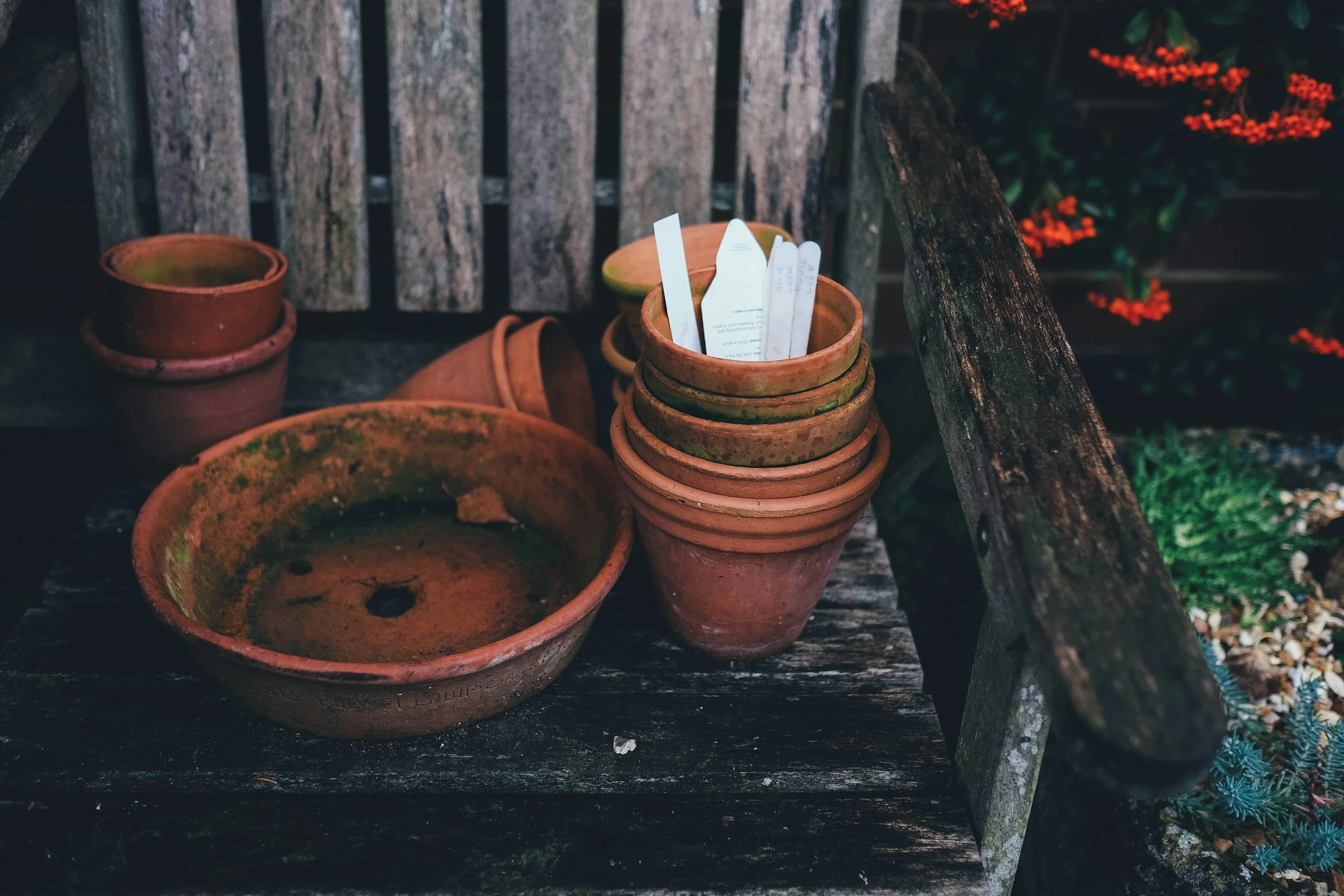
Containers and Pots in Good Condition
Keep pots and trays that are:
Crack-free or structurally sound
Easy to clean and sanitize
A size or shape you regularly use
Mismatched pots are fine if they serve a purpose. Excess stacks of brittle plastic pots usually are not.
Soil Amendments You Actively Use
Hold on to products that are:
Clearly labeled
Within their recommended shelf life
Aligned with your gardening philosophy (for example, organic or bee-safe practices)
If you garden with an eco-conscious approach, this is a good moment to confirm that what you keep supports soil health and pollinator safety.
What to Toss: When Letting Go Is the Best Option
Some items are better removed from your garden space entirely.
Expired or Mystery Products
Dispose of:
Fertilizers or pest control products past their expiration date
Containers with missing or unreadable labels
Products you no longer understand how or why you would use
Using expired products can be ineffective at best and harmful at worst.
Broken or Unsafe Tools
Tools with:
Cracked handles
Loose or unstable heads
Electrical issues (for powered tools)
are more likely to cause injury than improve your garden.
Brittle Plastic and Unsalvageable Items
Sun-damaged plastic pots that crumble in your hands or trays that no longer hold soil properly should be recycled if at all possible; otherwise, be sure to dispose of them responsibly.
What to Repurpose: Give Old Supplies New Life
Before tossing everything into the trash or recycling bin, consider what can be reused creatively.
Containers with Minor Flaws
Use cracked pots for drainage layers at the bottom of larger containers
Turn shallow trays into catch trays for indoor plants
Use old buckets (with drainage holes added) for experimental crops
Old Tools and Materials
Wooden handles can become garden markers or supports
Bent wire or fencing can be reshaped into plant supports
Worn gloves can be used for messy tasks like compost turning
Leftover Supplies
Small amounts of potting mix can be blended together for container plants
Partial seed-starting supplies can be reserved for quick succession sowings
Repurposing keeps useful materials out of landfills, stretches your gardening budget even further, and is a great way to reduce waste and garden more sustainably.
Ray Shrewsberry @unsplash
How to Organize What You Keep
Once you have decluttered your supplies and decided what to toss, keep, and repurpose, finding a simple way to organize your supplies will prevent future buildup of clutter. Here’s what you can do to make the task simple and manageable over time:
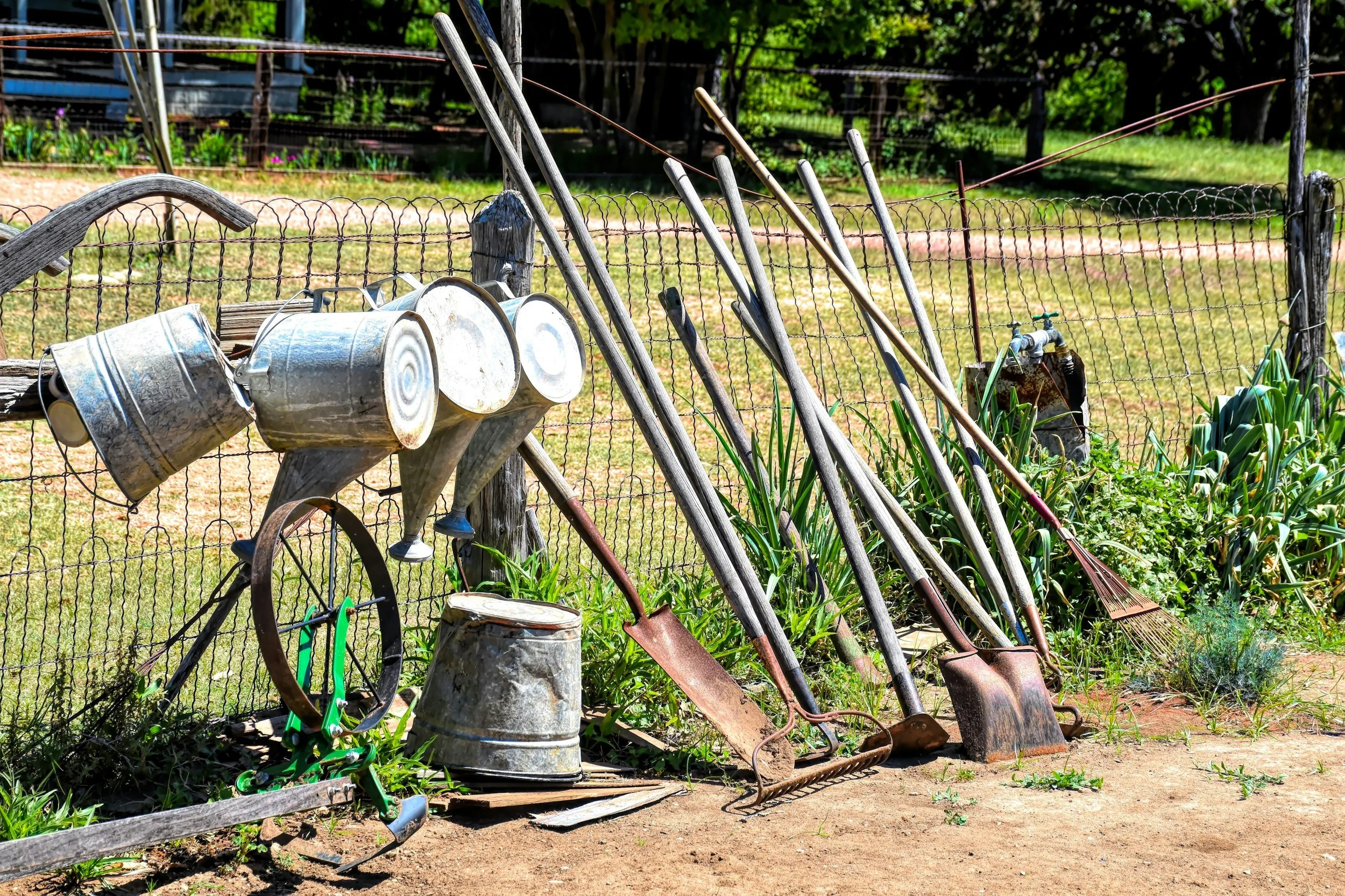
Store tools vertically to save space and reduce rust
Group supplies by task (seed starting, watering, pest management)
Label bins clearly so you know what you have at a glance
Keep frequently used items within easy reach
The goal is not to create a picture-perfect shed, but to make a system that you can easily maintain, so you spend less time searching for things and more time enjoying your garden.
Make Decluttering a Seasonal Habit
Garden clutter tends to creep back when we are busy or in mid-season. A quick check at the start and end of each growing season can help keep your supplies manageable.
Even 15 minutes of maintenance, done over a few days in a week can prevent another overwhelming cleanout later.

like this? please pin!
A Lighter Garden, A Clearer Mind
Decluttering your garden supplies can be thought of as an act of care for your plants, your time, and yourself. When your tools and materials are easy to find and aligned with the way you garden today, gardening feels less like an exhausting chore and more like the grounding, life-giving practice it should be.
If your aim is to create a more intentional, sustainable gardening routine this growing season, decluttering your supplies is one of the simplest places to begin.
You may also be interested in…
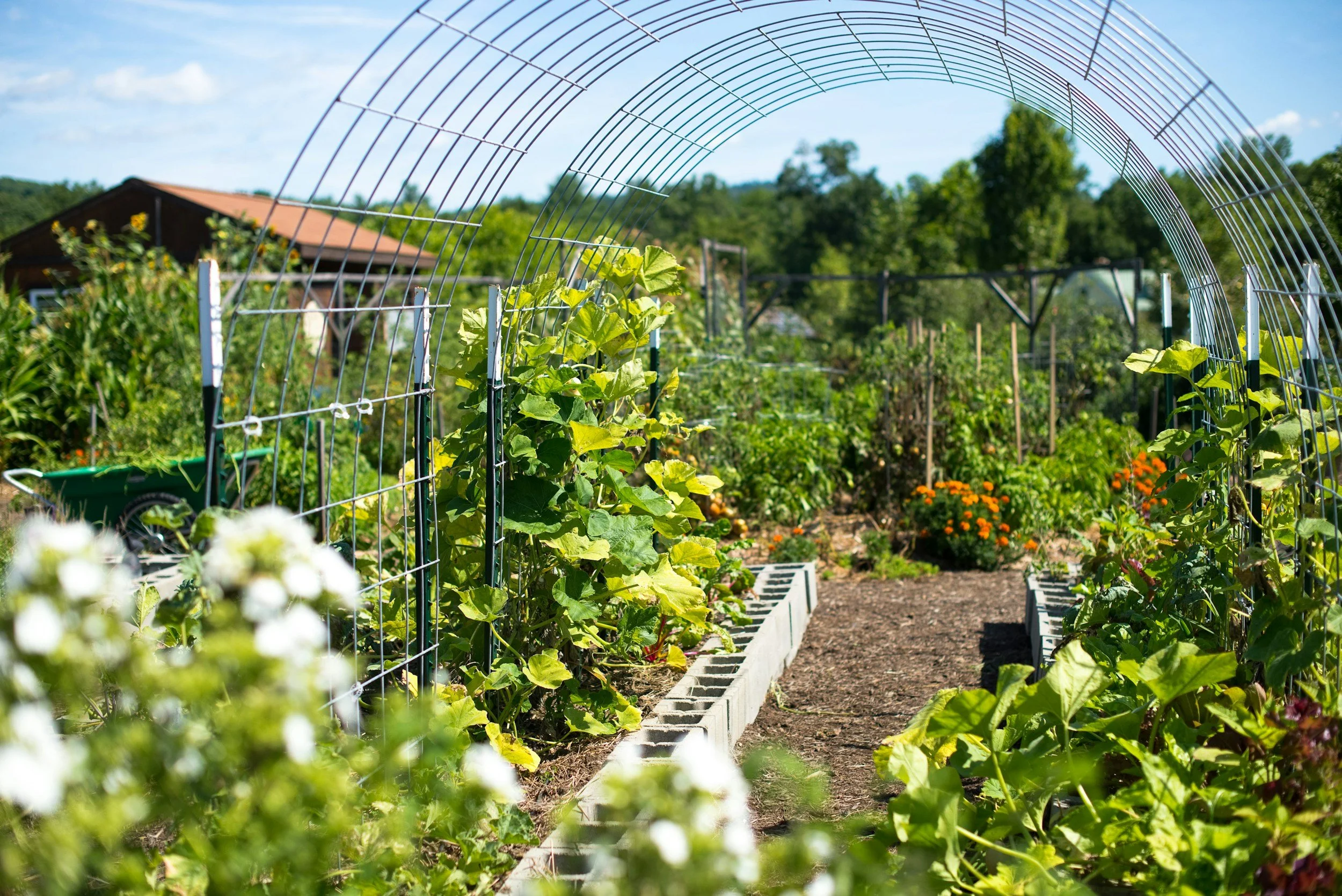




A garden can look beautiful and still leave you wondering where all the food is.
Your tomato plants may be tall and deep green. Your squash vines may be spreading enthusiastically across the bed. Your pepper plants may appear perfectly healthy. Yet when it comes time to harvest, there is very little to pick.