



The Environmental Cost of Cardboard Boxes and Smarter Alternatives for Modern Moves
/Moving has an effect on your environmental footprint. You have to recycle, compost, and even bring your own bags to the store. Cardboard boxes are very commonly used for moving, storage, and packing. However, they rarely get use beyond this, and often end up being thrown away. While cardboard boxes look eco-friendly on the surface, their backstory is much more complicated and wasteful than most people realize. Keep reading to learn more about the environmental impacts of cardboard boxes and some eco-friendly alternatives.
Why Cardboard Boxes Aren’t as Green as They Seem
Cardboard is recyclable and biodegradable, which is why it has a green reputation. However, the problem with this material is its scale and the way we use it. In the U.S. alone, over 900 million cardboard boxes are used for residential moves each year, with many of them being discarded after a single move. Here’s what the environmental impact adds up to:
Deforestation: Cardboard is made from wood pulp. Large-scale demand pushes more logging, which contributes to tree loss and habitat disruption.
Energy and water use: Producing cardboard involves energy-heavy pulping and drying processes and large amounts of water.
Greenhouse gas emissions: Manufacturing cardboard releases roughly 1.2 kg of carbon emissions per kilogram of fiber.
Landfill waste: Around 17 million tons of cardboard end up in US landfills each year. Unfortunately, not all of it breaks down cleanly.
Recycling limits: Cardboard fibers shorten each time they’re recycled. After a few cycles, they can’t be used to make strong new boxes, and they’re downcycled into products like newsprint or lower-quality paper if they’re not completely discarded.
Recycling only works when the material actually makes it through the system. Cardboard that’s wet, greasy, or heavily taped may not be accepted. If it’s contaminated, it gets pulled out and trashed or burned. Cardboard can be recycled, but the real-world outcomes aren’t as clean as the label suggests.
The Recyclable Trap: Why So Many Boxes Don’t Get Recycled
Breaking down boxes after a move can be tiresome, especially when you have to get rid of any tape and labels along with the boxes. Here are a few reasons moving boxes often miss the recycling bin:
They get rained on during loading or storage
They pick up mold or moisture in basements and garages
They’re covered in layers of tape and shipping labels
They’re stuffed with leftover packing paper that nobody wants to sort
They’re too bulky for curbside pickup, so they end up in the trash
The Hidden Costs of Cheap Boxes
Another issue is the personal cost attached to obtaining these cardboard boxes. Cardboard boxes seem cheap until you tally up:
Packing tape, paper, and bubble wrap
Damaged boxes that collapse mid-move
Disposal fees or extra recycling trips
Replacing items that break due to weak boxes
The Carbon Footprint of Transportation and Storage
Another environmental cost that often gets overlooked is what happens after cardboard boxes are made. Once produced, those boxes still need to be transported, stored, and distributed. Each step adds emissions that rarely show up in discussions about “recyclable” packaging.
Cardboard boxes are bulky and lightweight, which sounds efficient, but it actually means more truck space is needed to move the same number of boxes. That leads to higher fuel use per unit. Retailers ship boxes from manufacturers to warehouses, then to stores, and finally to consumers. After the move, many of those same boxes are transported again as waste or recycling. It’s a long, resource-heavy loop for something designed to be used once.
Storage adds another layer. Warehouses must be climate-controlled to prevent moisture damage, which uses energy year-round. Damaged boxes from humidity or compression are often discarded before they’re even sold or reused.
Reusable containers change that pattern. Because they last longer and are rotated through many moves, their transportation emissions are spread over hundreds of uses instead of one. Fewer manufacturing cycles, fewer deliveries, and fewer disposal trips all translate into lower long-term impact.
Smarter, Lower-Waste Alternatives
Moving doesn’t have to equate to piles of waste. Many people are beginning to choose reuse-based options that reduce waste and emissions.

David WIlson @Flickr
1. Reusable Moving Containers
Reusable plastic bins can be used hundreds of times, thereby spreading their environmental impact over many moves instead of one. Some people use rental services, while others choose solutions like a container for moving that allows for reuse and consolidation instead of disposable packaging.
2. Pack with what You Already Own
Before you buy anything, look around your house for things you can pack with, such as:
Suitcases, duffel bags, and backpacks
Laundry hampers and storage bins
Pots and large kitchen containers
Towels, blankets, and clothing for padding
Using these items cut down on both waste and clutter. It also feels good to use what you already have instead of buying a cart full of “supplies” you’ll regret later.
3. Choose Better Packing Materials
When new materials are unavoidable:
Look for FSC-certified or high post-consumer recycled cardboard
Use shredded paper instead of plastic fillers
Choose biodegradable packing products made from cornstarch or wheat
Don’t underestimate how far a little labeling and planning can go. When boxes are packed well and used efficiently, you require far fewer of them.

like this? please pin!
4. Declutter Before You Pack
The most sustainable moving supply is the one you never need. Decluttering reduces:
The number of boxes or bins required
The amount of packing material used
The fuel burned while transporting your things
The time you spend packing and unpacking
A simple system works best in regards to organization:
Keep
Donate
Sell
Recycle
Dispose (only if you must)
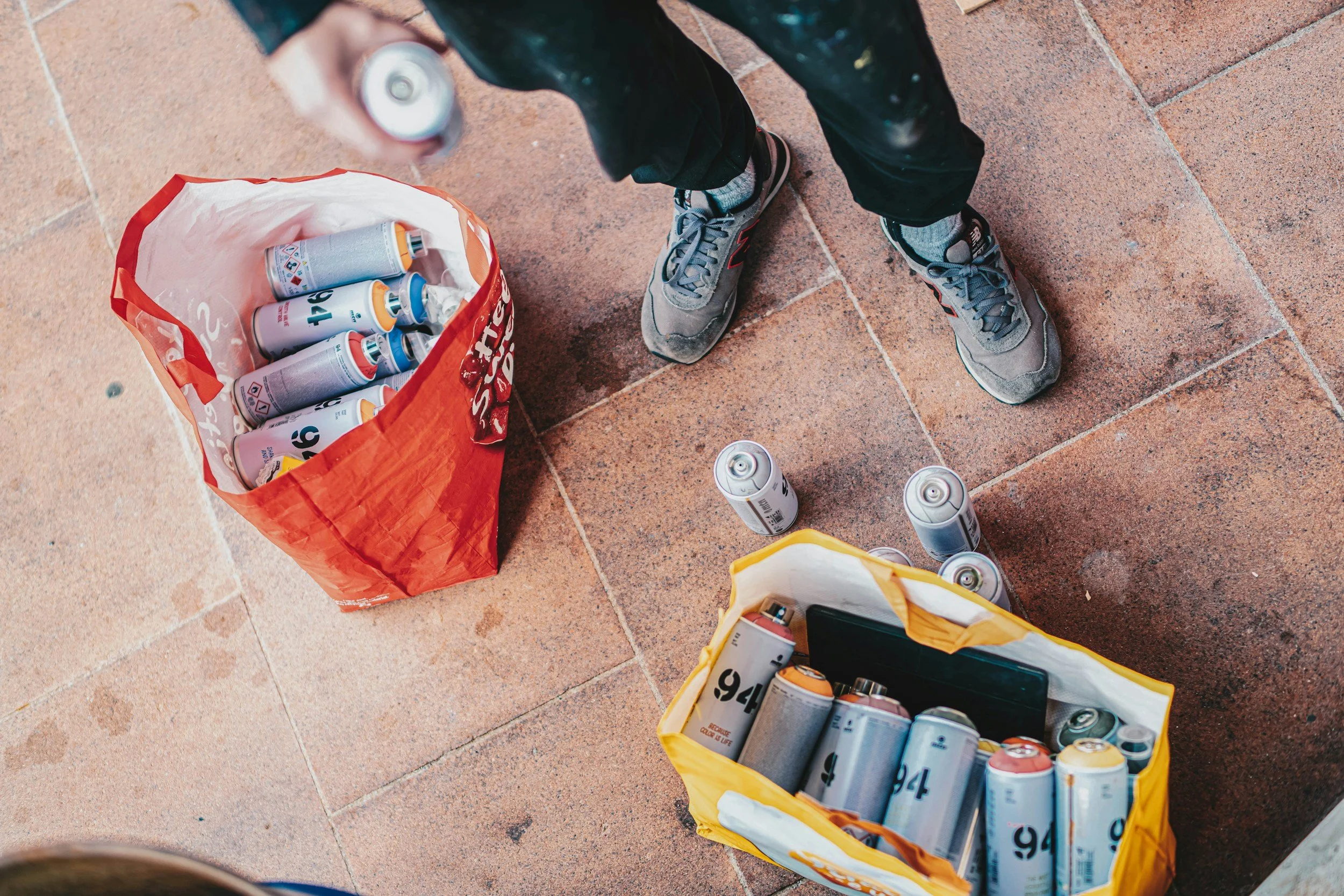
Ambitious Studio* | Rick Barrett @unsplash
5. Don’t Forget Hazardous Household Items
Paint, cleaning fluids, batteries, and some electronics often need special handling. Tossing these into a box with everything else can cause contamination and create safety risks. Before you move, check local rules for hazardous waste drop-off or collection events.
Endnote
Moving will never be zero impact, but that doesn't mean it has to be waste-heavy. While cardboard boxes have a role to play, you shouldn't rely on them for every move due to their environmental and financial costs. Instead, having a proper reuse plan, and a little creativity can make a huge difference.
About the Author:
Catherine Park is a seasoned digital marketer with several years of experience working with non-profit organizations. She possesses extensive expertise in Education, Computer Science, and Psychology. Outside of her professional life, Catherine enjoys practicing Muay Thai and running marathons.
You may also be interested in…





When you examine the topic of sustainability in packaging over the past decade, you’ll see that we've reduced the complexity of the issue down to a simplistic moral code: paper is good, and plastic is bad. This is a well-known and emotionally compelling argument, but unfortunately completely inaccurate.