


Grow Lights for Beginners: How to Choose the Right Grow Lights for Plants Indoors
/Growing edible plants indoors opens up a world of possibilities. You can start seeds earlier, grow leafy greens year-round, and keep houseplants healthy even during the darkest months of winter. But if you are new to indoor growing, you may be wondering about one of the most frequent questions that arises with indoor growing setups:
Do I really need grow lights for my plants, and if so, how do I choose one?
The short answer is yes, most indoor edible plants benefit from supplemental light. The longer answer is that choosing the right grow light for your space and plants does not have to be complicated or expensive. This beginner-friendly guide walks you through everything you need to know about grow lights for plants, including how they work, the different types of indoor grow lights, and how to use them effectively without overthinking the process or spending more than you really need to.
Whether you are starting seeds, growing herbs on a windowsill, or experimenting with indoor food gardening, this guide will help you make confident, informed choices.
Sixteen Miles Out @unsplash
Why Natural Light Is Often Not Enough Indoors
Sunlight is powerful, but most homes simply do not provide enough of it for consistent growth with edible plants. Even bright windows can fall short, especially in winter or in north-facing rooms.
Common indoor lighting challenges include:
Short daylight hours in fall and winter
Windows that filter or block part of the light spectrum
Uneven light exposure that causes plants to lean or stretch
Limited space that prevents plants from sitting directly in a sunny window
This is where grow lights for plants come in. They provide consistent, predictable light that supports healthy growth regardless of season or weather.
What Grow Lights Actually Do (and What They Don’t)
Grow lights are designed to mimic the parts of sunlight plants use most for photosynthesis. Plants rely primarily on blue and red wavelengths, which influence leaf growth, root development, and overall plant structure.
Grow lights:
Support steady, compact growth
Prevent leggy, weak seedlings
Allow you to grow plants away from windows
Extend the growing season indoors
Grow lights do not replace good plant care. Plants still need proper watering, airflow, nutrients, and appropriate temperatures. Think of grow lights as one piece of a healthy indoor growing system, not a magic fix.
Types of Grow Lights for Plants (Beginner Overview)
There are many options on the market, but beginners do best when they start simple. Below are the most common types of indoor grow lights, with pros and cons for each.
LED Grow Lights (Best for Most Beginners)
LED grow lights are energy-efficient, long-lasting, and widely available. They produce very little heat and come in many forms, including panels, bars, and clip-on fixtures.
Pros
Low energy use
Minimal heat
Long lifespan
Available in full-spectrum options
Cons
Upfront cost can be higher than fluorescent lights
For most home gardeners, LED grow lights for plants are the best place to start.
Fluorescent Grow Lights
Fluorescent lights, especially T5 fixtures, have long been used for seed starting and leafy greens.
Pros
Affordable
Good for seedlings and herbs
Even light distribution
Cons
Bulbs need regular replacement
Less efficient than LEDs
These lights work well for seed starting setups and smaller indoor gardens.
Incandescent and “Regular” Light Bulbs (Not Recommended)
Standard household bulbs do not provide the right spectrum or intensity for plant growth and generate excess heat.
If a light is not marketed as a grow light, it is unlikely to support healthy plant development.
Full Spectrum vs. Colored Grow Lights
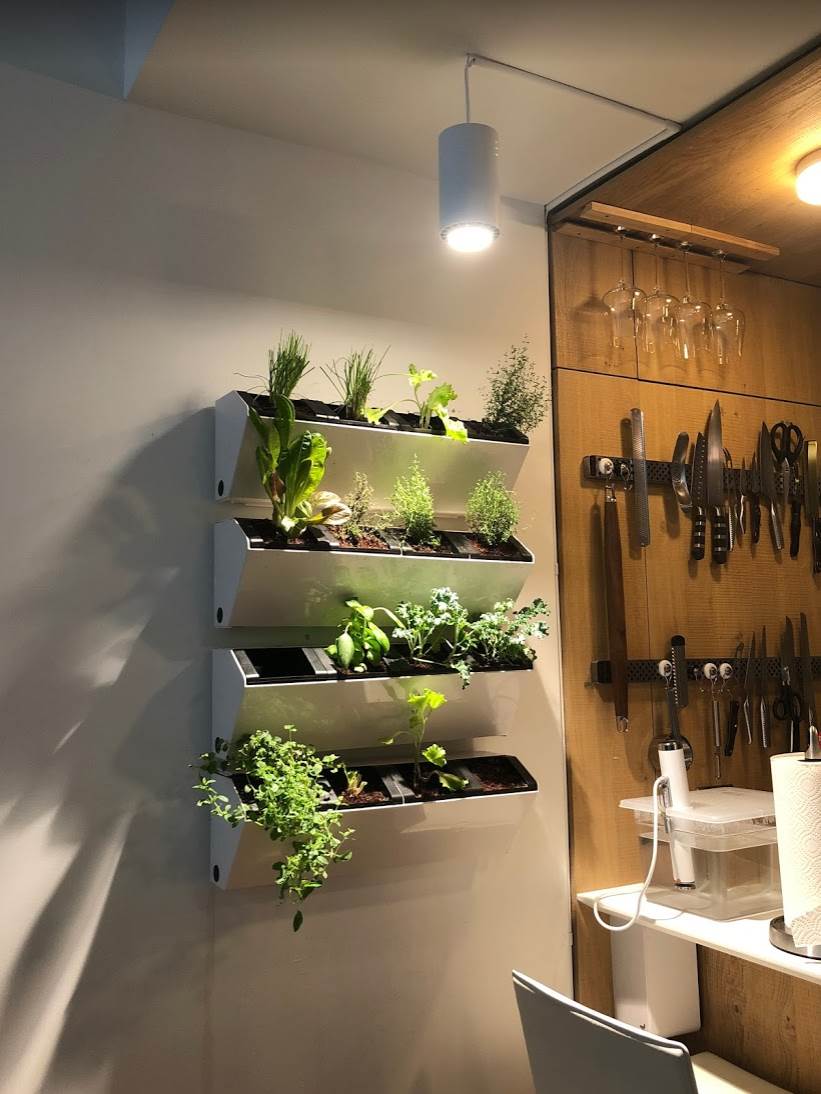
You may see grow lights marketed as:
Purple or pink (red + blue)
White or “sunlight” colored
Robert Bolen via Soltech Solutions, CC BY-SA 4.0 @wikimedia commons
For beginners, full-spectrum white grow lights are the easiest and most versatile option. They:
Support all growth stages
Are easier on your eyes
Look more natural in living spaces
Colored grow lights can work, but they are not necessary for most home growers.
How Much Light Do Plants Need?
The intensity of your grow light influences the efficiency of photosynthesis (how plants convert light into food for energy) and overall plant health. Determining the correct intensity you need for your plant really depends on the plant type and growth stage. As a rule of thumb, seedlings require less intense light than flowering plants. Light needs can also vary by plant type, but here are some general guidelines.
Low-Light Plants
Many houseplants
Some herbs
These may survive with bright windows and minimal supplemental light.
Medium-Light Plants
Herbs
Leafy greens
Many seedlings
These benefit from indoor grow lights placed 6–12 inches above the plants for 12–14 hours per day.
High-Light Plants
Fruiting crops like tomatoes and peppers
Flowering plants
These require stronger lights, longer durations, and closer positioning. Many beginners choose to grow these outdoors or under advanced indoor systems. A great option, if you’re growing plants indoors at different stages of growth (seedling, high growth, flowering), set lights with adjustable intensity to cater to the varying needs of your plants as they grow.
How Close Should Grow Lights Be to Plants?
Distance matters more than many beginners realize.
General rule of thumb:
LEDs: 6–12 inches above plant canopy
Fluorescent lights: 2–4 inches above plants
Lights that are too far away cause stretching and weak growth. Lights that are too close can stress or scorch plants. Adjust the distance as plants grow.
How Long Should Grow Lights Stay On?
Most plants do well with:
12–16 hours of light per day
8–12 hours of darkness
Using a simple outlet timer makes this effortless and helps maintain consistent growth patterns. Some LED lights also come with built-in timers that you can set for pre-determined intervals of 3, 6, or 12 hours.
Common Grow Light Mistakes to Avoid
Even good grow lights can disappoint if they are used incorrectly. Here are a few common beginner mistakes:
Placing lights too far away
Leaving lights on 24/7
Using weak clip-on lights for plants that need high levels of light
Ignoring airflow and watering needs
Grow lights support plants, but they work best as part of a balanced indoor growing setup.
Nik Shuliahin @unsplash
Grow Lights for Seed Starting
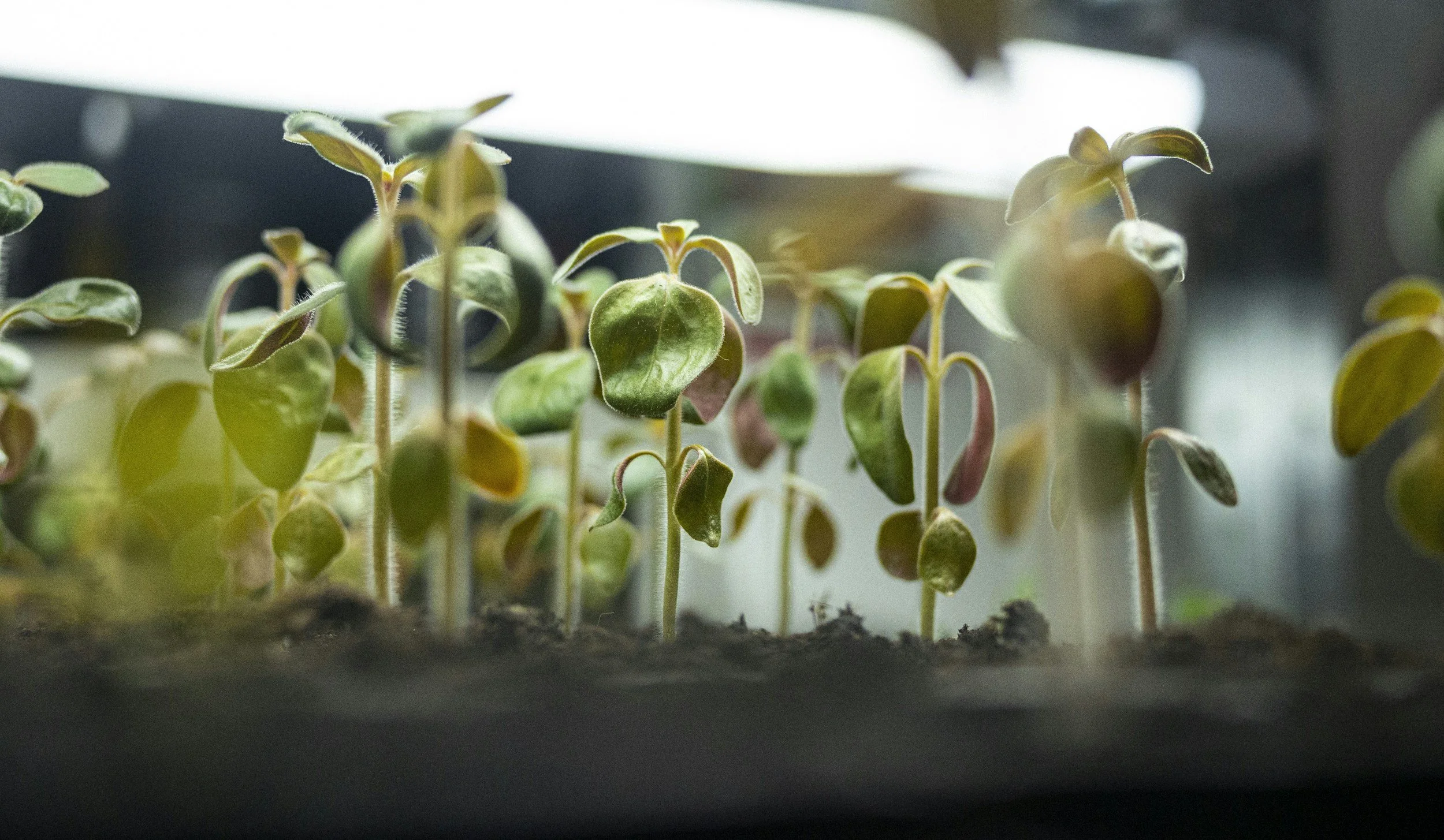
Grow lights are especially useful for starting seeds indoors. Strong, consistent light prevents leggy seedlings and promotes healthy root development.
Seedlings thrive when grow lights are positioned close and used consistently from the moment they sprout.
Do You Need Grow Lights for Indoor Gardening?
If you want predictable results, the answer is yes. Grow lights for plants remove guesswork and allow you to grow with confidence, even in small spaces or low-light homes.
You do not need a complicated system to get started. One well-chosen light, used correctly, can make a noticeable difference in plant health and productivity.
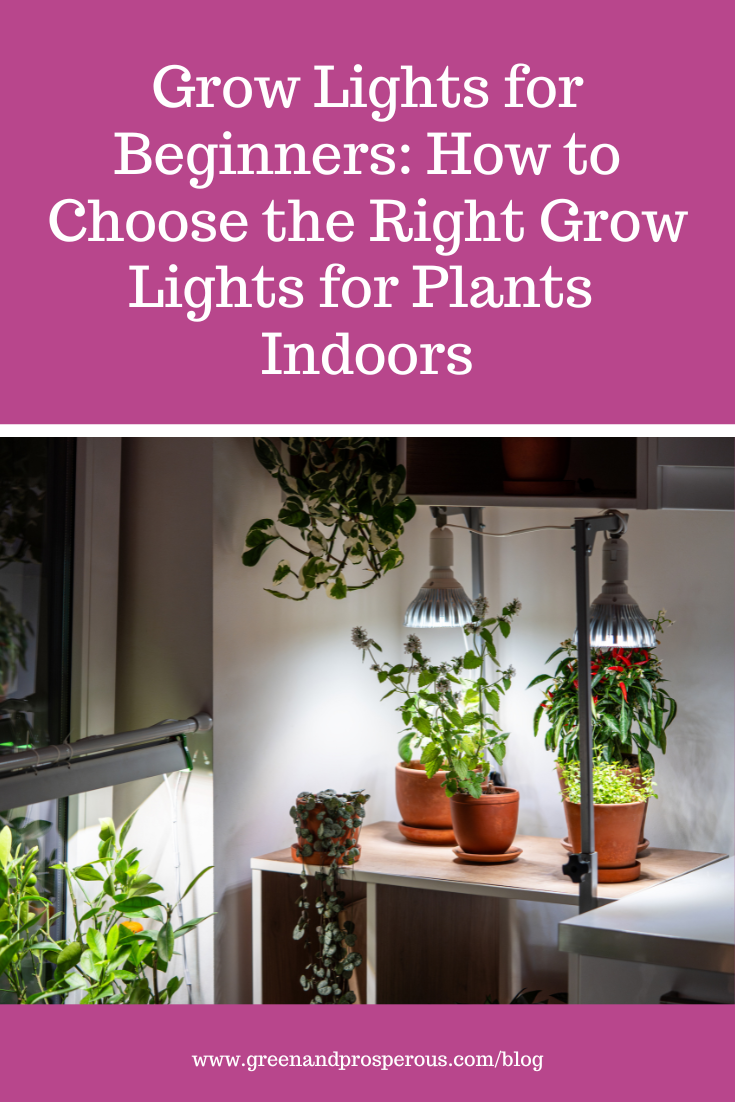
like this? please pin!
Start Simple and Build from There
Indoor growing does not need to be overwhelming. Start with one or two plants, choose a reliable grow light, and observe how your plants respond.
As you gain experience, you can expand your setup or experiment with different crops. The goal is not perfection, but consistency and learning what works best in your space.
If indoor gardening is part of your long-term plan, mastering indoor grow lights is one of the most valuable skills you can develop.
You may also be interested in…


Growing edible plants indoors opens up a world of possibilities. You can start seeds earlier, grow leafy greens year-round, and keep houseplants healthy even during the darkest months of winter. But if you are new to indoor growing, you may be wondering about one of the most frequent questions that arises with indoor growing setups:
Do I really need grow lights for my plants, and if so, how do I choose one?