



6 Proven Methods for Reducing Vendor Carbon Footprints
/To cut right to the chase, if you want to reduce your vendor carbon footprints you need to measure your emission hotspots, update your procurement contracts with climate clauses, support your suppliers in their energy transitions, push for circular materials, and handle whatever residual emissions are left with verified carbon removals. That is the core strategy right there. Most businesses find that their supply chain and vendor emissions make up the vast majority of their total carbon footprint. Sometimes it is as high as 90 percent. So ignoring this is just not an option if you have any serious sustainability goals.
I see a lot of companies panic when they realise how much of their carbon output is tied up in things they buy rather than things they make.
It makes sense to feel overwhelmed. You are basically trying to manage someone else's business practices. But the UK government has committed to net zero by 2050 and frameworks like SECR (Streamlined Energy and Carbon Reporting) are making mandatory climate disclosure a very real pressure for large businesses. You have to start pulling the right levers. Supplier decarbonisation is arguably the most impactful lever you possess.
İsmail Enes Ayhan @unsplash
Measure and prioritise your hotspots
The absolute first step is figuring out exactly where the emissions are actually coming from. You cannot fix what you have not measured. By conducting a thorough screening of your suppliers, you can identify high-impact categories. Focus your reduction efforts on the vendors that contribute the most to your footprint.
I think people get bogged down trying to measure every single paperclip they buy. That is a waste of time.
Spend-based analysis is usually a good starting point. You look at where your money goes and use industry averages to estimate the carbon impact. Then you refine the data for your biggest suppliers. Sometimes the results are surprising. A service provider might have a massive footprint because of their server farms. A packaging supplier might be using incredibly energy-intensive manufacturing processes. You just do not know until you look at the numbers.
Once you know who the heavy hitters are, you can start having real conversations.
You go to them and ask for actual data. The GHG (Greenhouse Gas) Protocol is the standard everyone uses for this sort of Scope 3 accounting. Getting accurate primary data from your top twenty percent of suppliers will give you a much better picture than guessing for a hundred percent of them. It is a targeted approach that saves a lot of headaches.
Update your procurement contracts
You can drive massive change by making sustainability a strict condition of doing business. Introducing climate clauses into your contracts ensures that your vendors remain accountable. Require annual emissions reporting. Make it part of the deal.
I remember working with a logistics firm a few years back. They were completely resistant to changing their fleet. We just could not get them to care about fuel efficiency.
Then their biggest client put a carbon reduction target into the contract renewal. Suddenly they found the budget for electric vans. Funny how that works. Money talks. Procurement teams have immense power here. If you rewrite your tender scoring to favour low-carbon suppliers the market will adapt to meet your demands. It is just basic economics. You set the rules of engagement.
Some buyers use 'green' supplier codes of conduct. Others prefer "hard" contractual obligations with penalties for non-compliance.
I lean towards the latter. Soft guidelines are too easy to ignore when profit margins get tight. But you have to be reasonable too. Give them time to adjust. You cannot expect a manufacturing partner to halve their emissions overnight just because you added a paragraph to a legal document.
Support energy transitions actively
A huge chunk of vendor emissions comes straight from their energy use. Encouraging your suppliers to switch to renewable electricity can drastically reduce the carbon footprint of the goods you purchase.
But you cannot just demand they switch and leave them to it. They might need support.
Large buyers are increasingly helping suppliers with energy audits and efficiency upgrades. Sometimes smaller vendors just do not know where to start. They might be running outdated machinery that wastes incredible amounts of power. If you help them identify these inefficiencies, they save money on energy bills and you get a lower carbon product. It is a genuine win-win situation.
I definitely recommend pointing them towards resources for renewable energy procurement.
Sometimes a simple conversation about shifting to a green tariff is all it takes. For more industrial suppliers it might involve discussions about on-site solar or low-carbon heat solutions. The UK grid is getting greener, but direct action from businesses speeds up the process. Your vendors just might need a little push to keep up with the pace.
Promote circular materials
Encouraging vendors to adopt circular economy principles helps design waste out of the supply chain. Prioritising recycled materials and low-carbon packaging reduces both emissions & material costs over time.
We throw away so much perfectly good material. It drives me crazy.
Iain @unsplash
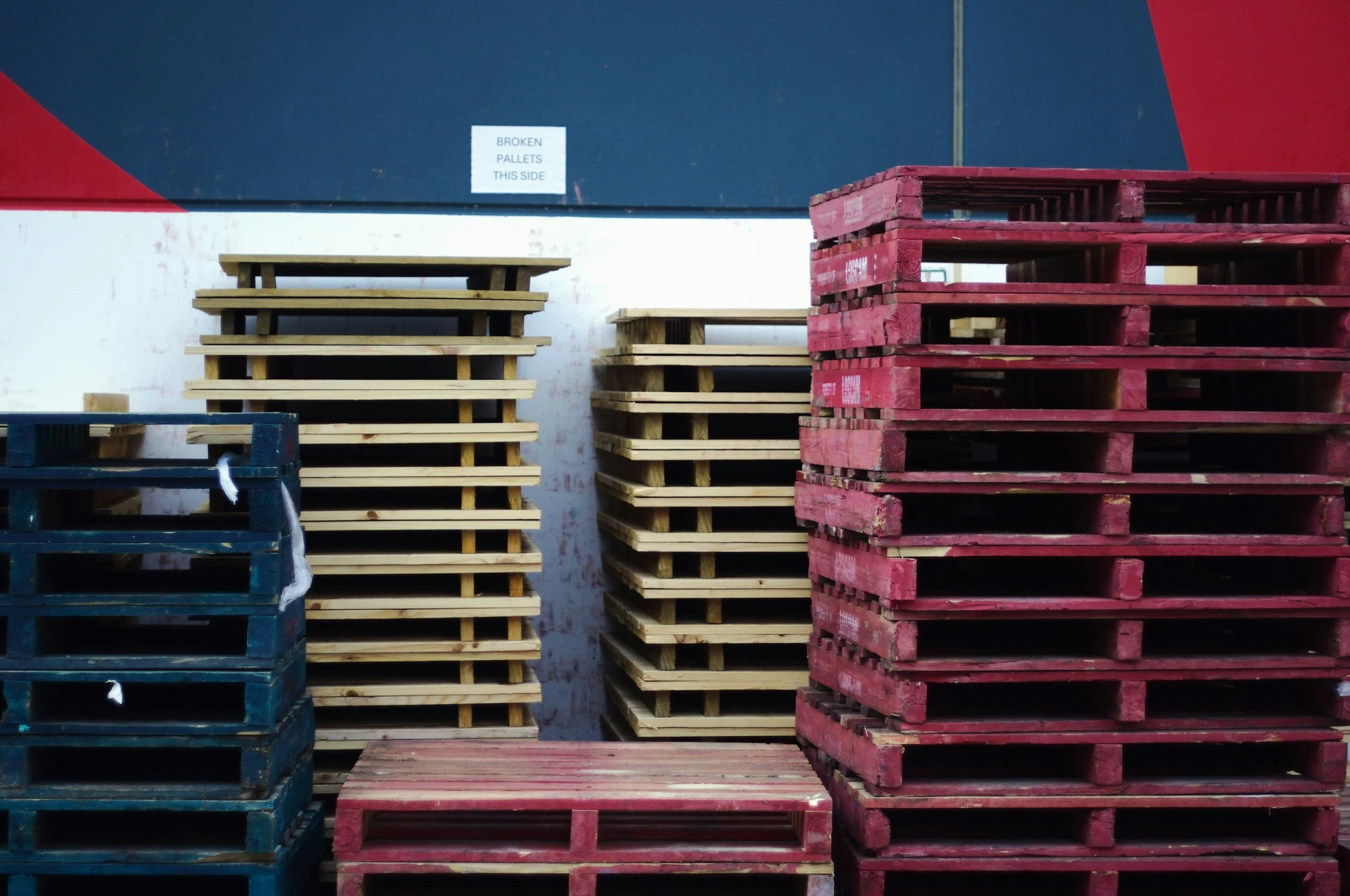
Look at packaging. Do you really need virgin plastic for a product that sits in a warehouse? No. Ask your suppliers to substitute materials. Request recycled content. Demand reusable transit packaging. Reverse logistics schemes are getting really popular in the UK right now. The supplier takes back the pallets or containers and reuses them. The plastic packaging tax has pushed a lot of companies in this direction anyway.
The Ellen MacArthur Foundation has brilliant resources on this.
Circular design lowers emissions because it reduces the need for virgin materials. The energy embedded in extracting and refining raw materials is massive. If your supplier uses recycled inputs their footprint shrinks dramatically. You have to ask for it though. They will keep using the cheapest virgin materials until their clients tell them to stop.
Address residual emissions carefully
Even with strict reduction strategies, some vendor emissions are simply too difficult to eliminate entirely right now. To achieve true net-zero targets, companies are increasingly investing in verified carbon removal solutions.
This is where things get a bit controversial.
Offsets have a terrible reputation. Rightly so in many cases. Buying cheap credits from a questionable tree-planting scheme halfway across the globe does not fix your supply chain. But carbon removals are different when done correctly. You should focus on deep reductions first. Always. But for those hard-to-abate emissions you need a way to permanently lock carbon away. High-integrity solutions like biochar are becoming the gold standard for neutralising that remaining footprint.
It is about permanence.
If you are going to pay to remove carbon you want to know it stays removed. The scrutiny around quality and additionality is intense right now. Buyers want credible removals. They do not want a shortcut around actually reducing emissions. It is a nuanced balance.
Getting smaller suppliers on board
A lot of the advice out there assumes every supplier is a massive corporation with a dedicated sustainability team. That is rarely the reality.
Many of your vendors might be small businesses. They do not have carbon accounting software.
You have to accommodate them. If you send a fifty-page emissions questionnaire to a small family-run logistics firm they will probably just ignore it. Or panic. You need to simplify the ask. Give them basic tools to calculate their fuel and electricity use. Provide templates. Offer training sessions if you have the resources. Sometimes just jumping on a quick call to explain what Scope 3 actually means is the best first step.
Empathy goes a long way here.
They are trying to run a business in a tough economic climate. Adding a heavy reporting burden without offering any help is just bad partnership. I have found that smaller suppliers are often very willing to change if you make it easy for them. They want to keep your business. Just do not make them jump through unnecessary corporate hoops to prove they are reducing their impact.
The Bottom Line
Tackling vendor carbon footprints is messy work. It is not something you fix in a single quarter.

Vitaly Gariev @unsplash
You are dealing with other people's operations and that always requires patience. But the methods are clear. You measure the hotspots. You change the contracts. You support their energy shift. You push for circularity. You clean up the rest with proper removals.
I genuinely believe this is the most important work a procurement team can do right now.
It forces you to actually talk to your supply chain. To understand how things are made and moved. You might face some resistance at first. Some suppliers will drag their feet. But the market is shifting and those who refuse to adapt will eventually be left behind. Start with your biggest emitters. Build momentum. It is a long process but it is absolutely worth the effort.
About the Author:
Simon is a content writer with a passion for crafting informative, engaging, and reader-focused content. With experience covering a wide range of topics, he enjoys turning complex ideas into clear, accessible articles that provide value and insight to audiences.
You may also be interested in…




As technology continues to influence nearly every aspect of modern life, the places where we gather, including sports venues, are evolving as well. Today’s hockey arenas are not only adopting advanced technologies to elevate the fan experience, but they are also emerging as leaders in sustainability and environmental awareness. These “green smart arenas” are reshaping expectations by blending immersive, tech-driven experiences with a meaningful commitment to lowering environmental impact. This reflects a broader shift toward sustainable business practices and environmental innovation across industries.