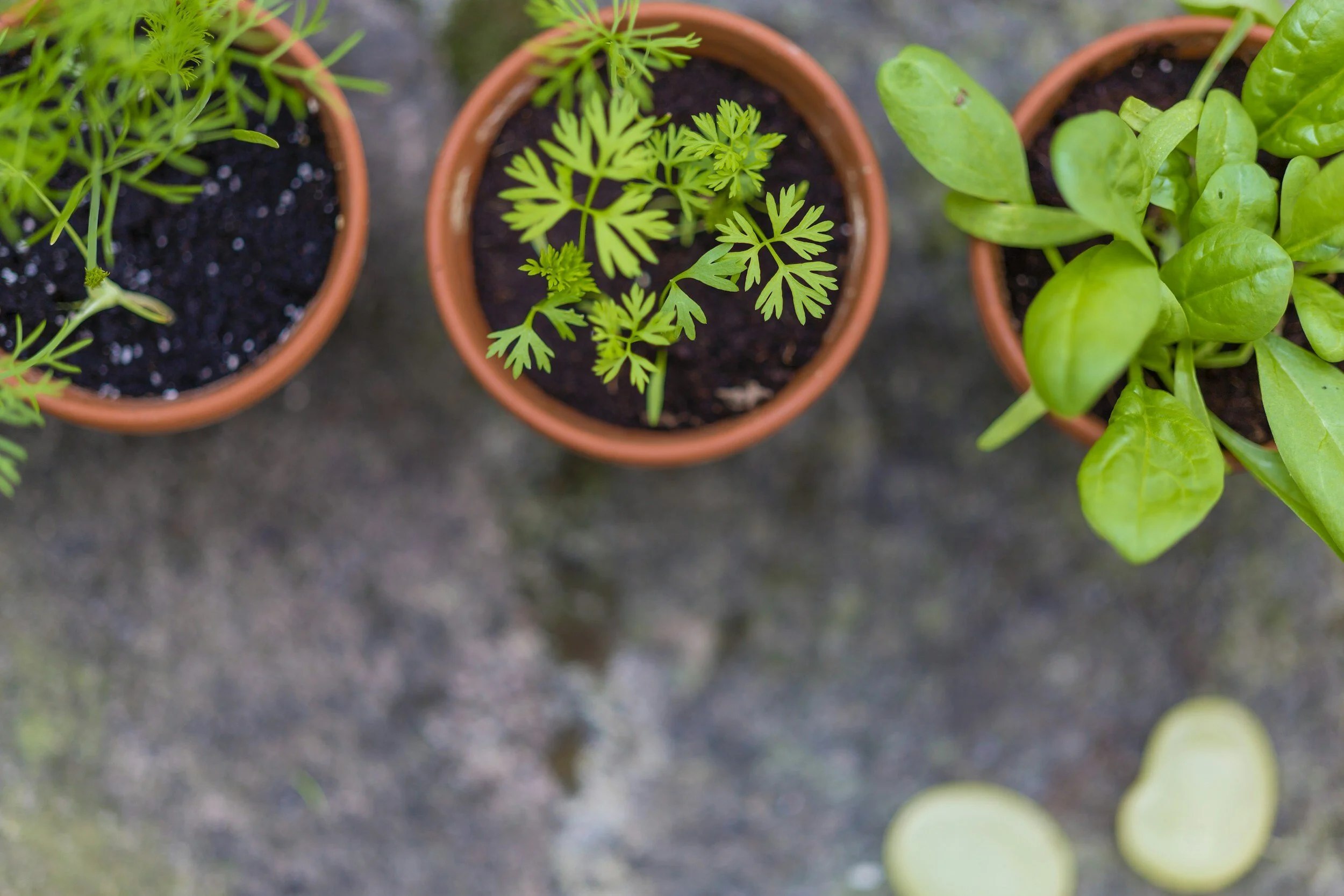



Why Soy Candles Are Better for Your Health and Home
/Most people rarely think twice about the candles they burn at home. But what's in the wax matters, as it impacts personal health, indoor air quality and the environment. Many eco-conscious consumers are switching from petroleum-based options to soy-based candles.
With plant-based ingredients and a cleaner burn, soy candles offer a simple but sustainable upgrade for everyday living.

Ionela Mat @unsplash
The Making and Marketing of Soy Candles
Soy candles originate from soy wax, a natural, plant-derived wax produced by hydrogenating soybean oil. The creation process begins with soybean cultivation and oil extraction, followed by hydrogenation, which changes the oil into a creamy, solid wax suitable for candle making. This renewable wax is then blended with fragrance oils and poured into containers or molds, with a wick placed in the center.
The simplicity of soy candle production and rising demand have brought soy candles into mainstream home fragrance markets. Large retailers use them to meet sustainability expectations, while small businesses incorporate them into their handmade, environmentally-conscious designs.
With both affordability and eco-friendly appeal, soy candles have become a regular feature in the modern home goods market.
Why Soy Candles Are a Greener Choice
Several factors make soy candles a more sustainable option for modern living. The environmental benefits extend beyond the wax itself, to production, packaging and everyday household consumption.
Responsible Sourcing
Many sustainable candle makers prioritize ethically sourced soybeans and natural additives. These choices support farming practices that reduce environmental harm and encourage more responsible land use. Additionally, sustainable sourcing reduces the use of petroleum-based chemicals in production, minimizing the overall ecological impact.
Renewable Resource
Farmers harvest soybeans every year and replant for the next season, creating a continuous, renewable supply for soy wax production. This cycle reduces reliance on finite raw materials, supporting a self-sustaining agricultural system.
Sustainable Production
Unlike paraffin wax, soy wax does not undergo crude oil refining or fossil fuel extraction. The process reduces reliance on nonrenewable energy sources and lowers the impact of petroleum extraction and refining.
Eco-Friendly Packaging
Eco-conscious brands often use recyclable packaging and reusable jars to reduce packaging waste and support circular product design. Customers can also repurpose the containers, extending the material's life cycle beyond the candle.
Support for Small-Scale Businesses
Many soy candle brands operate within small-batch, artisanal or sustainability-focused markets. Supporting these businesses contributes to more ethical sourcing practices, less mass-production waste and responsible manufacturing.
Eco-Conscious Buying Habits
For consumers looking to make small and practical eco-friendly swaps, soy candles offer a simple way to choose a sustainable alternative. These small decisions add up over time, normalizing more sustainable buying patterns.
Home and Health Benefits of Soy Candles
Data suggests that most people limit their candle use to short sessions, typically up to four hours per use. Even these shorter burn periods can affect indoor air quality depending on ventilation and candle type. Soy candles offer a better choice for a healthier and cleaner living space.
Cleaner Indoor Air Quality
Soy candles produce significantly less soot than traditional paraffin candles. Reduced soot output helps minimize airborne particles that may settle on walls and furniture, contributing to a cleaner indoor environment.
Reduced Exposure to Petroleum-Based Ingredients
As soy wax is plant-derived rather than petroleum-based, soy candles reduce reliance on fossil fuel-derived household products. The differences in wax ingredients make them especially appealing to consumers seeking lower-toxicity alternatives for eco-friendly homes.
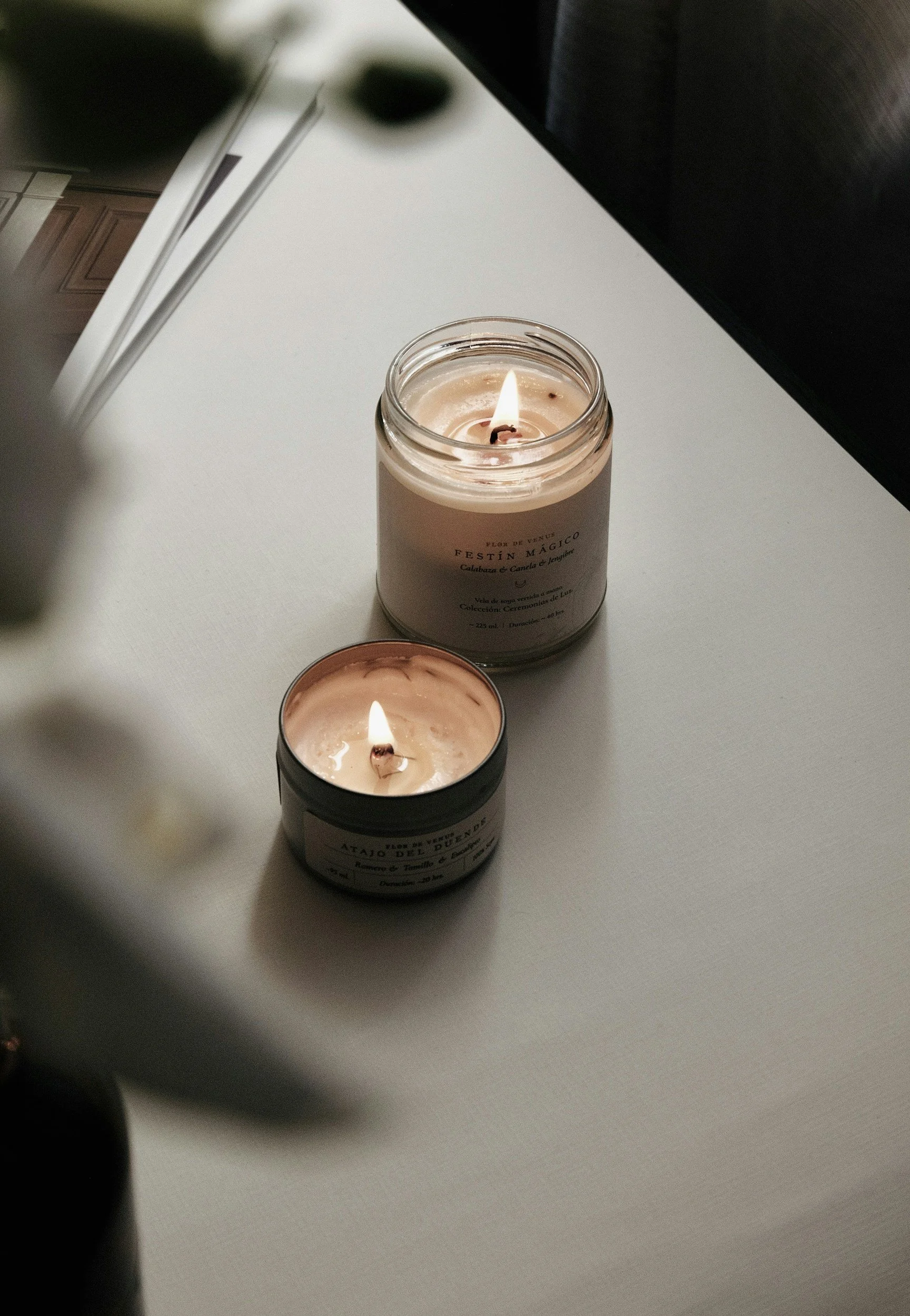
Jocelyn Morales @unsplash
Longer Burn Time Than Traditional Candles
100% soy wax candles typically last 35% to 50% longer than paraffin-based options. The slower burn rate improves product longevity and reduces the need for frequent replacement.
Better Compatibility With Natural Fragrances
Soy wax blends effectively with essential oils and naturally derived fragrances, making it a pleasant-smelling candle with clean ingredients. Many eco-conscious consumers prefer soy candles because they want to avoid overly synthetic scents.
Easier Maintenance and Cleanup
Unlike paraffin wax, soy wax is biodegradable and water-soluble. Users can clean spills with warm water and soap, reducing the need for chemical cleaners.
Soy Candle Crafting
DIY candle crafting is a popular sustainable hobby, with soy wax as the preferred material. Hobbyists like it because it melts and pours cleanly, re-melts easily, and blends well with a wide range of natural fragrances.
Ingredient transparency is another advantage of soy candles. When making candles at home, every component is a deliberate choice. From organic soy wax to wick type, each decision contributes to the candle's overall eco-impact.
Beyond personal use, homemade soy candles make thoughtful gifts with a built-in sustainability advantage. The use of natural ingredients, along with small-batch production and minimal packaging, helps keep environmental impact low. With customizable scents and unique container designs, soy candles offer a personal alternative to mass-produced products.
Getting the Most From Soy Candles
Proper use of soy candles can help maximize their environmental benefits and performance. Candle choice, wick selection and small adjustments can improve burn quality and extend the candle’s lifespan.
Candle Shopping Tips
The following are several best practices to consider when buying soy candles:
Prioritize brands with transparent ingredient sourcing: Look for soy wax that is responsibly sourced, non-GMO, or USDA-certified organic to buy the cleanest option available.
Get 100% soy wax candles: Don’t purchase blended or soy-blend products, as they often contain a high amount of paraffin.
Select naturally scented options: Choose soy candles scented with essential oils or with naturally derived fragrance blends. Synthetic fragrance oil often contains VOC compounds.
Choose natural fiber wicks: Opt for candles made with 100% cotton or hemp wicks for a cleaner burn with fewer unwanted emissions. Avoid metal components, which can introduce unnecessary impurities.
Candle Use and Care
As you enjoy your candle, you should:
Trim the wick before each use: Keeping the wick short helps reduce smoke, uneven burning and excess soot production. Regular trimming also improves flame stability and candle efficiency.
Allow the wax pool to reach the edges: During the first burn, allow the melted wax to reach the entire surface of the candle container. This approach helps prevent tunneling and promotes a more even, longer-lasting burn.
Avoid overburning: Limiting burn time can improve candle safety and longevity. Controlled burn periods also help preserve fragrance quality and prevent overheating.
Allow the candle to cool completely after burning: Let the candle resolidify before relighting to preserve its burn quality over time.
Candle Storage, Reuse and Disposal
After the last of the wick has burned, there are more ways to use a soy candle’s wax and container:

Anastasiya Badun @unsplash
Store candles properly: Keep them away from heat or direct sunlight to prevent cracking or frosting. Also, place candles upright to avoid warping, particularly in warm climates where soy wax can soften slightly.
Repurpose candle containers: Clean and repurpose the jar for storage, planters, bathroom organization or decorative use.
Reuse leftover soy candle wax: Melt leftover soy wax and pour it into a new container with a new wick. It works as well as a new candle.
Discard soy wax responsibly: Never pour liquid soy wax down the drain. Although it is water-soluble, large amounts can accumulate and cause plumbing issues.
A Healthier Home in Every Burn
Soy candles are a simple, high-impact swap for a more eco-conscious way of life. Compared to conventional paraffin candles, these plant-based alternatives burn cleaner and last longer. Whether used for relaxation, décor or crafting, they represent a meaningful way to support greener living practices.
About the Author:
Lou Farrell is the senior editor of environmental science and technology for Revolutionized Magazine. With over five years of experience, he follows his passion for writing while crafting engaging and educational articles that aim to inform readers on how to live more sustainable lives.