


Eco-Friendly Living at Home on a Realistic Budget
/It was not long after graduating from college in New York and moving to the Pacific Northwest that I became more aware of the concept of eco-friendly living. That term wasn’t in vogue, but all around me, people talked about sustainable living on a budget, focusing on living with less consumption, creating less waste, and being more conscious of our impact on the environment, both in our local communities and globally.
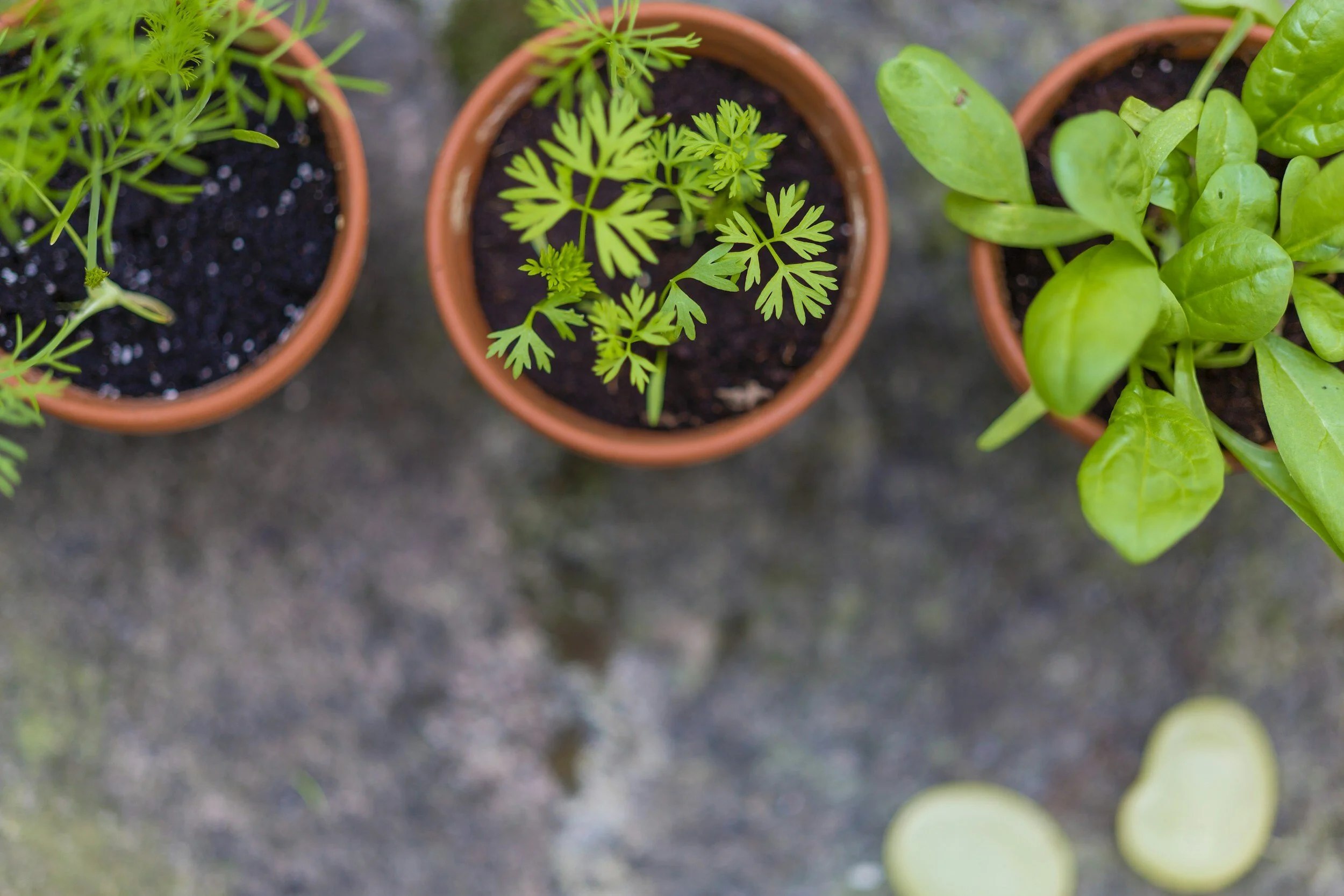
Gradually, over time I learned to modify my lifestyle by purchasing from reputable companies that were committed to the preservation of the environment, patronizing mom and pop businesses over big corporations, reusing more of what I already owned (or what others wanted to swap), and learning to grow some of my own food. Back then, we didn’t need a lot of money to live with less stuff and more intentionality.
Nowadays, living an eco-friendlier lifestyle often gets framed as expensive, time-consuming, or all-or-nothing. But for most households, sustainability doesn’t start with buying bamboo everything or overhauling your entire home so that it’s more energy efficient. It begins with realistic, eco-friendly practices at home that fit everyday life.
Eco-friendly living at home is not about perfection. It is about progress, intention, and choosing systems that save resources over time. I often say that sometimes the biggest changes start with small steps, and it’s really true. When approached thoughtfully, many sustainable habits actually reduce household expenses while also lowering environmental impact. Of course, learning how to shop for eco-friendly products on a budget is a good way to begin reducing your environmental impact without blowing your grocery or household budget.
So where do you begin if you want to get started or ramp up with living greener? This guide brings together practical, budget-conscious ways to achieve sustainable living on a budget at home, with a particular focus on reducing waste, especially plastic, without adding financial or mental strain.

Edward Howell @unsplash
What Eco-Friendly Living at Home Really Means
At its core, eco-friendly living is about using fewer resources (i.e., consuming less) and by so doing, creating less waste. It doesn’t require a zero-waste aesthetic, a mindless purge of items you own or an endless list of product swaps. It means:
Buying and consuming less overall,
Reusing what you already have,
Choosing durable solutions over disposables, and most importantly,
Being mindful of how everyday choices affect both the environment and your household budget
Sustainable living works best when it is adaptable to your life, needs and capabilities, especially when eco-friendly practices at home can be adjusted over time. A realistic approach recognizes that households differ in income, space, time, and access. The goal is not to do everything at once, but to make choices that are both environmentally responsible and financially sensible over time.
Why Reducing Plastic Is One of the Most Effective First Steps
Many of us have seen the images of beaches littered with discarded plastic, or the plastic islands, like the Great Pacific Garbage Patch, a massive collection of debris floating in the North Pacific Ocean. Single-use plastic is one of the most visible and persistent forms of household waste. Most plastics are made from fossil fuels, take decades or centuries to break down, and often fragment into microplastics that end up in landfills, soil, waterways (including in the ocean and the bodies of creatures who inhabit it), food, and even the air we breathe. Contrary to what the plastic and recycling industries may lead us to believe, less than 10% of the plastic we use gets recycled, globally.
Plastic also represents a hidden cost. Disposable items are purchased repeatedly, while reusable alternatives, or simply doing without, often cost less over time. Reducing plastic use in your household is one of the most immediate eco-friendly practices at home, enabling you to lower the amount of your waste while also cutting recurring expenses.
Focusing on plastic reduction does not mean eliminating every plastic item in your home. It means identifying where disposables are most common and making thoughtful adjustments where they make sense. Many plastic-free swaps can also save money over time.
Identifying Plastic in Your Daily Life
Before making changes, it helps to understand where plastic shows up most often in your household. A simple awareness exercise can make sustainable living on a budget more effective than jumping straight into replacements.
Spend a week paying attention to what you throw away. Jot down items in a journal or on a writing pad that family members can easily access and ask everyone in your household to note what plastic items they throw away. Notice patterns in your kitchen, bathroom, car, or workspace. You may find that a handful of items account for most of your plastic waste, such as food packaging, drink containers, or personal care products.
Once you identify the biggest sources, you can prioritize changes that will have the greatest impact. This approach keeps sustainability manageable and avoids unnecessary spending on replacements you don’t actually need.
Budget-Friendly Swaps That Reduce Waste
Reducing waste does not require replacing every plastic item in your home. In fact, using what you already own for as long as possible is often the most sustainable option.
Austin Kehmeier @unsplash
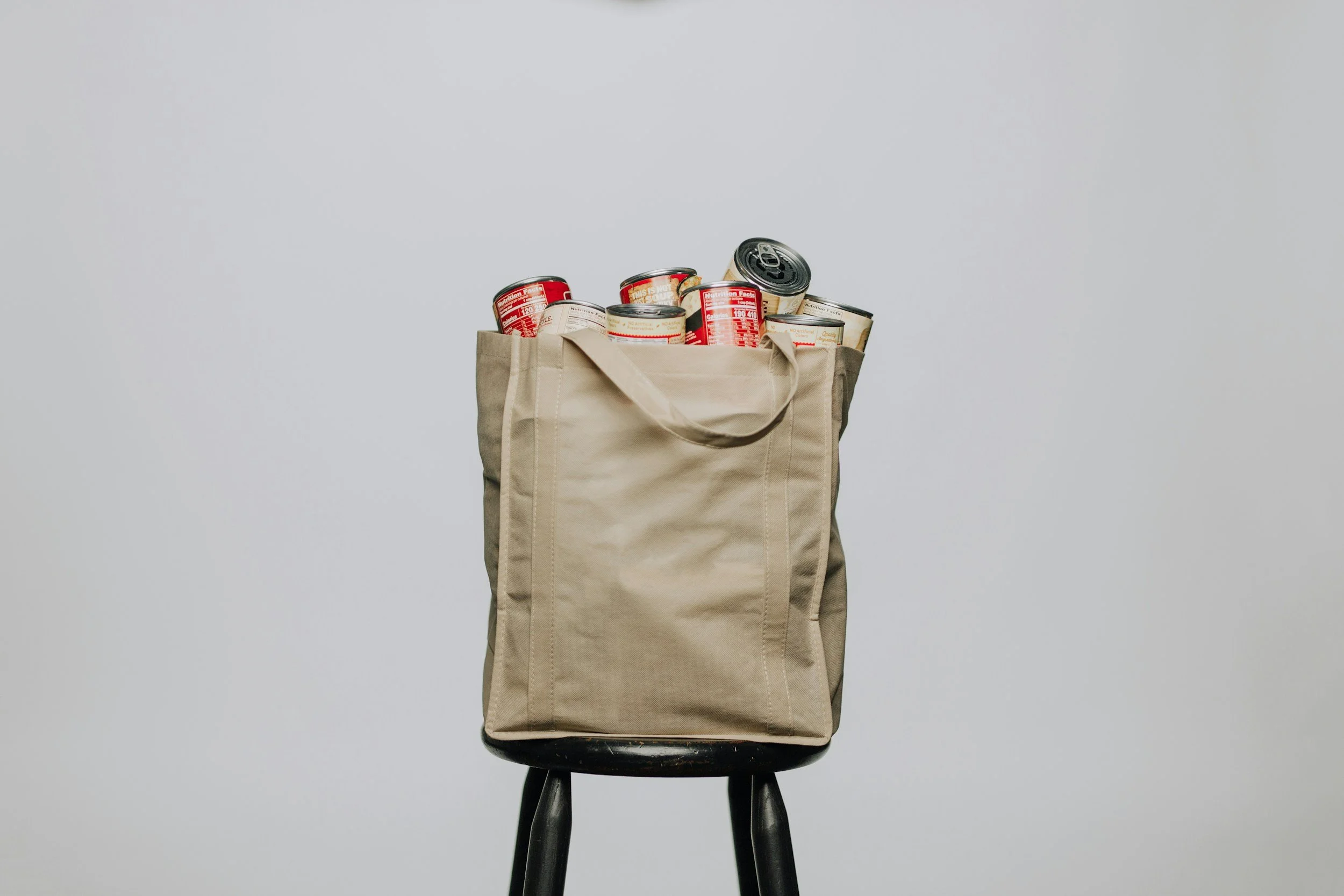
When items do need replacing, focus on swaps that reduce repeat purchases. For example, reusable shopping bags, refillable water bottles made of stainless steel (which doesn’t leach chemicals), or durable food storage containers can eliminate the need for constantly buying disposable alternatives. These are just a few of the ways you can reduce your use of plastic, and there are many other ways you can begin to reduce your consumption of plastic today.
The key is to make changes gradually. Replace items as they wear out, choose quality over quantity, and avoid turning sustainability into another form of overconsumption. Over time, these choices reduce both waste and household costs.
The Eco-Friendly Kitchen: Less Waste, More Value
The kitchen is often the easiest place to begin living more sustainably on a budget through simple, eco-friendly practices at home. Food packaging and food waste account for a significant portion of household trash, and both can be reduced with simple habits.
Storing leftovers in glass or Pyrex containers, using silicone reusable food covers and shopping with washable mesh produce bags are also good ways to reduce your use of single-use plastics and plastic products that will wear out quickly. Choosing loose produce when possible, and planning meals more intentionally can significantly cut down on packaging and wasted food. Turning food scraps into soil by composting them, whether through a backyard system, an indoor Bokashi bin, or a municipal program further reduces landfill waste while creating valuable amendments you can use to enrich the soil in your food garden or landscape.
These practices not only reduce environmental impact but also support sustainable living on a budget. Less wasted food means fewer unnecessary purchases, and fewer disposable products mean lower recurring costs.
Bathroom and Personal Care: Small Changes That Add Up
Bathrooms are another common source of plastic waste, particularly from personal care products. Simple swaps can make a meaningful difference without requiring a complete overhaul.
Federica Abbinante @unsplash
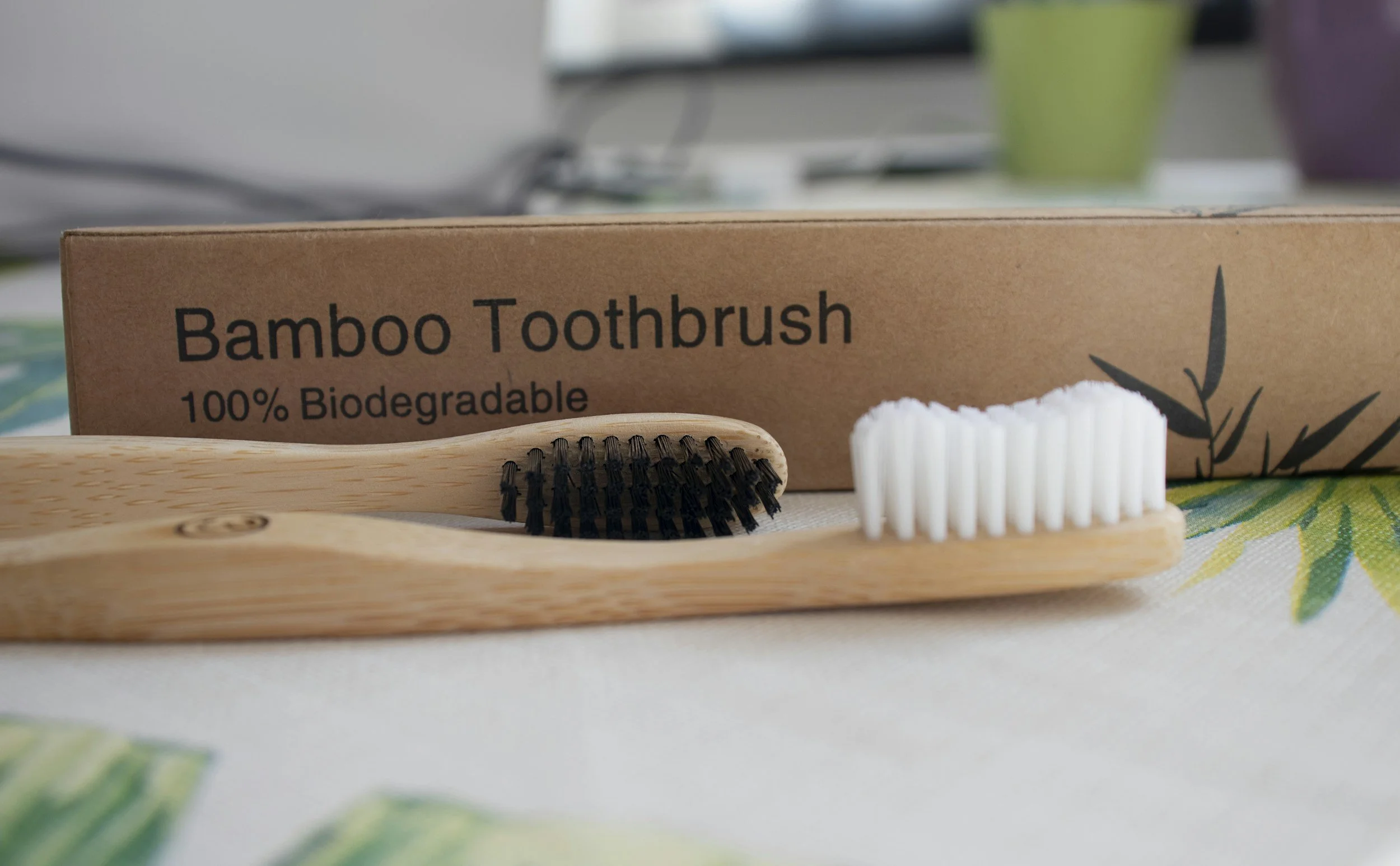
Reusable cotton rounds, solid shampoo or conditioner bars, metal razors, and bamboo toothbrushes are widely available alternatives that often last longer than disposable counterparts. Using soap bars is more economical and less wasteful than liquid shower soap; however, reusable shower soap dispensers can be both cost-effective and eco-friendly, especially if you refill with liquid soap that you buy in bulk. If you use menstrual products, switching from pads or tampons to menstrual cups is also a way to save money as well as cut down on the plastic from the containers these products are packaged in. Buying products that come with minimal or compostable packaging is overall a great way to cut down on your use of single-use plastics.
The most sustainable approach is to start with one item at a time and switch only when an existing product runs out. By spreading the changes you want to make over time, these adjustments can remain affordable and far less overwhelming.

Lower Your Energy Bills Without Major Upgrades
Energy use is one of the largest contributors to both household expenses and environmental impact, especially during colder months. The good news is that meaningful energy savings do not require expensive renovations or new appliances.
Small, room-by-room adjustments, such as improving heat retention, managing electronics more efficiently, and being mindful of hot water use, can lead to noticeable savings over time. These habits are especially important in winter, when energy demand naturally increases.
Some things you can do right away:
Adjust thermostat settings seasonally
Reduce heat loss through windows and doors
Limit hot water use where possible
Turn off or unplug electronics when not in use
For a deeper look at practical, budget-friendly ways to reduce energy use throughout your home, see our room-by-room winter energy savings guide.
Low-Cost Ways to Improve Indoor Air Quality at Home
Indoor air quality often becomes a bigger issue in winter, when homes are sealed tightly to conserve heat and fresh air circulates less frequently. Being mindful of ventilation and small adjustments can also support sustainable living on a budget. Cooking fumes, cleaning products, dust, and everyday household materials can linger longer, making indoor spaces feel stale or uncomfortable. Fortunately, improving indoor air quality does not require expensive systems or major upgrades.
Simple habits make a meaningful difference. Using bathroom and kitchen exhaust fans during and after use, choosing fragrance-free or low-scent cleaning products, damp-dusting surfaces instead of dry wiping, and regularly changing HVAC filters all help reduce airborne particles and buildup. These small steps are inexpensive, practical, and easy to maintain throughout the colder months.
Houseplants can also play a supporting role in a healthier indoor environment. While plants are not a replacement for ventilation or filtration, they can help capture dust, create small humidity microclimates in dry winter air, and make indoor spaces feel calmer and more comfortable. Focusing on easy, low-maintenance options, such as choosing from among the best indoor plants for cleaner winter air, will keep this approach realistic and budget-friendly. Of course, the most sustainable option is to avoid buying new plants altogether when possible. Many common houseplants are easy to propagate from cuttings, allowing you to grow new plants from ones you already have or trade cuttings with friends and neighbors. This kind of sharing keeps costs low, reduces waste, and fits naturally into a realistic, sustainable lifestyle.
Sustainable Habits That Save Money and Energy (No Purchases Required)
Some of the most effective eco-friendly habits cost nothing at all. Reusing what you already have, avoiding unnecessary packaging as much as possible, giving eco-friendly gifts you can grow at home and being mindful about avoiding unnecessary convenience purchases that generate extra waste are powerful forms of sustainability that reduce waste and household expenses at the same time.
Just as important are the everyday habits that quietly reduce energy and water use. Lowering thermostat settings slightly, turning off unused electronics, shortening hot showers, and repairing items instead of replacing them all contribute to a more efficient home. These changes require no special products or upgrades, only awareness and consistency.
Like this? please pin!
Sustainability does not always look like adding something new. Often, it looks like doing less, using what you already have, and being more intentional about how resources are used throughout your home. This approach keeps eco-friendly living realistic, accessible, and aligned with long-term savings.
Progress Over Perfection: Building Sustainable Habits That Last
Eco-friendly living is not about achieving a flawless, waste-free home. Instead, it’s about building habits that are sustainable in the long term. Small changes, repeated consistently, have far more impact than drastic changes that will be difficult for you to maintain.
Choose one area at a time to focus on. Adjust your habits as your circumstances change. Over the course of weeks and months, these habits compound into a lifestyle that is kinder to the environment and often easier on your wallet as well.
Living sustainably on a realistic budget is not only possible, but it’s often the most effective way to maintain long-term eco-friendly practices at home.
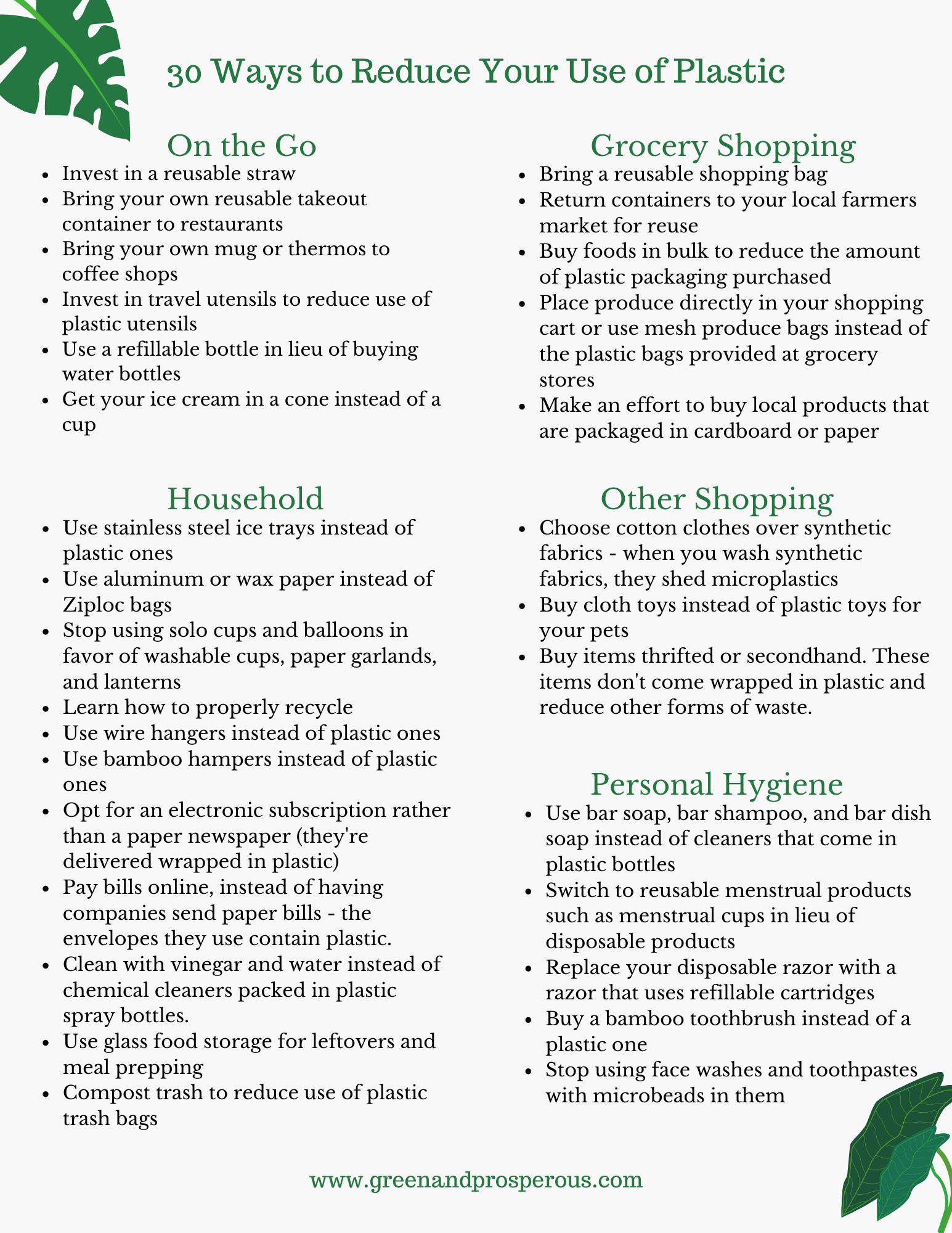
Visual and Quick-Reference Tools for Reducing Plastic
Do you prefer a quick reference tool for reducing your use of plastic? Try our cheat sheet, “30 Ways to Reduce Your Use of Plastic,” available in our Free Resources library with your email signup. Click the image and sign up to receive instant access. Unsubscribe anytime you like.
You may also be interested in





It was not long after graduating from college in New York and moving to the Pacific Northwest that I became more aware of the concept of eco-friendly living. That term wasn’t in vogue, but all around me, people talked about living with less consumption, less waste, and more conscientiousness about what we were doing to the environment, both in our local communities and globally.