


How to Grow Bok Choy Indoors and Outdoors (Beginner-Friendly Guide)
/Bok choy is one of those vegetables that feels both exotic and surprisingly easy to grow. Crisp, tender, and slightly sweet, this cool-season green (Brassica rapa var. chinensis) grows quickly and adapts beautifully to a variety of spaces — raised beds, balcony containers, kitchen counters, or even a simple Kratky hydroponic jar.
If you want a leafy green that matures fast, doesn’t demand perfection, and tastes great in stir-fries, soups, salads, and noodle dishes, bok choy is a fantastic choice. In this guide, you’ll learn everything you need to know about growing bok choy indoors and outdoors, from planting and care tips to troubleshooting and harvesting.
Bok Choy Basics
Before planting, it helps to know a few of bok choy’s preferences.
Jasmine Waheed @unsplash
Two main types:
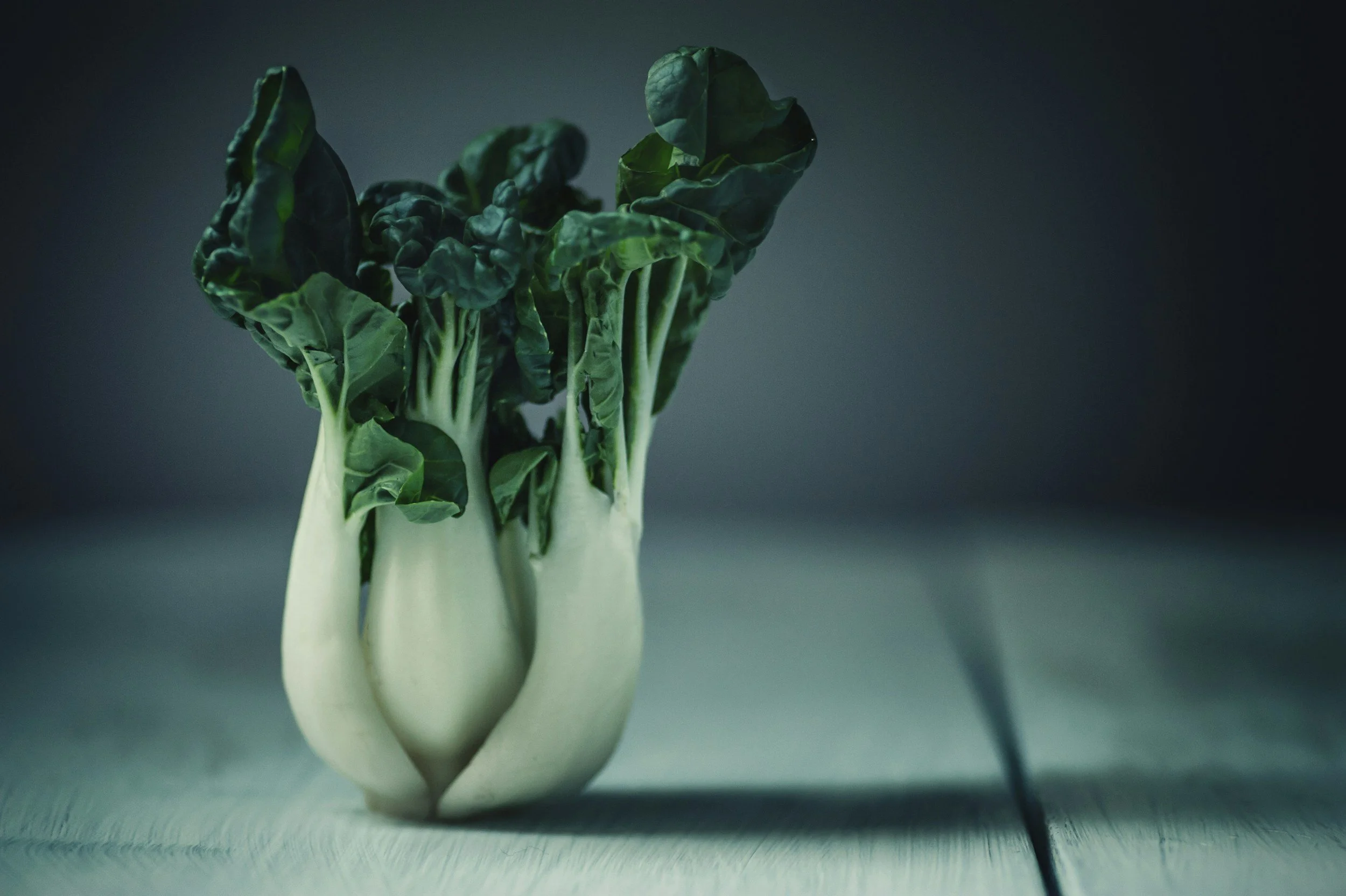
Baby bok choy – small, compact, harvestable in 30–40 days
Full-size bok choy – larger leaves and thick white stems, ready in 45–60 days
Both grow quickly, but baby varieties are especially good for indoor gardening or small spaces.
Temperature needs:
Bok choy thrives in cool weather. Ideal temperatures range from 55–70°F (13–21°C). Prolonged heat can trigger bolting — when the plant sends up a flower stalk and the leaves turn bitter. Outdoors, this means bok choy performs best in spring and fall.
Sunlight requirements:
Provide at least 4–6 hours of sunlight outdoors and 12–14 hours of artificial light indoors for compact, non-leggy growth.
Soil preferences:
Loose, rich soil with a pH between 6.0–7.5 works best. Good drainage is essential whether you’re growing indoors or outside.
How to Grow Bok Choy Outdoors
Growing bok choy outdoors is straightforward, especially if you plant during the right season.
Choosing the Right Location
Choose a location with:
Full sun in spring
Partial shade in warmer climates or summer shoulder seasons
Cool temperatures (below 75°F whenever possible)
If you're gardening somewhere with hot summers, bok choy often grows best as a fall crop, when temperatures naturally drop.
Soil Preparation
Bok choy grows quickly and benefits from fertile soil.
Add 2–3 inches of compost before planting.
Ensure proper drainage — soggy roots lead to rot.
Raised beds warm quickly in spring and are ideal for early planting.
If your soil is compacted or clay-heavy, loosen it to at least 8 inches deep.
Planting Bok Choy Outdoors
You can either start seeds indoors or direct sow.
Direct sowing:
Plant seeds ¼ inch deep.
Space full-size varieties 6–8 inches apart.
Space baby bok choy 4–6 inches apart.
Thin seedlings early—crowding encourages bolting.
Transplanting:
Start seeds indoors 3–4 weeks before planting out. Transplant carefully, as bok choy has delicate roots.
Watering:
Bok choy prefers consistent moisture. Water deeply 1–2 times per week, more often in warm spells. Dry soil encourages bolting.
Outdoor Care and Maintenance
Mulch:
A 1–2 inch layer of straw, shredded leaves, or bark mulch helps regulate soil temperature and conserve moisture. This is especially helpful in late spring when temperatures begin to rise.
Pest management:
Bok choy is a brassica, so it attracts many of the same pests as cabbage, kale, and collard greens. The most common include:
Flea beetles (tiny jumping beetles that create “shot holes” in leaves)
Aphids (clusters of small green, white, or black insects on the underside of leaves)
Slugs and snails (particularly in cool, damp weather)
Cabbage worms (green caterpillars that eat large leaf sections)
Use the least-toxic methods first:
Floating row covers to protect seedlings from flea beetles
Hand-picking slugs early in the morning or after dusk
Aphid control using a strong spray of water or neem-free insecticidal soap
Bt (Bacillus thuringiensis) for caterpillars — safe for bees and adult butterflies
Encouraging beneficial insects such as ladybugs and lacewings
Temperature and shade:
If you get an unexpected warm spell, bok choy appreciates a little protection. A 30–40% shade cloth can reduce bolting and help the plant stay lush.
Fertilizing:
Because bok choy grows quickly, it benefits from a balanced fertilizer every 2–3 weeks. Apply:
A diluted fish or seaweed emulsion
Or a balanced organic granular fertilizer at planting time
Avoid high-nitrogen fertilizers that create large leaves but reduce flavor.
Harvesting Outdoor Bok Choy
One of bok choy’s advantages is its flexibility at harvest time. You can
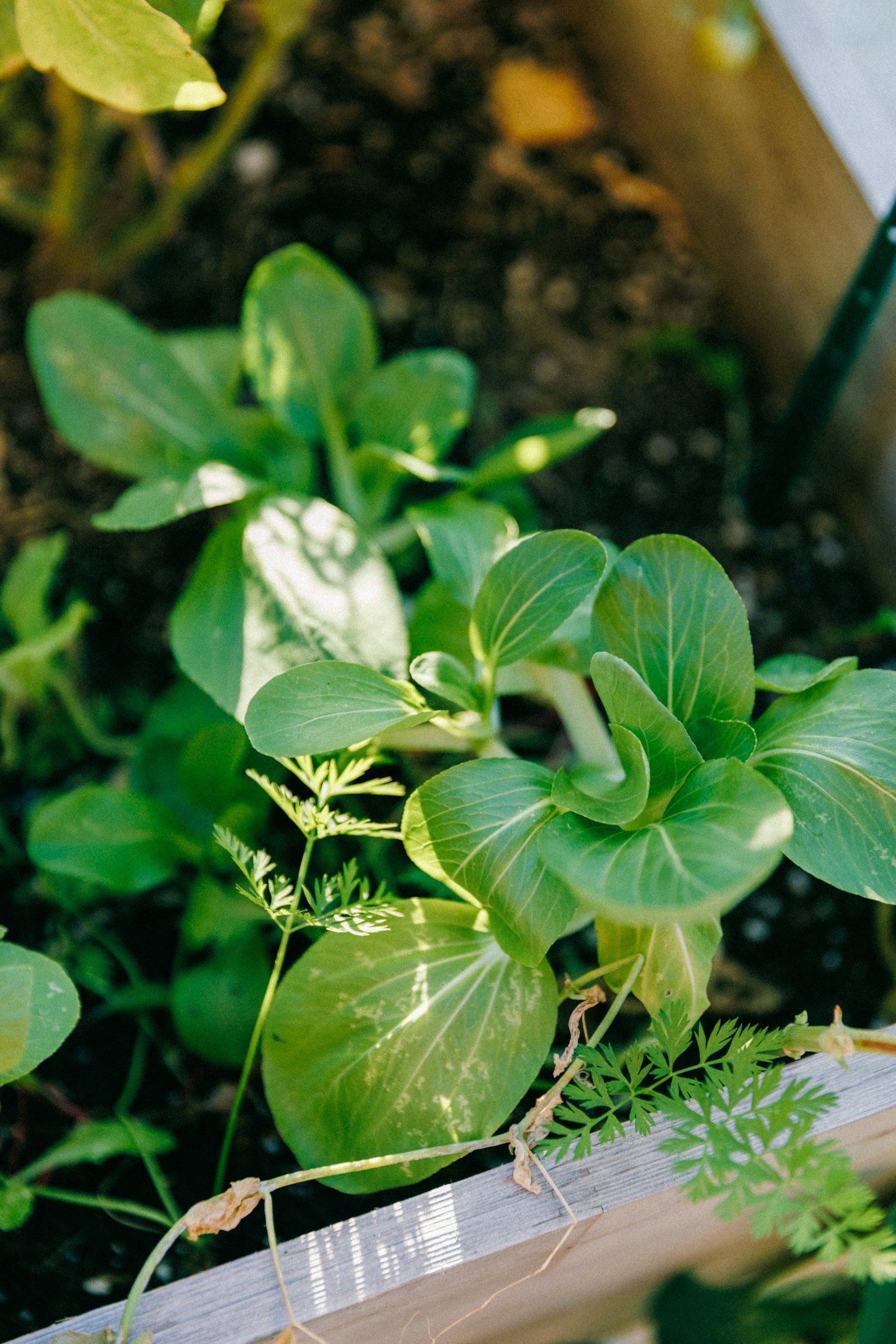
Harvest baby plants when they’re 4–6 inches tall
Cut whole heads at the base when mature
Use a cut-and-come-again approach by snipping outer leaves and allowing the plant to regrow
Most varieties mature within 45–60 days, but you can begin harvesting tender leaves much sooner.
Olena @unsplash
To harvest:
Use clean garden shears
Cut the plant at the soil line
If harvesting leaf-by-leaf, remove no more than ⅓ of the plant at a time
After harvesting, the freshly cut plant can sometimes regrow smaller heads if temperatures remain cool.
How to Grow Bok Choy Indoors
Indoor gardeners love bok choy because it grows quickly, doesn’t need huge containers, and stays compact. Whether you're growing on a kitchen counter or a shelf system, it’s one of the easiest leafy greens for low-light environments — as long as you supplement with grow lights.
Light:
Aim for 12–14 hours of grow light per day. Bok choy grown indoors in natural light alone usually becomes leggy unless you have a south-facing window with strong light.
Full-spectrum LED grow lights work best; position them 4–6 inches above the plants to prevent stretching.
Temperature:
The indoor ideal is 55–75°F — cooler than many other greens, but perfect for most homes.
Containers:
Choose pots that are:
At least 6 inches deep
Have drainage holes
Preferably wider (bok choy spreads horizontally)
Fabric pots, plastic containers, and recycled food-safe containers all work well.
Indoor Planting Methods
Soil-based Growing
Plant seeds ¼ inch deep in a high-quality indoor potting mix. Avoid heavy garden soil — it compacts in pots.
Water lightly and keep soil consistently moist (but never soggy). Once seedlings develop two sets of true leaves, thin them down to:
One plant per 4–6 inch pot, or
One plant every 6 inches in a larger container
Kratky Hydroponic Method
Bok choy adapts beautifully to the passive Kratky method — a no-pump hydroponic system perfect for beginners.
You’ll need:
A mason jar or any opaque container
A net cup (2 inches wide works well)
A growing medium like rockwool, Coco coir, or clay pebbles/LECA (Lightweight Expanded Clay Aggregate)
Hydroponic nutrients for leafy greens
How it works:
Fill the jar with nutrient solution
Suspend the net cup so the bottom just touches the solution
Allow roots to grow downward; the solution level will drop as the plant grows
Kratky bok choy grows quickly, often ready in 35–45 days.
Best Indoor Varieties
Choose compact or baby types such as:
Toy Choy
Pak Choi Shanghai Green
Mei Qing Choi
White Stem Baby Bok Choy
These stay small, grow quickly, and resist bolting better indoors.
Watering and Fertilizing Indoors
Watering:
Keep soil evenly moist. Bok choy dislikes drying out completely — this leads to weak stems and early bolting.
Fertilizing:
Feed indoor plants every 2 weeks with a diluted (half-strength) liquid fertilizer. For Kratky hydroponics, nutrients are mixed once at the beginning.
Common Indoor Problems
Leggy seedlings
Cause: Not enough light or grow lights placed too far away.
Fix: Move grow lights closer (4–6 inches above canopy) or increase light hours.
Bolting indoors
Cause: Too much heat or inconsistent light.
Fix: Keep temperatures cool and ensure steady lighting.
Damping off
Cause: Overwatering and poor air circulation.
Fix: Keep a small fan running nearby, water less frequently, and avoid overcrowding.
Harvesting Indoor Bok Choy
Most indoor bok choy is ready to harvest within 30–45 days, depending on the variety and growing method.
To harvest:
Cut the entire plant at the base, or
Pick outer leaves and let the center continue growing
In hydroponics, harvest once the nutrient solution is nearly gone.
Indoor-grown bok choy is tender, mild, and delicious, so it’s perfect for soups, sautéing, or fresh salads.
Troubleshooting Guide
Yellow Leaves
Likely causes:
Overwatering
Underwatering
Nitrogen deficiency
Solution: Adjust watering schedule or add a balanced fertilizer.
Slow Growth
Possible issues:
Not enough light
Low nutrients
Cold soil
Solution: Add supplemental lighting or fertilize lightly.
Holes in Leaves
Outdoors: flea beetles, slugs, caterpillars
Indoors: occasionally fungus gnats or aphids
Solution: Use row covers outside and sticky traps or soapy water indoors.
Floppy Seedlings
Cause: Insufficient light.
Solution: Raise lights closer and support seedlings gently.

A Rewarding Plant to Grow
Bok choy is one of the most rewarding leafy greens you can grow, especially if you appreciate fast results and big flavor. Whether you plant it in your raised beds, tuck it into a fall garden, or grow it under lights on your kitchen counter, bok choy adapts beautifully and offers a continuous supply of crisp stems and leafy greens.
If you’re new to cool-season crops or want an easy vegetable that thrives indoors, bok choy is a perfect place to start. Experiment with a few varieties, try out a Kratky jar if you’ve never done hydroponics before, and enjoy a steady harvest from early spring through fall — and even winter if you grow inside.
Want More Gardening Guidance?
Sign up for my weekly gardening tips newsletter and you’ll also get instant access to my Free Resources Library, filled with printable guides, checklists, planting charts, and eco-friendly living hacks.
You may also be interested in…



A garden can look beautiful and still leave you wondering where all the food is.
Your tomato plants may be tall and deep green. Your squash vines may be spreading enthusiastically across the bed. Your pepper plants may appear perfectly healthy. Yet when it comes time to harvest, there is very little to pick.