



How to Save Energy at Home This Winter (Room-by-Room Guide)
/With persistent inflation raising the cost of electricity in the US and winter being the season when rates normally go up, I resolved to keep my energy costs as low as possible this year. Investing in new windows was out, since I needed to purchase a whole new HVAC system to replace my 20-year old one. This meant that I had to spend hours plugging leaks around my home and insulating wherever possible. So far, my energy costs are stable, but the coming months of near-constant below-freezing temperatures will be the real test.
I have never been a fan of cold winters, but I do realize that many people relish the cozy nights, warm meals, and more time spent indoors this season. Unfortunately, winter also brings higher energy bills and more challenges to keep your living space comfortably warm. As temperatures drop, heating systems work harder, lights stay on longer, and everyday habits can quietly add a hefty chunk of added expense to your monthly heating costs.
The good news is that saving energy at home during winter doesn’t require expensive renovations or brand-new appliances. Small, intentional changes, especially when applied room by room, can make a noticeable difference. Saving energy at home in winter is also much easier when you adopt a broader strategy of building greener habits bit by bit. Eco- friendly living at home on a realistic budget isn’t that difficult when you can make small changes over time, with intentionality. This guide walks through practical, realistic ways to reduce energy use throughout your home while staying comfortable all season long.
Gunnar Ridderström @unsplash
Start With the Biggest Winter Energy Drains
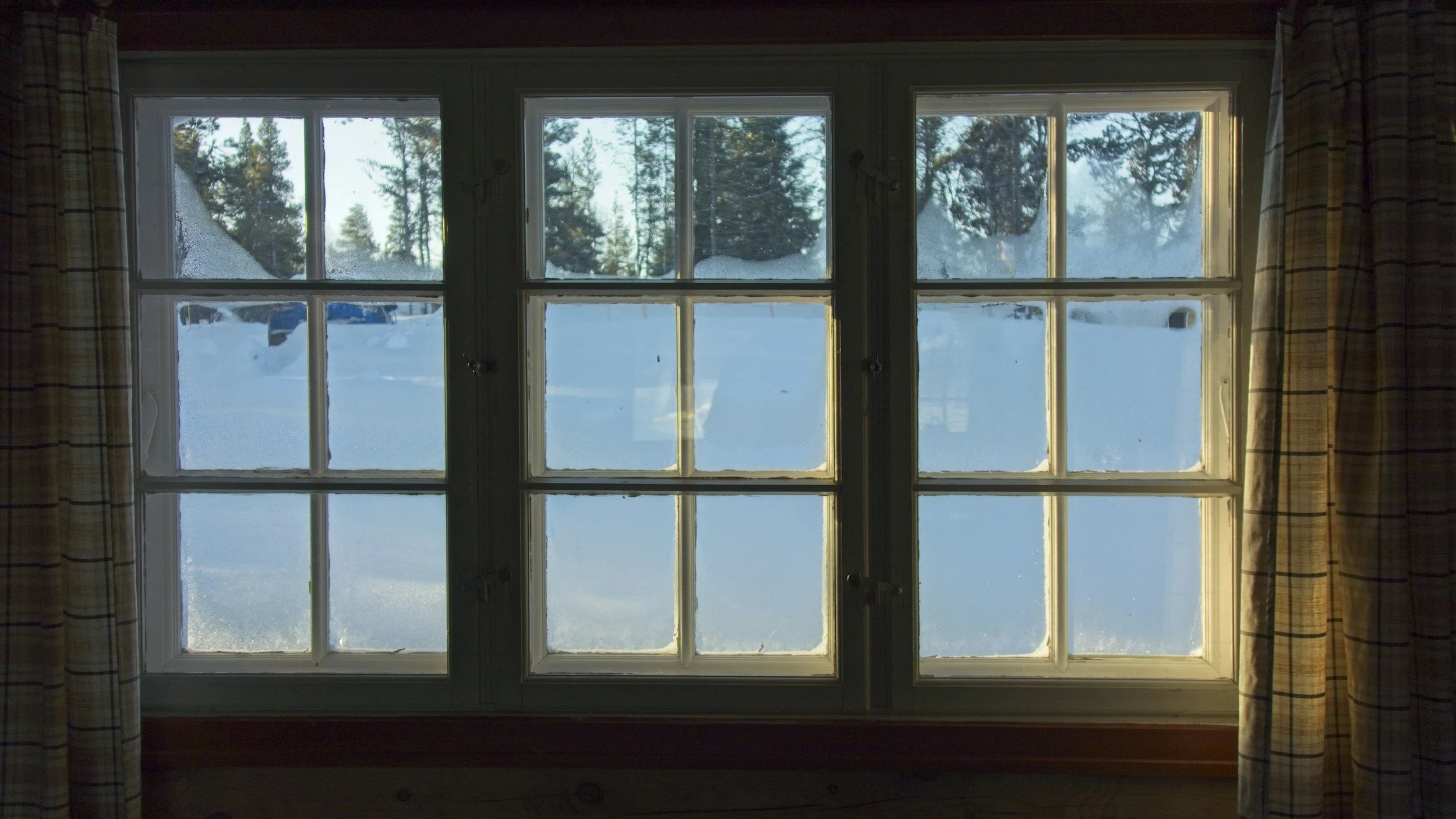
Before diving into specific strategies for individual rooms, it can be helpful to understand where most winter energy use comes from. In colder months, heating accounts for the largest share of household energy consumption. Heat loss through poorly sealed windows, doors, and attics can undo even the most efficient heating system. Plugging up the holes that let heat escape and cold air in is ultimately the most efficient way to keep your costs in check.
A few whole-home habits to start with include these:
Set your thermostat a few degrees lower than usual and layer clothing indoors. Many HVAC companies recommend setting your thermostat to 68 degrees Fahrenheit () in winter. Some power companies may also lower your energy rate during peak times if you set your thermostat lower (check with your energy provider for rate reduction programs).
Use programmable settings on your thermostat so heat is reduced while you sleep or are away. Keep in mind that Smart thermostats may also allow energy companies to control settings. You can usually disable this feature if you want.
Seal drafts around doors and windows with weatherstripping, draft blockers, or plastic window insulation. Replace old or worn weatherstripping. You can also use rope caulk weatherstripping around the openings of your windows to keep drafts from getting in.
Open curtains during sunny days to let natural heat in, then close them at night to retain warmth. Heavy curtains work best to keep heat in.
Once these basics are in place, room-by-room adjustments become even more effective.
Living Room: Stay Warm Without Turning Up the Heat
The living room is often one of the most used spaces in winter, especially during evenings and weekends. Because of this, it can also be a major source of energy waste if not managed intentionally.
Start with heat retention. Area rugs help insulate hard floors, while curtains and blinds reduce heat loss through windows. If furniture is blocking vents or radiators, rearranging the layout can improve airflow and efficiency.
Lighting also matters. Switching frequently used lamps to LED bulbs reduces electricity use and ensures less heat loss overall. Using power strips for televisions, streaming devices, and gaming systems and turning them off at night prevents “phantom energy” draw when devices are turned off but still plugged in.
Comfort does not have to mean higher thermostat settings. Blankets, throws, and warm fabrics go a long way in keeping this space comfortable while keeping energy costs in check.
Kitchen: Save Energy While Cooking and Gathering
The kitchen tends to be a hub in winter, especially with many of us staying in to enjoy more home-cooked meals. Fortunately, it’s also a room where energy savings are easy to achieve with small habit changes.
When using the oven, try batch cooking. Preparing multiple meals at once makes better use of the energy already being used. Turn the oven off a few minutes early and allow residual heat to finish cooking. Alternatively, if you have an electric oven, leave the door ajar after cooking to warm the room quickly (this should not be used as a primary method of heating the room, however). For stovetop meals, keep lids on pots to reduce cooking time.
Your refrigerator and freezer also play a role in lowering energy costs. Make sure the fridge is set between 37–40°F and the freezer around 0°F. Avoid standing with the door open, which forces the appliance to work harder to maintain temperature.
engin akyurt @unsplash
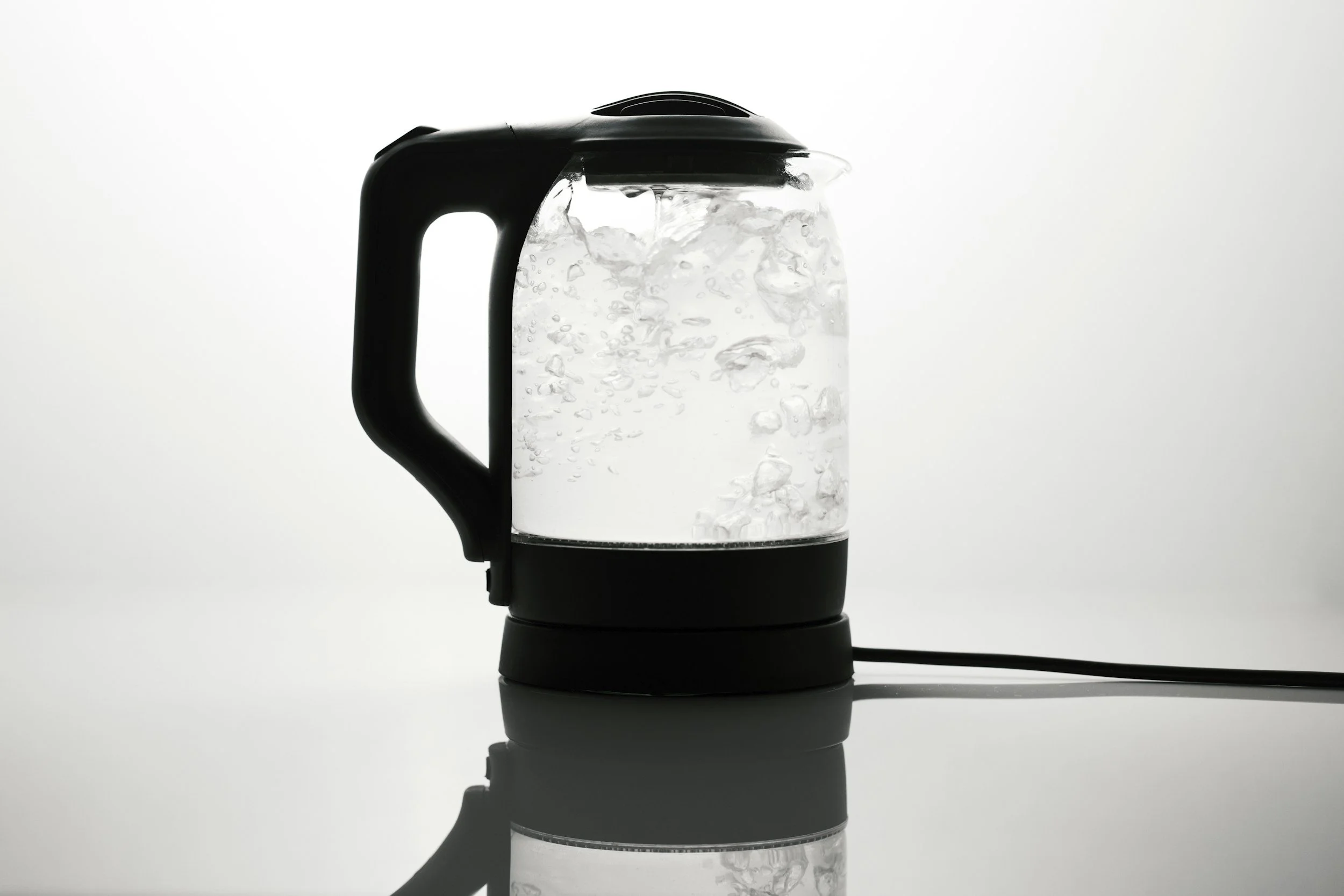
Electric kettles and toaster ovens can be more efficient than full stovetop or oven use for small tasks. These swaps may seem minor, but over the winter months, they add up.
Bedrooms: Sleep Warm and Efficiently
Bedrooms are ideal places to reduce energy use because comfort can often be achieved without constant heating. At night, slightly cooler temperatures support better sleep, lower energy consumption, and may even boost your metabolism.
Layered bedding is far more efficient than space heaters, which can drive up electricity costs and pose safety risks. Flannel sheets, extra blankets, and warm pajamas make a big difference without increasing energy use.
Draft-proofing your bedroom windows and doors helps keep warmth in overnight. If your ceiling fan has a reverse setting, running it clockwise at the lowest speed helps circulate warm air back down into the room.
Unplug chargers and electronics that are not in use. Even small devices draw power continuously when left plugged in, and this will drive up your energy costs. “Phantom loads” from plugged in yet unused devices can drive up your energy costs by as much as 10% annually, so unplugging really can make a difference (it’s much easier to do if you use power strips that can be switched off).
Bathroom: Reduce Hot Water Use Without Sacrificing Comfort
The average shower in the US uses 16-17 gallons of water. Hot water usage often spikes in winter, especially with longer showers. While it’s tempting to linger, reducing hot water use is one of the most effective ways to lower energy bills.
Shortening showers by just a few minutes can significantly cut energy consumption over time. Low-flow showerheads are an affordable upgrade that reduces water use while maintaining pressure. Turn off the water while lathering up; alternatively, if you share a shower with your significant other, you can save money as well as boost intimacy, talk without distractions, and get some relief from stress ¾ together.
After your shower, close the bathroom door to retain warmth rather than letting heat escape. Use exhaust fans only as long as needed to manage moisture, since running them continuously pulls warm air out of your home.
These small changes improve efficiency without making winter routines feel uncomfortable.
Home Office or Bonus Rooms: Hidden Energy Costs
With more people working or spending time at home in winter, offices and bonus rooms can quietly increase energy use. These rooms often contain electronics that draw power throughout the day.
If the room is not used regularly, consider reducing heat to that space and keeping the door closed. For frequently used home offices, focus on zoning heat efficiently rather than warming unused areas of the house. And as I recently found out with an assessment of my HVAC needs, using vent blockers is NOT an efficient way of redirecting heat to other parts of your home. In fact, they can put more strain on your HVAC system by creating a buildup of pressure. Instead, vent deflectors may be a better option: they redirect air flow to eliminate cold spots, bypass furniture, and improve circulation in a room.

Francesco Ungaro @unsplash
Turn off computers, monitors, and printers at the end of the day rather than leaving them in sleep mode. Smart plugs or timers make this habit easier and more consistent.
Maximize natural light during daytime hours to reduce reliance on artificial lighting, especially on clear winter days.
Laundry Room: Small Changes, Real Savings
Laundry may not seem like a major energy drain, but winter habits can increase its impact. Washing clothes in cold water significantly reduces energy use and works well for most loads.
Dryers are one of the most energy-intensive appliances in the home. Cleaning the lint trap after every load improves efficiency and shortens drying time. Whenever possible, air-dry clothes indoors using drying racks.
If your utility company offers off-peak pricing, scheduling laundry during those hours can further reduce your costs.
When Small Upgrades Make Sense
While this guide focuses on habits rather than renovations, a few lower cost upgrades can pay off quickly:
Programmable or smart thermostats
LED bulb replacements throughout the home
Door sweeps (including DIY door sweeps) and outlet insulation. You can even make a simple door sweep out of a pool noodle!
These improvements work best when paired with consistent habits. The goal is not perfection, but steady progress toward a more efficient home.
Energy Savings Are Built One Habit at a Time
Saving energy at home in winter does not require doing everything at once. Even choosing two or three changes from this guide can lead to noticeable savings and improved comfort.
Room-by-room strategies make the process manageable and realistic, especially when paired with a broader approach to living greener at home without overspending. Over time, these small shifts become second nature, benefiting both your household and the environment.
You may also be interested in…





With persistent inflation raising the cost of electricity in the US and winter being the season when rates normally go up, I resolved to keep my energy costs as low as possible this year. Investing in new windows was out, since I needed to purchase a whole new HVAC system to replace my 20-year old one. This meant that I had to spend hours plugging leaks around my home and insulating wherever possible. So far, my energy costs are stable, but the coming months of near-constant below-freezing temperatures will be the real test.