


10 Ways to Reduce Your Use of Plastic
/(updated December 17, 2025)
Plastic waste continues to rise worldwide, driven largely by single-use packaging, convenience products, and short-lived consumer goods. Globally, hundreds of millions of tons of plastic are produced each year, yet only a small fraction is ever recycled, with most ending up in landfills, incinerators, the natural environment, and our food supply. In the United States, plastic packaging and containers make up a significant share of household waste, which highlights how everyday consumption habits contribute directly to a growing waste problem.
While systemic solutions are essential, meaningful progress also depends on changes we make at home, especially choices that prioritize reuse, durability, and mindful consumption as part of plastic-free living.
Plastic waste increased during COVID-19
The early months of the global COVID-19 pandemic also revealed how quickly plastic waste can surge under conditions of increased consumption. According to the Solid Waste Association of North America, U.S. cities saw a 20% average increase in municipal solid waste and recycling collection from March into April 2020. Increased trash during this period can be attributed partly to spring cleaning, but most of it was due to people consuming more disposable goods made of single-use (or limited use) plastic because of COVID-19, including an increase in the use of PPE such as masks and gloves. Although it’s hard to imagine our modern lives without it, plastic has been a major source of waste and a significant contributor to climate change. Many households want to cut back but assume greener choices are always more expensive, when in reality, eco-friendly living at home on a realistic budget often starts with using less and consuming more intentionally.
Promising trends in reducing plastic waste
There are some promising innovations in plastics recycling and mitigation of plastic waste by government agencies, activist groups and community-based initiatives and organizations that seek to reduce plastic waste, make plastic recycling more feasible, and back legislation that aims to hold companies accountable for their contribution to the plastic pollution problem. A major part of the solution will be up to individuals to do what they can to support plastic-free living and reduce plastic waste. This means reducing your use of plastic wherever and whenever possible. An added bonus is that reduced public demand, coupled with public pressure, works to incentivize manufacturers and businesses to decrease their production and purchase of plastic. Currently, large corporations are the major drivers of single-use plastic waste.
There is a growing awareness of the global threat that plastics pose to the world’s oceans. There are over 5.25 trillion pieces of plastic polluting the oceans, including the Great Pacific garbage patch, a floating island of plastic that is larger than the state of Texas. Over 88% of the world’s oceans are polluted by plastic, which kills over a million seabirds and 100,000 marine animals each year, including 1 in 3 fish that is caught each year for human consumption. Most of this plastic does not break down even after decades, and biodegradable plastics and bioplastics, which continue to be promoted as potential solutions to the problem of plastic pollution, pose their own problems, making plastic-free living through reduction far more effective.
Why recycling plastic isn’t the solution
Plastic recycling takes place at much smaller percentages than most people realize, with only 8.5% of plastics in the US being recycled each year and 91% of plastic globally not being recycled. There have been several innovative programs that have sought to mitigate plastic waste in recent years, such as upcycling plastics into other usable products, converting hard-to-recycle plastic to energy, and the Namma Mane project launched by India’s Plastics for Change Foundation, which converts hard-to-recycle plastic waste into building materials.
Less consumption equals more plastic-free living
However, the most sustainable solutions to plastic waste will only be possible when we change our everyday habits and learn to use less plastic in the first place. Small, affordable shifts in how we shop, store food, and consume products show how plastic-free living can make a measurable difference over time. Read the infographic below to discover 10 realistic ways to reduce your plastic use at home, without adding extra cost or complexity to your routine.
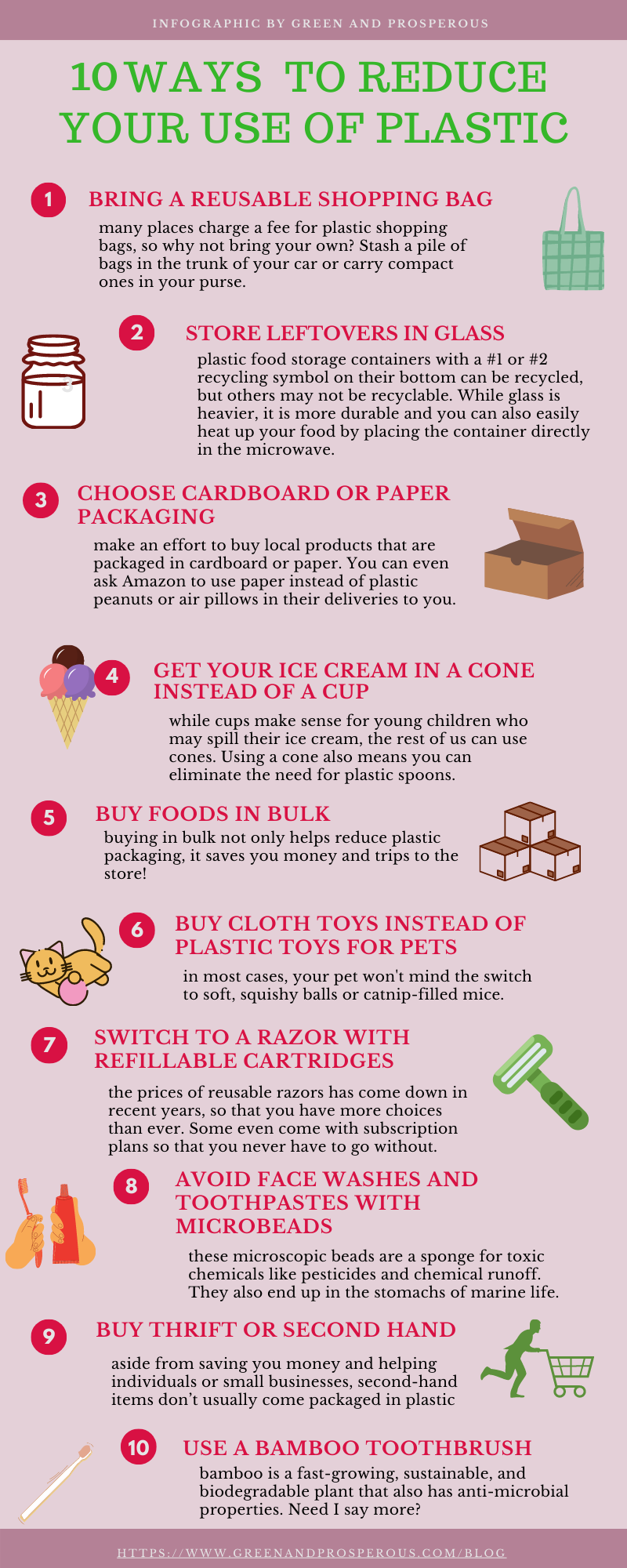
10 simple ways to reduce plastic waste at home
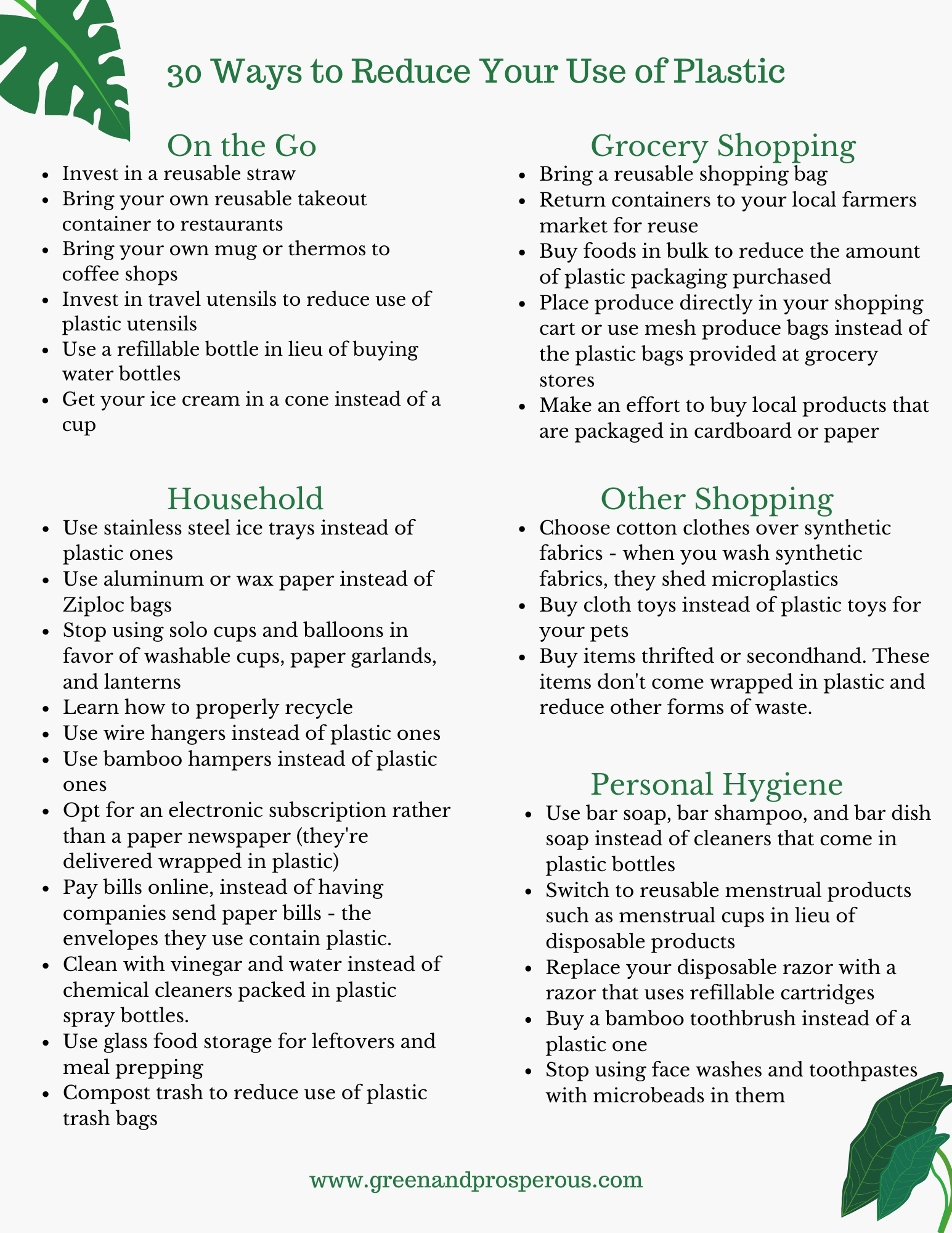
REduce your Use of Plastic in these 30 ways
A Quick-Reference for Reducing Plastic Use
Want even more practical ideas you can use right away? Download and print our free cheat sheet, 30 Ways to Reduce Your Use of Plastic, available in our Free Resources library with your email signup. You’ll find simple, affordable swaps that make it easier to cut waste at home without overhauling your lifestyle.
Click the image and sign up to receive instant access.
Unsubscribe anytime.
You may also be interested in…
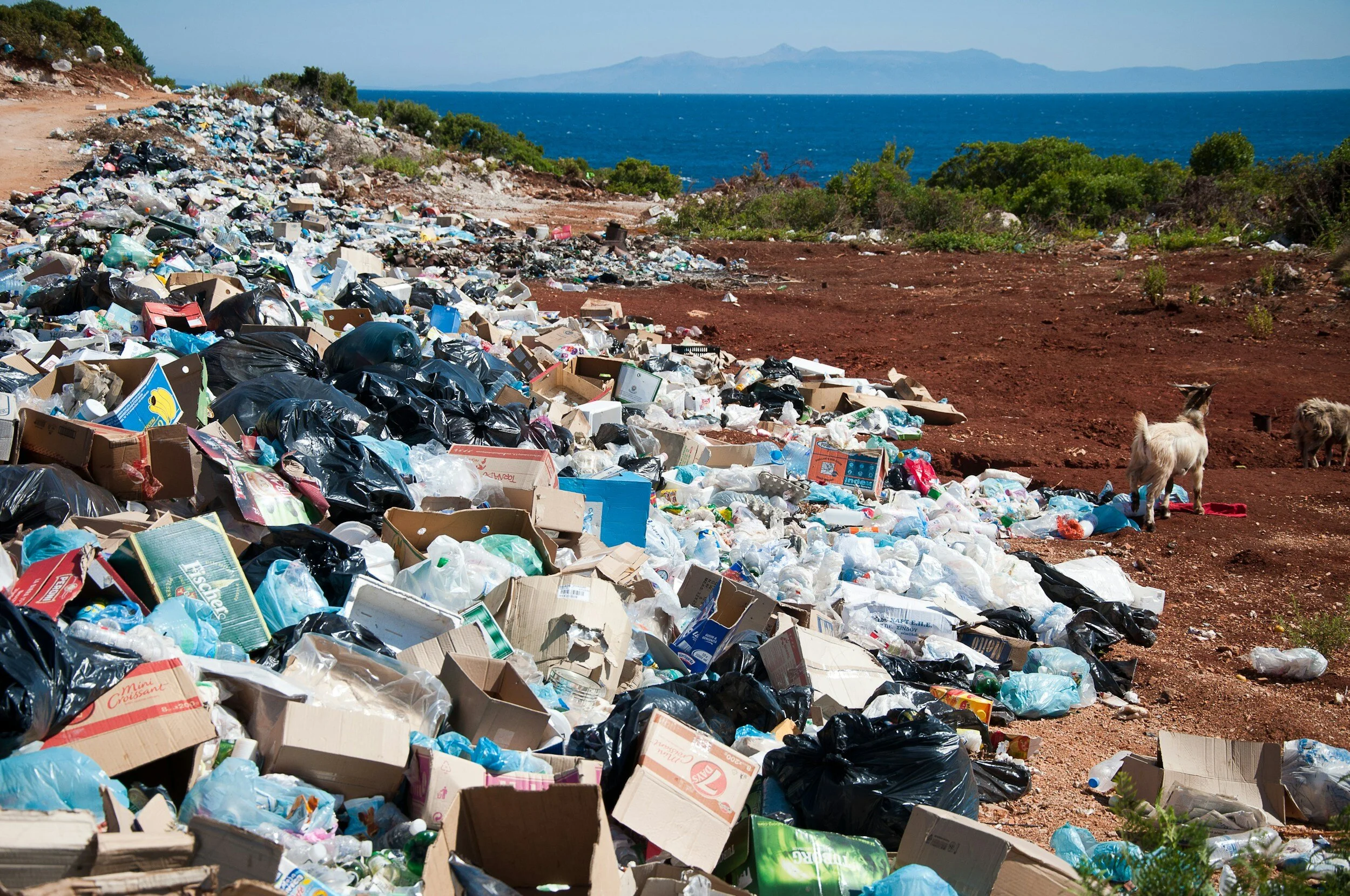




Reducing single-use plastic isn’t just a trendy buzzword, it’s a meaningful step toward protecting oceans, wildlife, and human health. Plastic takes centuries to break down, leaches harmful chemicals, and shows up in the deepest trenches of the sea and the highest peaks of the Himalayas. This guide covers everything from understanding the problem to everyday swaps, all designed to help you transition to a plastic-free lifestyle.