Global trends in recycling: how does your country measure up?
/
An infographic that describes recycling trends and statistics around the world. How does your country measure up?
Read More

these blog pages contain affiliate links which may earn Green and Prosperous a small commission if you click or purchase products using them. You can find our privacy statement here.

An infographic that describes recycling trends and statistics around the world. How does your country measure up?
Read MoreGuest post by PacMoore
There was a time fairly recently where you were lucky if food labels listed the ingredients. In keeping with the Information Age, however, today there’s a surplus of information on labels in every aisle of the grocery store. Food labels tell you what’s in your food, how many calories it contains, how large a portion is, and so on and so forth. And, as the food industry and consumers continue to become more demanding, the amount of information those labels contain is increasing.
For example, more people today are apprehensive about eating non-organic foods or foods prepared with genetically modified organisms (GMOs), so organizations such as the USDA and the Non-GMO Project are labeling foods to help consumers make better-informed decisions. For many people, especially people trying to uphold a vegan diet, food labeling has become an important component of their lifestyles.
Read MoreSummer is coming really fast and the sunlight is getting stronger.
Basically, sun exposure is very beneficial for us, especially if we work long hours in an office with artificial lighting. Natural sunlight stimulates vitamin D production in the body. And as we know, vitamin D is extremely important for developing our bone structure, boosting our natural immune system, and even healing from and preventing depression and anxiety!
On the other hand, it is also very important to take sun baths with caution and to always use sunscreen. The rule also applies in winter when the snow reflects the sun rays even more strongly. Unfortunately, most commercial sunscreens contain lots of unhealthy and toxic substances that may do us more harm than good.
Read MoreCamping is one of the most enjoyable things there is. It is the perfect way to bond as a family and allow yourself the luxury of enjoying the fresh air. It’s good for your health and can really help you to disconnect from our social media drenched world and restart your mind a little bit.
The only problem is that camping tends to be rather detrimental to the environment. We tend not to think about places that we are only inhabiting temporarily; this is a malaise that affects pretty much all of humanity.
Thankfully, there is a way to be a little eco-friendlier while camping. Listed below are seven ways that you can make your campsite greener, so pack your tent and your tree climbing harness and get ready to have fun that won’t impact the environment in a negative way!
Read MoreGuest post by Matthew Smith
According to the Brundtland Report, created by the United Nations back in 1978, sustainability or sustainable development includes design, construction, operations and maintenance practices that meet the needs of the present without compromising the ability of future generations to meet their needs. In other words, being sustainable means being able to recognize the importance of thinking ahead, not looking for and applying short-term solutions for benefit.
Nowadays, it is becoming even more important to be aware of the exact impact of your actions on your community and ways to minimize the possibility of further, unnecessary damage.
Even though humans are becoming well aware of the terrible influence they've had on the planet, green solutions are usually expensive. There are, though, solutions which are cost friendly.
Read MoreToday’s guest blog post tackles the subject of food waste, which is a major problem around the world. It is an issue that many people don’t think about, or associate primarily with farms, which experiences a loss of about 30% of their produce annually, according to the UN’s Food and Agriculture Organization. In the US and Europe, much of this waste happens because the food on farms is considered “unfit” for consumer markets.
Did you know, however, that much more food waste occurs in individual homes? This means that each person has the ability to address this major environmental problem by making a few changes in how they handle the food they buy and eat. Click here to read the full article and find out more; there’s also a helpful infographic in the article, and included on this page, that also breaks down what you need to know!
Read MoreThis is the first in a 3-part series of posts on gardening
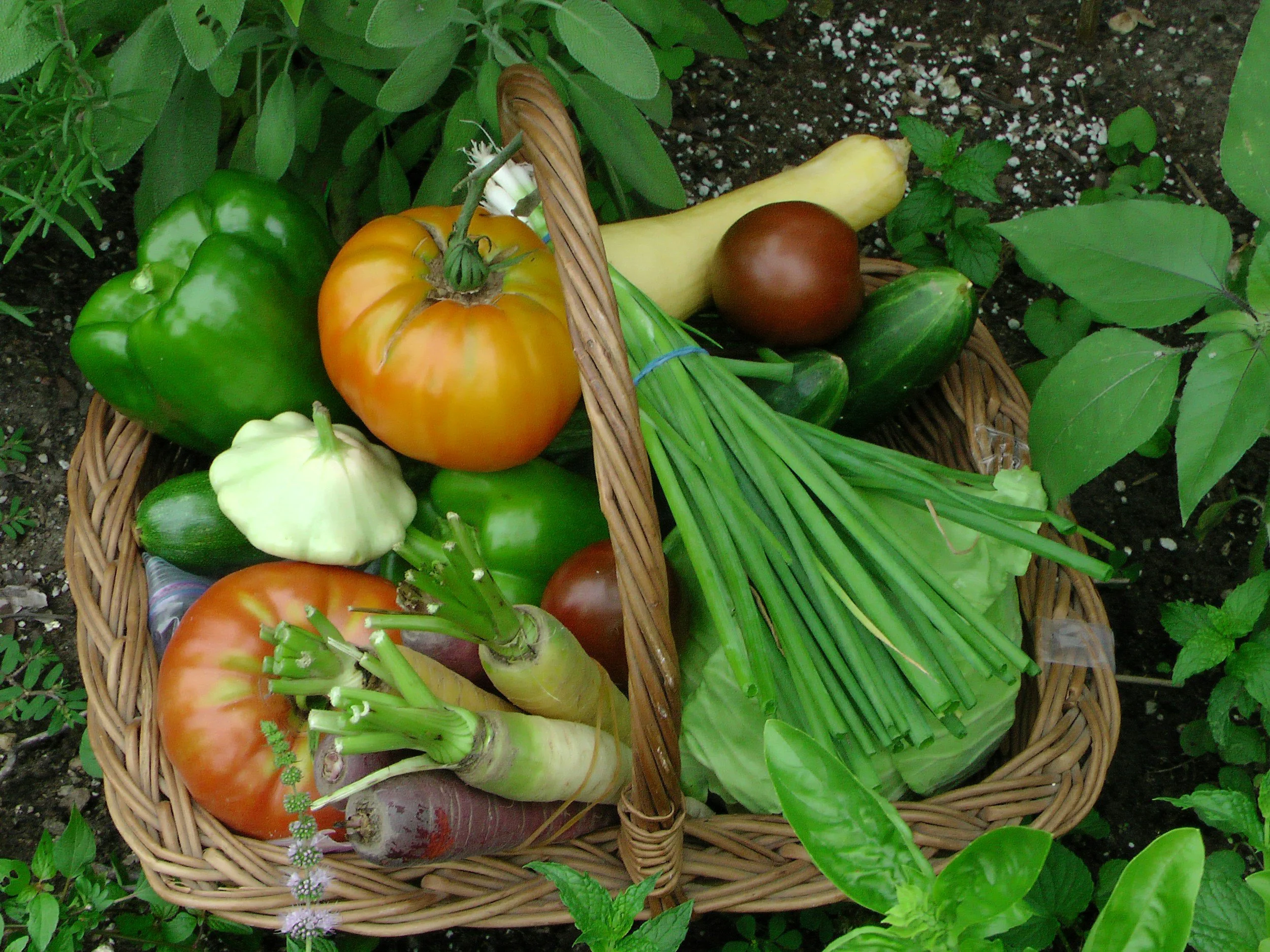
Are you excited about the idea of unplugging for a while and getting in the garden to grow delicious fruits, herbs, and veggies, but still haven’t quite gotten to the point of translating that enthusiasm into action? Or maybe the weather hasn’t quite cooperated – if you’re living in a climate like mine that’s cold one week and hot the next, rainy for two days in a row and boiling hot afterwards, then you may have to take a few extra steps this growing season. But there’s certainly plenty of time to still have a healthy, abundant harvest in as little as a few weeks.
If you want to go beyond planting just a thing or two to eat, or need detailed advice about how to grow food you can eat every week, even if you don’t have much space to work with, you can find out a lot more information in my second green guidebook, Go Green without Going Broke.
On the other hand, if you just want a few bits of advice, read on...
Read Moreguest post by Amy Trotter
Ever been asked how your mental faculties are? Probably not, or at the very least the question was likely posed in a more commonplace way of asking. But let’s take a look at the question just exactly as it is here, and start by weighing the meaning of the word ‘faculties’ in this context.
Merriam-Webster - the world’s premier online dictionary - provides 4 definitions for faculty. Definition 1b applies here, ‘an inherent capability, power, or function’
Does that sound like you and your brain? If so, great: your mental faculties are going strong. If not, perhaps you’d like to learn more about natural supplements to boost brain power. They do exist, and more than likely they can be found at your local pharmacy or health and wellness store.
Read Moreguest post by Todd Simpson
I recently had the opportunity to test the air quality in a building. This building does light fabrication and the owner wanted to know if the inside air is a problem to their employees. Does breathing 10 trillion particulates sound like a problem? Let me explain.
I use a Dylos machine to check the indoor air. There are two important numbers you need to know...
Read MoreThis is the second post in a 3-part series on green cleaning
A quick survey of store shelves these days will tell you that there are more options for purchasing “green” cleaning products than ever before. In North America, Europe, and Australia, the options for buying eco-friendly products reflect regional and class disparities: the coastal areas of the US tend to reflect current trends in eco-conscious lifestyles with greater ubiquity than the southeastern belt and Midwestern heartland, while generally, wealthier neighborhood stores offer more options for “eco-conscious” shopping than stores in poorer neighborhoods. With few exceptions, the cheaper the product, the more likely it is that the company that manufactured it will have engaged in “greenwashing.”
Read Moreguest post by Mike Copsey
When consumers buy groceries, clothing, fast food or practically anything else, it almost always involves plastic. I don't mean the kind of plastic that has value like a credit card, but plastic that is worthless once used. Polyethylene terephthalate (PET or PETE), high-density polyethylene (HDPE), polyvinyl chloride (PVC), low-density polyethylene (LDPE), polypropylene (PP) or even polystyrene (PS) are some of the most common types of plastic that you will buy, or have handed to you because of your purchase. We have become dependent on plastic. Plastic straws, plastic plates, plastic cups, plastic milk jugs, bottled water in plastic bottles, plastic laundry soap containers, plastic siding, plastic insulation (polyurethane), plastic equipment cases, plastic coated cardboard containers for liquids like milk, plastic coated furniture and wood to make it last longer and even plastic trees. Try to think of purchases that didn't involve plastic! Manufacturers are designing products made of plastics that must be thrown away, which is a huge design flaw. Plastic is a great material when it is used in the right kinds of products -- like recycled plastic picnic tables.
Read MoreWell Earth Day came and went and if you were in the US and blinked, you’d have missed the mainstream media coverage that marked the moment. No problem: as I wrote in a blog post to commemorate last year’s Earth Day, we don’t really need it anymore. Considering the near-steady diet of alarming environmental news we are treated to --natural disasters both looking and realized; contaminants in the water; stubborn spates of denial about the death-spiral of the fossil fuel industry era (tar sands pipelines, anyone?) –, we passed the need for Earth Day about 30 or so years ago...
Wanting to live more ethically is the first step in a long process of making it happen, and you may always fall short in the end. Reducing consumption is an important part of being green(er), and it may be the hardest one for many people to actually put into action.
Small steps are better than no steps at all.
This post offers one small – yet important – way you can reduce waste in your own home...
Read MoreGrowing some of your own food has numerous, scientifically proven physical, emotional, and mental health benefits. To anyone who has committed to a healthy lifestyle, it’s no surprise that eating a mostly plant-based diet is better for your health and can help you avoid some common pitfalls of aging, such as developing chronic inflammation and its associated illnesses. In the United States, food gardening is at its highest levels in the past decade, with the largest growth in participation among young households.
In my book, Go Green without Going Broke, I have written in detail about some of the benefits of growing your own food, and offered advice about how to do so, even if you’ve never grown anything before. Depending on the growing zone you live in, or the equipment at your disposal, you may have already started preparing your vegetable and herb garden by sowing seeds or transplanting seedlings. Today’s post focuses on a few key strategies that I have found to be very effective for reaping an abundant harvest that starts in spring and continues throughout the fall season, producing fresh food for you to enjoy for many months to come.
Read Moreguest post from Erica Garlands, with slideshow by Modern Bathroom
(this is the first post in a 3-part series on Green Cleaning)
Did you know that there are 150 chemicals found in the home that are connected to allergies, birth defects, cancer and physiological disorders? And most of these chemicals are found in bathroom-cleaning products! Bathrooms are high traffic rooms, and obviously need to be kept clean due to the high level of germs that can collect in bathrooms. There are many cleaning options available to us, many containing harmful products, but there are ways to effectively clean by only using natural ingredients. Some of these natural ingredients include grapefruit, lemons, salt, and baking soda.
Read MoreThis post is the 3rd and final one in a 3-part series on chronic inflammation. For this post, I asked the opinions of four experts in the fields of medicine, wellness, and holistic healing for their advice on treating chronic inflammation with diet and herbs.
Read MoreOUR MISSION
We are dedicated to sharing information about and strategies for healthy, eco-friendly living. As a consumer, you have power to minimize your exposure to toxins and change manufacturing practices that harm human and environmental health.
get The Green Living Weekly every Sunday for sustainable living inspiration.
Want more? Add Weekly Gardening Tips for seasonal garden advice.
You're in! Check your email for more information and access to our Free Resources library.


want some free resources to help you maintain your healthy lifestyle? Click the button above to sign up!
A fresh tip every Friday, designed to help you grow your best garden yet!
You have successfully joined our subscriber list.