



Why France Is a Top Solar Investment Market for 2025: Policy, Innovation & ROI
/Sponsored by OpusFlow
France's energy landscape is undergoing a significant shift from nuclear power to renewable energy sources, creating a substantial market opportunity for solar installers. However, this solar boom comes with challenges, like navigating tricky regulations and juggling multiple tools.
At OpusFlow, we’ve mapped the strategic blind spots in the market and decoded the patterns that will determine future winners. Our exhaustive analysis of the French market offers a rare glimpse into our findings: the insights that are currently shaping our strategy and giving our partners an unparalleled edge. This is our competitive edge needed to conquer Europe's next green powerhouse.
The French renewable energy landscape: more than just nuclear
France's green energy ambition
For a long time, France has relied on nuclear power, making electricity cheap and abundant. However, the country has set ambitious new goals to catch up with its European neighbors in the renewable energy race. According to SDES (France’s hub for Environmental, Energy, and Transport Statistics), by 2030, France aims for 33% of its total energy to come from renewables, a significant leap from the 22.3% recorded in 2023. This is creating a massive demand for new solar installations.
A European renewable powerhouse
Did you know France is the second-largest producer of renewable energy in Europe? While this is a huge achievement, the country is still accelerating its green transition, aiming for 33% renewable energy consumption by 2030, up from 22.3% in 2023. This national priority is backed by significant policies and a push for digitalisation, making France a prime location for sustainable businesses and a key future market for OpusFlow as we expand beyond the Netherlands, Germany, and Spain.
The overproduction paradox
Despite its progress, France faces a unique challenge: overproduction of renewable electricity. In the first half of 2025, a significant amount of renewable energy was lost due to intermittent production and network limitations. This highlights a critical need for smarter grid management and software solutions that help balance production and consumption. It's a problem that presents a huge opportunity for innovation, and a challenge OpusFlow is already helping to solve in mature markets where grid optimization is paramount.
A hyper-developing market
With only 1.4% of homes equipped with solar panels compared to the Netherlands' 34.2%, France is a late bloomer in the residential solar sector. As a Dutch-based company, OpusFlow has firsthand experience navigating a hyper-saturated market and can provide valuable insights for this new growth phase. The recent energy crisis and a decrease in equipment prices have shifted consumer behaviour, leading to a surge in demand. This massive, untapped market is a great opportunity for solar installers and software providers to expand. France is home to several renewable energy innovation hubs, from Paris to Grenoble and Nantes. These cities are centers of research and technology, attracting investment and fostering collaboration. They are pushing forward with new projects in offshore wind, geothermal energy, and solar, all of which require sophisticated software solutions to manage and optimize.
The rise of solar software
A dynamic and growing market
The French solar software market is expected to grow by 10%, driven by the country's ambitious renewable energy goals. Companies offering cloud-based, subscription-model software are well-positioned for success. The key is to provide solutions that address specific pain points across the entire solar project lifecycle: from initial residential apps to complex asset management platforms.
All-in-one solutions are key.
Solar installers often rely on a mix of different tools to manage a single project, which leads to major inefficiencies. This creates a huge demand for integrated, all-in-one platforms that act as a single "operating system" for a solar business. This is precisely the gap OpusFlow was built to fill. Our platform combines CRM, quoting, project management, and finance, a model we've successfully implemented with partners in Germany, Spain, and the UK to save installers time and reduce operational pressure.
The competitive landscape of French software
A segmented market
The French solar software market can be divided into four main categories. Understanding this landscape is crucial for positioning a comprehensive solution like OpusFlow.
Established Technical Players: These are the industry veterans, like PVsyst and Archelios, known for their deep engineering workflows and trusted accuracy. Their challenge is often outdated user interfaces and a lack of business management features.
Established Business Platforms: Big companies like SolarEdge leverage their brand recognition and hardware to promote their software, which often integrates seamlessly with their products.
Emerging Technical Players: Startups like Aurora Solar and Vesta. Eco is innovating with modern technologies like AI and cloud computing, offering intuitive and automated design platforms.
Emerging Business Platforms: This is the most dynamic segment, where OpusFlow will compete. Players like Solteo and Ubix Solar are building true all-in-one platforms to manage an installer's entire business workflow. They are attracting significant venture capital and are the ones to watch.
Economic trends and investment
A software-driven economy
The French software market is booming, with projections to exceed €25 billion by 2025. The SaaS (Software as a Service) model is a major driver of this growth, accounting for 56% of total software sales. This shows that French businesses, including small and medium-sized enterprises (SMEs), are ready to embrace digital solutions like OpusFlow.
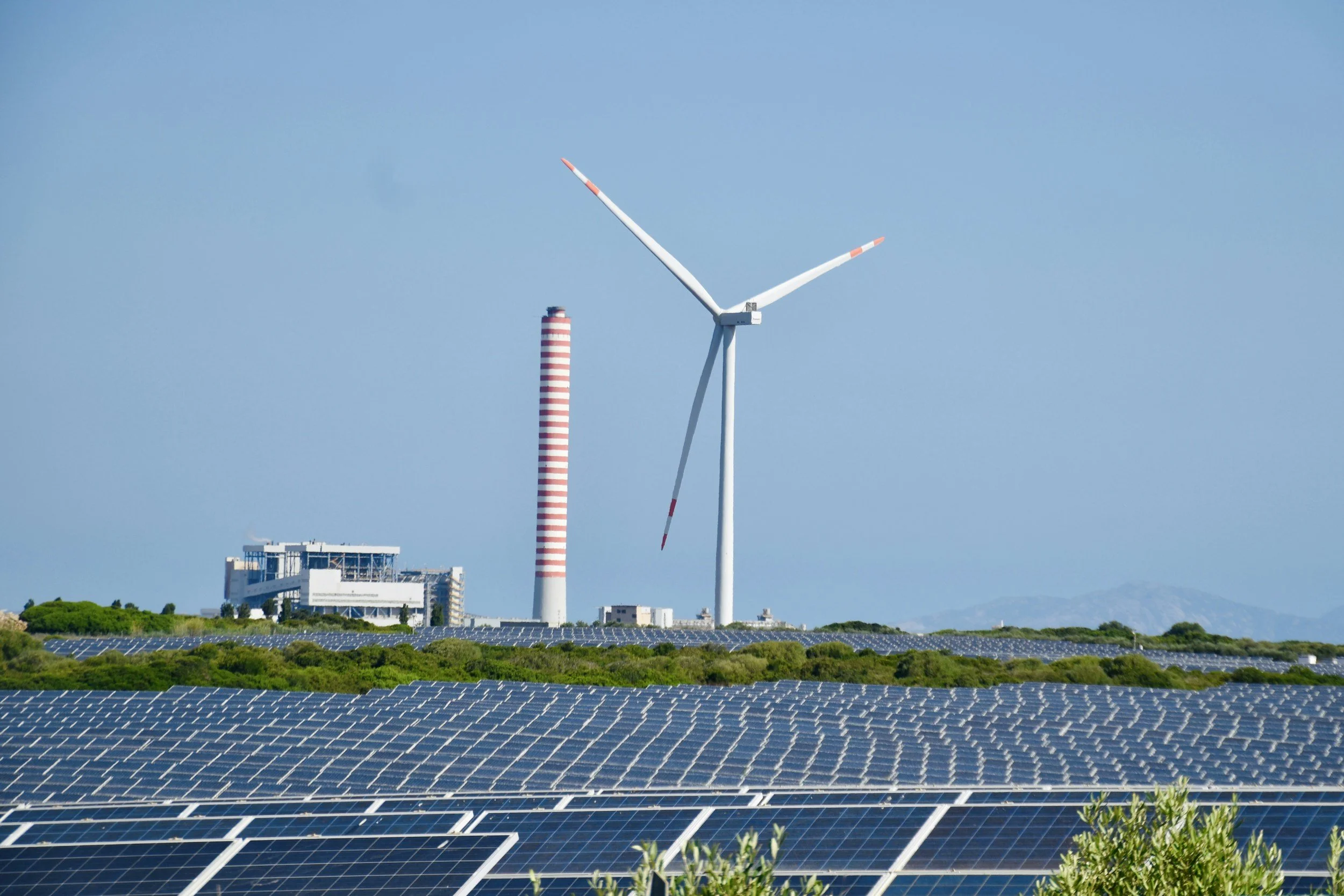
Arno Senoner @unsplash
Massive investments in green tech
France is heavily investing in its green future. The France 2030 national investment plan allocates €1 billion for renewable energy innovation. This is in addition to €500 million in financing from the European Investment Bank and Bpifrance for new solar and wind projects. This flow of capital creates a stable and promising environment for everyone in the sector.
The paradox of negative prices
Interestingly, despite high demand, some regions are experiencing negative electricity prices due to overproduction from renewables. While this makes renewable energy less profitable in the short term, it also highlights the urgent need for software solutions that help installers manage this price volatility and optimize their projects for long-term profitability.
Favourable policies and incentives
Legislation paving the way
The French government has implemented a series of laws to accelerate the energy transition and support the industry.
The Energy Transition for Green Growth Law (LTECV): This law simplifies administrative procedures for renewable energy projects, making it easier for installers to get their work done.
The Acceleration of Renewable Energies Production Law (APER): This law mandates the installation of solar panels on new non-residential buildings and large car parks, creating a huge, guaranteed market for solar installers.
The Green Industry Law: This legislation introduces a tax credit to support investment in green technologies, from solar panels to heat pumps, encouraging the development of a strong local supply chain.
Financial support for installers and consumers
Several government incentives make solar energy more accessible for everyone. These programs, like MaPrimeRénov', the Eco-Energy Loan, and the Zero-rate eco-loan, reduce the financial barriers for both homeowners and businesses. This directly increases the demand for solar installations and the software needed to manage them.
Our playbook for the French market: culture, compliance, and strategy
Cracking the code on French regulations
Our research confirmed that the administrative landscape is the primary bottleneck for French installers. It's a complex web of compliance, from fiscal laws like the Anti-Fraud VAT Law to project-specific declarations that must be filed with local authorities. A key insight from our analysis is that a software's success hinges on its ability to navigate this ecosystem from day one. For a platform like OpusFlow, leveraging our deep experience in other highly regulated EU markets like Germany and Belgium gives us a significant head start.
Navigating the nuances of French business culture
A core finding of our market analysis centers on business culture. Success in France isn't just about having the best product; it's about building genuine relationships. This contrasts with the more transactional Dutch approach and informs our entire market entry strategy, from how we build our team to how we engage with partners.
Relationship First: Our strategy prioritizes building rapport before talking business.
Local Presence is Key: A dedicated French team on the ground is non-negotiable for building trust.
Strategic Networking: We've identified key industry syndicates and events as crucial touchpoints for creating meaningful connections.
Positioning and pricing: a strategic approach
Our research into pricing psychology in the French tech sector was revealing. There is a strong, undeniable correlation between price and perceived quality. This insight, validated by an independent industry consultant, directly informs our positioning. Our approach will be to align value with price, consistent with our brand's premium standing in other European markets.
Key Pricing Principles from Our Research:
Value Perception: Our analysis shows that "free" or heavily discounted models can undermine a product's perceived value in this market. Pricing must reflect quality.
Segmented Offers: While maintaining a premium position, there are strategic opportunities to support smaller, growing companies, aligning with national green-tech initiatives.
The Art of Negotiation: Flexibility and a persuasive approach are essential components of the sales cycle in France.
Our strategic pillars for a successful launch
Our launch strategy is built on two foundational pillars that our research identified as critical for long-term success.

Vardan Papikyan @unsplash
Deep Localization is Non-Negotiable. This goes far beyond simple translation. It means creating a seamless, French-first experience across every touchpoint: from the software interface and customer support portal to our webinars and marketing. We also see clear opportunities to adapt our platform to address other key renewable energy sources prominent in France
The Power of Strategic Partnerships. Building credibility quickly is essential. Our go-to-market strategy will heavily leverage partnerships with established players and respected professional press, which our research shows remains a highly trusted source of information for French businesses.
Conclusion & expert insight
A Market Ready for a New Player
The French solar market is at a pivotal moment. The opportunities are immense, and the challenges are clear but conquerable. The key to success lies in two main areas: embracing digital innovation to solve installers' biggest problems and building authentic relationships to win their trust.

like this? please pin!
A final word from an expert
"The French market is truly booming, but many smaller companies are still stuck in the past. A software company that can show them the value, the time, and the money saved by offering a complete, integrated solution will be a game-changer. The market is full of software, but few can meet all of an installer's needs in one place. The entry of a comprehensive ERP Software for sustainable installation companies like OpusFlow would not only be welcome but truly needed," noted a former executive of Helioclim France, one of the key experts we consulted for this report.
About the Author:
Kimberly Sencial is pursuing a degree in International Trade and has hands-on experience in the aeronautical industry as a Customer Service Agent. Kimberly brings a global perspective, strong customer orientation, and a commitment to excellence in every role she undertakes.
You may also be interested in…





Small businesses in Australia are currently navigating a highly complex financial landscape. Between rising commercial rent, inventory inflation, and increasing wages, the cost of simply keeping the doors open is climbing steadily. Amidst all these expenses, retail electricity bills often represent one of the most unpredictable and stressful overheads for business owners. For many environmentally conscious entrepreneurs, the idea of transitioning to renewable energy feels like a luxury reserved for massive corporations with deep pockets.