

How to Plan a Small Garden Layout for Maximum Yield (Beginner-Friendly Guide)

How to Plan a Small Garden Layout for Maximum Yield (Beginner-Friendly Guide)

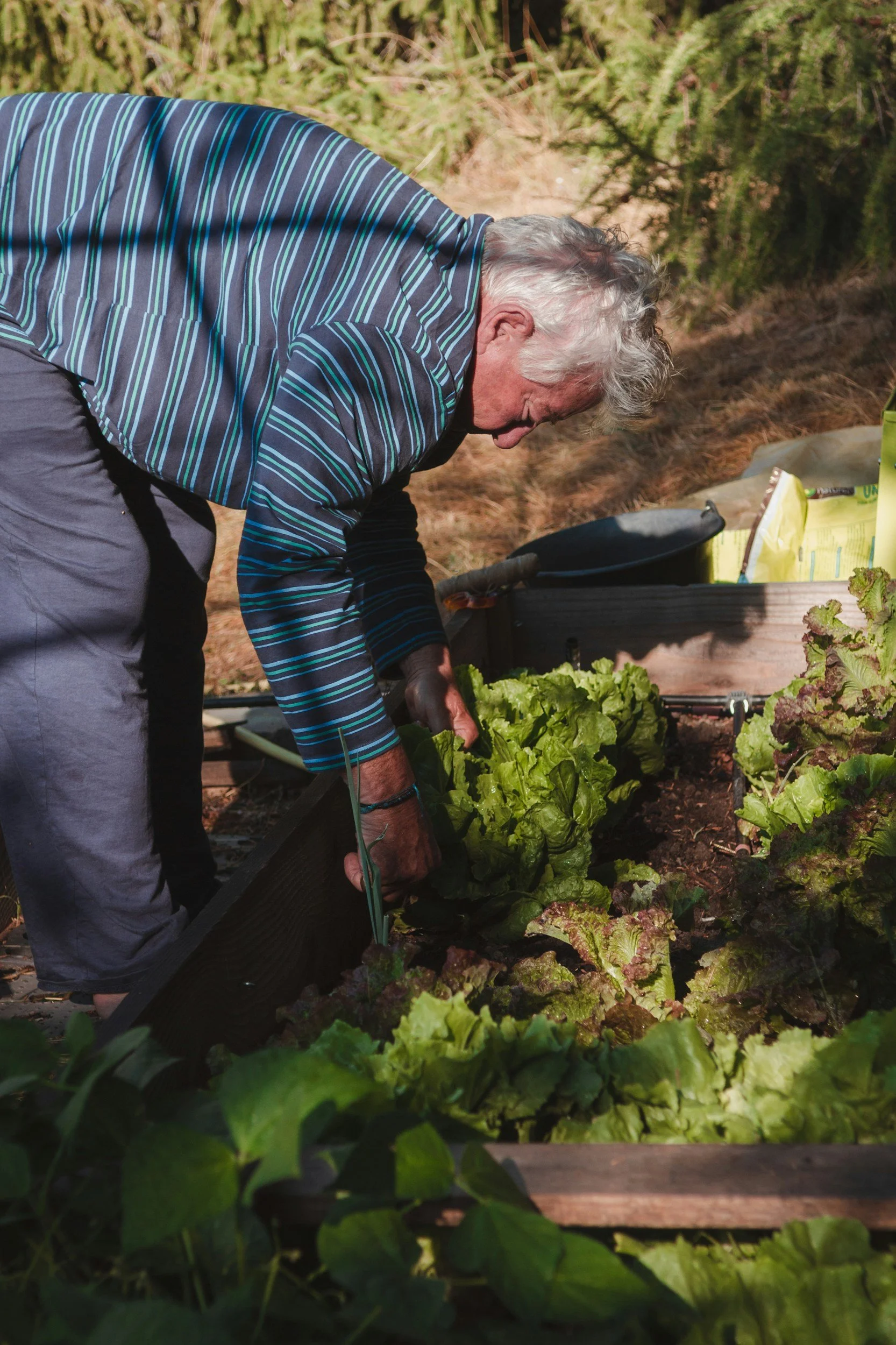
If you have a small space for growing an edible food garden, every square foot matters.

Many people picture a sprawling area filled with rows and rows of vegetables, or a handful of raised beds. If that’s what you have to work with, that’s wonderful! But many gardeners with considerably less space than that are able to grow a productive, thriving food garden. With thoughtful planning, even a compact garden can produce an impressive harvest.

Read More

Tree Care Tips Every Homeowner Should Know

Tree Care Tips Every Homeowner Should Know

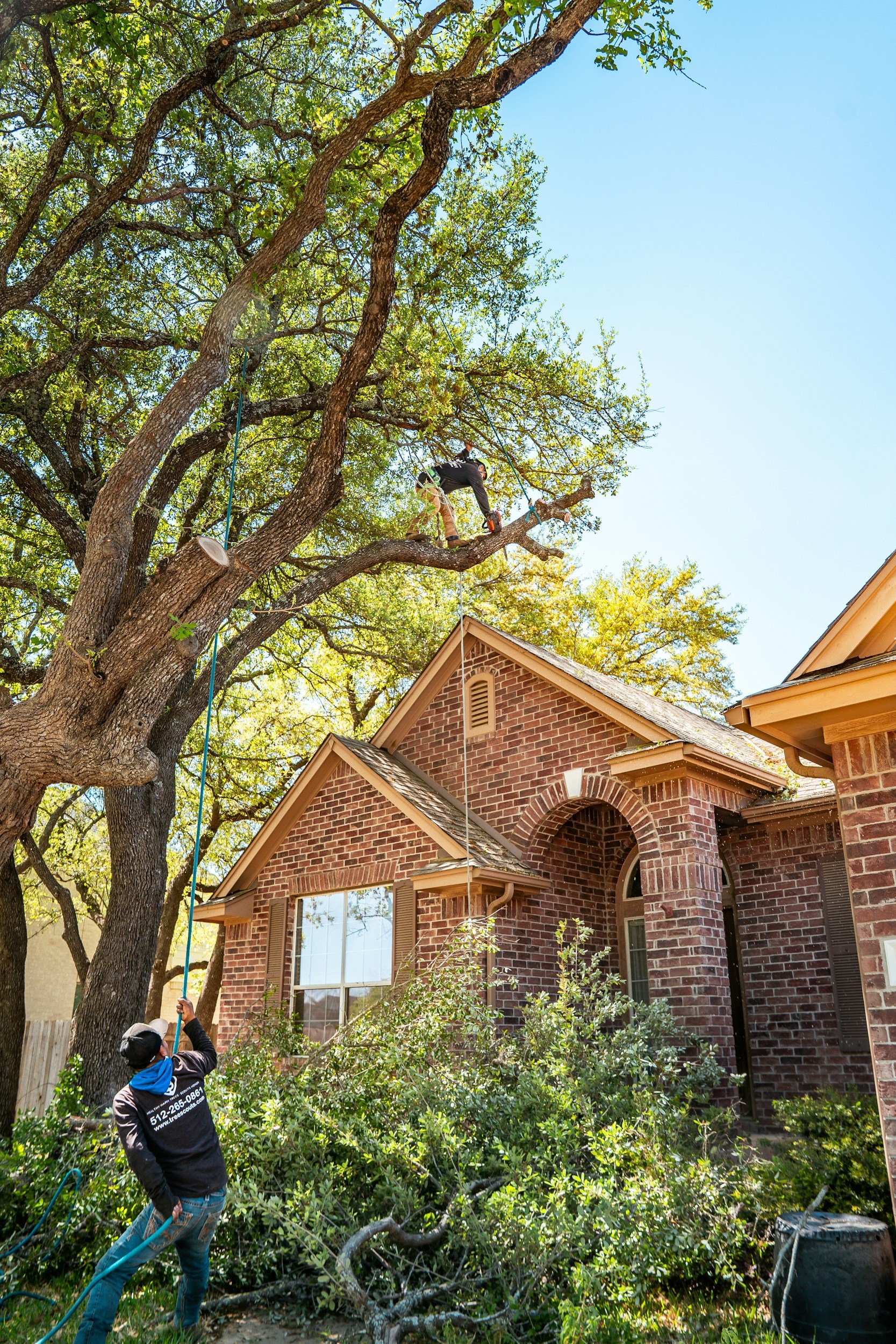
Trees make your property more beautiful, provide shade, and even boost your home's value — but they need proper attention to stay healthy and safe. If you've just moved into a home with established trees, or you've recently planted new ones, this guide walks you through everything you need to know to keep them thriving year-round.

Read More

Cold-Tolerant Vegetables You Can Still Plant in April

Cold-Tolerant Vegetables You Can Still Plant in April

Think you missed your chance to plant a spring garden? Well let me reassure you – you’re not late yet! The end of April can still be an excellent month to sow many cold-tolerant vegetables, especially crops that prefer cool soil and mild temperatures. In fact, some vegetables perform better when planted in April than they do earlier in late winter, because the soil has begun to warm and germination is often faster.

Read More

How to Grow Lettuce That Doesn’t Bolt Too Fast

How to Grow Lettuce That Doesn’t Bolt Too Fast

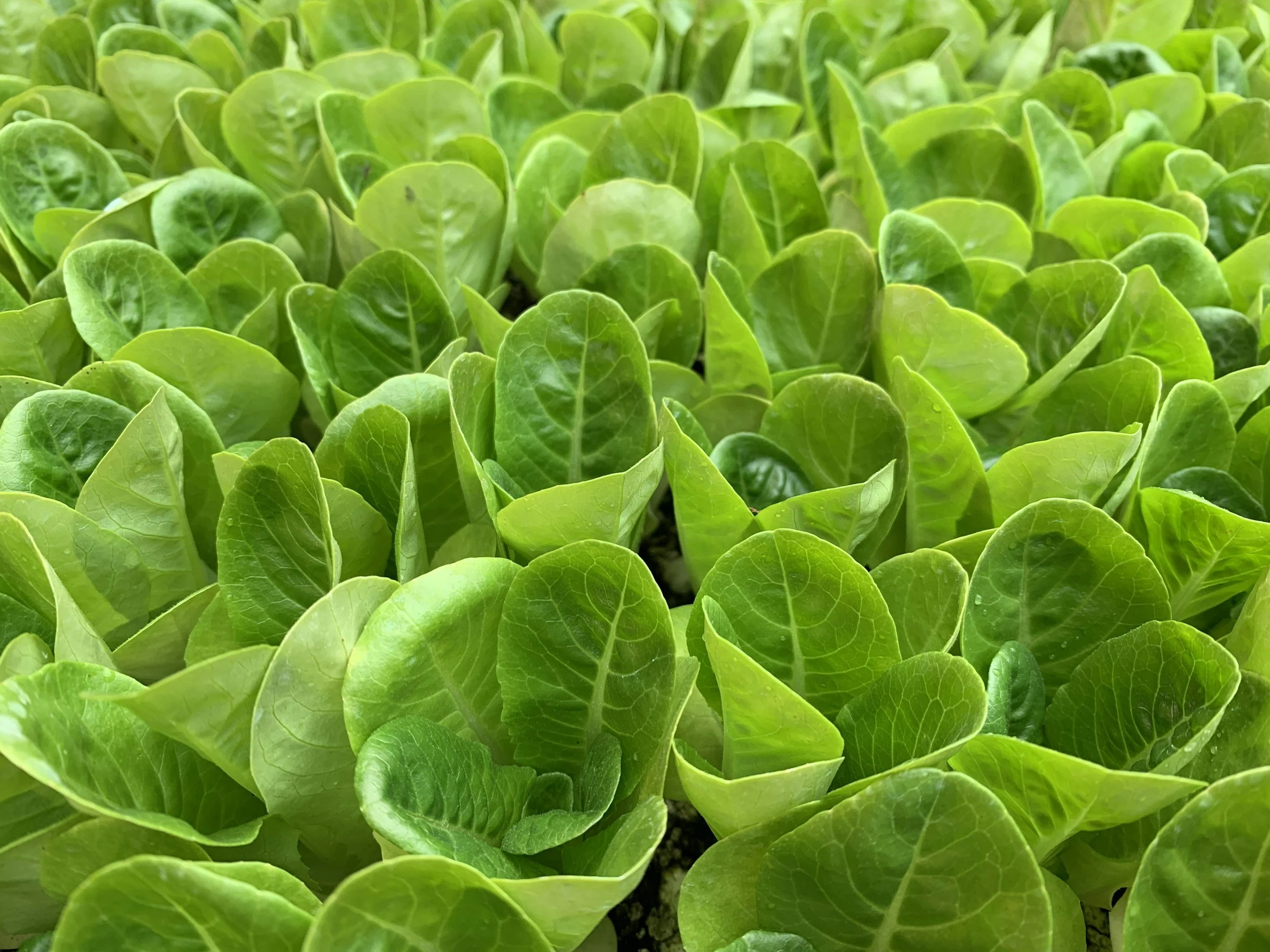
Have you ever stepped outside one afternoon to find that your beautiful lettuce patch is suddenly shooting up tall stems and turning bitter? This is not unusual when the weather turns warmer. Bolting is one of the most frustrating challenges for home gardeners, especially in late spring and early summer, when weather conditions can change quickly.

Read More

7 Ways to Support Pollinators When You Don't Have a Garden

7 Ways to Support Pollinators When You Don't Have a Garden

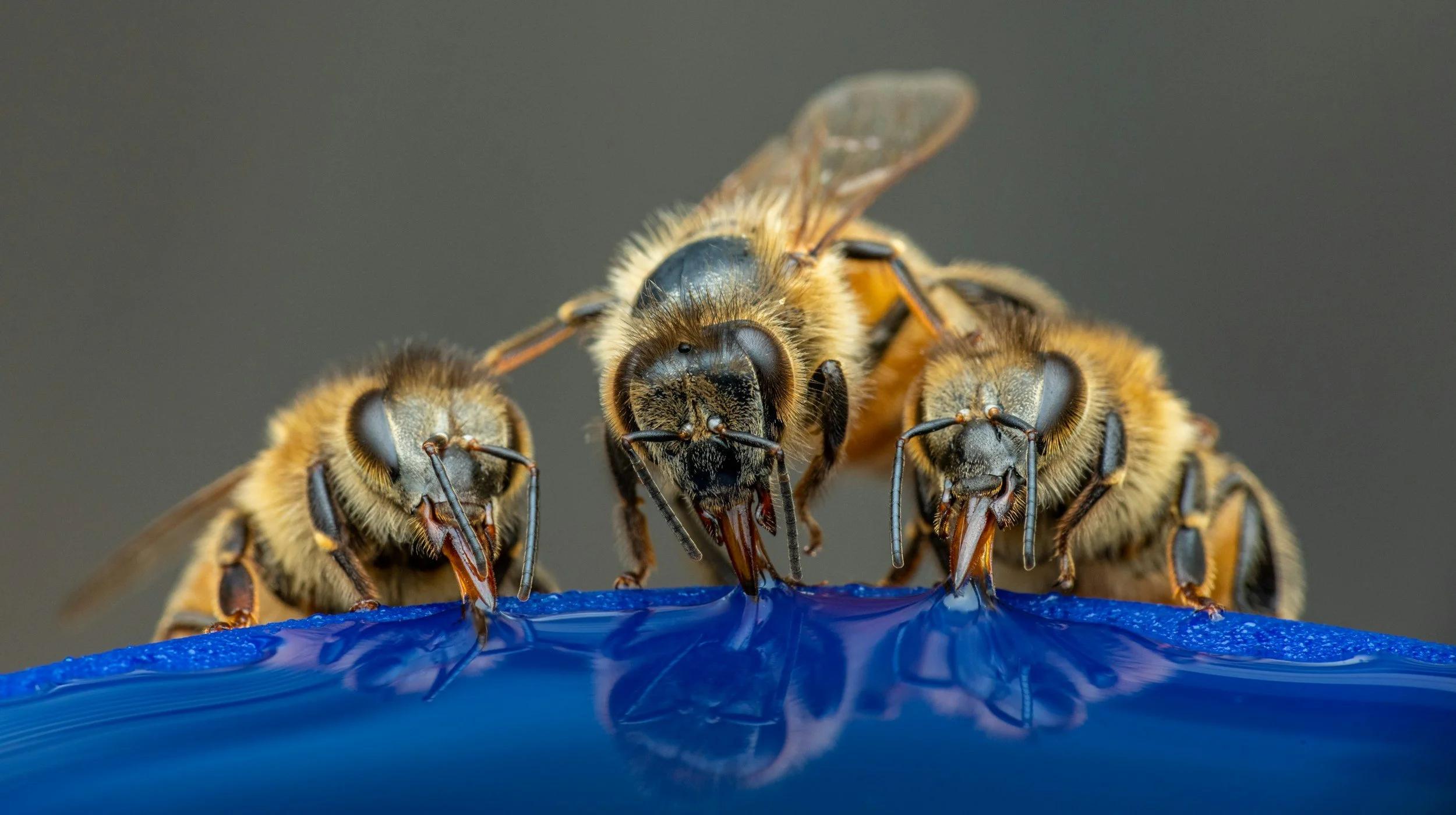
Pollinators are responsible for one in every three bites of food we eat. Around 87% of flowering plant species and 87 of the world's leading food crops depend on them for reproduction. Yet approximately 40% of invertebrate pollinators are now at risk of extinction, with habitat destruction and pesticide use identified as the primary drivers of their decline.

Read More

When and How to Harden Off Seedlings (Without Losing Them)

When and How to Harden Off Seedlings (Without Losing Them)

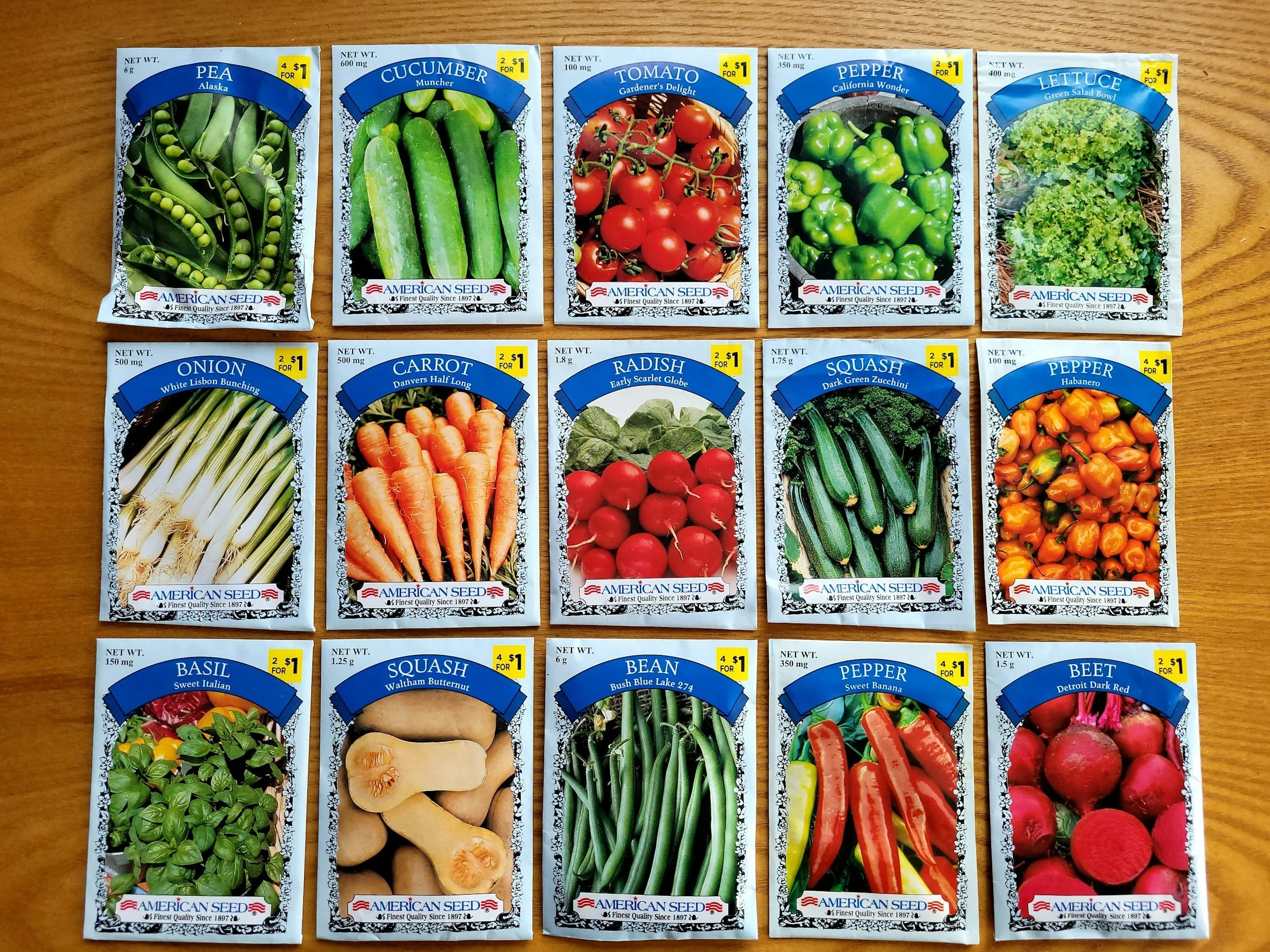
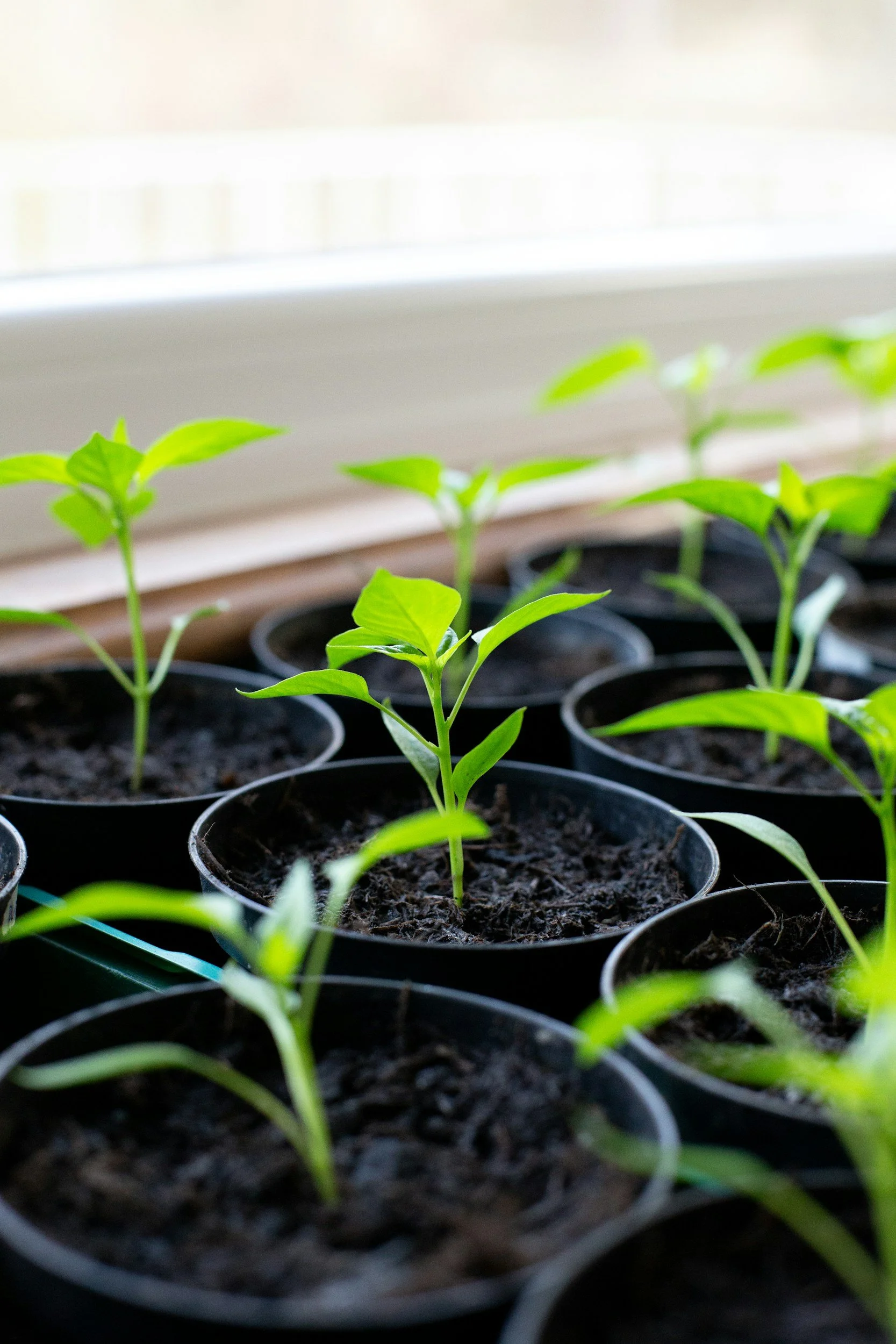
If you’ve ever brought home healthy-looking seedlings or nurtured your own indoors, only to watch them wilt, stall, or die after transplanting, you’re not alone. This is one of the earliest lessons I’ve learned the hard way: if you move plants from indoors to the outdoors too quickly, you can easily undermine them or even lose them altogether. When you’re growing an edible garden from seed, it’s important to make sure your seedlings will be able to handle the transition to a new climate and growing condition.

Read More

The Evolution of Smart Hockey Arenas: Where Innovation Meets Sustainability

The Evolution of Smart Hockey Arenas: Where Innovation Meets Sustainability

As technology continues to influence nearly every aspect of modern life, the places where we gather, including sports venues, are evolving as well. Today’s hockey arenas are not only adopting advanced technologies to elevate the fan experience, but they are also emerging as leaders in sustainability and environmental awareness. These “green smart arenas” are reshaping expectations by blending immersive, tech-driven experiences with a meaningful commitment to lowering environmental impact. This reflects a broader shift toward sustainable business practices and environmental innovation across industries.

Read More

The Role of Hardscapes in an Eco-Friendly Landscape

The Role of Hardscapes in an Eco-Friendly Landscape

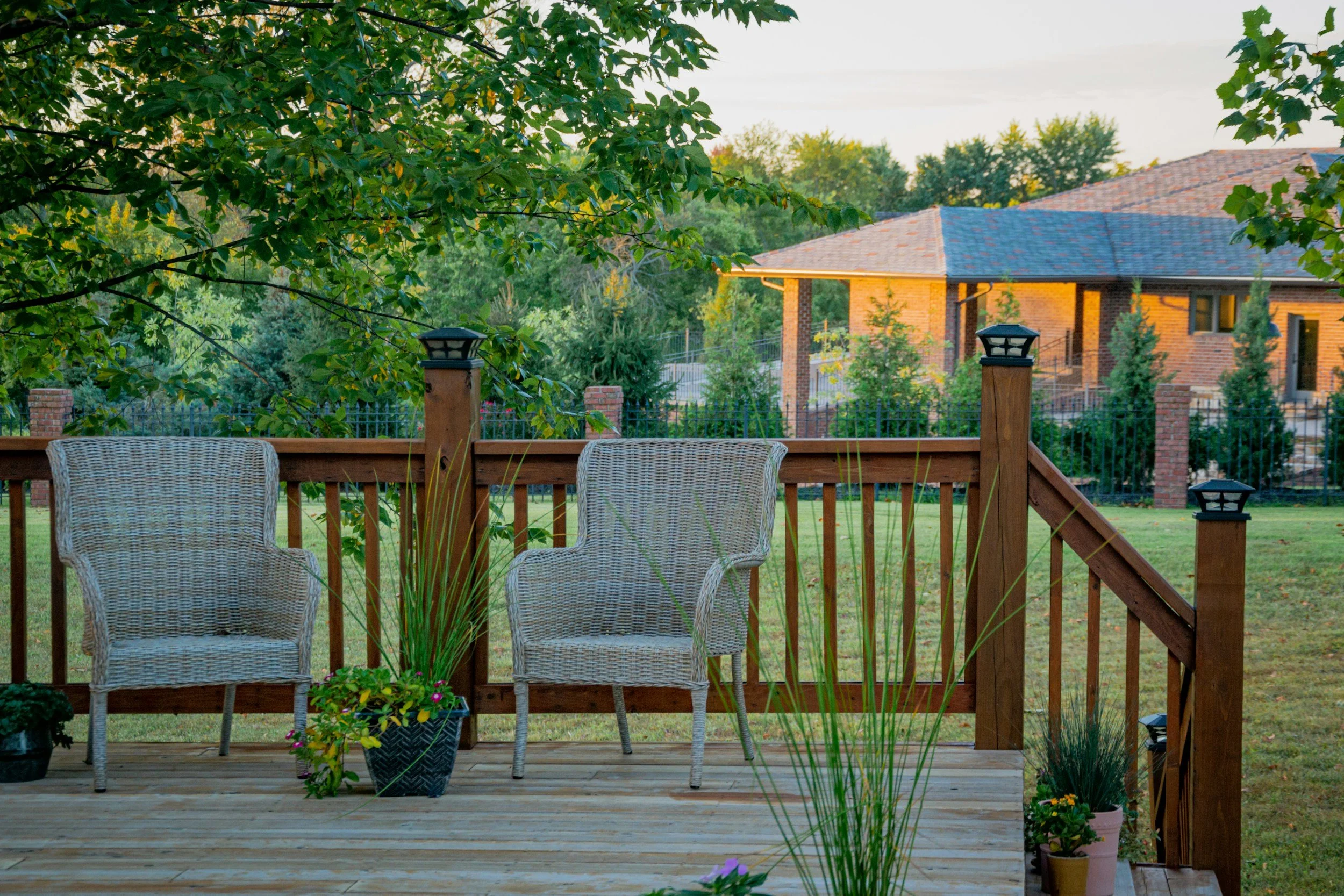
Edible gardens are more than just functional spaces for growing food. They are thriving ecosystems that require careful planning and respect. When designing an outdoor living area, it is easy to assume that built structures and natural gardens are at odds. However, when thoughtfully integrated, a well-planned timber deck can actually enhance your gardening experience. Instead of taking away from your green space, an eco-conscious deck provides a dedicated platform to interact with your garden. This protects vulnerable root systems while giving you a comfortable place to enjoy the fruits of your labour.

Read More

How to Design a Pollinator-Friendly Spring Garden

How to Design a Pollinator-Friendly Spring Garden

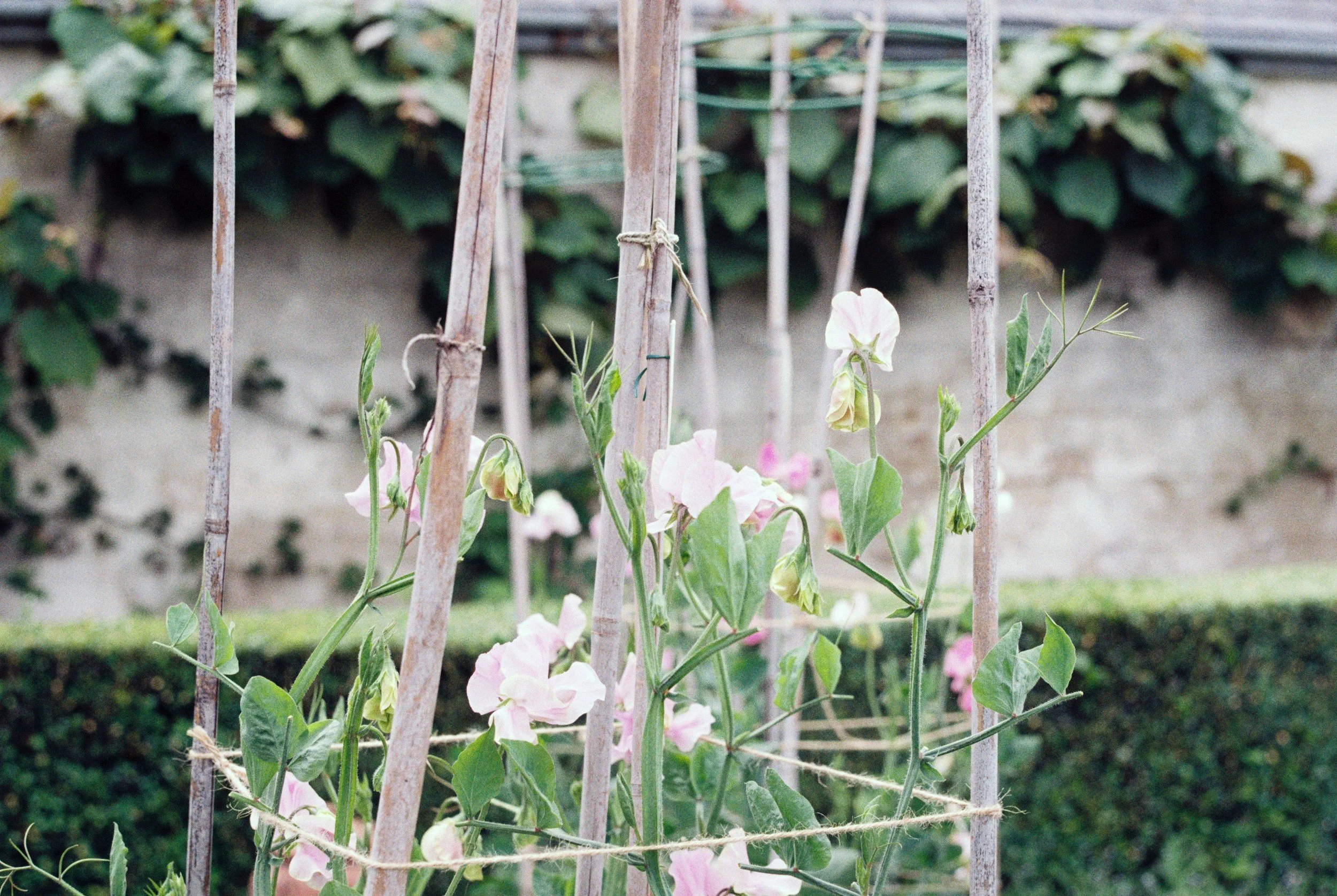
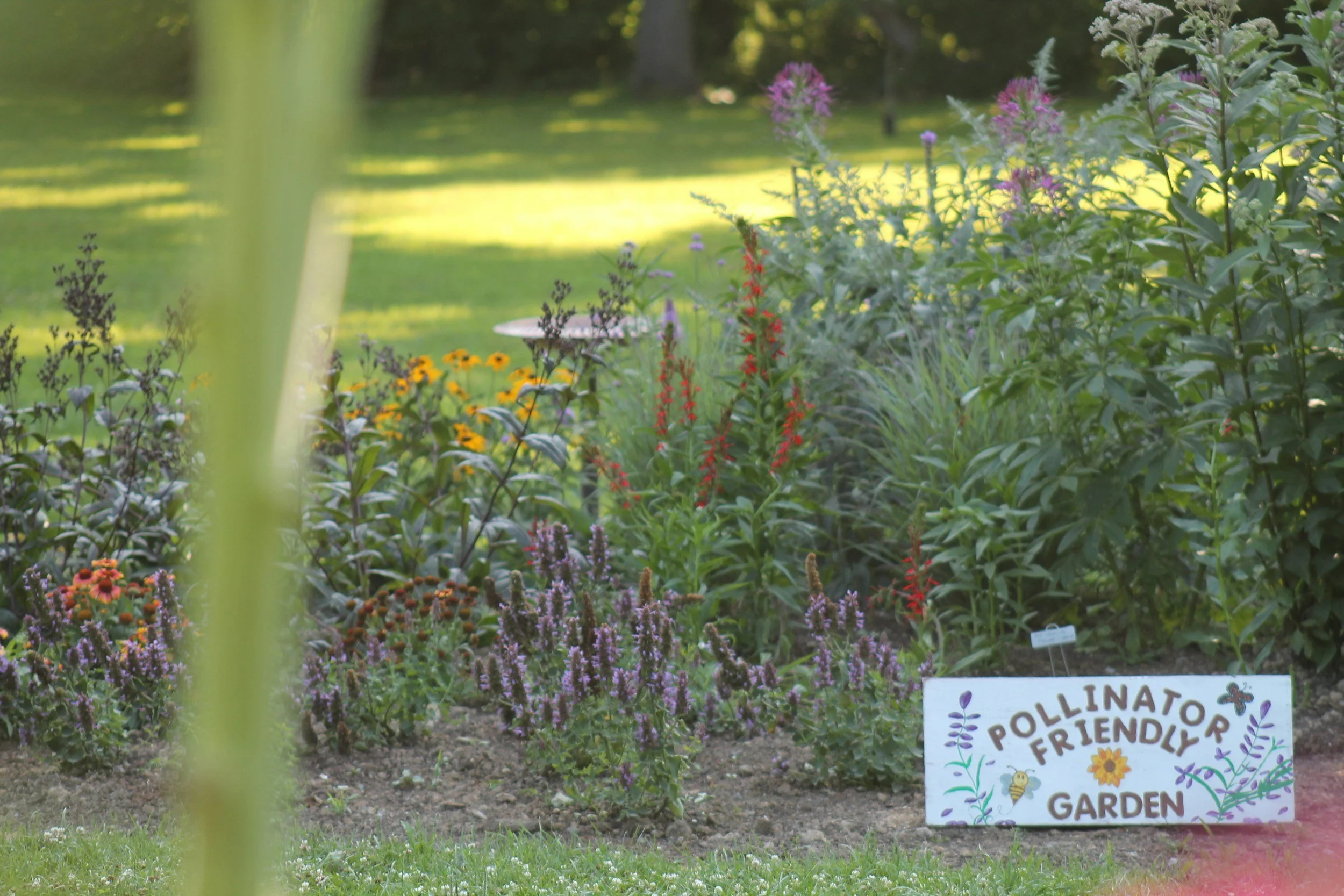
Did you know that without pollinators, we wouldn’t be able to enjoy much of the fresh food we eat? About three-quarters of the flowers we see and a third of the global food supply are dependent wholly or in part upon pollinators. And yet in many places in the world, pollinator populations are in decline, with some facing the possibility of extinction. Spring is one of the most important times of year to support pollinators. As temperatures rise and plants begin to bloom, bees, butterflies, and other beneficial insects emerge in search of food after months of scarcity. By intentionally designing your garden with pollinators in mind, you can create a thriving, productive space that supports biodiversity while also improving your harvests.

Read More

Designing a Sustainable Backyard Workspace for Your Organic Garden

Designing a Sustainable Backyard Workspace for Your Organic Garden

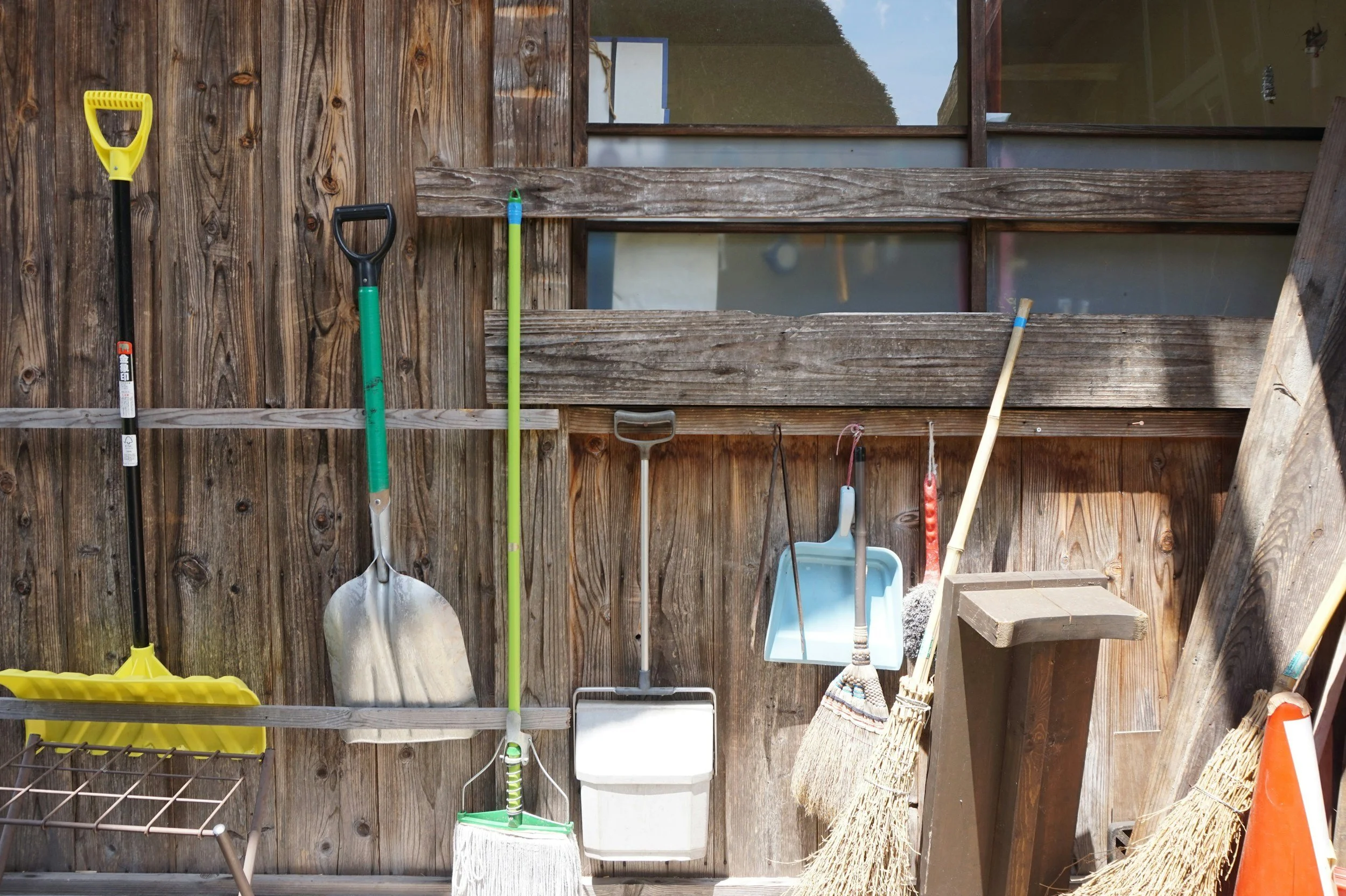
Creating a thriving organic garden takes significantly more than just good soil, regular watering, and abundant sunlight. It requires careful planning, dedicated physical effort, and a functional space to properly manage your tools, seeds, and soil amendments. For many dedicated Australian gardeners, the backyard workspace serves as the literal and figurative beating heart of their horticultural efforts. It is the designated place where delicate seeds are sown, seasonal harvests are processed, and future planting cycles are strategically mapped out.

Read More

How to Grow Asian Greens in Early Spring

How to Grow Asian Greens in Early Spring

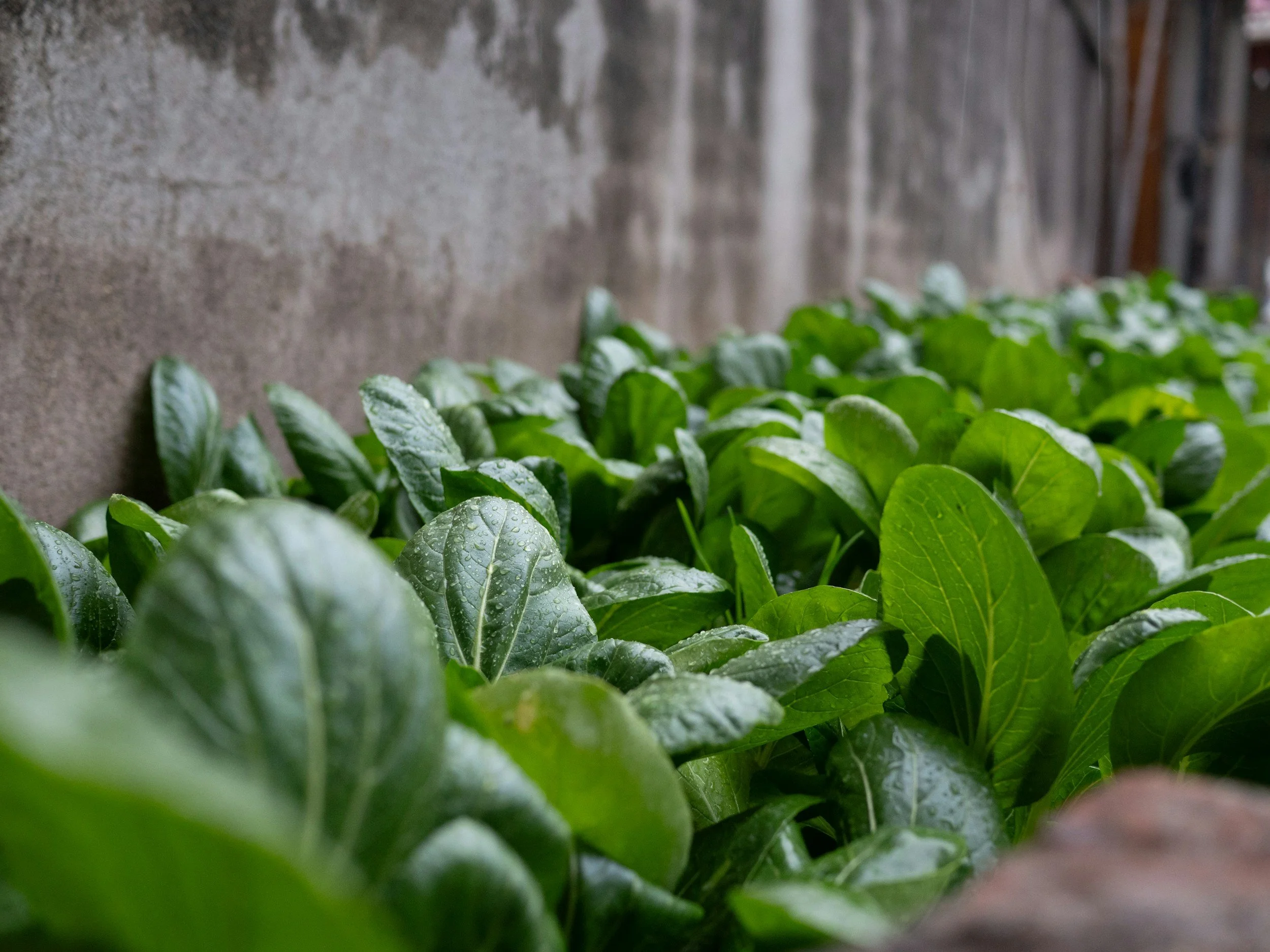
Early spring is an ideal time of year for planting Asian greens. Fast-growing, nutrient-dense, and highly adaptable, they thrive in the cool temperatures that define the start of the gardening season. If you are looking for a reliable way to get fresh harvests weeks before your summer crops are ready, Asian greens deserve a central place in your garden.

Read More