

How to Grow Cucumbers Without Bitterness or Disease

How to Grow Cucumbers Without Bitterness or Disease

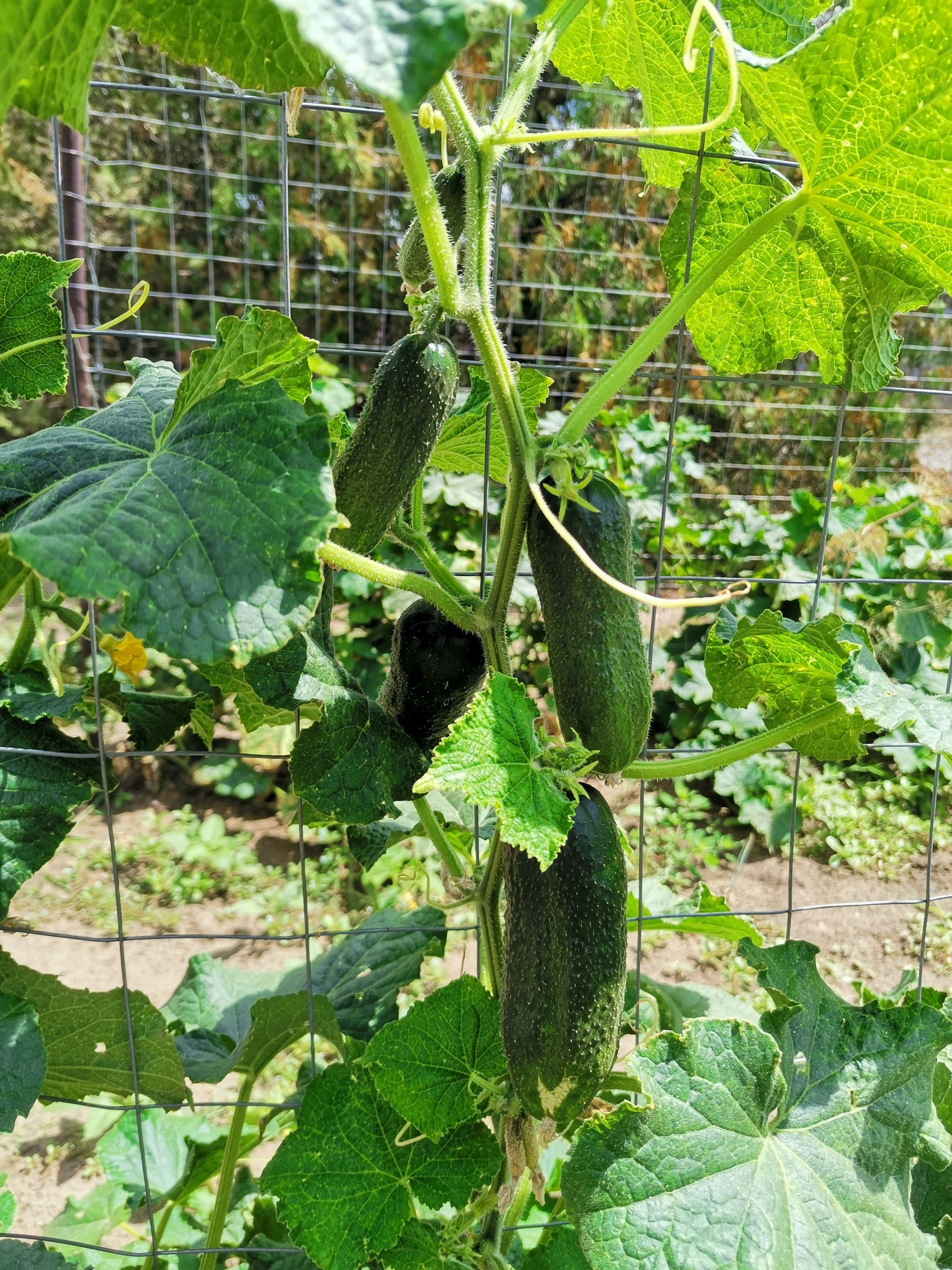
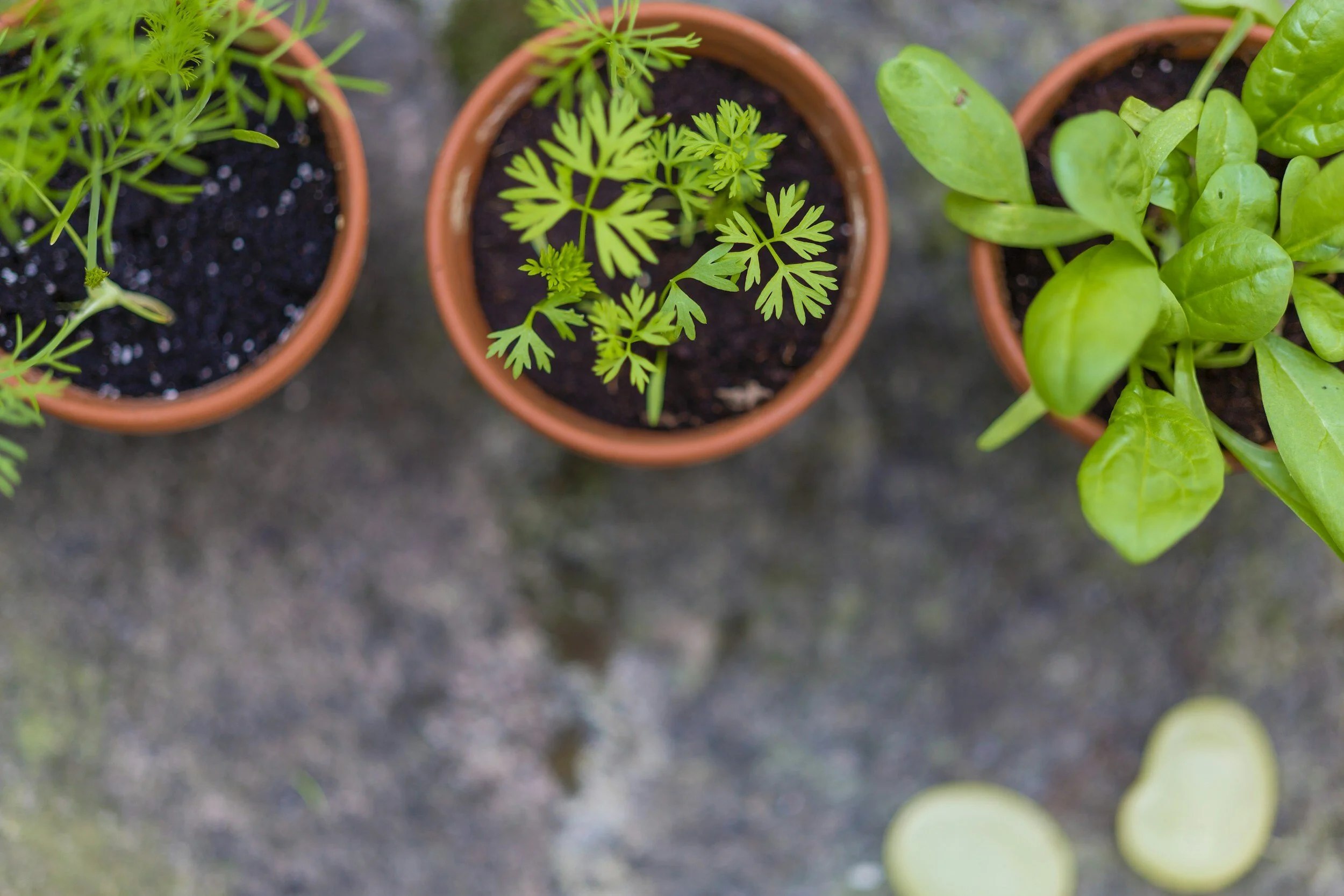
Growing cucumbers is one of the most rewarding parts of a summer vegetable garden. Few things compare to picking a crisp, fresh cucumber straight from the vine for salads, sandwiches, or homemade pickles. Personally, I love growing new varieties of cucumber in my raised beds each year โ€“ this year Iโ€™m growing Marketmore and Straight8, and both have been stellar performers (which means Iโ€™m going to be gifting friends with cucumbers soon, since the vines have produced a bumper crop this year!)

Read More
Small Home Improvements with a Big Environmental Impact

Small Home Improvements with a Big Environmental Impact

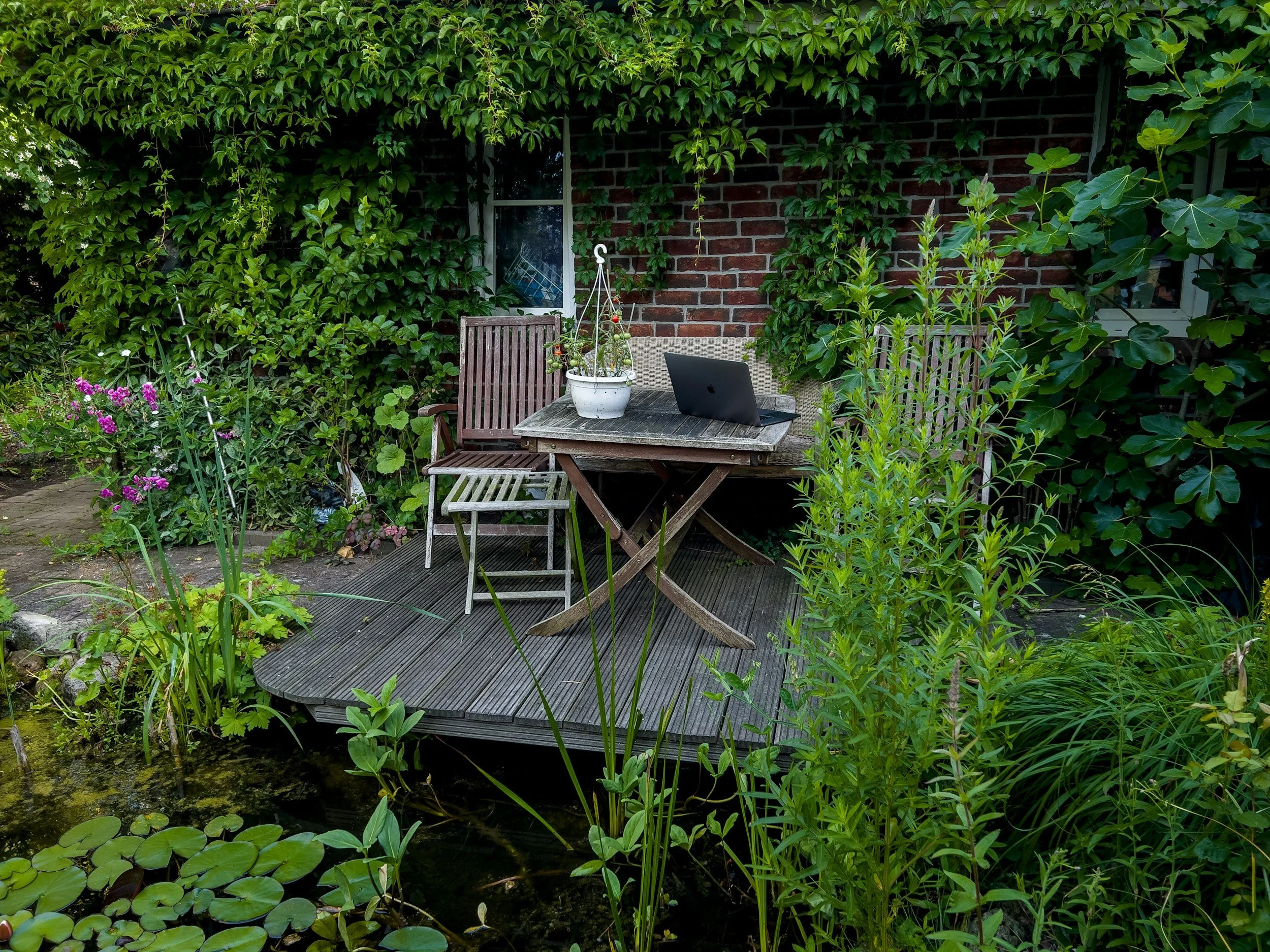
Solar panels, a complete home remodel, and smart-home technology are not compulsory to make a home eco-friendly. Minor changes that make the best use of existing materials; save energy, water and create better indoor air quality; and extend the life of materials already installed can be some of the most beneficial and sustainable upgrades.

Read More

Are Spotted Lanternflies Harmful to Gardens? What to Do If You See Them

Are Spotted Lanternflies Harmful to Gardens? What to Do If You See Them

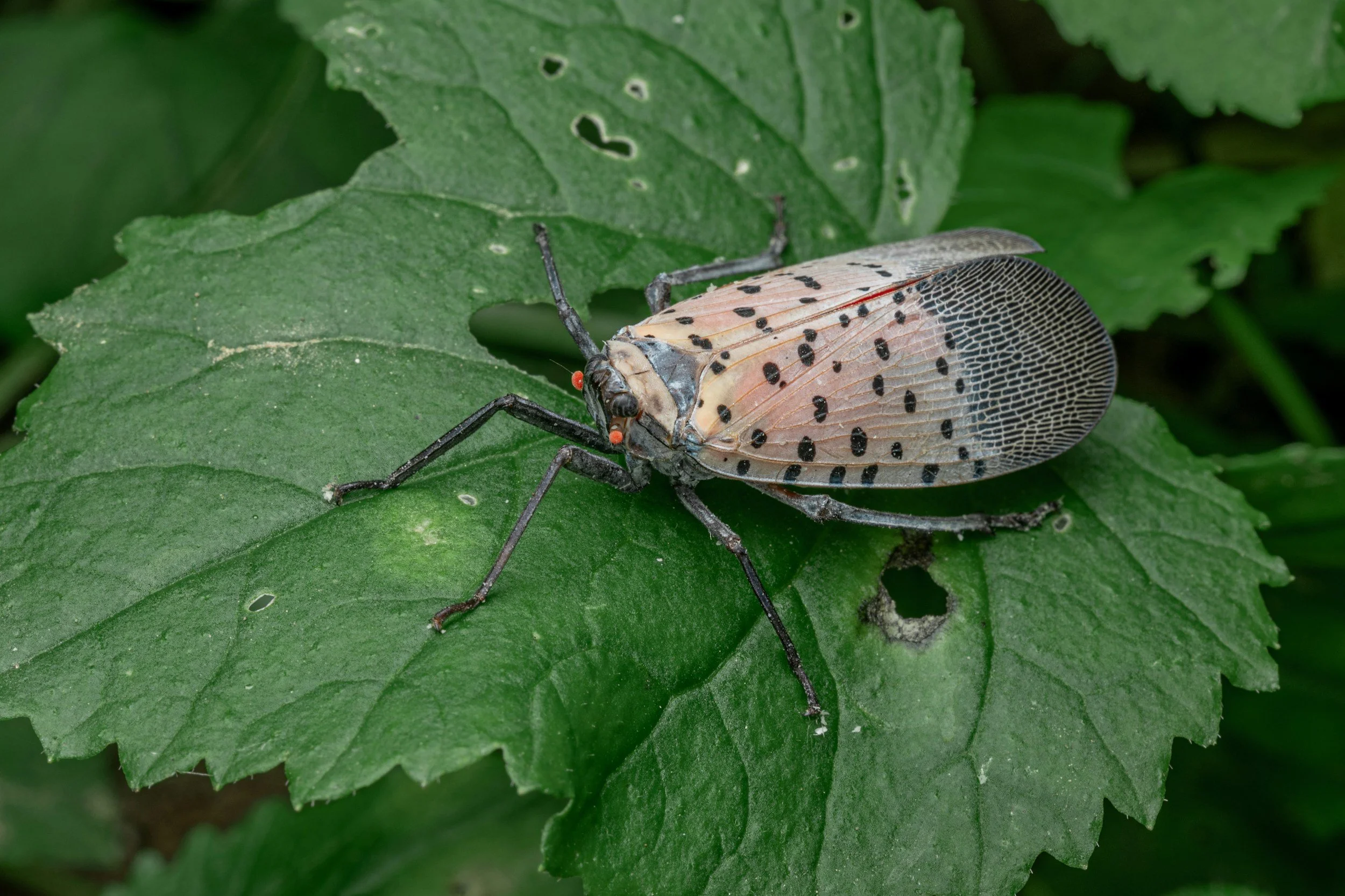
If you've spotted a brightly colored insect with black spots and red wings hopping across your garden, youโ€™re most likely seeing a spotted lanternfly. In the US, spotted lanternflies were first detected in Berkes County, PA in 2014. They have spread rapidly across much of the eastern United States in recent years, leaving many gardeners wondering whether they should be worried.

Read More

Mid-Season Garden Reset: How to Fix What's Not Working and Grow More Food

Mid-Season Garden Reset: How to Fix What's Not Working and Grow More Food

By mid-summer, most gardeners have a pretty good idea of what is thriving and what is struggling. At this time of year, with the excitement of spring planting having faded, youโ€™ve likely been dealing with challenging weather days, and have found some of your crops producing abundantly while others seem determined to disappoint.

Read More

Water-Wise Gardening: Smart Ways to Cut Water Waste Without Hurting Your Plants

Water-Wise Gardening: Smart Ways to Cut Water Waste Without Hurting Your Plants

Most of us water our gardens the way we always have โ€” by hose, by habit, whenever we happen to remember. But a surprising amount of that water never does the plants any good at all. It evaporates into the air, runs off the surface, or sinks straight past the roots before a plant can use it. The good news is that with a few simple changes, you can grow a healthier, greener garden on far less water. Here is how to make every drop count.

Read More

Not All Caterpillars Are Pests: How to Manage Them in Your Edible Garden

Not All Caterpillars Are Pests: How to Manage Them in Your Edible Garden

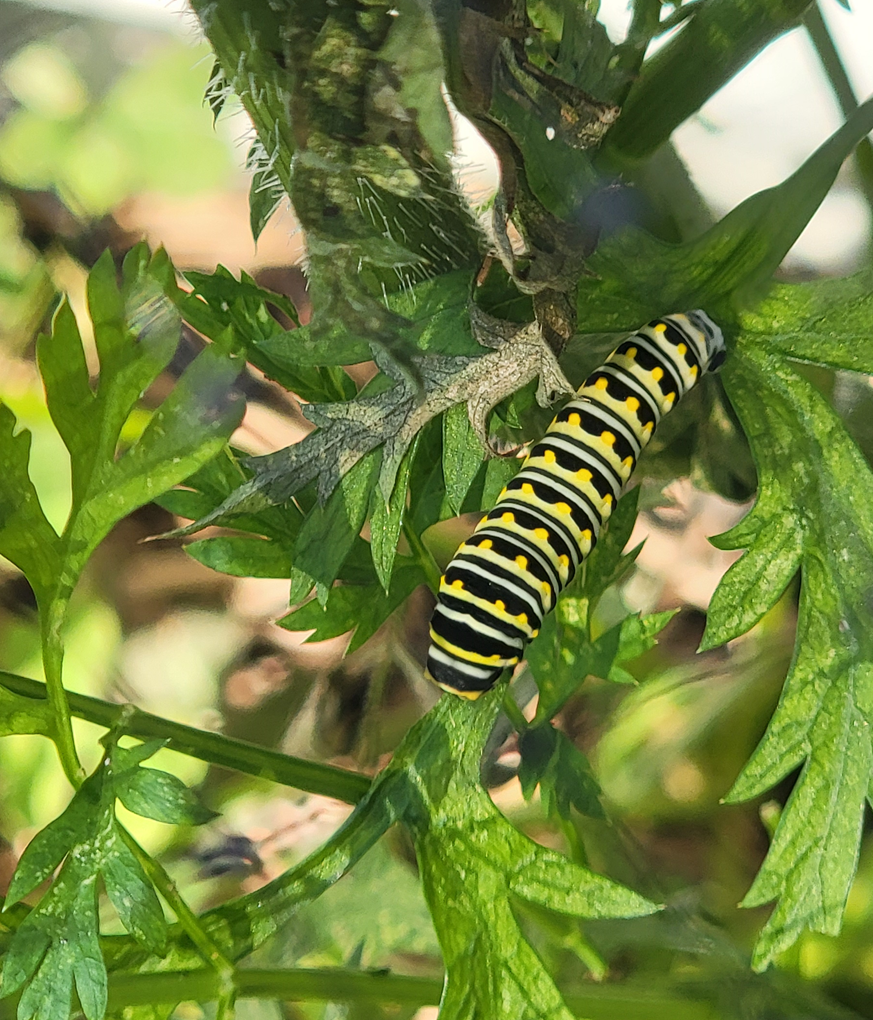
Have you ever walked out to your vegetable garden, found leaves full of gaping holes, and wondered what caused them? Chances are that caterpillars are the culprits. For many gardeners (including me), the immediate reaction is to find a way to eliminate them before they destroy an entire crop. And yes, they can do that very quickly, especially if youโ€™re dealing with several hungry caterpillars in a small space.

Read More

How to Keep Your Garden Low-Maintenance All Summer

How to Keep Your Garden Low-Maintenance All Summer

Although mid-summer tends to be unbearably hot and humid in my area, which means gardening only in the early morning and late afternoon, overall, summer is my favorite time of year to grow an edible garden. My plants are growing rapidly, vegetables are producing like crazy, the flowers Iโ€™ve planted all over the garden and in the landscaped areas of my yard are blooming, and all the pollinators are hard at work. Despite these upsides, summer is also the season when many gardeners can find themselves spending more time watering, weeding, pruning, and fighting pests than they expected.

Read More

Succession Planting: How to Harvest More from the Same Space

Succession Planting: How to Harvest More from the Same Space

My biggest problem in growing an edible food garden has long been not planting enough. While I always started my garden by planting a wide variety of vegetables, legumes, and flowers, by midsummer, some of my raised beds would always begin to look disappointingly sparse. When my early crops -- spinach, radishes, peas, bok choy and lettuce โ€“ finished producing and I pulled them, bare patches of soil were inevitably left behind. While thereโ€™s nothing wrong with enjoying a successful harvest, those empty spaces always struck me as a missed opportunity.

Read More

What Are Mycorrhizae? The Soil Fungi That Help Plants Thrive

What Are Mycorrhizae? The Soil Fungi That Help Plants Thrive

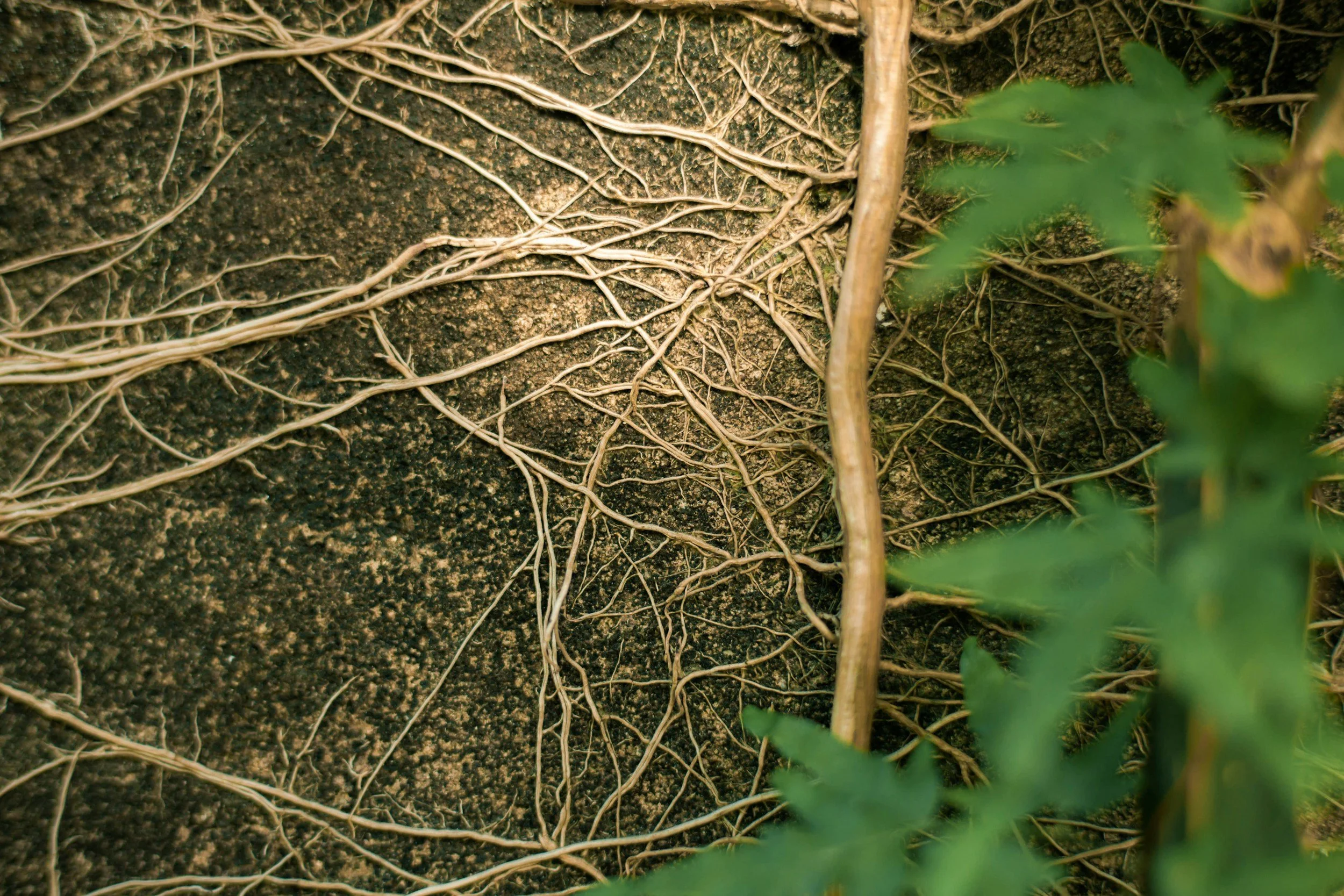
Healthy soil is far more than dirt. Beneath the surface of every productive garden lies a complex ecosystem of microorganisms that help plants grow, resist disease, and access nutrients. Among the most important of these organisms are mycorrhizal fungi, microscopic soil fungi that form beneficial partnerships with plant roots.

Read More

6 Proven Methods for Reducing Vendor Carbon Footprints

6 Proven Methods for Reducing Vendor Carbon Footprints

To cut right to the chase, if you want to reduce your vendor carbon footprints you need to measure your emission hotspots, update your procurement contracts with climate clauses, support your suppliers in their energy transitions, push for circular materials, and handle whatever residual emissions are left with verified carbon removals. That is the core strategy right there. Most businesses find that their supply chain and vendor emissions make up the vast majority of their total carbon footprint. Sometimes it is as high as 90 percent. So ignoring this is just not an option if you have any serious sustainability goals.

Read More

How to Space Plants Correctly for Maximum Yield

How to Space Plants Correctly for Maximum Yield

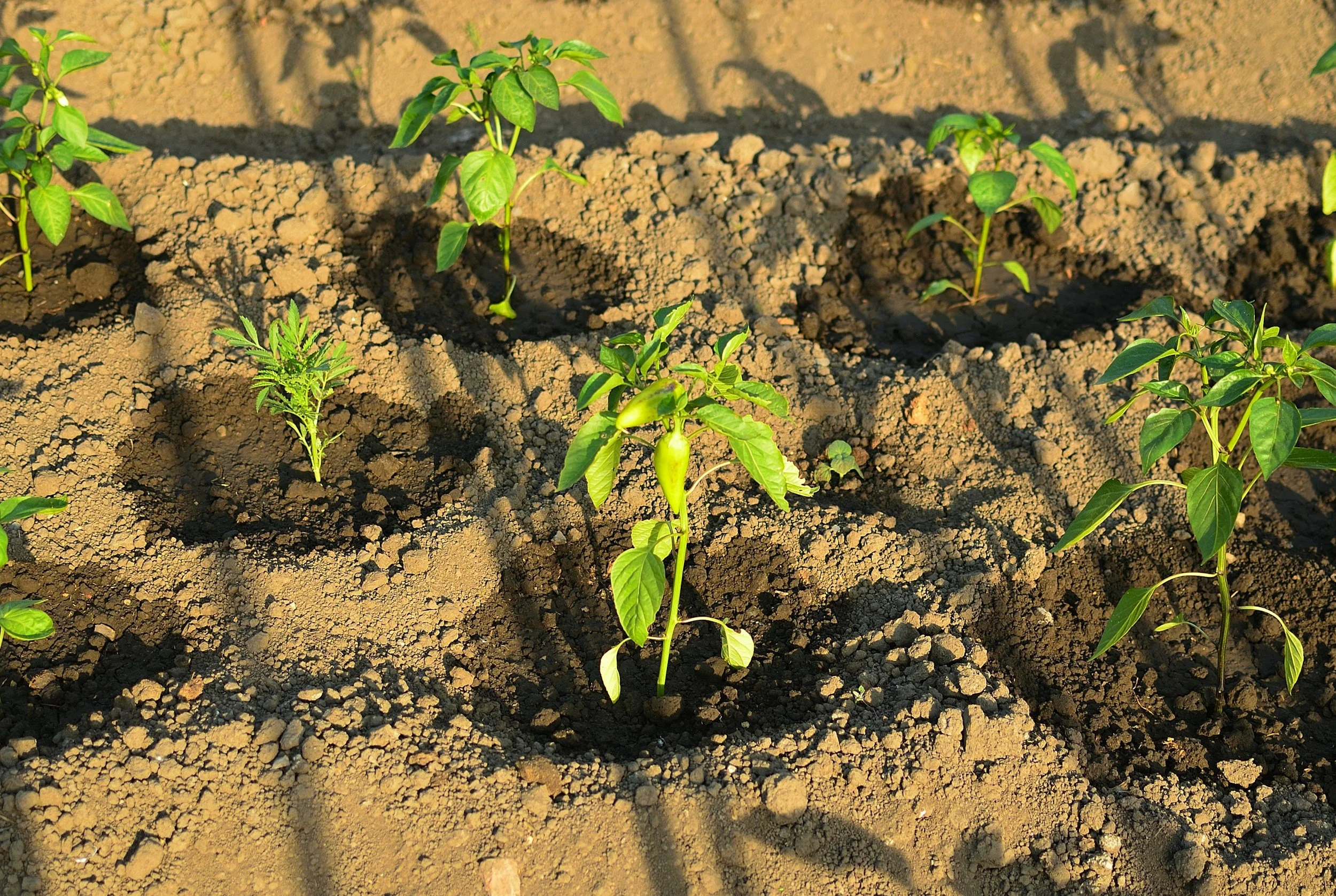
One of the most common mistakes gardeners make is assuming that planting more vegetables in a small space will automatically produce a larger harvest. In reality, overcrowding often does the opposite. Plants that are packed too closely together compete for sunlight, water, nutrients, and airflow. The result is usually smaller harvests, increased disease pressure, and weaker plants.

Read More

How to Grow Zucchini Without Powdery Mildew Problems

How to Grow Zucchini Without Powdery Mildew Problems

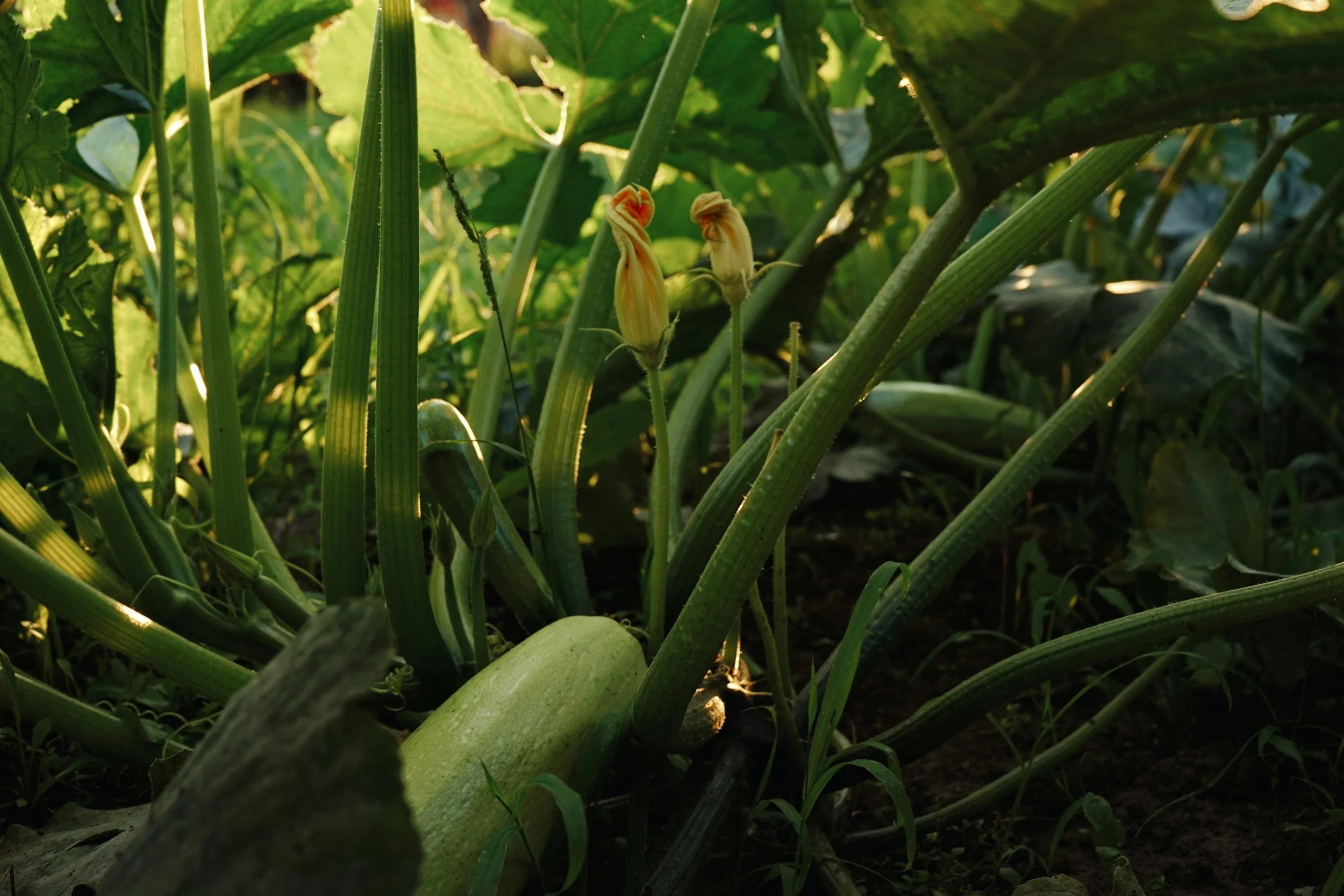
Zucchini is one of the most prolific vegetables you can grow in an edible garden. A healthy plant can produce more squash than most families can keep up with, especially during the peak of summer. This is why you might have seen or heard jokes about bumper crops of zucchini, or stories about gardeners not being able to give them away fast enough. While zucchini can grow in abundance under the right conditions, itโ€™s also notorious for developing powdery mildew. This is a fungal disease that turns leaves white, weakens plants, and dramatically reduces harvests.

Read More

How Restoring Your Smile Supports Gut Health and a Whole Food Diet

How Restoring Your Smile Supports Gut Health and a Whole Food Diet

In recent years, the conversation around wellness has heavily focused on the gut microbiome. Health enthusiasts are increasingly aware that a thriving digestive system is the cornerstone of overall vitality, influencing everything from immune response to mental clarity. To support this complex internal ecosystem, experts widely recommend a whole food diet rich in organic vegetables, fresh fruits, and unprocessed grains. However, many people overlook a fundamental anatomical truth about human biology. Digestion does not actually begin in the stomach. The very first step of the digestive process happens in your mouth.

Read More

Building a Natural First Aid Kit for Unexpected Dental Emergencies

Building a Natural First Aid Kit for Unexpected Dental Emergencies

Many families are increasingly mindful of the products they bring into their homes. If you have been focusing on understanding how formaldehyde exposure is affecting your health and taking steps to reduce chemical exposure in your daily routines, from choosing organic produce to mixing your own non-toxic cleaning sprays, it makes absolute sense to evaluate your medicine cabinet next. Traditional first aid kits are often packed with synthetic painkillers, artificial numbing gels, and chemical-heavy antiseptics. While these commercial products are common, there is a rapidly growing movement toward holistic alternatives that prioritise plant-based healing and minimise our reliance on synthetic compounds.

Read More